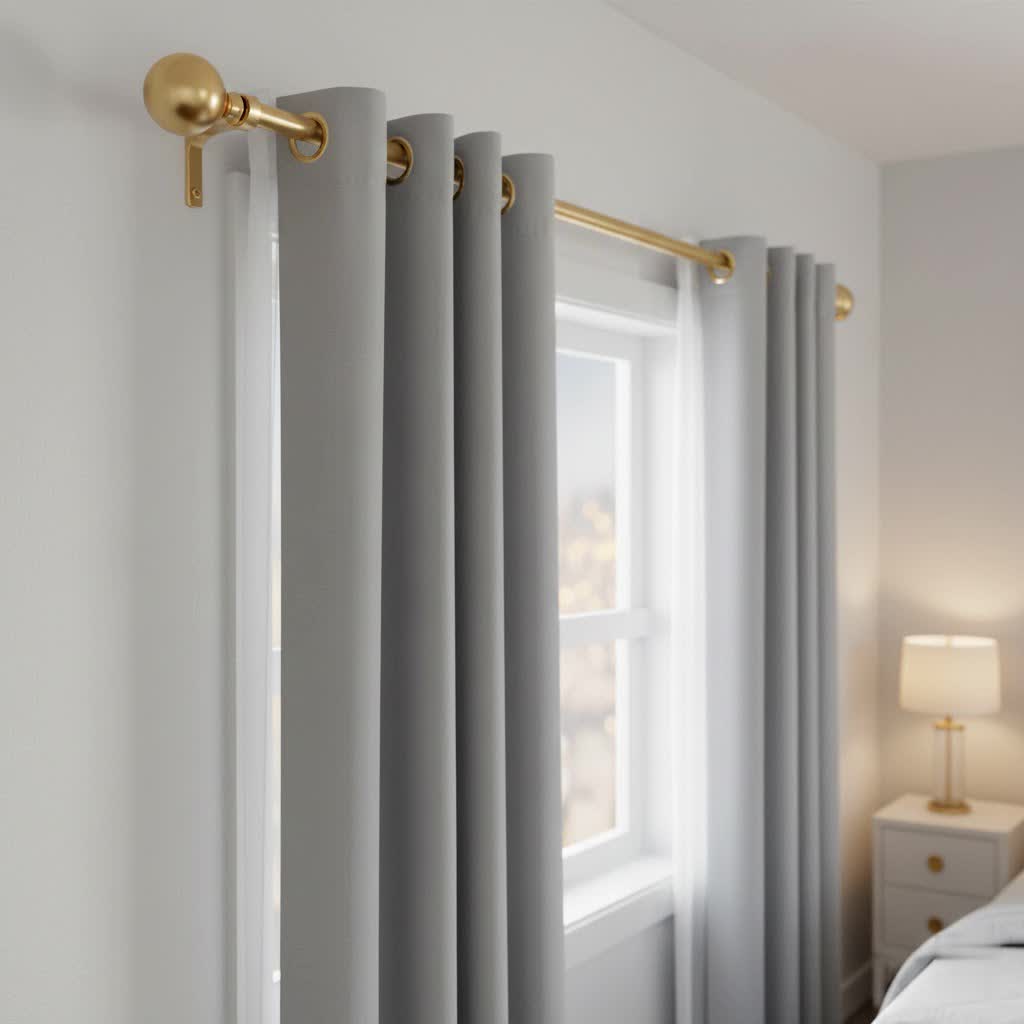
Curtain rods often feel like an afterthought in home decor, a mere functional necessity to hang your beautiful drapes. Yet, these seemingly simple fixtures play a pivotal role in defining the aesthetic and functionality of your windows and, by extension, your entire living space. A carefully chosen standard curtain rod can elevate a room, creating an illusion of height, enhancing natural light, and tying together your interior design elements. But with so many options available, how do you select the one that’s just right for your homeLet’s explore everything you need to know about standard curtain rods, transforming your windows from ordinary to extraordinary.
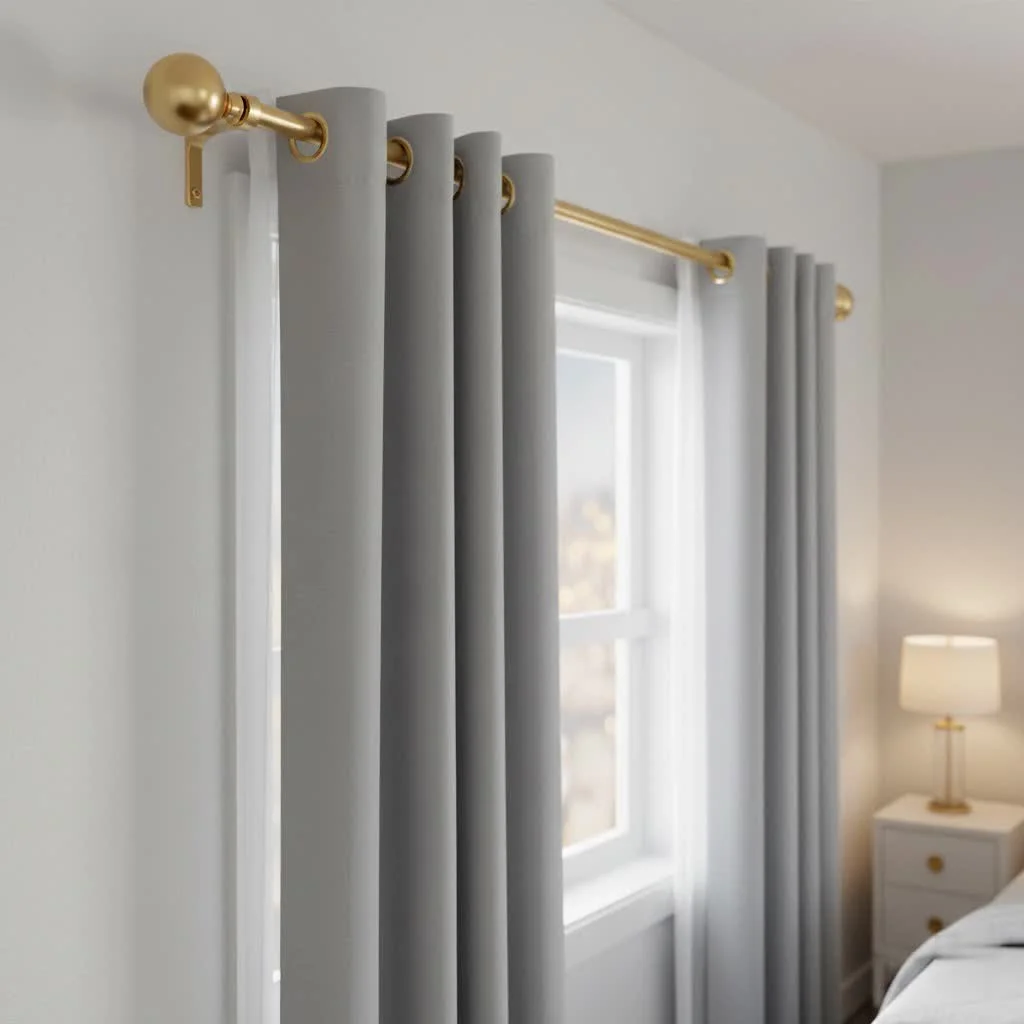
Understanding Different Types of Standard Curtain Rods
When you start of selecting curtain rods, you’ll discover a variety of types, each serving distinct purposes and catering to different design preferences. Knowing these options is the first step toward making an informed choice for your home.
The Decorative Single Rod is perhaps the most common and versatile option. These rods are designed to be seen, often featuring attractive finishes and decorative finials (the end caps) that add a touch of style to your window treatment. They are ideal for hanging a single layer of curtains, whether for privacy, light control, or purely decorative purposes.
For those who desire both privacy and light management, Double Rods are an excellent solution. These setups feature two rods mounted on a single bracket, allowing you to layer different curtain types, such as sheer panels behind heavier drapes. This versatility enables you to adjust the light filtering and privacy levels throughout the day with ease.
If drilling holes isn’t an option, perhaps in a rental property or for temporary window coverings, Tension Rods come to the rescue. These rods expand to fit snugly within your window frame using spring-loaded tension, requiring no hardware or tools for installation. While convenient, they are best suited for lightweight curtains and smaller windows due to their limited weight capacity.
For a sleek, streamlined look or for very wide windows, Traverse Rods offer smooth functionality. These rods feature a hidden track system with gliders, allowing curtains to open and close effortlessly with a cord or a wand. Traverse rods can be decorative or concealed, providing a sophisticated solution for managing heavier or larger draperies. Similarly, Concealed Rods are designed to be entirely hidden behind the curtain fabric, making the drapes appear to float gracefully across the window.
Finally, Cafe Rods are perfect for achieving a charming, half-window coverage. Typically thinner and mounted horizontally across the middle of a window, they allow natural light to stream in from the top while providing privacy for the lower half. They are often used with lightweight curtains in kitchens or bathrooms for a relaxed, inviting atmosphere.
Decoding Curtain Rod Materials: Durability, Aesthetics, and Value
The material of your standard curtain rod not only dictates its durability and strength but also significantly influences the overall aesthetic of your room. Different materials offer unique advantages and design statements.
Metal curtain rods are renowned for their robustness and versatility. Available in a wide array of finishes like brass, iron, aluminum, steel, and stainless steel, they can complement virtually any decor style, from modern industrial to classic traditional.
- Steel and Stainless Steel are particularly favored for their exceptional strength and resistance to corrosion, making them excellent choices for supporting heavy drapes and ensuring longevity. Stainless steel, in particular, offers a sleek, contemporary look and superior rust resistance.
- Aluminum and Aluminum Alloy rods are lighter than steel but still provide good strength and often boast better corrosion resistance than plain iron, especially in humid environments. They are available in diverse finishes, including polished chrome and brushed nickel, which blend seamlessly with modern interiors.
- Iron rods offer a classic, often rustic or traditional appeal, but can be very heavy and prone to rust over time if not properly maintained.
Wooden curtain rods exude a timeless charm and warmth. They are available in various stains and finishes, allowing them to harmonize with existing wooden furniture or flooring. Wood rods are ideal for creating a cozy, inviting atmosphere and pair beautifully with traditional, farmhouse, or bohemian decor styles. However, they may require more care and might not be as suitable for extremely heavy drapes as some metal options.
For budget-conscious projects or very lightweight curtains, Plastic or Composite materials offer an affordable and easy-to-install solution. While less durable and generally not as aesthetically refined as metal or wood, they serve a practical purpose for temporary setups or small windows where heavy curtains are not a concern.
Precise Measurement and Installation for Standard Curtain Rods
Achieving a professional and aesthetically pleasing look with your curtains hinges on accurate measurement and proper installation of your standard curtain rod. Even the most exquisite curtains can fall flat if the rod is incorrectly sized or poorly mounted.
When measuring for width, begin by measuring the width of your window frame from one outer edge to the other. To create the illusion of a wider window and allow your curtains to stack neatly off the glass when open, extend your rod an additional 6 to 12 inches beyond the window frame in total (3-6 inches on each side). This ensures maximum light entry and an expansive feel. Standard curtain rod lengths typically range from 24 to 144 inches, providing options for most window sizes.
Determining the installation height is equally crucial for enhancing your room’s perceived dimensions. A general rule of thumb is to mount your curtain rod 4 to 6 inches above the window frame. For a more dramatic effect, especially in rooms with lower ceilings, consider hanging the rod approximately two-thirds of the way between the top of your window frame and the ceiling. This draws the eye upward, making your ceilings appear taller and your room more grand. Ensure you measure from your desired rod height down to the floor to select curtains of the correct length; ideally, curtains should “kiss” the floor or puddle slightly for a luxurious touch.
Once measurements are precise, installation involves a few key steps. First, mark the precise points for your brackets using your width and height measurements, always double-checking with a tape measure and a level to ensure everything is perfectly straight. For secure mounting, especially for heavier curtains, aim to screw brackets into wall studs. If studs aren’t available, use appropriate wall anchors. For wider windows (typically over 30 inches), a central support bracket is indispensable to prevent the rod from sagging over time. Finally, place your chosen rod into the installed brackets, ensuring it’s level and secure.
Standard Curtain Rod Comparison Table
Choosing the right type of standard curtain rod depends on your aesthetic goals, curtain weight, and functional needs. Here’s a quick comparison to help you decide:
| Feature | Decorative Single Rod | Double Rod | Tension Rod |
|---|---|---|---|
| Pros | Versatile, wide style range, easy installation for single panels | Layered curtain options, enhanced light and privacy control | No-drill, renter-friendly, quick setup, minimal damage |
| Cons | Accommodates only one curtain layer | Can be bulkier, more complex to install and operate | Limited weight capacity, less decorative, may slip |
| Best For | Single-layer curtains, general room decor, minimalist styles | Layering sheers with drapes, optimal light management, privacy | Lightweight curtains, temporary use, small windows, rental properties |
Styling Your Space: Choosing Standard Rods for Interior Harmony
The power of a standard curtain rod extends far beyond its utilitarian function; it’s a critical element in defining your room’s character and ensuring aesthetic harmony. The key is to select a rod that not only supports your curtains but also complements your existing interior design.
Consider the overall decor style of your room. For a modern or contemporary aesthetic, sleek metal rods in finishes like chrome, brushed nickel, or matte black are ideal. These clean lines and understated elegance blend seamlessly with minimalist furniture and geometric patterns. If your home leans towards traditional or farmhouse styles, wooden rods in rich stains or painted finishes, along with decorative finials like carved balls or rustic elements, can enhance the warm, inviting atmosphere. Bohemian or eclectic spaces might benefit from unique, handcrafted wooden rods or those with intricate, artisanal finials that add character and a personalized touch.
The weight of your curtains should always guide your choice of rod diameter. Heavier, thicker drapes, such as blackout curtains or velvet panels, demand a sturdier, thicker rod to prevent sagging and ensure long-term durability. Conversely, delicate sheer or lightweight linen curtains can be beautifully supported by a thinner, more elegant rod that doesn’t overpower their ethereal quality.
Don’t underestimate the impact of finials, the decorative end caps of your curtain rod. These small details can be a significant focal point, reflecting your personal style and tying into other decorative accents in the room. From simple geometric shapes to ornate crystal designs or natural motifs, finials offer an opportunity to infuse personality.
Finally, coordinating the rod’s color and finish with other elements in your room creates a cohesive look. Should curtain rods match light fixtures? Or door hardware? While not a strict rule, aligning the finishes of your curtain rods with other metal accents in the room, such as lighting fixtures, cabinet hardware, or even picture frames, can create a sense of intentional design. Alternatively, a neutral rod color like black or white offers versatility, allowing your curtains and other decor to take center stage. The goal is to create a flow that feels balanced and visually pleasing.
The Ultimate Standard Curtain Rod Buying Guide
Choosing the right standard curtain rod involves a blend of practicality and personal taste. To ensure you make the best decision for your home, consider these essential factors before making a purchase.
First, prioritize material and durability. As discussed, metal rods (steel, aluminum, brass) offer superior strength and longevity, making them suitable for most curtain weights and high-traffic areas. Wooden rods provide a classic aesthetic but may require more maintenance. For light curtains, plastic or composite options are budget-friendly. Always check the rod’s weight capacity, especially if you plan to hang heavy drapes.
Next, focus on size, including both length and diameter. Accurately measure your window’s width and decide on your desired rod extension to ensure full curtain coverage and an expansive window appearance. the “high and wide” rule for optimal aesthetic impact. The rod’s diameter should be proportionate to your curtain’s weight and the room’s scale; thicker rods for heavy curtains, thinner for delicate fabrics.
Style and finish are crucial for complementing your interior decor. Consider the finials—the decorative ends—as they can significantly influence the rod’s overall look. Choose finishes that harmonize with existing hardware or create a deliberate contrast. Whether you prefer a sleek modern look with chrome or a rustic charm with wrought iron, the rod’s style should feel like a natural extension of your room’s design.
Finally, factor in your budget. Standard curtain rods are available across a wide price range. While it might be tempting to opt for the cheapest option, investing in a quality rod can prevent sagging, improve functionality, and enhance the overall appearance of your window treatments in the long run.
You can purchase standard curtain rods from various retailers. Home improvement stores like Home Depot and Lowe’s offer a broad selection. Specialty curtain shops provide more personalized advice and unique designs. Online retailers such as Amazon, Wayfair, West Elm, and Crate & Barrel offer extensive choices, often with customer reviews that can guide your decision. When buying, always check that the package includes all necessary hardware, such as brackets, screws, and finials, and inspect the product for any defects.
Top Brands for Quality Standard Curtain Rods
When it comes to outfitting your windows with the perfect standard curtain rods, several brands consistently receive high marks for quality, durability, and style. Investing in a reputable brand ensures not only a beautiful aesthetic but also reliable performance for years to come.
For those seeking custom options or exceptional strength, brands like Highland Forge are highly recommended. They are known for their hand-finished custom rods that are significantly stronger than many ready-made options, offering a seamless look without telescoping notches. Similarly, Wovn Home and The Shade Store specialize in high-quality custom window treatments, including rods that match their exquisite drapery.
In the more popular and accessible categories, Umbra stands out with its diverse range of stylish and functional rods. Their Cappa, Bellwood, and Twilight models are frequently praised for their attractive designs, ease of installation, and durability. The Umbra Twilight rod, for instance, is a popular choice for blackout curtains, designed to allow curtains to reach all the way to the wall, minimizing light leakage.
West Elm is another brand often cited for its contemporary and oversized adjustable curtain rods, which feature attractive brackets and sturdy construction in various finishes. For budget-friendly yet reliable options, Wayfair Basics and Target’s Project 62 collections offer well-reviewed standard black and ball finial rods that are versatile and easy to integrate into many decor styles. Crate & Barrel also offers elegant options, including double curtain rods, for a more sophisticated layered look. When considering these brands, look for specifics like the material, finish, and the type of included mounting hardware, as quality hardware is essential for long-lasting stability.
Conclusion
The standard curtain rod, far from being a mere accessory, is a foundational element in crafting a polished and functional living space. From enhancing the perceived size of your windows and height of your ceilings to dictating the flow of natural light and reinforcing your chosen interior aesthetic, its impact is undeniable. By understanding the various types, materials, and crucial measurements, you gain the confidence to select a rod that not only supports your curtains impeccably but also serves as a subtle yet powerful design statement.
Don’t let this essential hardware be an afterthought. Thoughtful selection of your standard curtain rod transforms a simple window treatment into a focal point, reflecting your style and elevating your home’s ambiance. Which type of standard curtain rod will you choose to redefine your space today?
Frequently Asked Questions
How far should a standard curtain rod extend past the window?
|
Our Picks for the Best Curtain Rod in 2026
As an Amazon Associate I earn from qualifying purchases.
|
||
| Num | Product | Action |
|---|---|---|
| 1 | Curtain Rods for Windows 16 to 144 Inches Adjustable Length 1 Inch Diameter Window Curtain Rod with Aluminium Finials, Black |

|
| 2 | 5/8” Diameter Curtain Rods 30-90 Inch, for 30-84 Inch Windows, Adjustable Splicing Black Curtain Rods for Windows with Brackets, Window Rod Long Small Curtains Rod |
|
| 3 | Wrap Around Curtain Rod Black, Adjustable Blackout Curtain Rods for Windows 48 to 84 Inch, 1" Heavy Duty Room Darkening Drapery Rod, Easy Install and Removal |
|
| 4 | Heavy Duty Curtain Rods for Windows 66 to 120 Inch, 1 Inch Gold Curtain Rod Adjustable, Decorative Long Curtains Rods with Metal Finials, Easy Installation and Modern Design (A2,Gold,30"-120") |
|
| 5 | Curtain Rods for windows 32-48 inch, 5/8 inch Decorative Curtain Rod Set, Matte Black Splicing Heavy Duty Metal Curtain Rod with Brackets |
|
| 6 | Tension Curtain Rods No Drilling, Extra Long Tension Rod 41-139 Inch, Heavy Duty Shower Curtain Rod for Outdoor Patio Bathroom Windows Room Divider, Adjustable, Anti-Slip, No Rust, Black |
|
| 7 | YaFex Curtain Rods 32-144 Inch, Heavy Duty 1 Inch Adjustable Curtain Rod for Windows, Black Extra Long Window Treatment Rods, Modern Design, Easy Installation |
|
| 8 | 1” Diameter Curtain Rods Itself is 30 to144 inch 1 Pack Fit 30-142 inch, 66 to 120 inch Window with Heavy Duty Adjustable Rod Matte Black Splicing Metal Extra Long Curtain Rod for Windows |
|
| 9 | Heavy Duty Curtain Rods for Windows 66 to 120 Inch,1 Inch Adjustable Black Curtain Rod with Easy Installation and Modern Design,Decorative Long Drapery Rods with Metal Finials (A1,Black,30-120") |
|
| 10 | Double Curtain Rod for Windows 66 to 120 Inches, 1 inch Heavy-Duty Adjustable Imitation Wood Farmhouse Double Curtain Rod, Boho Decorative and Wood Grain Finish, Dual Rod for Living Room and Bedroom |
|
For optimal aesthetics and functionality, a standard curtain rod should extend approximately 3 to 6 inches beyond the window frame on each side. This extra width allows curtains to be fully pulled back, maximizing natural light, and creates the illusion of a wider window.
Can I use a standard curtain rod for heavy curtains?
Yes, you can use a standard curtain rod for heavy curtains, but it’s crucial to select one made from a durable material like steel or a thick wood, and ensure it has an appropriate diameter (typically thicker). Use robust brackets and add a center support bracket for rods over 30 inches wide to prevent sagging.
What is the standard height for hanging a curtain rod?
The standard recommendation is to hang a curtain rod 4 to 6 inches above the window frame. For a more dramatic effect that makes ceilings appear taller, you can hang the rod even higher, ideally two-thirds of the way between the top of the window frame and the ceiling.
Are adjustable curtain rods strong?
Adjustable curtain rods can be strong, but their strength often depends on the quality of the material and the diameter. Rods that telescope (one rod slides inside another) can be sturdy, especially when used at their shortest extension. However, for very heavy curtains or extremely wide windows, a fixed-length or custom rod made from solid material generally offers superior strength and stability.
Should curtain rods match other room hardware?
While not a strict rule, coordinating your curtain rod’s finish with other room hardware, such as doorknobs, light fixtures, or furniture accents, can create a cohesive and harmonious design aesthetic. Alternatively, choosing a neutral-colored rod (like black or white) allows it to blend in and lets your curtains stand out.
Get our weekly buyer guide
Practical specs, not advice. Unsubscribe anytime.

This was exactly what I needed! I was so overwhelmed by all the choices at the hardware store. The section on materials, especially the difference between metal and wood, helped me decide on a brushed nickel rod that perfectly matches my modern decor. It feels really durable and was surprisingly easy to install, even for a DIY novice like me.
The advice on mounting height was really useful for making my small windows appear taller. I mounted my new rod about 6 inches above the frame, and it totally changed the feel of the room. However, I found that the recommended weight capacity for the extendable rods wasn’t quite accurate for my heavy velvet curtains; they still bowed a bit. Had to reinforce it.
I appreciated the breakdown of different finial styles. I never really thought about how much they contribute to the overall look. I went with some simple cap finials for a minimalist feel, and they blend in perfectly. My only minor complaint is that I wish there were a few more examples of the double curtain rods for layering sheers and blackout curtains.
I always struggled with finding curtain rods that actually looked good and didn’t sag in the middle. This guide was super helpful in explaining how important the diameter is for heavier drapes. I ended up getting a 1.5-inch rod for my living room, and it makes such a difference in how sturdy and elegant everything looks. No more droopy curtains!