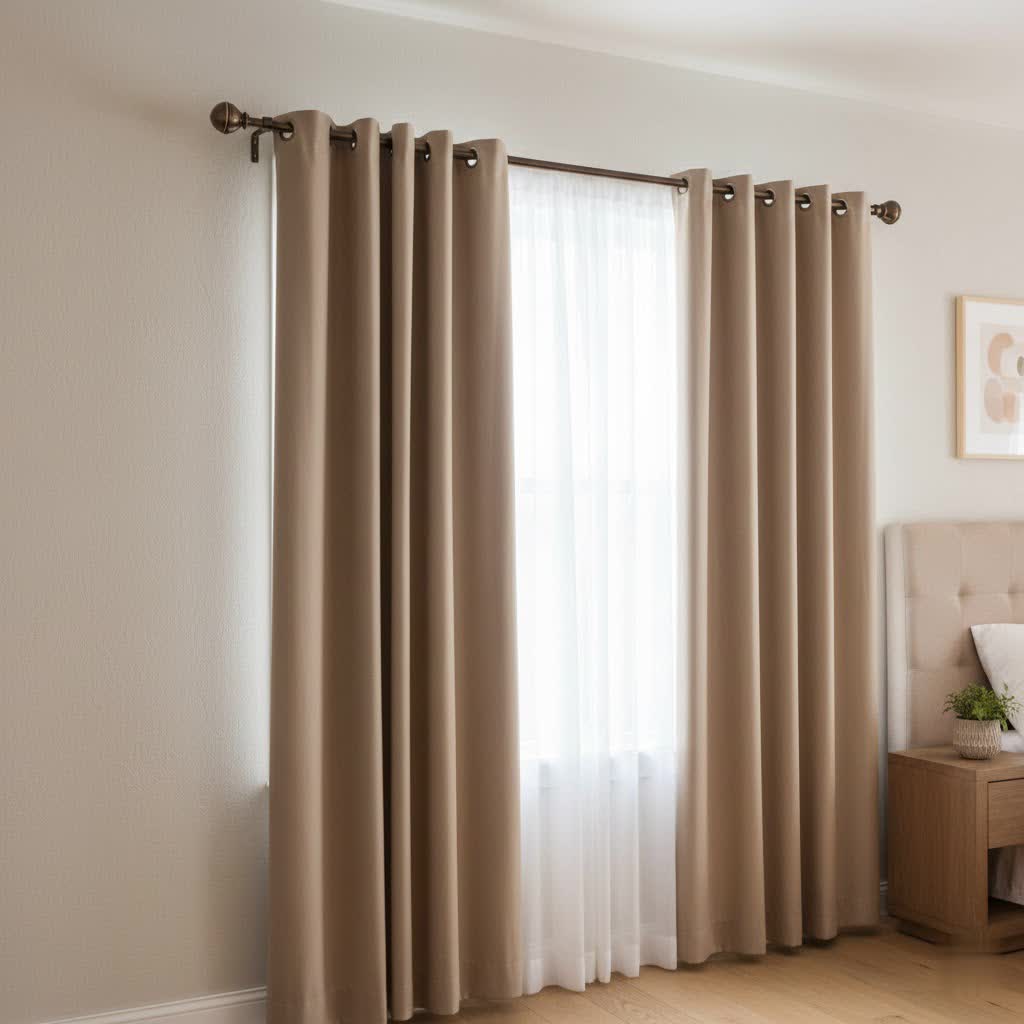
Corner curtain rods are specialized hardware designed to navigate the angles of corner or bay windows, creating a continuous and polished look for window treatments. Unlike traditional straight rods that leave unsightly gaps, these rods feature hinged joints, elbow connectors, or curved designs that allow drapes to flow uninterrupted around bends. This ensures maximum privacy, optimal light control, and a cohesive aesthetic, transforming challenging corners into stunning focal points in any room.
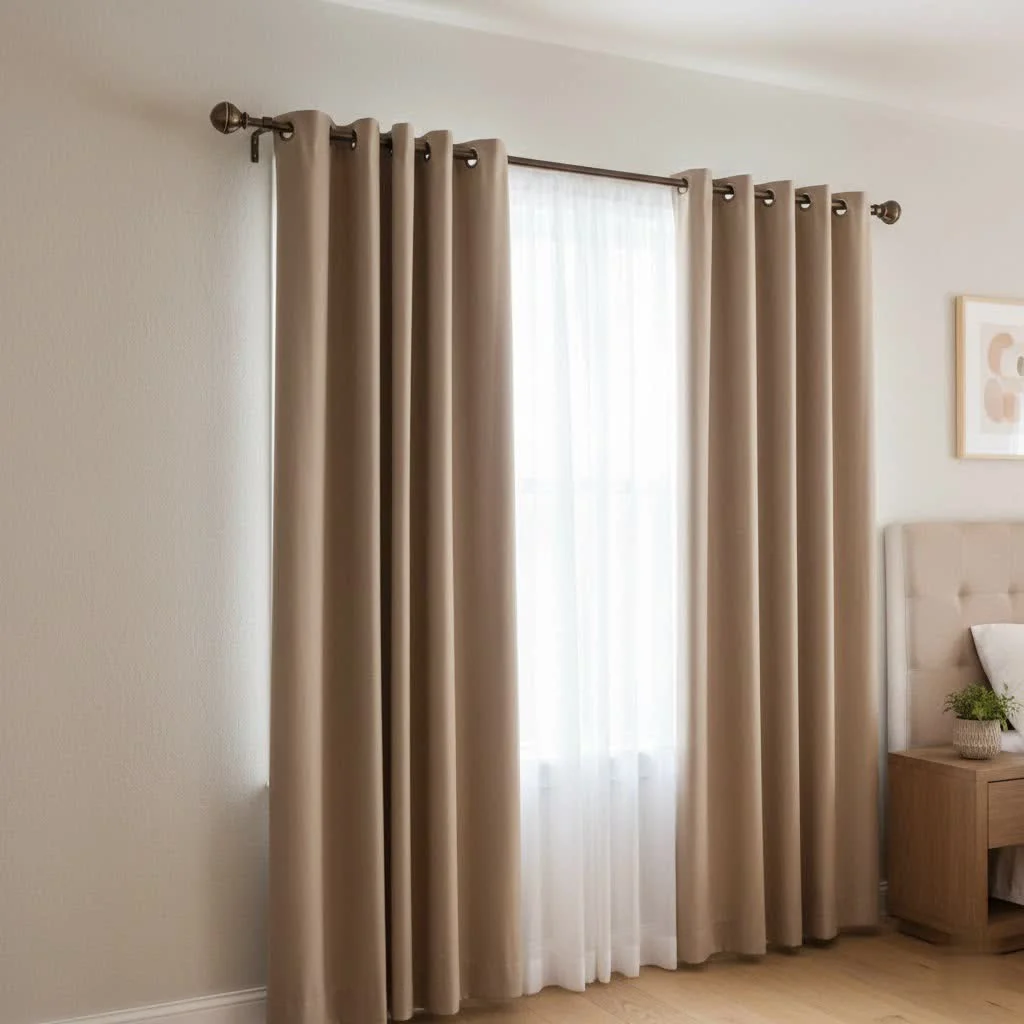
Understanding Corner Curtain Rods
What exactly makes a corner curtain rod special? Unlike their straight counterparts, these specialized rods are engineered to navigate the angles of corner or bay windows, creating a continuous and polished look. They effectively eliminate the awkward gaps that typically occur with standard rods, allowing your drapes to flow uninterrupted around the bend. This design ingenuity is crucial for achieving a cohesive aesthetic and maximizing the practical benefits of your window treatments.
Beyond aesthetics, corner curtain rods play a vital role in enhancing natural light and privacy. By seamlessly spanning the entire window configuration, they allow curtains to draw fully across the corner, preventing light leakage and ensuring complete coverage when needed. This thoughtful approach to window dressing elevates a room’s ambiance, making it feel more inviting and thoughtfully designed. The ability to control light and privacy precisely, without visual interruptions, significantly contributes to the overall comfort and functionality of your living space.
Types of Corner Curtain Rods
The market offers a diverse range of corner curtain rods, each designed to address specific window configurations and aesthetic preferences. Understanding these types is the first step toward finding your ideal solution.
Adjustable Corner Rods
Adjustable corner rods are a highly popular and versatile choice for homeowners. These rods typically feature hinged joints or elbow connectors that allow them to adapt to various corner angles, usually ranging from 90 to 180 degrees. Their inherent flexibility simplifies the installation process, as you can customize the rod to precisely match the unique measurements of your corner window. This adaptability makes them suitable for many common corner setups.
Curved Corner Rods
For those who prefer a softer, more graceful aesthetic, curved corner rods are an excellent option. Instead of sharp, angular transitions, these rods gently arc around the bend of your window, creating a fluid and sophisticated line. They are particularly well-suited for bay windows and arched corners, where their flowing design complements the architectural contours, adding a touch of elegance to the room’s decor. Curved rods offer a bespoke feel without the need for custom fabrication in many cases.
Custom Corner Rods
|
Our Picks for the Best Curtain Rod in 2026
As an Amazon Associate I earn from qualifying purchases.
|
||
| Num | Product | Action |
|---|---|---|
| 1 | Heavy Duty Curtain Rods for Windows 66 to 120 Inch, 1 Inch Gold Curtain Rod Adjustable, Decorative Long Curtains Rods with Metal Finials, Easy Installation and Modern Design (A2,Gold,30"-120") |

|
| 2 | Heavy Duty Curtain Rods for Windows 66 to 120 Inch,1 Inch Adjustable Black Curtain Rod with Easy Installation and Modern Design,Decorative Long Drapery Rods with Metal Finials (A1,Black,30-120") |
|
| 3 | Tension Curtain Rods No Drilling, Extra Long Tension Rod 41-139 Inch, Heavy Duty Shower Curtain Rod for Outdoor Patio Bathroom Windows Room Divider, Adjustable, Anti-Slip, No Rust, Black |
|
| 4 | Double Curtain Rod for Windows 66 to 120 Inches, 1 inch Heavy-Duty Adjustable Imitation Wood Farmhouse Double Curtain Rod, Boho Decorative and Wood Grain Finish, Dual Rod for Living Room and Bedroom |
|
| 5 | Curtain Rods for Windows 16 to 144 Inches Adjustable Length 1 Inch Diameter Window Curtain Rod with Aluminium Finials, Black |
|
| 6 | Wrap Around Curtain Rod Black, Adjustable Blackout Curtain Rods for Windows 48 to 84 Inch, 1" Heavy Duty Room Darkening Drapery Rod, Easy Install and Removal |
|
| 7 | Curtain Rods for windows 32-48 inch, 5/8 inch Decorative Curtain Rod Set, Matte Black Splicing Heavy Duty Metal Curtain Rod with Brackets |
|
| 8 | 1” Diameter Curtain Rods Itself is 30 to144 inch 1 Pack Fit 30-142 inch, 66 to 120 inch Window with Heavy Duty Adjustable Rod Matte Black Splicing Metal Extra Long Curtain Rod for Windows |
|
| 9 | 5/8” Diameter Curtain Rods 30-90 Inch, for 30-84 Inch Windows, Adjustable Splicing Black Curtain Rods for Windows with Brackets, Window Rod Long Small Curtains Rod |
|
| 10 | YaFex Curtain Rods 32-144 Inch, Heavy Duty 1 Inch Adjustable Curtain Rod for Windows, Black Extra Long Window Treatment Rods, Modern Design, Easy Installation |
|
When precision and a unique design are paramount, custom corner rods are the ultimate solution. These rods are made to order, allowing them to be perfectly tailored to any specific angle, length, or style requirement. Whether your vision involves a minimalist design that integrates flawlessly into the architecture or a grand, ornate statement piece, a custom option ensures an impeccable fit and finish that harmonizes with your unique space and design aspirations. While a larger investment, they deliver unmatched integration.
Corner Curtain Track Systems
For a sleek, contemporary look and exceptional functionality, corner curtain track systems provide an alternative to traditional rods. These systems are designed to fit seamlessly into corner applications, allowing curtains to glide smoothly along a continuous track, even around bends. Track systems are particularly effective in rooms with lower ceilings, as they can be mounted flush with the ceiling or recessed, creating an illusion of height and a clean, uncluttered appearance by hiding the hardware. They are ideal for modern interiors where a minimalist aesthetic is desired.
Materials for Corner Curtain Rods: A Comparative Review
The material of your corner curtain rod plays a significant role in its durability, aesthetic appeal, and overall cost. Selecting the right material ensures your window treatment complements your interior design while standing the test of time.
Metal
Metal corner curtain rods, often crafted from steel, iron, brass, or nickel, are prized for their strength and contemporary appeal. Steel and iron rods offer exceptional durability and can support heavier drapes without sagging, making them a practical choice for functional elegance. Finishes like brushed nickel, matte black, or bronze provide a sleek, modern look that easily integrates into various decor styles. While generally more expensive than plastic, metal rods offer a long-lasting investment.
Wood
Wood corner curtain rods evoke a classic, warm, and often rustic charm. Available in various stains and finishes, from light natural tones to rich, dark hues, they can perfectly match existing wooden furniture or flooring. Wood rods are sturdy and can support moderately heavy curtains, adding a touch of traditional elegance or farmhouse chic to a room. Their natural texture introduces an organic element, creating a cozy and inviting atmosphere.
Other Materials and Considerations
While metal and wood are dominant, other materials like plastic or composite options are available, typically offering more budget-friendly solutions. However, these may not provide the same level of durability or support for heavy drapes, often being more prone to bending or breakage over time. When choosing any material, consider its resilience to daily use, how well it complements your room’s existing palette and textures, and the weight of the curtains you intend to hang. A thicker rod is generally recommended for heavier draperies to prevent bowing.
Sizing and Expert Installation of Corner Curtain Rods
Proper sizing and installation are critical for both the functionality and aesthetic appeal of your corner curtain rod. A well-installed rod enhances your windows, while a poorly installed one can detract from your entire room.
Measuring Your Corner Windows
Begin by accurately measuring the width of each window segment in your corner. This foundational measurement will determine the length of the individual rod pieces you’ll need. A crucial design principle is to ensure your curtain rod extends beyond the window frame. Aim for the rod to stretch approximately 6 to 12 inches past the window frame on each side. This strategic extension allows curtains to be pulled back completely, maximizing natural light and making the window appear larger than its actual dimensions.
Next, consider the hanging height. Ideally, your curtain rod should be positioned roughly two-thirds of the distance between the top of your window frame and the ceiling. For rooms with standard 8-foot ceilings, mounting the rod as close to the ceiling as possible can create an illusion of greater height and vertical space, enhancing the room’s perceived grandeur. Ensure your measurements account for these extensions and height, allowing your curtains to just “kiss” the floor for a polished look.
Pre-Installation Tips and Essential Tools
Before you begin drilling, gather all necessary tools and prepare your wall. Essential tools include safety glasses, a sturdy ladder, a laser level for precise alignment, a measuring tape, a pencil for marking, a battery-powered screw gun or drill/driver, a hammer, and appropriate drill bits. Crucially, invest in a stud finder to locate wall studs. Attaching brackets directly into studs provides the most secure mounting, preventing sagging or detachment over time. If studs aren’t available at your desired mounting points, use robust wall anchors designed to support the combined weight of your rod and curtains.
Step-by-Step Installation
- Mark Mounting Points: Using your measurements and a laser level, carefully mark the exact locations for your brackets on the wall. Ensure all marks are perfectly level across the window opening for a uniform curtain line.
- Install Brackets: Drill pilot holes at your marked points. If drilling into studs, a smaller pilot hole is sufficient. For drywall, insert appropriate wall anchors before securing the brackets with screws. Ensure each bracket is mounted securely, as they will bear the entire weight of your window treatment.
- Assemble and Connect Rods: If your corner rod comes in multiple segments, assemble them according to the manufacturer’s instructions. For corner or bay window setups, utilize the specialized connectors (swivel sockets or elbow joints) to join the rod pieces at the appropriate angle. Loosen any tightening screws on the connector, adjust the angle to fit your corner, and then secure the screws to lock the angle in place.
- Hang Curtains and Install Finials: Before mounting the entire assembly, slide your curtain panels or rings onto the rod. Then, fit the assembled rod into the installed brackets. Tighten any adjustment screws on the brackets to secure the rod firmly. Finally, install the decorative finials onto the ends of the rod, providing a finished and polished appearance. Adjust your curtain panels so they hang evenly and smoothly around the corner, achieving a seamless transition.
Crucial Installation Nuances
One vital tip for corner curtain rod installation is to avoid mounting brackets on both sides of a direct corner or angle. This allows the curtains to slide smoothly around the bend without obstruction. Instead, place a bracket on one side of the angle, and let the rod extend to meet the next segment at the corner, connected by a swivel or elbow joint. For very long individual rod segments, incorporate a center support bracket to prevent bowing and ensure the rod maintains its integrity under the weight of the drapes. careful planning and attention to detail during installation will ensure a beautiful and functional corner window treatment.
Comparison Table: Popular Corner Curtain Rod Types
| Feature | Adjustable Corner Rod | Curved Corner Rod | Corner Curtain Track System |
|---|---|---|---|
| Pros | Flexible for various angles, easy installation, wide availability. | Soft, elegant aesthetic, ideal for bay/arched windows, continuous flow. | Modern, minimalist look, smooth operation, hides hardware, good for low ceilings. |
| Cons | May have visible joints, less seamless than custom, can appear less substantial. | Less versatile for sharp 90-degree corners, can be harder to customize length. | May require professional installation, specific curtain headers needed (e.g., ripplefold), higher initial cost. |
| Best For | Common corner windows, DIY projects, budget-conscious decorators. | Bay windows, arched windows, sophisticated designs, flowing drapes. | Contemporary homes, blackout curtains, maximizing perceived ceiling height, seamless movement. |
Styling Your Corner Windows: Design Tips and Trends
Corner windows offer a fantastic opportunity to showcase your design prowess. With the right corner curtain rod and thoughtful styling, you can transform these unique architectural features into true show-stoppers.
Layered Looks for Depth and Function
A corner window provides an excellent canvas for creating a sophisticated layered look. Start with sheer curtains as your inner layer to softly diffuse natural light while maintaining a degree of privacy. On the outer layer, introduce heavier drapes to provide full light blockage and enhanced privacy when desired. This combination adds significant depth and luxurious texture to your window treatments, creating a dynamic and visually rich focal point in the room.
Decorative Finials: The Finishing Touch
Never underestimate the power of decorative finials to inject personality and style into your window treatments. These end caps for your curtain rod can range from sleek and minimalistic to ornate and elaborate, instantly reflecting your room’s aesthetic. Choose shapes, finishes, or themes that perfectly match your decor—whether you’re aiming for a modern, vintage, or classic look. Finials are like jewelry for your windows, drawing the eye and completing the design.
Coordinating Colors and Mixing Textures
Thoughtful color coordination is key to a harmonious space. Select drapes that complement your wall color, furniture, or accent pieces to seamlessly tie the entire room together. For instance, in a bedroom with warm neutral tones, a contrasting hue for your curtains can create a subtle yet impactful focal point around the window. Alternatively, choose a bold color to infuse a vibrant pop of personality. Don’t shy away from mixing textures, either; velvet panels paired with linen sheers can create a captivating visual contrast, accentuating the depth of your corner window while maintaining a cohesive and stylish appearance.
Latest Design Trends for Corner Windows
Current trends in corner window styling lean towards clean lines, smart functionality, and a blend of natural and sophisticated materials. Blackout capabilities are highly sought after, often achieved with wrap-around rods or track systems that eliminate light gaps. Motorized track systems offer ultimate convenience for effortless operation. In terms of aesthetics, metallic finishes like brushed brass or matte black remain popular, alongside the timeless appeal of rich wood tones, reflecting a desire for both modern flair and enduring elegance.
The Ultimate Buying Guide for Corner Curtain Rods
Choosing the perfect corner curtain rod requires careful consideration of several factors to ensure it meets both your aesthetic desires and functional needs.
Key Factors to Consider
Material and Durability: As discussed, material directly impacts both the look and lifespan of your rod. Metal offers modern appeal and strength for heavy drapes, while wood provides classic warmth. Assess the weight of your curtains; heavier fabrics demand a sturdier, larger-diameter rod to prevent sagging over time.
Size and Adjustability: Measure your window carefully, ing the recommended 6-12 inch extension beyond the frame on each side. If your corner isn’t a perfect 90-degree angle, an adjustable rod with hinged or swivel connectors will offer the necessary flexibility. For unique angles or a truly custom look, consider made-to-order options.
Style and Aesthetic: The rod should complement your room’s overall design. Match the finish and finial style to your existing hardware, furniture, or general decor theme. A modern room might benefit from sleek metal rods with minimalist finials, while a traditional space could be enhanced by ornate wood or decorative metal designs.
Weight Capacity: This is critical. Check the product specifications for the rod’s maximum weight capacity, especially if you plan to hang heavy blackout curtains or multiple layers of fabric. Insufficient weight capacity will lead to sagging and potential damage.
Where to Purchase Corner Curtain Rods
You can find corner curtain rods at various retailers. Home improvement stores and larger department stores often carry a range of adjustable options. For more specialized or custom solutions, dedicated drapery hardware stores, specialty online retailers, or even artisan craft shops are excellent resources. Shopping online provides a broader selection, but be sure to verify measurements and return policies.
Performing a Quality Check
When purchasing, inspect the rod components closely. Look for sturdy construction, smooth finishes, and robust connectors. Avoid cheap telescoping rods for heavy drapes, as their inherent design makes them prone to sagging at the joint. Ensure all mounting hardware (brackets, screws, anchors) is included and of good quality. A high-quality corner curtain rod should feel substantial and well-engineered, promising years of reliable performance and enduring style. Don’t hesitate to ask for samples or detailed product images if shopping online.
Conclusion
Navigating the nuances of corner windows can seem daunting, but with the right corner curtain rod, you can transform these challenging spaces into elegant focal points. We’ve explored the diverse types, from versatile adjustable rods to sleek track systems, along with the importance of materials, precise sizing, and expert installation. a well-chosen corner curtain rod doesn’t just hold your curtains; it completes your room’s aesthetic, enhances privacy, and optimizes natural light.
By considering factors like material durability, appropriate sizing, and a style that harmonizes with your decor, you’re well-equipped to make an informed decision. Don’t compromise on quality or functionality when dressing your angled windows. The perfect corner curtain rod awaits, ready to improve your home.
What unique challenges have you faced with corner windows in your home, and how do you envision solving them?
Frequently Asked Questions
Frequently Asked Questions
Can you use a regular curtain rod on a corner window?
No, using regular straight curtain rods on a corner window is generally not recommended because they will leave noticeable gaps at the corner. These gaps interrupt the continuous flow of your curtains and compromise privacy and light control. Dedicated corner curtain rods or specialized connectors are designed to provide a seamless and aesthetically pleasing solution for angled windows.
How do you connect two curtain rods at a corner?
Two curtain rods can be connected at a corner using specialized hardware such as swivel sockets, elbow connectors, or hinged joints. These connectors allow the rods to be joined at various angles, typically ranging from 90 to 180 degrees, creating a continuous track for your curtains to smoothly wrap around the corner without interruption.
How far should a corner curtain rod extend past the window?
For optimal aesthetics and functionality, a corner curtain rod should extend approximately 6 to 12 inches past the window frame on each side. This strategic extension allows the curtains to be fully drawn back from the window, maximizing natural light exposure and making the window appear larger than its actual dimensions.
What kind of curtains work best with corner rods?
Most curtain styles can work with corner rods, but those that easily glide, such as grommet-top, ring-clip, or back-tab curtains, are ideal for smooth movement around the corner connectors. For track systems, specific headers like ripplefold or curtains with drapery pins are often required. The key is ensuring your chosen curtain style does not snag or get caught at the rod's connecting points.
What materials are best for durable corner curtain rods?
Metal (steel, iron, brass, nickel) and wood are the best materials for durable corner curtain rods. Metal rods offer exceptional strength for heavier drapes and a modern aesthetic, while wood rods provide classic warmth and can support moderately heavy curtains. Both materials offer long-lasting investment compared to plastic or composite options.
How to Install Corner Curtain Rods
Installing corner curtain rods correctly ensures both functionality and aesthetic appeal for your angled windows. This procedure covers measuring, preparing, and mounting your rods for a polished look.
Begin by measuring the width of each window segment in your corner. Ensure the rod extends 6 to 12 inches past the window frame on each side to maximize light and make the window appear larger. Position the rod roughly two-thirds of the distance between the top of your window frame and the ceiling for an illusion of height.
Collect essential tools including a laser level, measuring tape, drill, and stud finder. Use the stud finder to locate wall studs for secure bracket attachment. If studs are unavailable, use robust wall anchors designed to support the combined weight of your rod and curtains.
Mark precise mounting points using your measurements and laser level, then drill pilot holes and securely install the brackets. Assemble the corner rod segments according to manufacturer instructions, using specialized connectors (swivel sockets or elbow joints) to join pieces at the correct angle. Tighten all screws to lock the angle in place.
Slide your curtain panels or rings onto the assembled rod before mounting the entire assembly into the installed brackets. Tighten any adjustment screws on the brackets to firmly secure the rod. Finally, install decorative finials onto the rod ends for a finished appearance and adjust curtains for a smooth, even hang around the corner.
Get our weekly buyer guide
Practical specs, not advice. Unsubscribe anytime.

I tried one of the elbow connector rods for my L-shaped window. While it does solve the gap problem, getting the angle just right was a bit fiddly. It took some adjusting to make sure the drapes moved smoothly without snagging at the joint. It works, but the installation wasn’t as seamless as I hoped.
I finally tackled my bay window with one of the hinged joint rods mentioned here, and it looks fantastic! I was so tired of those gaps with my old setup. The continuous flow of the drapes really makes the room feel more put together and I’m getting much better light control now. Definitely a game-changer for tricky corners.
I appreciated the breakdown of different corner rod types. I ended up going with a curved design for my living room, and it was surprisingly easy to install. My only minor complaint is that the finials I wanted weren’t available in the same finish, but the rod itself is solid and does exactly what it’s supposed to do. No more light peeking through the corner!
My old apartment had a really awkward corner window, and I wish I’d known about these specialized rods back then! For my new place, I used a continuous rod with a gentle curve, and it looks so elegant. It really does create that polished, uninterrupted look for the drapes. Great for maximizing privacy too.