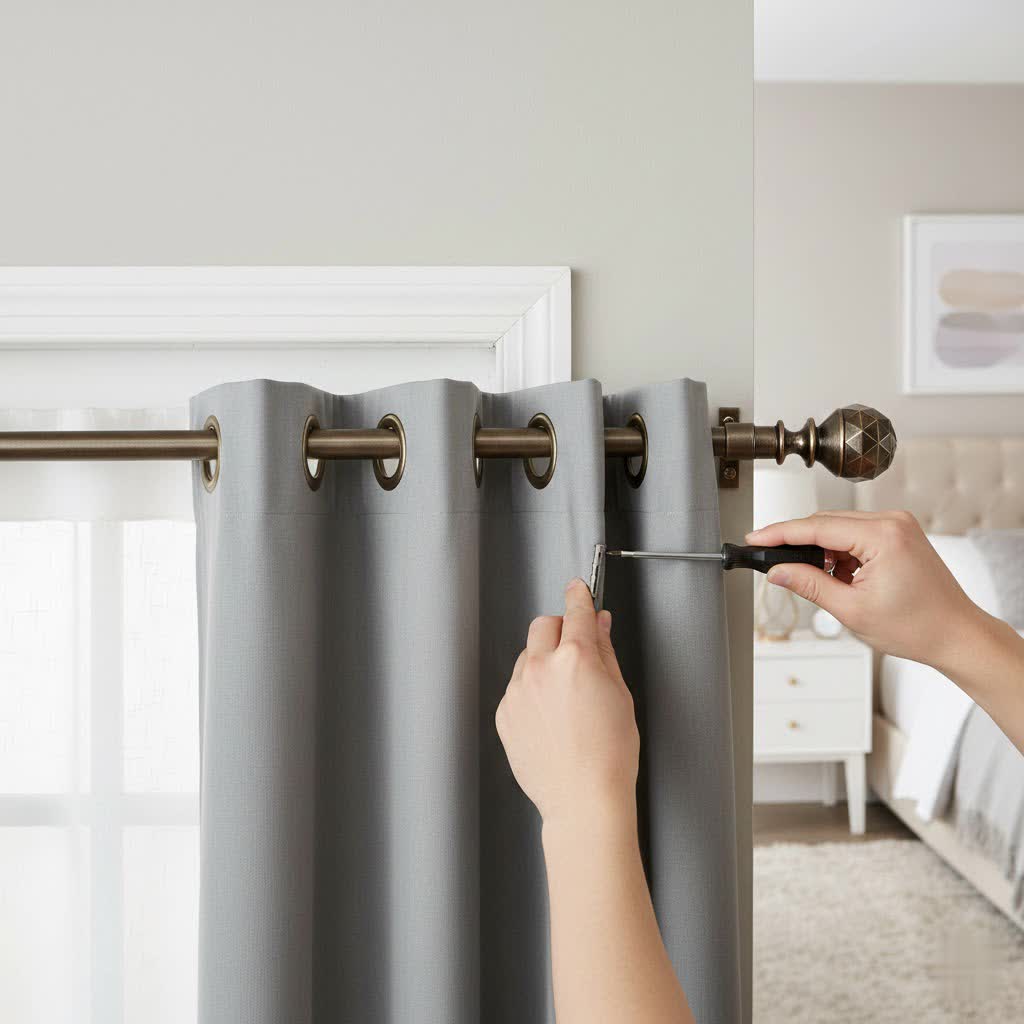
The humble shower curtain rod is often overlooked, yet it plays a pivotal role in the functionality and aesthetic appeal of your bathroom. Far more than just a holder for your shower curtain, the right rod can transform a cramped shower into a spacious sanctuary, influence your bathroom’s style, and offer long-lasting durability. With countless options available, finding the ideal shower curtain rod can seem daunting, but understanding the different types, materials, and installation methods will empower you to make a choice that perfectly complements your space and lifestyle.
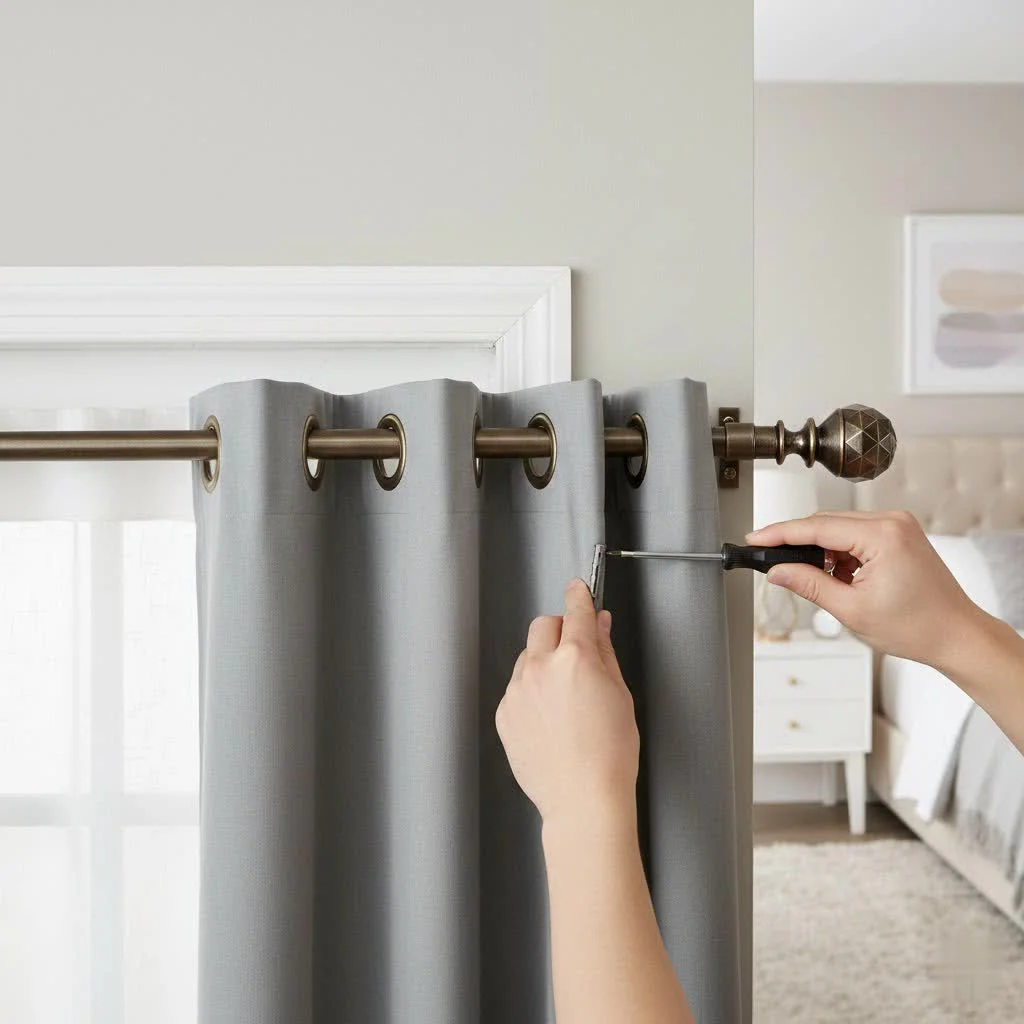
Essential Shower Curtain Rod Types
Shower curtain rods come in a variety of designs, each offering unique advantages and catering to different needs and bathroom layouts. Knowing these distinctions is the first step toward selecting your perfect match.
Tension Rods
Tension rods are incredibly popular for their ease of installation, requiring no drilling or permanent fixtures. They work by using an internal spring mechanism that expands the rod to create pressure against opposing walls, holding it securely in place.
- Pros: Easy, no-drill installation, making them ideal for renters or those who prefer not to damage walls. They are highly adjustable and can be easily removed or repositioned.
- Cons: Generally less stable than fixed-mount options and may not reliably support heavier shower curtains or accessories. They can also slip or fall if not installed correctly or if subjected to significant tugging.
Fixed-Mount Rods
Permanent, or fixed-mount, shower rods are secured to the wall with screws and brackets, offering superior stability and weight-bearing capacity.
- Pros: Provide a sturdy and reliable solution, capable of holding heavy curtains and often lasting for years without issues. They offer a more polished and permanent look for your bathroom.
- Cons: Require drilling into walls, which can be a more involved installation process and less appealing for renters. Removal can leave holes that need patching.
Straight Rods
The classic choice, straight shower rods run in a direct line across the shower or bathtub opening.
- Pros: Simple, classic design that fits well with most bathroom styles. They are space-saving within the overall bathroom layout, as they don’t extend outward. Often more affordable and straightforward to install.
- Cons: Can create a cramped feeling inside the shower, as the curtain hangs close to the body, leading to the dreaded “curtain cling.”
Curved Rods
Curved shower rods bow outward into the bathroom space, creating an arc that pushes the shower curtain away from the bather.
- Pros: Significantly increase elbow room and shower space within the enclosure, providing a more comfortable and luxurious showering experience. They help prevent curtain cling and can enhance the visual appeal of your bathroom with a modern, elegant touch.
- Cons: Take up more space in the bathroom itself, which might be a consideration in very small bathrooms. Installation can be more challenging and typically requires permanent mounting, and they usually come at a higher cost than straight rods.
Double Rods
|
Our Picks for the Best Curtain Rod in 2026
As an Amazon Associate I earn from qualifying purchases.
|
||
| Num | Product | Action |
|---|---|---|
| 1 | Curtain Rods for windows 32-48 inch, 5/8 inch Decorative Curtain Rod Set, Matte Black Splicing Heavy Duty Metal Curtain Rod with Brackets |

|
| 2 | 5/8” Diameter Curtain Rods 30-90 Inch, for 30-84 Inch Windows, Adjustable Splicing Black Curtain Rods for Windows with Brackets, Window Rod Long Small Curtains Rod |
|
| 3 | YaFex Curtain Rods 32-144 Inch, Heavy Duty 1 Inch Adjustable Curtain Rod for Windows, Black Extra Long Window Treatment Rods, Modern Design, Easy Installation |
|
| 4 | Heavy Duty Curtain Rods for Windows 66 to 120 Inch,1 Inch Adjustable Black Curtain Rod with Easy Installation and Modern Design,Decorative Long Drapery Rods with Metal Finials (A1,Black,30-120") |
|
| 5 | Wrap Around Curtain Rod Black, Adjustable Blackout Curtain Rods for Windows 48 to 84 Inch, 1" Heavy Duty Room Darkening Drapery Rod, Easy Install and Removal |
|
| 6 | 1” Diameter Curtain Rods Itself is 30 to144 inch 1 Pack Fit 30-142 inch, 66 to 120 inch Window with Heavy Duty Adjustable Rod Matte Black Splicing Metal Extra Long Curtain Rod for Windows |
|
| 7 | Heavy Duty Curtain Rods for Windows 66 to 120 Inch, 1 Inch Gold Curtain Rod Adjustable, Decorative Long Curtains Rods with Metal Finials, Easy Installation and Modern Design (A2,Gold,30"-120") |
|
| 8 | Tension Curtain Rods No Drilling, Extra Long Tension Rod 41-139 Inch, Heavy Duty Shower Curtain Rod for Outdoor Patio Bathroom Windows Room Divider, Adjustable, Anti-Slip, No Rust, Black |
|
| 9 | Double Curtain Rod for Windows 66 to 120 Inches, 1 inch Heavy-Duty Adjustable Imitation Wood Farmhouse Double Curtain Rod, Boho Decorative and Wood Grain Finish, Dual Rod for Living Room and Bedroom |
|
| 10 | Curtain Rods for Windows 16 to 144 Inches Adjustable Length 1 Inch Diameter Window Curtain Rod with Aluminium Finials, Black |
|
A double shower curtain rod features two parallel rods, offering enhanced functionality for your showering area.
- Pros: Perfect for separating a decorative outer curtain from an inner liner, making it easy to clean or replace the liner without disturbing the main curtain. They also provide extra hanging space for towels, loofahs, or delicate items to dry.
- Cons: Can be bulkier in appearance and may require more robust mounting than a single rod.
Specialty Rods: L-shaped, U-shaped, and Ceiling-Mounted
For unique bathroom layouts or specific design preferences, specialty rods provide tailored solutions.
- L-shaped and U-shaped rods are designed for corner showers or clawfoot tubs, providing full enclosure. They offer broad coverage and define the showering area effectively.
- Ceiling-mounted rods attach directly to the ceiling, creating an open and airy feel, often used with freestanding tubs or walk-in showers for a minimalist look. These typically require advanced installation.
Shower Curtain Rod Materials: Durability Meets Design
The material of your shower curtain rod significantly impacts its longevity, resistance to moisture, and overall aesthetic. Choosing wisely ensures your rod withstands the humid bathroom environment and complements your decor.
Stainless Steel
Stainless steel is a top-tier choice for shower curtain rods due to its exceptional properties. It is highly resistant to rust and corrosion, making it perfect for the constantly wet environment of a bathroom.
- Pros: Extremely durable and can support heavy curtains without sagging. Offers a sleek, modern, and high-end look that complements various bathroom styles.
- Cons: Often more expensive than other materials.
Aluminum
Aluminum rods are a popular alternative, valued for their combination of lightness and rust resistance. Many aluminum rods are specifically marketed as “NeverRust” options due to their inherent qualities or protective coatings.
- Pros: Lightweight, making installation easier, especially for tension rods. Naturally resistant to rust and corrosion in humid conditions. Offers a good balance of durability and affordability.
- Cons: May not be as robust as stainless steel for extremely heavy curtains over long periods.
Other Metals (e.g., Iron or Steel)
While stainless steel and aluminum are common, other metals like iron or steel can be used. However, they require specific finishes to thrive in a bathroom.
- Pros: Can be very strong and resilient, capable of supporting substantial weight. Available in various finishes like chrome, brushed nickel, oil-rubbed bronze, or matte black, offering diverse stylistic options.
- Cons: Unless properly treated or coated with a rust-resistant finish, these metals can be prone to rust and corrosion, leading to unsightly stains and reduced lifespan in a humid environment.
Plastic
Plastic shower curtain rods are often the most budget-friendly option, providing a quick and easy solution.
- Pros: Inexpensive and lightweight, making them simple to install, particularly as tension rods. Available in a wide array of colors and styles.
- Cons: Least durable material, prone to cracking, breaking, or sagging under the weight of heavier curtains. Their lifespan in a humid environment is generally shorter, making them a less sustainable choice.
Wood
For a touch of warmth and natural elegance, wood shower curtain rods can be a distinctive choice.
- Pros: Offers a unique aesthetic and warmth that can complement rustic, traditional, or even certain modern bathroom designs.
- Cons: Requires special treatment to withstand the high humidity of a bathroom, as untreated wood can warp, crack, or grow mold. Maintenance can be higher to preserve its appearance and integrity.
Sizing and Installing Your Shower Curtain Rod
Proper sizing and installation are crucial for both the functionality and safety of your shower curtain rod. A poorly installed rod can sag, fall, or even damage your walls.
Measuring for the Right Fit
Before purchasing, accurate measurements are key:
- Measure the width: Measure the distance between the two walls where the rod will be installed. For tension rods, ensure your chosen rod’s adjustable range comfortably spans this width. For fixed-mount rods, buy one that matches your measurement or can be cut to size.
- Determine the height: Standard shower curtain rods are typically installed about 74 inches (188 cm) from the floor of the shower or tub. This height allows most standard 72-inch shower curtains to hang properly, clearing the floor by an inch or two to prevent mold and mildew. For curved rods, measure this height at the point where the rod will mount.
Installation Steps for Fixed-Mount Rods
While specific instructions vary by product, a general guide for wall-mounted rods includes:
- Gather Tools: You’ll typically need a tape measure, pencil, level, drill, drill bits, drywall anchors (if not drilling into studs), and a screwdriver.
- Mark the Wall: Hold one end of the rod’s mounting bracket or flange against the wall at your desired height. Use a level to ensure the placement is straight. Mark the screw holes with a pencil. Repeat on the opposite wall, ensuring both marks are perfectly level and at the same height.
- Check for Safety: Before drilling, use a stud finder or wire detector to ensure no electrical wires or plumbing pipes are behind your marked spots.
- Drill Holes and Install Anchors: Drill pilot holes at your marked spots. If drilling into drywall without a stud, insert appropriate drywall anchors with a hammer until flush with the wall.
- Secure Brackets/Flanges: Position the mounting brackets or flanges over the holes and screw them securely into the wall or anchors.
- Attach the Rod: Insert the shower curtain rod into the secured brackets. Many fixed-mount rods have decorative covers that slide over the brackets to conceal the screws for a cleaner look. Ensure the rod is firmly seated and stable.
Installing a Tension Rod
Tension rods are much simpler to install:
- Adjust Length: Twist and extend the rod until it is slightly longer than the distance between the walls.
- Position and Twist: Place one end against the wall, then compress the rod and fit the other end against the opposite wall. Twist the rod further until it expands and creates enough tension to hold itself firmly in place.
- Test Stability: Give the rod a gentle tug to ensure it is secure and won’t slip down. Many tension rods include rubber grips on their ends to enhance stability.
- Safety Tip: Always double-check the stability of your rod, especially if children or pets might interact with the shower curtain. A falling rod can be a safety hazard.
Choosing the Ideal Shower Curtain Rod for Your Bathroom Style
The right shower curtain rod acts as a subtle design element, enhancing your bathroom’s overall aesthetic. Consider these tips to seamlessly integrate your rod with your interior style.
Bathroom Size and Layout
- Small Bathrooms: A straight tension rod keeps the overall footprint minimal, preserving valuable open space.
- Larger Bathrooms: A curved rod can be a luxurious addition, creating a more expansive shower feel without making the entire room feel cluttered. For corner showers or freestanding tubs, consider L-shaped, U-shaped, or ceiling-mounted rods to define the space elegantly.
Aesthetic Harmony
The finish and design of your shower curtain rod should complement your existing bathroom fixtures (faucets, towel bars) and overall decor.
- Modern Bathrooms: Opt for sleek, minimalist rods in brushed nickel, polished chrome, or matte black. Curved designs can add a contemporary flair.
- Traditional Bathrooms: Look for classic finishes like oil-rubbed bronze, polished brass, or brushed gold. Decorative finials on fixed-mount rods can enhance a vintage look.
- Rustic or Farmhouse Styles: A wood-grain finish (if treated) or a simple matte black rod can perfectly match natural textures and materials.
Functionality Needs
Consider how you use your shower space daily.
- Extra Hanging: If you need space for drying towels or additional items, a double shower curtain rod is invaluable.
- Easy Maintenance: Rods with rust-resistant finishes (like stainless steel or aluminum) will maintain their appearance longer and require less upkeep.
Your Ultimate Shower Curtain Rod Buying Guide
Making an informed decision about your shower curtain rod means considering a few crucial factors beyond just looks.
Key Factors to Consider
- Material: Prioritize stainless steel or aluminum for superior rust resistance and durability in humid environments. Avoid plastic if you need longevity or support for heavy curtains.
- Installation Type: Choose tension rods for ease and flexibility (especially for renters) or fixed-mount rods for maximum stability and a permanent solution.
- Length and Adjustability: Ensure the rod’s dimensions match your shower opening, allowing for proper curtain hang. Adjustable rods offer versatility.
- Weight Capacity: If you plan to hang heavy, weighted shower curtains or a double setup, check the manufacturer’s specifications for weight limits to prevent sagging. Fixed-mount rods generally handle more weight.
- Style and Finish: Select a finish (chrome, brushed nickel, matte black, oil-rubbed bronze) and shape (straight, curved) that harmonizes with your bathroom’s existing decor and fixtures.
- Budget: Prices vary significantly by material, type, and brand. Plastic rods are the cheapest, while high-quality stainless steel or specialty rods will be a greater investment.
Where to Buy
You can find shower curtain rods at:
- Home Improvement Stores: (e.g., Home Depot, Lowe’s) Offer a wide selection of types, materials, and brands.
- Department Stores: Good for basic tension rods and decorative options.
- Online Retailers: (e.g., Amazon, Wayfair) Provide an extensive range, often with customer reviews and competitive pricing.
- Specialty Bath Shops: May offer unique designs and high-end materials.
How to Check Quality
When examining a rod, look for:
- Sturdy Construction: The rod should feel solid, without excessive flex, especially if it’s a tension rod.
- Smooth Finish: Check for consistent coating, no chips, scratches, or rough edges, which can indicate poor quality and potential for rust.
- Secure Mounting Hardware: For fixed-mount rods, ensure brackets and screws appear robust. For tension rods, check the quality of the rubber ends for good grip.
“A well-chosen shower curtain rod is more than just a functional item; it’s a foundation for comfort and style in your personal sanctuary, setting the tone for your entire bathroom.”
Conclusion
The right shower curtain rod is an unsung hero of your bathroom, silently contributing to both its functionality and its overall appeal. From the no-fuss convenience of a tension rod to the expansive luxury of a curved, fixed-mount design, understanding the diverse types, durable materials, and proper installation techniques empowers you to make an informed choice. Opting for rust-resistant materials like stainless steel or aluminum ensures longevity, while selecting a style that complements your existing decor elevates your bathroom from merely functional to truly inviting.
By carefully considering your space, aesthetic preferences, and practical needs, you can select a shower curtain rod that not only keeps your curtain securely in place but also enhances your daily routine and transforms your bathroom into a more comfortable and stylish retreat. What small change will you make to improve your shower experience today?
Frequently Asked Questions
How high should a shower curtain rod be installed?
Generally, a shower curtain rod should be installed about 74 inches (approximately 188 cm) from the floor of the shower or bathtub. This height ensures that a standard 72-inch shower curtain will hang just above the floor, preventing water from splashing out while also allowing for proper drying and avoiding mildew growth.
Can tension rods hold heavy shower curtains?
While some tension rods are designed to be quite sturdy, they are generally best suited for lightweight to medium-weight shower curtains and liners. Very heavy or weighted curtains may cause tension rods to sag, slip, or fall. For maximum security with heavy curtains, a permanently wall-mounted rod is highly recommended.
Are curved shower rods worth it?
Many users find curved shower rods to be a worthwhile upgrade. They create a noticeable increase in “elbow room” and overall space inside the shower enclosure, preventing the curtain from clinging to your body. This can significantly enhance comfort and provide a more luxurious feel, making them a great investment if you seek a more spacious showering experience.
What materials are best for rust-proof shower curtain rods?
For excellent rust resistance in a humid bathroom environment, stainless steel and aluminum are the top material choices. Both materials are highly durable and naturally resist corrosion, ensuring your shower curtain rod maintains its appearance and functionality over time without developing unsightly rust spots.
How do I choose the right size shower curtain rod?
To choose the correct size, measure the width of your shower or tub enclosure from wall to wall. For tension rods, select one with an adjustable range that spans this measurement comfortably. For fixed-mount rods, choose a size that matches or can be trimmed to your exact width, allowing the curtain to fully cover the opening without gaps.
Can I install a shower curtain rod without drilling?
Yes, you can install a shower curtain rod without drilling by using a tension rod. These rods feature an internal spring mechanism that expands to create pressure against the walls, holding themselves in place. Tension rods are a popular, damage-free solution, especially suitable for renters or anyone who prefers a non-permanent installation.
Get our weekly buyer guide
Practical specs, not advice. Unsubscribe anytime.
