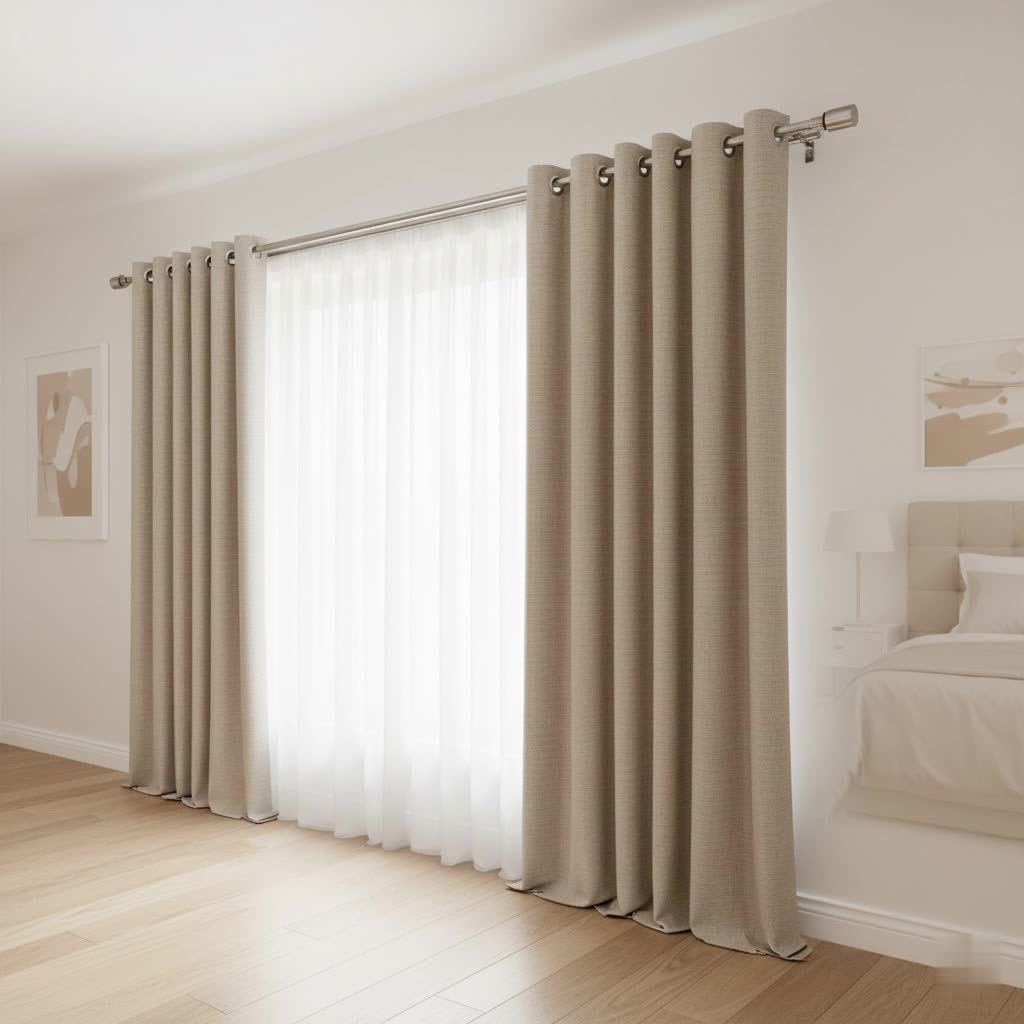
Have you ever wondered how to achieve a classic, elegant window treatment that seemingly floats without visible hardware? The answer often lies with the unassuming yet versatile rod pocket curtain rod. These essential pieces of window hardware are the unsung heroes behind many beautifully dressed windows, offering a seamless, sophisticated look that enhances any room’s decor. Whether you’re a seasoned DIY enthusiast or new to home decorating, understanding the nuances of rod pocket curtain rods—from selecting the right type and material to mastering installation—is key to transforming your living space.
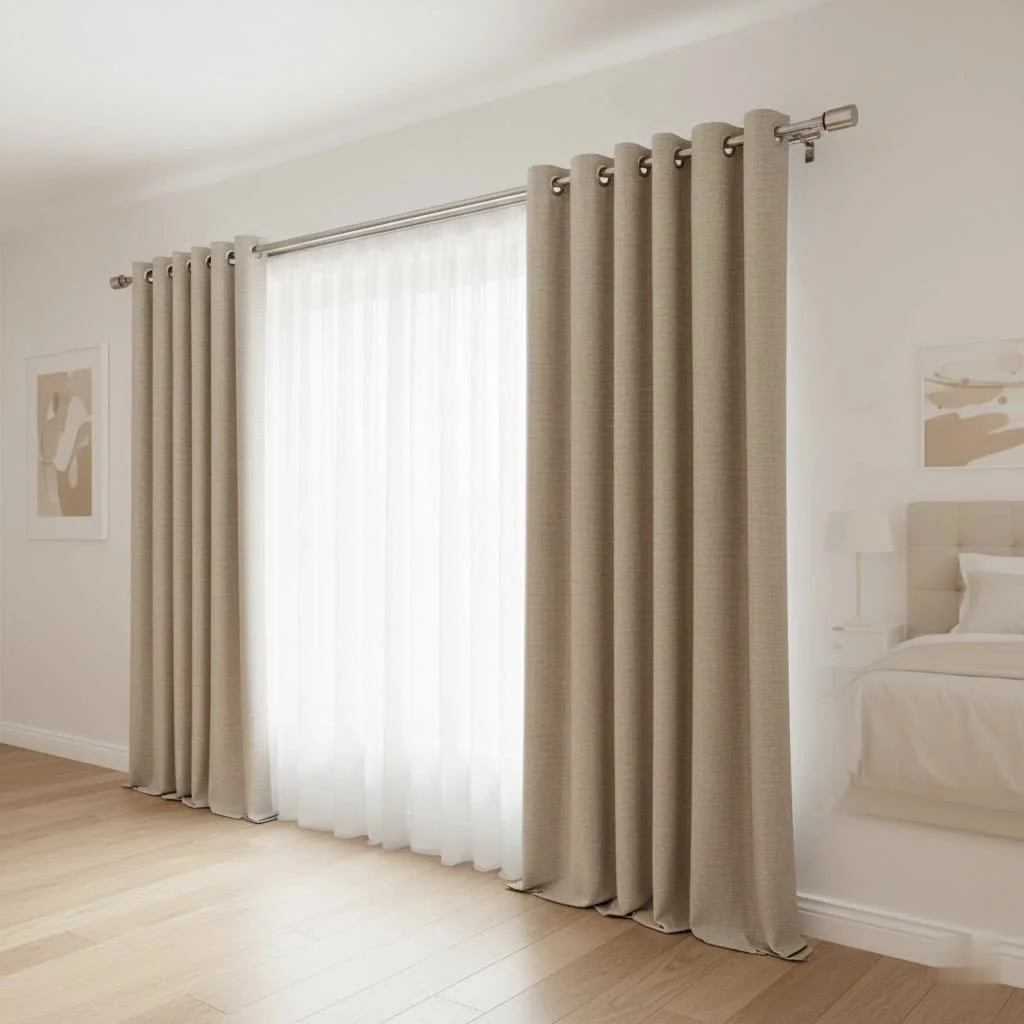
This comprehensive guide will walk you through everything you need to know about rod pocket curtain rods, helping you make informed decisions and achieve a polished, professional finish for your window treatments. We’ll examine the various types and materials available, provide detailed instructions for accurate sizing and installation, share expert styling tips, and offer a savvy shopper’s guide to ensure your curtains hang perfectly. For explore our curtain rods reviews on this site.
The Enduring Charm of Rod Pocket Curtains
Rod pocket curtains are a timeless choice, distinguished by a sewn-in channel or “pocket” at the top of the fabric. This pocket allows the curtain rod to slide directly through it, completely concealing the rod and creating a soft, gathered, or pleated look depending on the curtain’s fullness. This design inherently offers a clean, streamlined aesthetic, making the fabric the star of the show.
Choosing rod pocket curtains offers several distinct advantages. Their design ensures the rod is hidden, contributing to a minimalist and elegant appearance. They are also straightforward to hang, as they don’t require additional hardware like rings, clips, or hooks. This simplicity lends itself well to various interior styles, from traditional to contemporary, by providing a fluid and uninterrupted flow of fabric. While they might be less convenient for frequent opening and closing compared to ring or grommet curtains, their static, decorative appeal often outweighs this for many homeowners looking to add warmth and softness to a room.
Exploring Rod Pocket Curtain Rod Types and Materials
The foundation of any beautiful rod pocket curtain display is the right rod. Understanding the different types and materials available will help you select the perfect match for your curtains and interior design.
Types of Rods for Rod Pocket Curtains
While rod pocket curtains are defined by their hanging style, they can be used with several types of curtain rods:
- Decorative Single Rods: These are the most common and versatile choice. Available in countless styles, sizes, and finishes, they often feature decorative finials on either end. Rod pocket curtains simply slide onto these rods, offering a classic look that can be a focal point in itself.
- Tension Rods: An excellent no-drill option, tension rods are adjustable and stay in place by tightly fitting between two walls or inside a window frame using spring pressure. They are ideal for lightweight rod pocket curtains, smaller windows in kitchens or bathrooms, or for renters who cannot drill holes. They are simple to install and remove.
- Double Curtain Rods: For those who desire layered window treatments, a double rod system is perfect. It consists of two rods—one typically smaller for a sheer layer closer to the window, and a larger outer rod for a decorative rod pocket panel. This allows for flexible light control and added privacy.
- Concealed and Wrap-Around Rods: These rods are designed to be minimally visible or entirely hidden, enhancing the illusion of curtains floating gracefully. Wrap-around (or French) rods curve back to the wall, creating a snug fit that’s excellent for blocking out light and ideal for blackout rod pocket draperies, minimizing light gaps.
Curtain Rod Materials
The material of your curtain rod significantly impacts its durability, aesthetic, and suitability for different curtain weights:
- Metal Rods: Offering a sleek, modern, and highly durable option, metal rods come in various finishes like brass, wrought iron, brushed nickel, chrome, pewter, and silver. They are strong enough to support heavy fabrics and provide a sophisticated edge to any room.
- Wooden Rods: For a more traditional, warm, or rustic aesthetic, wooden rods are an elegant choice. They are available in solid or fluted styles and can be stained or painted to match your decor. Wooden rods are generally sturdy and can support moderately heavy curtains.
- Plastic Rods: A budget-friendly alternative, plastic rods are lightweight and easy to install. However, they are best suited for very light fabrics, as they may not offer the necessary durability or support for heavier rod pocket curtains over time.
- Lucite/Acrylic Rods: These offer a contemporary and often luxurious look, especially when accented with metal. They are typically used in modern designs and are suitable for medium-weight rod pocket curtains.
When selecting a material, consider the weight of your rod pocket curtains and the overall style of your room to ensure both functionality and aesthetic harmony.
Precision Matters: Sizing and Installing Your Rod Pocket Rods
|
Our Picks for the Best Curtain Rod in 2026
As an Amazon Associate I earn from qualifying purchases.
|
||
| Num | Product | Action |
|---|---|---|
| 1 | Heavy Duty Curtain Rods for Windows 66 to 120 Inch, 1 Inch Gold Curtain Rod Adjustable, Decorative Long Curtains Rods with Metal Finials, Easy Installation and Modern Design (A2,Gold,30"-120") |

|
| 2 | Heavy Duty Curtain Rods for Windows 66 to 120 Inch,1 Inch Adjustable Black Curtain Rod with Easy Installation and Modern Design,Decorative Long Drapery Rods with Metal Finials (A1,Black,30-120") |
|
| 3 | 1” Diameter Curtain Rods Itself is 30 to144 inch 1 Pack Fit 30-142 inch, 66 to 120 inch Window with Heavy Duty Adjustable Rod Matte Black Splicing Metal Extra Long Curtain Rod for Windows |
|
| 4 | YaFex Curtain Rods 32-144 Inch, Heavy Duty 1 Inch Adjustable Curtain Rod for Windows, Black Extra Long Window Treatment Rods, Modern Design, Easy Installation |
|
| 5 | 5/8” Diameter Curtain Rods 30-90 Inch, for 30-84 Inch Windows, Adjustable Splicing Black Curtain Rods for Windows with Brackets, Window Rod Long Small Curtains Rod |
|
| 6 | Double Curtain Rod for Windows 66 to 120 Inches, 1 inch Heavy-Duty Adjustable Imitation Wood Farmhouse Double Curtain Rod, Boho Decorative and Wood Grain Finish, Dual Rod for Living Room and Bedroom |
|
| 7 | Curtain Rods for Windows 16 to 144 Inches Adjustable Length 1 Inch Diameter Window Curtain Rod with Aluminium Finials, Black |
|
| 8 | Wrap Around Curtain Rod Black, Adjustable Blackout Curtain Rods for Windows 48 to 84 Inch, 1" Heavy Duty Room Darkening Drapery Rod, Easy Install and Removal |
|
| 9 | Curtain Rods for windows 32-48 inch, 5/8 inch Decorative Curtain Rod Set, Matte Black Splicing Heavy Duty Metal Curtain Rod with Brackets |
|
| 10 | Tension Curtain Rods No Drilling, Extra Long Tension Rod 41-139 Inch, Heavy Duty Shower Curtain Rod for Outdoor Patio Bathroom Windows Room Divider, Adjustable, Anti-Slip, No Rust, Black |
|
Proper sizing and installation are paramount to achieving a professional and elegant look for your rod pocket curtains. Incorrect measurements can lead to curtains that appear too short, don’t cover the window fully, or bunch up awkwardly.
Measuring for Success
Accurate measurements ensure your curtains hang beautifully and enhance your window’s appearance.
- Rod Diameter: This is crucial for rod pocket curtains. The rod’s diameter should ideally be slightly smaller than the pocket’s width to allow the curtain to slide smoothly and create a nice gather. For instance, a 5-inch rod pocket may comfortably fit rods up to 1 or 2 inches thick, while a 3-inch pocket typically requires a thinner rod. Always check the curtain manufacturer’s recommendations. For heavier fabrics, opt for a thicker, sturdier rod to prevent sagging.
- Rod Length (Width): A general rule of thumb is for the curtain rod to extend at least 8 to 10 inches wider than your window frame (4 to 5 inches on each side). This extra width allows your rod pocket curtain panels to be pulled back fully, exposing the entire window and maximizing natural light. Extending the rod beyond the window frame also creates the illusion of a wider window, enhancing the room’s spaciousness. For very wide windows or heavy curtains, consider installing a central support bracket to prevent the rod from bowing or sagging in the middle.
- Rod Height: Typically, curtain rods are installed about 4 inches above the window frame. However, hanging your rod pocket curtains closer to the ceiling can dramatically make the room appear taller and more grand. Consider the standard lengths of curtain panels (e.g., 84, 95, 108 inches) and how you want the fabric to meet the floor (breaking, puddling, or skimming) when determining your ideal rod height.
Step-by-Step Installation Guide
Once you have your measurements and chosen rod, follow these steps for a smooth installation:
- Gather Your Tools: You’ll need a steel measuring tape, a pencil, a drill, screws and wall anchors (if not drilling into a stud), a level, and a step ladder. Having an extra set of hands can also be helpful.
- Mark Bracket Placement: Using your measurements, mark with a pencil where each curtain rod bracket will be installed. If possible, aim to drill into wall studs for maximum stability. If studs are not available, use appropriate wall anchors to ensure a secure hold. You can create a simple cardboard template from a corner piece of cardboard to ensure level and symmetrical placement on both sides of the window.
- Drill Pilot Holes and Install Brackets: Drill pilot holes at your marked spots. Then, secure the curtain rod brackets to the wall using screws. Ensure they are firmly attached.
- Slide Curtains onto Rod: Before mounting the rod, slide your rod pocket curtain panels onto the rod. This is much easier to do while the rod is unmounted.
- Place Rod in Brackets and Level: Carefully lift the rod with the curtains already on it and set it into the installed brackets. Use a level to double-check that the rod is perfectly straight and parallel to the ceiling. Adjust if necessary.
- Styling and Adjusting: Once hung, adjust your rod pocket curtains to achieve the desired gather or pleating. Consider how the fabric falls to the floor—whether you prefer a slight “break” where the fabric gently touches, a “puddle” for a more dramatic look, or a “skim” where the hem just hovers above the floor.
to prioritize safety, especially when using a step ladder, and always double-check your measurements before drilling.
Comparison Table: Choosing the Right Rod for Your Rod Pocket Curtains
| Feature | Decorative Single Rod | Tension Rod | Double Rod |
|---|---|---|---|
| Aesthetic | Classic, elegant, visible finials | Minimalist, hidden, no-drill look | Layered, versatile, flexible |
| Installation | Permanent (drilled into wall) | No-drill, temporary, easy remove | Permanent (drilled into wall) |
| Weight Capacity | High (supports heavy fabrics) | Low (best for lightweight fabrics) | High (supports two layers of fabric) |
| Best For | Main windows, focal point, any room | Small windows, renters, quick fixes | Light control, privacy, dramatic effect |
| Cost | Moderate to High | Low | Moderate to High |
Styling Your Space: Rod Pocket Rods and Interior Design
Rod pocket curtain rods are more than just functional hardware; they are integral to your home’s aesthetic. The choices you make can significantly influence the overall feel and style of a room.
Matching your rod’s style and material to your room’s existing decor is key. For a traditional space, classic wooden rods with ornate finials might be perfect. In a modern minimalist setting, sleek metal rods in brushed nickel or chrome with simple, geometric finials can complement the clean lines. Farmhouse styles often benefit from wrought iron or distressed wooden rods. The finish of your rod and finials should ideally coordinate with other metallic accents or wood tones in the room, creating a cohesive and polished look.
The finials themselves offer an opportunity for decorative flair. From simple caps to intricate designs, they serve to keep your curtains in place while also adding an architectural detail to your window treatment. that rod pocket curtains inherently provide a soft, gathered look, which contributes to a cozy and inviting atmosphere. By strategically placing your rod higher and wider than the window, you can create an illusion of greater room height and window expanse, making any space feel more open and luxurious.
The Savvy Shopper’s Guide to Rod Pocket Curtain Rods
Navigating the options for rod pocket curtain rods can be overwhelming, but focusing on key factors will help you make a smart purchase that meets your needs and enhances your home.
Key Factors to Consider
- Material: As discussed, choose based on durability, aesthetic preference, and curtain weight. Metal and wood are generally more robust and versatile.
- Diameter: Ensure the rod’s diameter is compatible with your curtain’s rod pocket size to allow for smooth movement and proper gathering.
- Length: Select an adjustable rod that can extend beyond your window frame as recommended, or a fixed-length rod that precisely matches your measurements.
- Style and Finish: Consider the finials and the rod’s finish. Does it complement your existing decor and the style of your curtains?
- Budget: Rods vary widely in price. Determine your budget beforehand, but that investing in a good quality rod will ensure longevity and better support for your curtains.
Where to Buy
You can find rod pocket curtain rods at a variety of retailers:
- Home Improvement Stores: These stores offer a wide selection of materials, finishes, and sizes, often with staff available to provide advice.
- Specialty Curtain and Drapery Shops: These stores often carry higher-end or unique designs and can provide expert consultation for complex window treatments.
- Online Retailers: A vast array of options is available online, often at competitive prices. Be sure to check reviews and return policies carefully.
Quality Check
Before purchasing, physically inspect the rod if buying in-store, or scrutinize product descriptions and images online. Look for:
- Sturdiness: The rod should feel solid and not easily bendable, especially for heavier curtains.
- Smooth Finish: The surface should be free of scratches, chips, or imperfections that could snag your curtains.
- Secure Brackets: Ensure the accompanying brackets are robust and designed for secure mounting.
Top Tips for a Seamless Rod Pocket Experience
To get the most out of your rod pocket curtains and rods, keep these expert tips in mind:
- Consider Curtain Fullness: For a lush, gathered look, your curtain panel width should typically be 1.5 to 2 times the width of your window. This allows for ample fabric to create soft folds when bunched on the rod.
- Handle with Care: When installing or removing rod pocket curtains, be gentle to avoid snagging the fabric on finials or brackets.
- Regular Maintenance: Dust your rods and finials regularly to keep them looking their best. Follow care instructions for your curtains to maintain their fabric quality.
Conclusion
Choosing and installing the perfect rod pocket curtain rod is a foundational step in creating elegant and inviting window treatments. By understanding the different types, materials, and crucial sizing requirements, you empower yourself to make informed decisions that align with your home’s aesthetic and your practical needs. From the subtle charm of a decorative single rod to the versatile functionality of a double rod system, the right hardware elevates your curtains from mere fabric to a striking design element.
a well-chosen and expertly installed rod pocket curtain rod not only provides essential support but also contributes significantly to the overall beauty and ambiance of your room. So go ahead, measure with confidence, select with style, and improve your windows into captivating focal points. What kind of inviting atmosphere will you create for your home with the perfect rod pocket curtains?
Frequently Asked Questions
What is the difference between a rod pocket and a grommet curtain?
A rod pocket curtain features a sewn channel at the top through which the curtain rod slides, creating a gathered, soft look with the rod completely hidden. In contrast, a grommet curtain has metal-lined rings (grommets) punched directly into the fabric, allowing the curtain to slide easily along the rod and creating deep, even folds.
Can I use a tension rod for rod pocket curtains?
Yes, tension rods are an excellent choice for lightweight rod pocket curtains, especially in smaller windows or situations where you want to avoid drilling holes, such as in rentals. Ensure the curtains are not too heavy, as most tension rods have a weight limit, typically around 20 pounds.
How far should a curtain rod extend beyond the window?
As a general guideline, a curtain rod should extend at least 4 to 5 inches beyond each side of the window frame, totaling 8 to 10 inches wider than the window itself. This allows curtains to be pulled back fully, maximizing natural light and making the window appear larger.
How do you prevent rod pocket curtains from sagging?
To prevent sagging, ensure you choose a rod with an appropriate diameter and strength for the weight of your curtains. For wider windows (typically over 36 inches), install a central support bracket. Also, secure your end brackets firmly into wall studs or use heavy-duty wall anchors.
What size rod do I need for a 3-inch rod pocket?
For a 3-inch rod pocket, you generally need a curtain rod with a diameter of 1 inch or less. This ensures the rod slides smoothly through the pocket and allows the fabric to gather nicely without being too tight or looking strained. Always verify with the curtain manufacturer’s specifications.
Get our weekly buyer guide
Practical specs, not advice. Unsubscribe anytime.

I appreciated the section on achieving that ‘floating’ look, but I found the advice on measuring for curtain fullness a little confusing. My curtains still feel a bit too bunched up even after trying to follow the recommendations. Maybe a visual example would have helped clarify things better. The rod itself is good quality though.
This guide is a lifesaver for anyone wanting to master rod pocket curtains! I never realized how much the type of finial could impact the overall aesthetic. I used the advice to pick out some understated caps for my guest room, and it really elevated the whole look without drawing too much attention away from the fabric. Highly recommend reading this before you buy anything.
I’ve always loved the look of rod pocket curtains but struggled with getting them to hang just right. This guide really helped me understand the importance of selecting the correct rod diameter for a smooth glide. My living room curtains finally look perfectly seamless and elegant, just like I envisioned. It made a huge difference in the overall appearance.
The tips on choosing different materials for rod pocket rods were super helpful. I was debating between metal and wood for my bedroom, and the breakdown of their pros and cons made my decision much easier. The installation advice was also solid, though I still had a bit of a time getting the brackets perfectly level. Overall, a great resource.