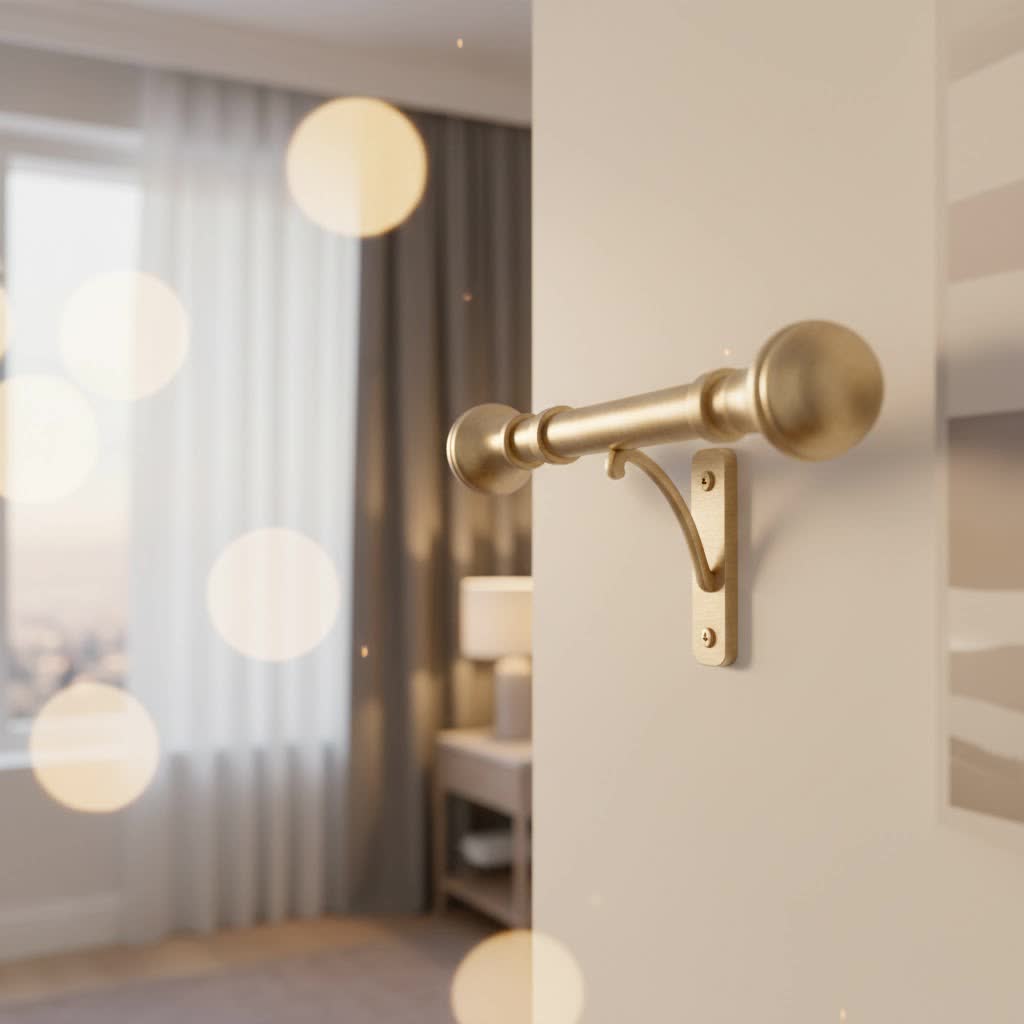
Choosing the perfect curtain rod can transform a room, tying together your window treatments with your overall decor. But what if your windows are an unusual size, or you want the flexibility to adapt? Enter the extendable curtain rod, a versatile and often budget-friendly solution that allows you to easily adjust its length to fit a wide range of window dimensions. These ingenious rods offer convenience and adaptability, making them a popular choice for homeowners and renters alike. This comprehensive guide will explore everything you need to know about extendable curtain rods, helping you select and install the ideal option for your living space with confidence.
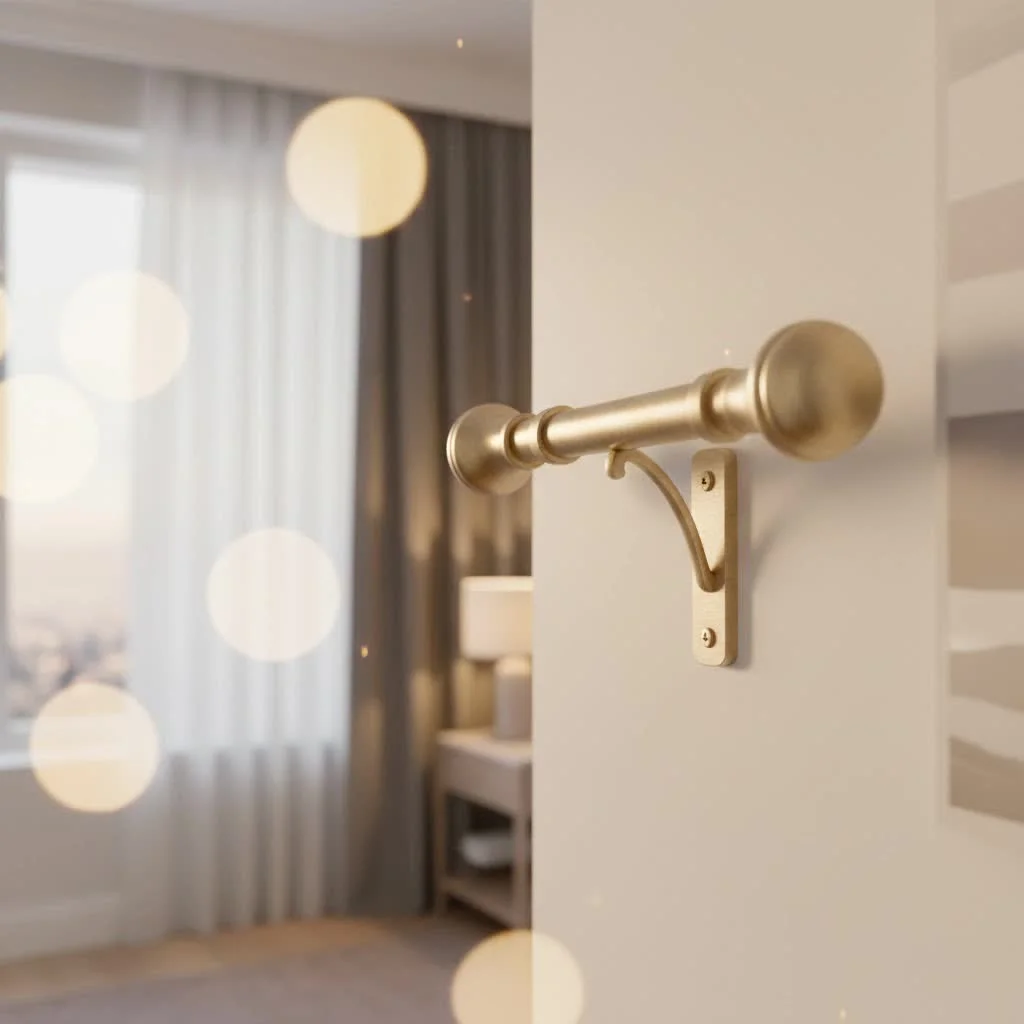
Understanding Extendable Curtain Rods: The Basics
Extendable curtain rods, often referred to as telescoping rods, are designed with an adjustable mechanism, typically consisting of two or more concentric tubes that slide into each other. This allows you to effortlessly expand or contract the rod to achieve the desired length, accommodating windows of varying widths without the need for custom cutting. Their inherent flexibility makes them a go-to for standard windows, awkward alcoves, or even temporary installations. For explore our curtain rods reviews on this site.
The primary appeal of an extendable curtain rod lies in its convenience. They often come in complete kits, including the rod, brackets, and finials, simplifying the purchasing process. This “one-size-fits-many” approach not only saves time but also makes them a highly economical option compared to custom-length rods. While practical, they also come in a many decorative styles, ensuring they can seamlessly integrate with any interior design theme.
Types of Extendable Curtain Rods
While the core principle of adjustability remains, extendable curtain rods come in a few distinct types, each suited for specific needs and aesthetics.
Decorative Extendable Rods
These are the most common type, featuring a visible rod that contributes to your room’s decor. They are designed to be mounted with brackets on the wall above the window frame. Decorative extendable rods often come with ornamental finials – decorative end pieces that cap the rod and prevent curtains from sliding off. They are available in various materials and finishes, from sleek brushed nickel to classic wrought iron or warm wood tones, allowing for significant stylistic integration. They are ideal for most windows and curtain types, offering both function and flair.
Tension Rods
A unique subset of extendable rods, tension rods operate without the need for screws or brackets. Instead, they feature an internal spring mechanism that applies pressure against two opposing surfaces, holding the rod firmly in place. This “no-drill” solution is perfect for renters, dorm rooms, or areas where drilling is impractical or undesirable. Tension rods are best suited for lightweight curtains and smaller spans, such as inside window frames for café curtains, shower curtains, or temporary room dividers. However, their reliance on pressure means they have weight and length limitations, making them unsuitable for heavy drapes or very wide windows.
Magnetic Curtain Rods
|
Our Picks for the Best Curtain Rod in 2026
As an Amazon Associate I earn from qualifying purchases.
|
||
| Num | Product | Action |
|---|---|---|
| 1 | Curtain Rods for windows 32-48 inch, 5/8 inch Decorative Curtain Rod Set, Matte Black Splicing Heavy Duty Metal Curtain Rod with Brackets |

|
| 2 | Tension Curtain Rods No Drilling, Extra Long Tension Rod 41-139 Inch, Heavy Duty Shower Curtain Rod for Outdoor Patio Bathroom Windows Room Divider, Adjustable, Anti-Slip, No Rust, Black |
|
| 3 | 5/8” Diameter Curtain Rods 30-90 Inch, for 30-84 Inch Windows, Adjustable Splicing Black Curtain Rods for Windows with Brackets, Window Rod Long Small Curtains Rod |
|
| 4 | Wrap Around Curtain Rod Black, Adjustable Blackout Curtain Rods for Windows 48 to 84 Inch, 1" Heavy Duty Room Darkening Drapery Rod, Easy Install and Removal |
|
| 5 | Double Curtain Rod for Windows 66 to 120 Inches, 1 inch Heavy-Duty Adjustable Imitation Wood Farmhouse Double Curtain Rod, Boho Decorative and Wood Grain Finish, Dual Rod for Living Room and Bedroom |
|
| 6 | Heavy Duty Curtain Rods for Windows 66 to 120 Inch, 1 Inch Gold Curtain Rod Adjustable, Decorative Long Curtains Rods with Metal Finials, Easy Installation and Modern Design (A2,Gold,30"-120") |
|
| 7 | Curtain Rods for Windows 16 to 144 Inches Adjustable Length 1 Inch Diameter Window Curtain Rod with Aluminium Finials, Black |
|
| 8 | 1” Diameter Curtain Rods Itself is 30 to144 inch 1 Pack Fit 30-142 inch, 66 to 120 inch Window with Heavy Duty Adjustable Rod Matte Black Splicing Metal Extra Long Curtain Rod for Windows |
|
| 9 | YaFex Curtain Rods 32-144 Inch, Heavy Duty 1 Inch Adjustable Curtain Rod for Windows, Black Extra Long Window Treatment Rods, Modern Design, Easy Installation |
|
| 10 | Heavy Duty Curtain Rods for Windows 66 to 120 Inch,1 Inch Adjustable Black Curtain Rod with Easy Installation and Modern Design,Decorative Long Drapery Rods with Metal Finials (A1,Black,30-120") |
|
Similar to tension rods in their no-drill convenience, magnetic extendable rods attach to metallic surfaces using strong magnets. These are particularly useful for steel doors, metallic window frames, or other magnetic-receptive areas where a quick and easy curtain solution is needed. Like tension rods, they are generally best for lighter curtains due to the weight capacity of the magnets.
Materials and Durability of Extendable Rods
The material of an extendable curtain rod not only dictates its aesthetic but also its strength and longevity. Common materials include metal (steel, aluminum, wrought iron), wood, and sometimes plastic or composite materials, especially for internal telescoping sections.
- Metal Rods: These are highly popular due to their durability and wide range of finishes (e.g., brushed nickel, bronze, black, brass). Metal rods offer good support for lightweight to medium-weight curtains. However, a critical consideration for extendable metal rods is their tendency to sag under the weight of heavy drapes, especially when extended to longer lengths. The point where the two rod sections overlap can also create a slight unevenness, which might impede the smooth glide of curtain rings or grommets.
- Wood Rods: Often chosen for their classic and warm aesthetic, wood extendable rods usually feature a metal core or connecting mechanism. While visually appealing, they share similar weight limitations to metal extendable rods.
- Plastic/Composite: Found mainly in tension rods or less expensive options, these are suitable only for the lightest of curtains.
When selecting an extendable rod, pay close attention to its diameter. Heavier curtains require a larger diameter rod for adequate support to prevent bending or sagging. A common recommendation is to choose a rod with a diameter between 1 to 1.5 inches for most curtains, increasing for very heavy fabrics.
“A well-chosen extendable curtain rod offers unparalleled adaptability, but understanding its material limitations, especially for heavier fabrics, is key to avoiding future frustrations.”
Sizing Your Extendable Curtain Rod for a Perfect Fit
Correctly sizing your extendable curtain rod is crucial for both functionality and aesthetics. The goal is to make your windows look larger and allow your curtains to fully open, letting in maximum light.
- Measure Window Width: Begin by measuring the width of your window frame from one outer edge to the other.
- Determine Overhang: For optimal appearance and light control, your curtain rod should extend beyond the window frame on both sides. A good rule of thumb is to add 8 to 12 inches to each side of your window’s width. For example, if your window is 40 inches wide, you’ll want a rod that can extend to approximately 56-64 inches (40 + 8+8 to 40 + 12+12). This extra length allows your curtains to stack back completely off the window when open, maximizing natural light and making the window appear grander.
- Consider Curtain Type:
- Rod Pocket Curtains: Ensure the rod’s diameter is small enough to fit comfortably within the rod pocket, allowing the curtain to slide smoothly without bunching excessively.
- Grommet Curtains: The grommet’s inner diameter should be larger than the rod’s diameter to ensure easy gliding.
- Ring Clip Curtains: The rod diameter doesn’t impact movement as much, but a sturdy rod is still essential.
- Check Rod Range: Extendable rods come with a specified length range (e.g., 36-66 inches, 66-120 inches). Choose a rod whose range comfortably encompasses your desired total width, including the overhang. It’s often best to choose a rod that is slightly longer than your maximum needed length, allowing you to use it at a less extended, and therefore sturdier, configuration if possible.
Step-by-Step Installation Guide
Installing an extendable curtain rod is a straightforward DIY project. Here’s a general guide:
Tools You’ll Need:
- Measuring tape
- Pencil
- Level
- Drill with appropriate drill bits
- Screwdriver
- Stud finder (optional, but recommended for heavy curtains)
Installation Steps (for bracket-mounted rods):
- Measure and Mark Height: Decide how high above the window you want to hang the rod. Typically, rods are hung 4-6 inches above the window frame, or even closer to the ceiling for a more dramatic effect. Mark this height on both sides of the window.
- Mark Bracket Placement: Using your earlier width measurement (window width + overhang), measure out from the window frame’s edge on each side to determine where your brackets will go. Mark the screw holes for each bracket with a pencil. Use a level to ensure your marks are perfectly horizontal.
- Check for Studs: If hanging heavy curtains or a long rod, use a stud finder to locate wall studs for stronger support. If you can’t hit a stud, use appropriate wall anchors (usually included with the rod or purchased separately) to ensure the brackets are secure.
- Drill Pilot Holes: Drill pilot holes at your marked spots. If using wall anchors, insert them now according to manufacturer instructions.
- Attach Brackets: Secure the brackets to the wall using screws and a drill or screwdriver. Ensure they are firmly attached and level.
- Assemble and Place Rod: Extend your curtain rod to the desired length. If your rod has a telescoping design, ensure the smaller diameter end fits into the larger diameter end. Slide your curtains onto the rod before placing it onto the brackets.
- Secure Finials: Screw the finials onto the ends of the rod to complete the installation and prevent curtains from slipping off.
For Tension Rods:
Simply extend the rod by twisting or pulling until it is slightly wider than the opening. Compress the spring and position the rod firmly between the two surfaces (e.g., inside the window frame). Release, allowing the spring tension to hold it in place. Ensure it’s level and secure.
Safety Note:
Always double-check that your brackets are securely fastened and can support the weight of your curtains, especially if using heavier fabrics. Overloading an extendable rod can lead to sagging or even failure, posing a safety risk.
Comparison Table: Extendable Rods vs. Fixed Rods
When considering an extendable curtain rod, it’s helpful to compare its characteristics against fixed-length alternatives to make the best choice for your home.
| Feature | Extendable Decorative Rod | Tension Rod | Fixed-Length Rod |
|---|---|---|---|
| Pros | Adjustable length, varied styles, convenient | No-drill, easy install/removal, budget-friendly | Strongest, no sag, ideal for heavy drapes, seamless look |
| Cons | Sagging risk with heavy curtains, slight overlap bump | Limited weight, short lengths, sag risk, less decorative | Fixed length (less flexible), often custom cut/spliced, may require professional installation for long spans |
| Best For | Light-medium curtains, various window sizes, DIY friendly | Lightweight, small windows, rentals, temporary use | Heavy drapes, large windows, custom/high-end look, long-term installations |
| Installation | Bracket-mounted, simple DIY | Pressure-mounted, no tools needed | Bracket-mounted, may require cutting/splicing |
| Aesthetics | Good, wide range of finials/finishes | Basic, less decorative, often hidden | Excellent, seamless, can be very decorative |
Design & Style Tips: Integrating Extendable Rods into Your Decor
Extendable curtain rods are more than just functional hardware; they are an integral part of your room’s design.
- Match Finishes: Choose a rod finish that complements existing hardware (door knobs, light fixtures), furniture, or decor accents in your room. A brushed nickel rod can enhance a modern minimalist space, while an oil-rubbed bronze adds warmth to a rustic or traditional setting.
- Finials as Statements: Don’t underestimate the power of finials. They come in countless designs—from simple caps to elaborate crystal or geometric shapes—and can add a subtle touch of elegance or a bold design statement.
- Create the Illusion of Height and Width: Hang your extendable curtain rod several inches above the window frame and extend it beyond the frame on both sides. This simple trick makes windows appear taller and wider, enhancing the room’s sense of spaciousness.
- Layering Window Treatments: While typically single-rod solutions, some manufacturers offer double extendable brackets that allow you to layer sheer curtains with heavier drapes on a single extendable system, adding depth and versatility to your light and privacy control.
- Coordinate with Curtain Style: Ensure the rod’s style aligns with your curtains. A sleek metal rod pairs well with modern grommet curtains, while a more ornate, decorative extendable rod might suit pleated drapes with rings.
Buying Guide: What to Look for in an Extendable Curtain Rod
When purchasing an extendable curtain rod, consider these factors to ensure you make a smart, lasting choice:
- Weight Capacity: This is paramount. Always check the manufacturer’s specified weight limit and ensure it exceeds the weight of your chosen curtains. If in doubt, opt for a larger diameter rod or consider a fixed rod for very heavy drapes.
- Material and Finish: Select a material and finish that complements your room’s aesthetic and offers the desired durability. Metal options often provide the best balance of strength and style.
- Adjustment Mechanism: Look for a smooth telescoping action and a secure locking mechanism (if applicable) that keeps the rod firmly at the desired length without slipping.
- Bracket Quality: Sturdy brackets are essential. Metal brackets are generally more durable than plastic. Ensure they come with appropriate hardware for installation, including wall anchors if needed.
- Finial Design: Consider the finials’ style, as they contribute significantly to the rod’s overall look. Ensure they are easily attachable and securely hold the curtains in place.
- Price vs. Quality: While extendable rods are generally budget-friendly, don’t always opt for the cheapest option. Investing a little more in a higher-quality rod can prevent sagging, ensure smoother curtain movement, and offer greater longevity.
- Where to Buy: Extendable curtain rods are widely available. You can find them at:
- Home Improvement Stores: Large chains often have a wide selection.
- Department Stores: Good for decorative options and various finishes.
- Online Retailers: Offer vast selections, competitive pricing, and user reviews, but always verify dimensions and weight capacity carefully.
- Specialty Curtain/Drapery Stores: May offer higher-quality options and expert advice, though possibly at a higher price point.
Conclusion
Extendable curtain rods offer an unbeatable combination of convenience, versatility, and style, making them an excellent choice for a many window treatments. From effortlessly adapting to diverse window sizes to providing a budget-conscious solution, their adjustable nature simplifies the process of creating a beautifully dressed window. By carefully considering the type, material, proper sizing, and installation techniques, you can confidently select an extendable curtain rod that not only supports your chosen drapes but also enhances the overall aesthetic of your living space. Ready to improve your windows? What unique window challenge will an extendable curtain rod help you overcome?
Frequently Asked Questions
Can extendable curtain rods support heavy blackout curtains?
Extendable curtain rods are generally best suited for lightweight to medium-weight curtains. Heavy blackout curtains or lined drapes can cause extendable rods to sag, especially when extended to their maximum length. For heavier curtains, a fixed-length rod with robust center support is usually recommended for better stability and a long-lasting, elegant appearance.
How do I prevent my extendable curtain rod from sagging in the middle?
To prevent sagging, ensure you choose a rod with a diameter appropriate for your curtain’s weight. For longer spans, add an extra center support bracket if your rod allows it. Avoid over-extending the rod to its absolute maximum length, as this can weaken its structural integrity. Using lighter curtains also significantly reduces the risk of sagging.
What’s the ideal diameter for an extendable curtain rod?
The ideal diameter depends on the weight of your curtains and the span of your window. For light to medium curtains, a diameter between 1 to 1.25 inches is often sufficient. For heavier fabrics, consider a rod with a diameter of 1.5 inches or more to provide adequate support and minimize sagging.
Can I cut an extendable curtain rod to size if it’s too long?
While fixed-length rods can often be cut, extendable curtain rods are designed with telescoping sections that slide into each other. Cutting an extendable rod would likely compromise its adjustable mechanism and structural integrity, making it unusable or significantly weaker. It’s best to choose an extendable rod within the appropriate length range.
Are extendable curtain rods suitable for outdoor use?
Most standard extendable curtain rods are not designed for outdoor use. Exposure to elements like rain, humidity, and sunlight can lead to rust, corrosion, or material degradation, compromising their strength and appearance. For outdoor applications, look for curtain rods specifically labeled as “outdoor” or “weather-resistant,” usually made from durable, rust-proof materials like stainless steel.
Get our weekly buyer guide
Practical specs, not advice. Unsubscribe anytime.
