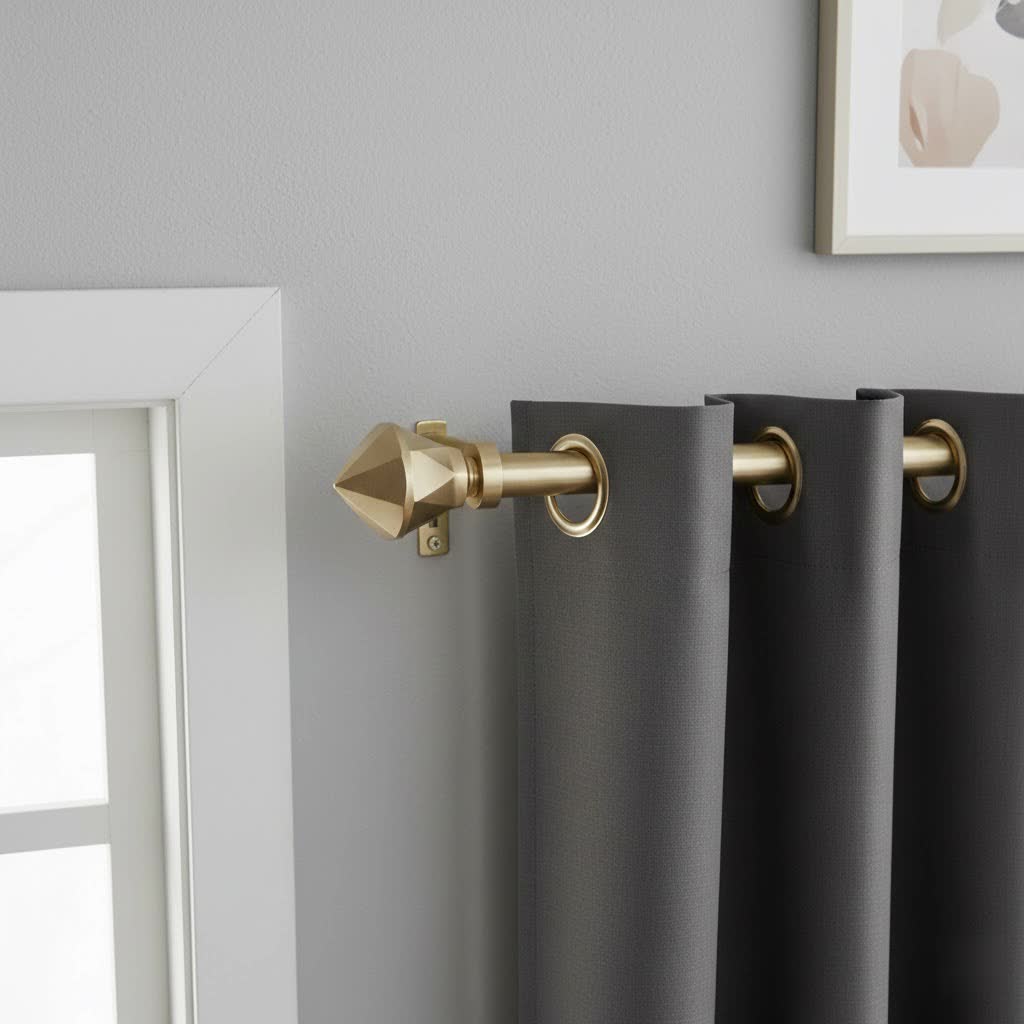
Sliding glass doors are a beautiful feature in any home, inviting natural light and offering stunning views. However, they also present unique challenges when it comes to privacy, light control, and maintaining a cohesive aesthetic. Choosing the right sliding door curtain rod is crucial, as it transforms a functional necessity into a stylish focal point for your living space. This comprehensive guide will equip you with all the knowledge needed to select and install the perfect curtain rod, blending seamlessly with your home’s decor while providing optimal functionality.
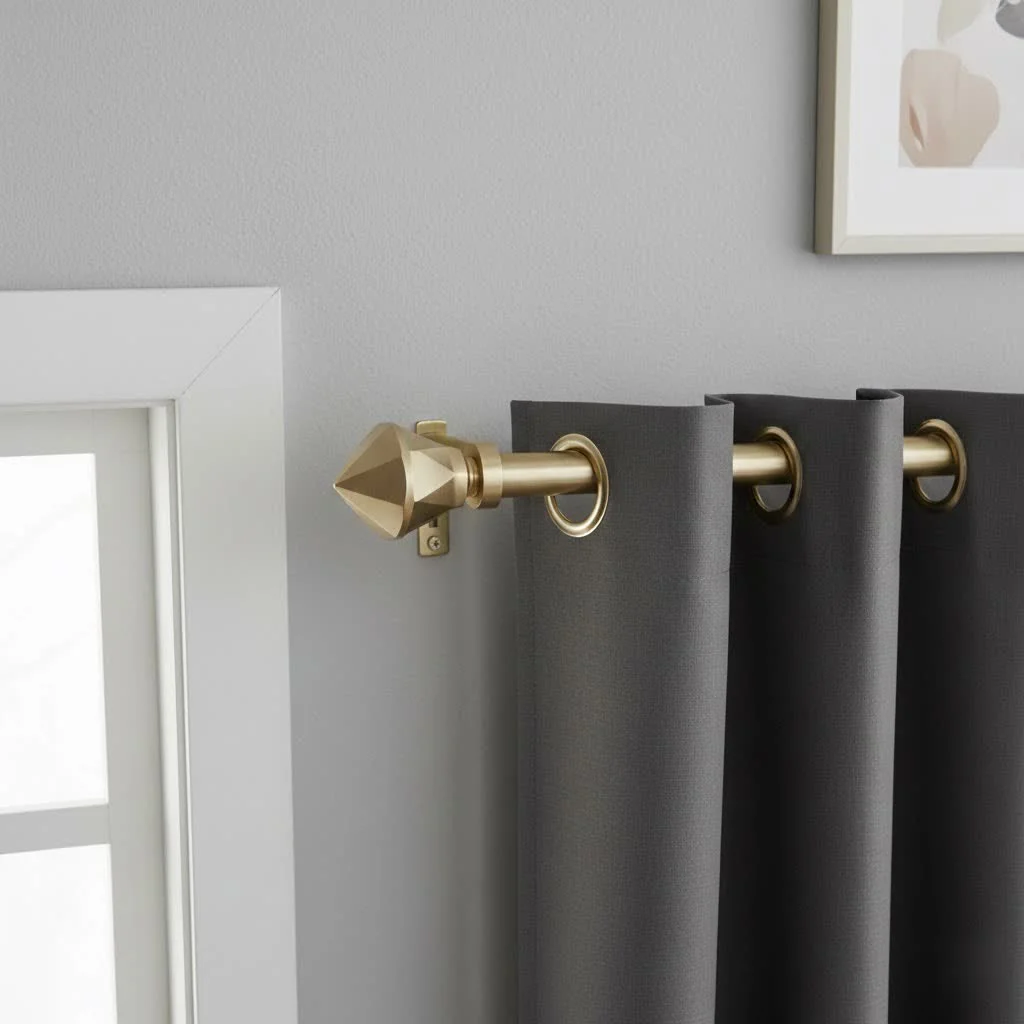
Types of Sliding Door Curtain Rods
The world of curtain rods offers diverse options, each suited to different needs and design preferences for your sliding door. Understanding these types is the first step toward a successful setup. For expert curtain rods reviews on this site.
Traverse Rods are often considered the gold standard for sliding doors, particularly for heavier drapes or wide panels. Their sophisticated pulley system, which can be corded or even motorized, allows curtains to open and close effortlessly. This design ensures your curtains stack neatly and fully to the side, maximizing your view and light when desired. While they offer superior functionality, their mechanical nature can make installation slightly more complex and they typically come at a higher price point.
Wraparound Rods feature a curved design at their ends, allowing curtains to return to the wall. This unique shape helps to minimize light leakage from the sides, offering enhanced privacy and light control, which is especially beneficial in bedrooms or media rooms. They also create a sleek, finished look by enclosing the curtain panels snugly against the wall.
Double Curtain Rods are an excellent choice if you desire both versatility and layered aesthetics. These rods accommodate two sets of curtains simultaneously, such as sheer panels for diffused light during the day and heavier blackout drapes for privacy and darkness at night. This layering adds depth and texture to your window treatment, offering adaptable light and privacy solutions.
For a modern aesthetic that emphasizes height and clean lines, Ceiling-Mounted Rods are ideal. Installed directly onto the ceiling, they draw the eye upward, creating an illusion of taller windows and a more spacious room. This mounting style is particularly effective with full-length curtains that cascade from ceiling to floor, enhancing contemporary and minimalist interiors.
Standard Adjustable Rods are versatile and readily available, mounting directly above the door frame. They extend to fit various widths, making them a straightforward option for many homes. While practical, ensure they are robust enough to support the weight of your chosen curtains and allow for ample stack-back space. Lastly, Sash Rods are smaller, lighter rods that attach directly to the door frame itself, best suited for lightweight sheers or café curtains when minimal coverage is desired directly on the glass.
Choosing the Right Material for Your Sliding Door Curtain Rod
The material of your sliding door curtain rod plays a significant role in both its durability and its aesthetic appeal. Selecting the appropriate material ensures your rod can support your chosen curtains while complementing your interior design.
Metal rods, such as those made from iron, steel, or aluminum, are highly popular for their strength and contemporary look. Iron rods are exceptionally sturdy, capable of supporting heavy drapes over long spans without sagging, making them a reliable choice for large sliding doors. Finishes like brushed nickel, matte black, or antique brass can instantly elevate a room’s style, providing a sleek and modern or industrial touch. When choosing metal, consider the weight of your curtains; thicker, heavy-duty metal rods are best for substantial fabrics.
Wood rods bring warmth and a classic, natural elegance to any space. Available in various finishes, from light oak to rich mahogany, they can seamlessly blend with traditional, rustic, or even bohemian decor. While sturdy, wooden rods typically require more frequent support brackets for very wide openings compared to their metal counterparts to prevent bowing. The diameter of the wood rod is also crucial – a thicker rod can make a more substantial visual statement and offer greater stability.
Beyond the primary materials, other options exist. For instance, plastic or lighter metals are often used for sash rods, where minimal weight and a less obtrusive look are desired. Regardless of the material, ensure the rod’s surface is smooth and free of significant texture or fluting. A smooth surface allows curtain rings or grommets to glide effortlessly across the rod, which is essential for the frequent operation of sliding door curtains. When making your selection, consider how the rod’s material and finish harmonize with existing hardware, furniture, and the overall color palette of your room.
Essential Guide to Sliding Door Curtain Rod Sizing and Installation
Proper sizing and installation are paramount for the functionality and visual appeal of your sliding door curtain rod. Precise measurements and careful execution will ensure your curtains operate smoothly and enhance your room’s design.
Measuring for Success
|
Our Picks for the Best Curtain Rod in 2026
As an Amazon Associate I earn from qualifying purchases.
|
||
| Num | Product | Action |
|---|---|---|
| 1 | 5/8” Diameter Curtain Rods 30-90 Inch, for 30-84 Inch Windows, Adjustable Splicing Black Curtain Rods for Windows with Brackets, Window Rod Long Small Curtains Rod |

|
| 2 | Heavy Duty Curtain Rods for Windows 66 to 120 Inch, 1 Inch Gold Curtain Rod Adjustable, Decorative Long Curtains Rods with Metal Finials, Easy Installation and Modern Design (A2,Gold,30"-120") |
|
| 3 | Curtain Rods for Windows 16 to 144 Inches Adjustable Length 1 Inch Diameter Window Curtain Rod with Aluminium Finials, Black |
|
| 4 | Heavy Duty Curtain Rods for Windows 66 to 120 Inch,1 Inch Adjustable Black Curtain Rod with Easy Installation and Modern Design,Decorative Long Drapery Rods with Metal Finials (A1,Black,30-120") |
|
| 5 | Wrap Around Curtain Rod Black, Adjustable Blackout Curtain Rods for Windows 48 to 84 Inch, 1" Heavy Duty Room Darkening Drapery Rod, Easy Install and Removal |
|
| 6 | YaFex Curtain Rods 32-144 Inch, Heavy Duty 1 Inch Adjustable Curtain Rod for Windows, Black Extra Long Window Treatment Rods, Modern Design, Easy Installation |
|
| 7 | Double Curtain Rod for Windows 66 to 120 Inches, 1 inch Heavy-Duty Adjustable Imitation Wood Farmhouse Double Curtain Rod, Boho Decorative and Wood Grain Finish, Dual Rod for Living Room and Bedroom |
|
| 8 | Tension Curtain Rods No Drilling, Extra Long Tension Rod 41-139 Inch, Heavy Duty Shower Curtain Rod for Outdoor Patio Bathroom Windows Room Divider, Adjustable, Anti-Slip, No Rust, Black |
|
| 9 | Curtain Rods for windows 32-48 inch, 5/8 inch Decorative Curtain Rod Set, Matte Black Splicing Heavy Duty Metal Curtain Rod with Brackets |
|
| 10 | 1” Diameter Curtain Rods Itself is 30 to144 inch 1 Pack Fit 30-142 inch, 66 to 120 inch Window with Heavy Duty Adjustable Rod Matte Black Splicing Metal Extra Long Curtain Rod for Windows |
|
The ideal dimensions for your sliding door curtain rod go beyond the width of the door itself.
- Width: To determine the correct rod length, measure the width of your sliding glass door frame. Then, add an additional 6 to 12 inches (or even more for very wide doors) to each side. This extra length, known as “stack-back” space, allows the curtains to be pulled completely clear of the glass when open, preventing them from obstructing the door’s function or your view. For a standard 5-to-6-foot wide sliding door, a rod that extends sufficiently beyond the frame is essential for achieving a full and open look.
- Height: The rod’s vertical placement significantly impacts the perceived height of your room. A common recommendation is to position the curtain rod 4 to 6 inches above the door frame. However, many interior designers advocate for mounting the rod even higher, often halfway between the top of the frame and the ceiling, or even directly at ceiling height. Hanging curtains higher creates an illusion of greater room height and more expansive windows, contributing to a grander aesthetic.
Installation Steps
Installing a sliding door curtain rod can be a straightforward DIY project with the right tools and approach.
- Locate Wall Studs: Use a stud finder to identify the sturdy wooden studs within the wall above your sliding door. These provide the most secure mounting points for your brackets. Mark their locations lightly with a pencil.
- Determine Rod Placement: Based on your width and height measurements, hold your curtain rod and brackets against the wall to visualize the final position. Ensure the rod extends adequately beyond the door frame.
- Mark Bracket Positions: With a level, carefully mark the exact screw hole locations for each bracket. Accuracy here is key for a visually balanced installation.
- Drill Pilot Holes: Using an appropriate drill bit for your wall type (e.g., masonry bit for drywall with anchors, wood bit for studs), drill pilot holes at your marked spots.
- Install Brackets: Securely attach the mounting brackets to the wall using the provided screws and anchors (if not drilling into studs). Double-check that they are firmly mounted and level.
- Hang the Rod and Curtains: Carefully place the curtain rod onto the installed brackets. Then, slide your chosen curtain panels onto the rod according to their design (grommets, rod pockets, rings, etc.).
- Final Adjustments: Test the curtain movement to ensure it slides smoothly without catching. Adjust curtain length and positioning for optimal appearance, ensuring they clear the door track and do not interfere with the door’s operation.
Support Considerations
Given the considerable length of most sliding door curtain rods, adequate support is crucial to prevent sagging over time, especially with heavy drapes.
- Center Support: Most rods extending over a sliding door will require at least one center support bracket, in addition to end brackets, to maintain stability. The need for additional supports depends on the rod’s material and diameter; for instance, traverse rods often need support every 36-48 inches, while robust wooden or metal rods might span 60-96 inches without additional support. Always support every splice or joint if your rod is multi-piece.
- C-Ring Bypass Brackets: For situations requiring center support where you still want your curtains to glide uninterrupted across the entire rod, consider C-ring bypass brackets. These uniquely designed brackets don’t fully encircle the rod, allowing curtain rings to pass over them effortlessly, preserving smooth functionality.
Comparison Table: Popular Sliding Door Curtain Rod Types
| Feature | Traverse Rod | Wraparound Rod | Double Rod | Ceiling-Mounted Rod |
|---|---|---|---|---|
| Key Advantage | Smooth operation, full curtain stack | Enhanced light blocking, privacy | Layered styling, versatile light control | Maximizes perceived height, modern aesthetic |
| Ideal For | Heavy or wide curtains, frequent daily use, automated systems | Optimal light/privacy needs, blackout curtains | Combining sheers and opaque drapes for adaptable coverage | Contemporary designs, rooms needing an illusion of height, full-length curtains |
| Installation Complexity | Higher (mechanical system) | Moderate | Moderate | Moderate (requires ceiling anchors) |
| Cost Range | Higher | Mid-range | Mid-range | Mid-range |
Styling Your Space: Matching Sliding Door Curtain Rods with Interior Design
The curtain rod for your sliding door is more than just a functional piece; it’s a design element that can significantly influence the overall style and ambiance of your room. Thoughtful selection ensures visual harmony with your interior design.
For Modern and Minimalist Styles, opt for sleek, simple metal rods in finishes like brushed stainless steel, matte black, or polished chrome. Ceiling-mounted rods are particularly effective here, creating clean, uninterrupted lines that enhance the room’s spaciousness and contemporary feel. Choose minimal finials or end caps for an understated elegance.
If your home embraces Traditional and Classic Styles, wood rods are an excellent choice. Select a wood finish that complements your existing furniture and trim, such as cherry, oak, or mahogany. Ornate finials, like carved spheres or decorative urns, can add a touch of timeless sophistication. Double rods can also fit well here, allowing for rich, layered drapery.
For a relaxed Coastal or Bohemian Vibe, consider natural wood rods in lighter tones or even distressed finishes. Incorporate finials with organic shapes or woven textures. White or light-colored metal rods can also work, evoking a breezy, open feel. The key is to select materials and finishes that feel natural and unpretentious.
Color and Finish Coordination is vital. Your curtain rod’s finish should ideally complement other metal accents in the room, such as lighting fixtures, door handles, or furniture hardware. While a perfect match isn’t always necessary, a cohesive palette creates a polished look. For instance, if you have brass accents, a brass curtain rod can tie the room together beautifully. Conversely, a contrasting finish can act as a deliberate design statement, adding visual interest.
Ultimately, your curtain rod should work in concert with your chosen curtains and the broader room decor to Enhance Room Aesthetics. A well-chosen rod and drapery can add texture, define the window area, and even become a sculptural element itself. Think about how the rod’s diameter, finial style, and material contribute to the visual weight and balance of your sliding door and the room as a whole. A sturdy, elegant rod doesn’t just hold your curtains; it completes your space.
A Smart Buyer’s Guide to Sliding Door Curtain Rods
Navigating the market for the perfect sliding door curtain rod requires careful consideration of several factors to ensure you make an informed decision that meets both your functional and aesthetic needs.
When buying a sliding door curtain rod, prioritize durability. Sliding doors are high-traffic areas, and their curtains will likely be opened and closed frequently. Choose a rod material and construction that can withstand constant use without bending, breaking, or showing excessive wear. Metal rods, especially those with thicker gauges, or solid wood options generally offer greater longevity. The ease of use is another critical factor. The curtains should glide smoothly along the rod without snagging or requiring excessive force. This often means opting for a rod with a smooth surface, compatible curtain rings or grommets, and adequate support brackets to prevent sagging that could impede movement.
Light control and privacy are primary reasons for adding window treatments to a sliding door. If blocking light is crucial, consider wraparound rods or ensure your chosen rod extends far enough beyond the door frame to allow curtains to fully cover the opening without light gaps. Double rods are excellent for combining sheers with blackout drapes, offering adaptable solutions throughout the day.
You can purchase sliding door curtain rods from various sources. Specialty stores often provide higher-quality, more unique designs, and expert advice, though prices may be higher. Online retailers offer a vast selection, competitive pricing, and convenience, but it can be harder to assess quality in person. Big box stores typically have budget-friendly and readily available options, though selection might be more limited. When shopping, always look for quality. Inspect the rod for smooth finishes, robust brackets, and sturdy construction. Ensure all necessary mounting hardware is included and of good quality. For example, ensure any telescoping rods fit snugly without a noticeable lip where sections meet, as this can impede curtain movement.
Finally, budgeting tips can help you find the best value. While custom solutions or high-end materials can be an investment, brands like Amazon Basics offer durable, budget-friendly options, whereas Umbra and Rod Desyne provide a balance of modern design and quality at a mid-range price. Pottery Barn caters to those seeking upscale, designer solutions. Remember that a slightly higher investment in a quality rod can prevent future headaches and ensure long-term satisfaction.
Top Brands for Sliding Door Curtain Rods
When it comes to outfitting your sliding doors, several reputable brands stand out for their quality, design, and functionality. Each offers unique advantages to suit different styles and budgets.
Umbra is highly regarded for its sleek, modern designs and innovative solutions. Their curtain rods often feature contemporary aesthetics and smart engineering, making them a popular choice for minimalist and urban interiors. You can expect clean lines and durable finishes that complement a modern home.
Rod Desyne offers a wide variety of finishes and lengths, making it easier to find a rod that perfectly matches your existing decor and specific dimensions. They are known for their extensive selection, ensuring you can find both classic and contemporary styles to suit your taste.
For those on a tighter budget who still seek reliable performance, Amazon Basics provides durable and budget-friendly options. Their rods are a practical choice for functional needs without compromising too much on quality, offering straightforward designs that get the job done.
Kenney is a great brand for adjustable and wraparound style rods. Their focus on functionality makes them ideal for achieving better light control and privacy, particularly useful for sliding doors. Kenney products often provide a good balance between affordability and performance.
At the higher end, Pottery Barn offers upscale, custom solutions. If you’re looking for premium materials, refined designs, and options that can be tailored to your exact specifications, Pottery Barn is a go-to. Their rods often serve as significant design statements themselves.
Additionally, for those seeking truly unique or heavy-duty solutions, brands like Cambria and MarthaAndAsh (known for custom ironwork) can provide robust and personalized options that cater to specific design visions or substantial curtain weights. Exploring these brands allows you to find the perfect blend of style, durability, and cost-effectiveness for your sliding door curtain rod.
Conclusion
Choosing the right sliding door curtain rod is an investment that marries functionality with aesthetic appeal, profoundly impacting your living space. From the smooth operation of a traverse rod to the light-blocking power of a wraparound design, and the layered elegance of a double rod, each type offers distinct benefits tailored to specific needs. By carefully considering materials, ensuring precise measurements, and executing a meticulous installation, you can transform your sliding door into a beautiful, functional focal point. A well-selected rod not only supports your curtains but also enhances light control, privacy, and the overall style of your room, creating a cohesive and inviting atmosphere.
What style of sliding door curtain rod best suits your vision for transforming your home?
Frequently Asked Questions
What length curtain rod do I need for a 6ft sliding door?
For a 6ft (72-inch) sliding door, you’ll generally need a curtain rod that is at least 88 to 96 inches long. This allows for approximately 8-12 inches of “stack-back” space on each side of the door, ensuring the curtains can be fully drawn back to clear the glass when open, maximizing light and access.
Can I use a regular curtain rod on a sliding glass door?
While you technically can use a regular curtain rod, it’s often not ideal. Sliding doors are wider and require curtains that move frequently. Regular rods may sag over long spans, lack proper stack-back, or make curtain movement difficult. Specialized sliding door rods like traverse or heavy-duty options are usually better choices for functionality and durability.
How high should I hang curtains above a sliding door?
A common recommendation is to hang the curtain rod 4 to 6 inches above the door frame. However, for an illusion of greater height and a more expansive feel, many designers suggest mounting the rod even higher, ideally halfway between the door frame and the ceiling, or even directly at ceiling height.
What are traverse rods and why are they good for sliding doors?
Traverse rods feature an internal track and a pulley system, allowing curtains to glide effortlessly with a cord or remote control. They are excellent for sliding doors because they support heavy, wide curtains without sagging and ensure the panels stack neatly and completely off the glass, providing full access and an unobstructed view.
How do I prevent light gaps with sliding door curtains?
To prevent light gaps, ensure your curtain rod extends sufficiently beyond the door frame (at least 6-12 inches on each side) so the curtains can fully cover the opening when closed. Wraparound curtain rods, which curve at the ends to bring curtains snugly against the wall, are also highly effective at minimizing light leakage from the sides.
Get our weekly buyer guide
Practical specs, not advice. Unsubscribe anytime.
