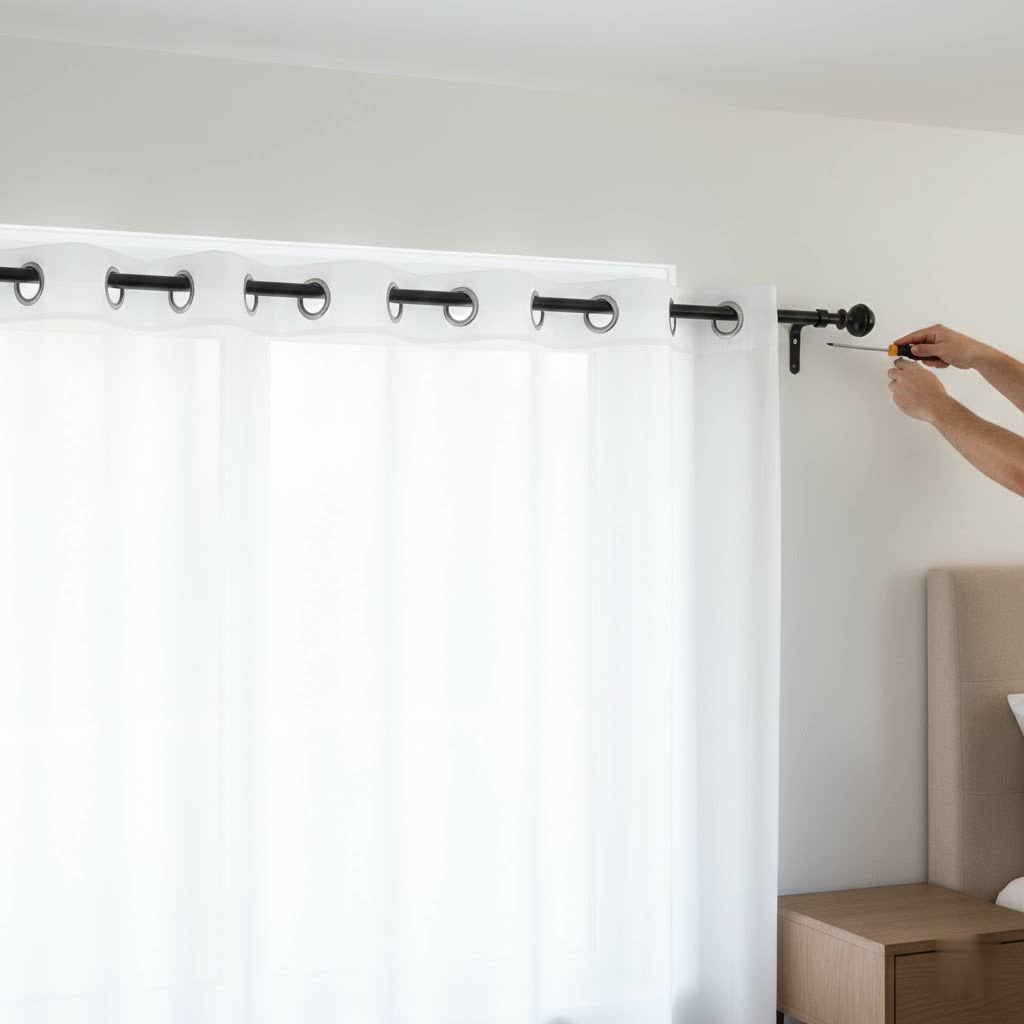
Curtain rods are far more than just functional supports for your window treatments; they are pivotal design elements that can dramatically influence a room’s aesthetic. When it comes to infusing warmth, character, and a touch of sophisticated history into your living space, few options compare to the aged brass curtain rod. These pieces aren’t merely hardware; they’re conversation starters, embodying a rich patina that evolves beautifully over time and complements a wide range of interior styles.
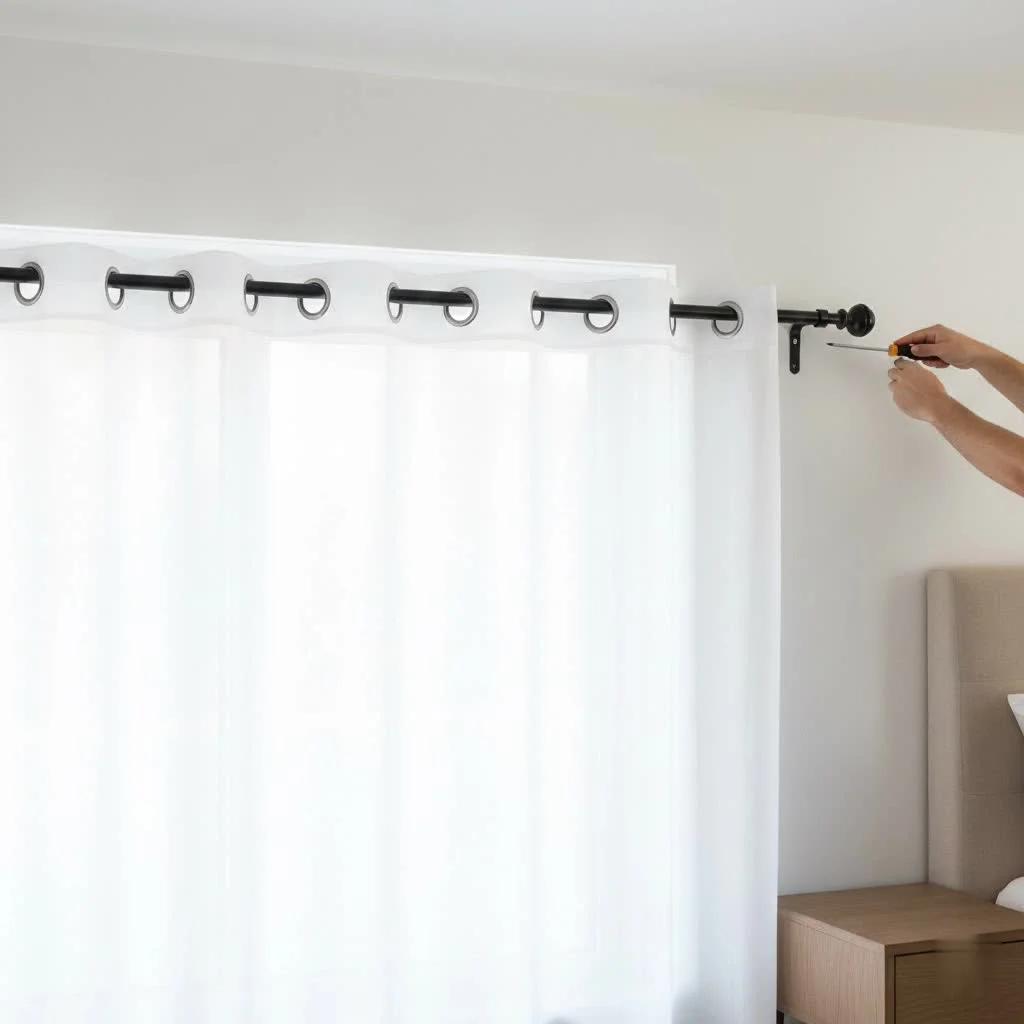
From the subtle sheen of a newly installed rod to the deep, burnished hues that develop with age, aged brass offers a unique visual depth that modern finishes often lack. It’s a choice that speaks of enduring style and meticulous attention to detail. This guide will navigate you through everything you need to know about selecting, installing, and maintaining aged brass curtain rods, ensuring your windows become stunning focal points that truly reflect your personal style.
What Makes Aged Brass Curtain Rods Unique?
Aged brass curtain rods stand out due to their distinctive finish and the narrative they tell through their evolving appearance. Unlike polished brass, which maintains a bright, uniform shine, aged brass embraces a deeper, more muted aesthetic, often referred to as a “living finish.” This characteristic makes each rod a unique piece of art.
The allure of aged brass lies in its patina—a natural layer that forms on the metal’s surface over time due to oxidation. This process lends a rich, varied coloring, from deep browns and bronzes to subtle greens, creating a sense of history and warmth. This organic aging process allows the hardware to seamlessly integrate into both traditional and contemporary settings, offering a luxurious, vintage-inspired elegance that is both nostalgic and modern.
When comparing true aged brass, often unlacquered, to electroplated “antique brass” finishes, it’s important to understand the distinction. Unlacquered brass is raw and will naturally oxidize, developing its unique patina. Electroplated antique brass, on the other hand, is a treated finish designed to mimic the look of aged brass from the start, often providing a more uniform, low-maintenance appearance that resists further tarnishing. While both offer a similar aesthetic, unlacquered brass promises an authentic, ever-changing character that true design enthusiasts cherish.
Types of Aged Brass Curtain Rods and Their Applications
The world of aged brass curtain rods offers a variety of styles, each suited for different window types, curtain treatments, and aesthetic preferences. Understanding these options is key to achieving your desired look and functionality.
Round Rods: The Timeless Classic
|
Our Picks for the Best Curtain Rod in 2026
As an Amazon Associate I earn from qualifying purchases.
|
||
| Num | Product | Action |
|---|---|---|
| 1 | 1” Diameter Curtain Rods Itself is 30 to144 inch 1 Pack Fit 30-142 inch, 66 to 120 inch Window with Heavy Duty Adjustable Rod Matte Black Splicing Metal Extra Long Curtain Rod for Windows |

|
| 2 | Curtain Rods for Windows 16 to 144 Inches Adjustable Length 1 Inch Diameter Window Curtain Rod with Aluminium Finials, Black |
|
| 3 | Heavy Duty Curtain Rods for Windows 66 to 120 Inch,1 Inch Adjustable Black Curtain Rod with Easy Installation and Modern Design,Decorative Long Drapery Rods with Metal Finials (A1,Black,30-120") |
|
| 4 | Wrap Around Curtain Rod Black, Adjustable Blackout Curtain Rods for Windows 48 to 84 Inch, 1" Heavy Duty Room Darkening Drapery Rod, Easy Install and Removal |
|
| 5 | Heavy Duty Curtain Rods for Windows 66 to 120 Inch, 1 Inch Gold Curtain Rod Adjustable, Decorative Long Curtains Rods with Metal Finials, Easy Installation and Modern Design (A2,Gold,30"-120") |
|
| 6 | Double Curtain Rod for Windows 66 to 120 Inches, 1 inch Heavy-Duty Adjustable Imitation Wood Farmhouse Double Curtain Rod, Boho Decorative and Wood Grain Finish, Dual Rod for Living Room and Bedroom |
|
| 7 | Curtain Rods for windows 32-48 inch, 5/8 inch Decorative Curtain Rod Set, Matte Black Splicing Heavy Duty Metal Curtain Rod with Brackets |
|
| 8 | Tension Curtain Rods No Drilling, Extra Long Tension Rod 41-139 Inch, Heavy Duty Shower Curtain Rod for Outdoor Patio Bathroom Windows Room Divider, Adjustable, Anti-Slip, No Rust, Black |
|
| 9 | YaFex Curtain Rods 32-144 Inch, Heavy Duty 1 Inch Adjustable Curtain Rod for Windows, Black Extra Long Window Treatment Rods, Modern Design, Easy Installation |
|
| 10 | 5/8” Diameter Curtain Rods 30-90 Inch, for 30-84 Inch Windows, Adjustable Splicing Black Curtain Rods for Windows with Brackets, Window Rod Long Small Curtains Rod |
|
Round rods are the most common and versatile type, forming the backbone of many window treatments. They are straightforward to install and work well with almost any curtain style, from grommet tops to rings. In aged brass, a simple round rod becomes an elegant statement, allowing the beautiful finish to take center stage. They are ideal for nearly any room and can support a wide range of curtain weights, provided the diameter is appropriate.
French Return Rods: Seamless Elegance
French return rods are distinguished by their curved ends that return directly to the wall, creating a seamless, wraparound effect. This design is highly functional, minimizing light gaps at the sides of the window and providing a clean, architectural look. The aged brass finish on a French return rod enhances its sophisticated profile, making it a popular choice for bedrooms and living areas where light control and a polished aesthetic are desired.
Cafe Rods: Charming and Practical
Cafe rods are typically thinner and designed for lighter curtains, often used on smaller windows, kitchen windows, or doors where full coverage isn’t necessary. An aged brass cafe rod adds a quaint, charming touch, perfect for creating a bistro-style ambiance or simply letting in more natural light while maintaining a decorative flair. They are frequently used with rings or tab-top curtains.
Double Rods: Layered Luxury
For those who desire both privacy and light control, or simply want to add a luxurious layered look, double rods are an excellent solution. An aged brass double rod set allows you to hang two sets of curtains—for instance, sheer panels closer to the window for diffused light and privacy, backed by heavier drapery for warmth, light blocking, and added texture. This combination offers immense flexibility and design richness.
Essential Components: Finials, Brackets, and Rings
Beyond the rod itself, the accompanying hardware completes the aged brass aesthetic.
- Finials: These decorative end pieces are crucial for defining the style of your curtain rod. From classic ball shapes to ornate, intricate designs, aged brass finials act as jewelry for your windows, enhancing the rod’s overall character.
- Brackets: The supports that hold the rod to the wall, aged brass brackets should be sturdy and visually harmonious with the rod and finials. Their projection from the wall determines how far your curtains will hang from the window.
- Rings: Aged brass curtain rings allow curtains to glide smoothly along the rod. They are often chosen to match the rod’s finish and can be clip-on for easy attachment or sewn directly into the curtain fabric.
Choosing the Perfect Aged Brass Curtain Rod: A Comprehensive Guide
Selecting the right aged brass curtain rod involves a thoughtful balance of material, style, size, and functionality. Making informed choices ensures your window treatments enhance your home’s beauty and serve their purpose effectively.
Material Matters: Solid Brass vs. Other Finishes
The quality of brass largely dictates the rod’s durability and its ability to develop a genuine patina.
- Solid Brass: Opting for solid brass is generally the best choice for longevity and authentic aging. Unlacquered solid brass will naturally oxidize, yielding the desired aged appearance over time. This “living finish” adds depth and character that cannot be replicated by synthetic alternatives.
- Electroplated/Antique Brass: These finishes offer a similar aesthetic with less maintenance, as they are treated to prevent further tarnishing. They provide a consistent aged look from day one, which can be ideal if you prefer a static finish rather than an evolving patina.
- Brass-Plated Metals: Less expensive options may involve other metals plated with brass. While offering the look, they often lack the weight, durability, and natural aging properties of solid brass. For a lasting investment, solid brass is generally preferred.
Style Synergy: Matching with Interior Decor
The beauty of aged brass lies in its adaptability.
- Traditional and Classic: Aged brass inherently complements traditional and classical interiors. Its rich, warm tones pair beautifully with dark wood furniture, intricate patterns, and opulent fabrics like velvet or brocade, creating a sense of timeless grandeur. Ornate finials and heavier rods often suit these styles best.
- Modern and Transitional: Despite its antique feel, aged brass can be stunning in modern and transitional spaces. Its warmth can soften minimalist lines, adding an unexpected layer of texture and a focal point. Sleeker, simpler finials and clean-lined rods often integrate seamlessly into these contemporary designs.
- Farmhouse and Rustic: The rustic charm of aged brass, particularly with its developing patina, fits perfectly within farmhouse or industrial-inspired decors. It pairs well with natural wood, exposed brick, and utilitarian elements, adding an authentic, lived-in feel.
- Eclectic: For an eclectic look, aged brass acts as a grounding element, effortlessly blending with diverse styles and materials to create a cohesive yet personalized space.
Size and Weight Considerations: Diameter, Length, and Support
Choosing the correct size is paramount for both aesthetics and function.
- Rod Diameter: Thinner rods (e.g., 1/2 inch to 3/4 inch) are ideal for lighter curtains and a more understated look, such as cafe curtains. Thicker rods (e.g., 1 inch to 1 1/2 inches) are necessary for heavier drapes, longer spans, or when you want the rod itself to be a more prominent design feature. A thicker rod also reduces the risk of sagging over time.
- Rod Length: Measure your window width and add 8 to 15 inches to each side (16 to 30 inches total) to allow curtains to be pulled back fully, maximizing light entry and making the window appear larger. For a tailored fit, custom-made rods are superior to telescoping options.
- Curtain Weight: Always match the rod’s strength to your curtain’s weight. Heavy blackout curtains or multiple layers require a sturdy, solid rod with adequate support brackets.
- Center Support: For rods longer than 4-5 feet or supporting heavy curtains, a center support bracket is crucial to prevent sagging and ensure stability.
Avoiding Common Pitfalls: The Telescoping and Tension Rod Trap
While convenient and often cheaper, telescoping and tension rods are generally not recommended for a quality, long-lasting installation, especially with aged brass. Telescoping rods have an unsightly bump where the two sections meet, which can snag rings and disrupt the smooth operation of curtains. More critically, they are prone to sagging under the weight of quality drapery, compromising both aesthetics and functionality. Tension rods are best reserved for temporary solutions or very lightweight applications where no drilling is desired. For the enduring beauty and structural integrity that an aged brass curtain rod promises, invest in a single-piece rod or a high-quality adjustable system that minimizes these issues.
How to Install Your Aged Brass Curtain Rods Like a Pro
Proper installation is key to ensuring your aged brass curtain rods look their best and function flawlessly. Even with the finest hardware, a poorly installed rod can detract from your room’s design.
Measuring for Placement: Precision is Paramount
Before you begin drilling, accurate measurements are essential.
- Height: To make your room feel taller, hang the rod 4 to 6 inches above the window frame, or even higher, closer to the ceiling. Consider your curtain length; standard panels come in lengths like 84, 95, or 108 inches.
- Width: Extend the rod 8 to 15 inches beyond each side of the window frame. This allows curtains to stack neatly to the sides when open, maximizing natural light and making the window appear wider than it is.
- Center Support: For rods exceeding 4-5 feet or holding heavy curtains, a center support bracket is vital to prevent sagging. Mark its position precisely in the middle of your chosen span.
Tools and Materials Needed
Gathering your tools beforehand ensures a smooth installation process:
- Aged brass curtain rod set (including finials, brackets, and rings)
- Tape measure
- Pencil
- Level (a long one is very helpful)
- Drill and appropriate drill bits
- Screwdriver (manual or electric)
- Stud finder (highly recommended)
- Drywall anchors (if not drilling into studs)
- Cotton gloves (to prevent oils from transferring to the brass)
Step-by-Step Installation Process
- Mark Bracket Locations: Based on your measurements, lightly mark the positions for your end brackets and any center support brackets with a pencil. Ensure these marks are level using your spirit level.
- Locate Studs (or use anchors): Use a stud finder to see if your marked locations align with wall studs. Drilling into a stud provides the strongest hold. If a stud isn’t available, mark where drywall anchors will be needed. Drywall anchors are crucial to support the weight of the rod and curtains, preventing screws from pulling out of the wall.
- Drill Pilot Holes: Using a drill bit slightly smaller than your screw, drill pilot holes at each marked location. If using drywall anchors, drill holes according to the anchor manufacturer’s instructions and insert the anchors.
- Mount Brackets: With cotton gloves on, position each aged brass bracket over its pilot holes (or anchors) and secure it firmly with screws using your drill or screwdriver.
- Attach Finials and Hang Rod: If your finials are removable, slide your curtains or rings onto the aged brass rod. Then, attach the finials securely. Carefully place the rod onto the mounted brackets. Some rods or finials may have set screws to tighten, ensuring the rod stays in place.
- Final Check: Gently tug on the rod to ensure all brackets are secure and the assembly feels stable. Verify that the curtains glide smoothly.
Safety Tips
- Always use appropriate safety gear, such as eye protection, when drilling.
- Be mindful of electrical wiring and plumbing behind walls when drilling. A stud finder can help detect these.
- If working at height, use a sturdy step ladder or scaffold and have someone spot you.
Caring for Your Aged Brass Curtain Rods: Maintenance Tips
The beauty of aged brass lies in its evolving character, but proper care can preserve its elegance and ensure its longevity. Your approach to maintenance will depend on whether you wish to embrace its natural patina or maintain a polished shine.
Embracing the Patina vs. Polishing for Shine
- Embracing the Patina: Many owners of aged brass specifically choose it for the rich, warm patina that develops over time, which adds depth and a unique vintage charm to a room. If you prefer this natural evolution, minimal intervention is required. Simply dust regularly with a soft, dry cloth to remove any surface grime.
- Polishing for Shine: If you prefer to keep your aged brass curtain rod looking more like new polished brass, regular cleaning and polishing will be necessary. This will remove the tarnish that naturally forms.
Natural Cleaning Methods for Patina Restoration
For those who wish to restore some of the shine without harsh chemicals, several natural methods are effective for unlacquered brass:
- Lemon and Salt: Cut a lemon in half, sprinkle salt on the cut surface, and gently rub it over the tarnished areas of the rod. The acid in the lemon and the abrasive salt work together to lift tarnish. Rinse thoroughly with warm water and dry immediately with a soft cloth to prevent water spots.
- Vinegar and Baking Soda: Create a paste by mixing equal parts white vinegar and baking soda. Apply the paste to the brass, let it sit for a few minutes, then gently scrub with a soft cloth or an old toothbrush for intricate areas. Rinse well and dry completely.
- Ketchup: For light tarnish, a thin layer of ketchup can be surprisingly effective. Apply it to the rod, let it sit for about 10-20 minutes, then wipe clean, rinse, and dry.
Polishing Techniques and Products
For a more consistent and lasting shine, commercial brass polishes are an option.
- Non-Abrasive Polish: Always choose a non-abrasive brass polish to avoid scratching the surface. Apply a small amount to a soft, clean cloth.
- Circular Motions: Rub the polish onto the rod in gentle circular motions, paying attention to any areas of heavier tarnish. For rods with intricate finials or details, a cotton swab or small brush can help reach tight spots.
- Buff and Dry: After polishing, use a clean, dry cloth to buff the rod to a brilliant shine. Ensure all polish residue is removed.
- Frequency: The frequency of polishing depends on your desired look and the rate at which patina develops in your environment. Some prefer monthly polishing, others quarterly.
Preventative Care for Longevity
- Handle with Care: When installing or adjusting your aged brass rods, wear cotton gloves. The oils from your skin can accelerate tarnishing and leave fingerprints that are difficult to remove.
- Avoid Harsh Chemicals: Never use abrasive cleaners, steel wool, or harsh chemical agents, as these can damage the brass finish and accelerate corrosion.
- Protect from Moisture: Brass can be sensitive to moisture. In humid environments like bathrooms, ensure good ventilation. Promptly dry any water splashes to prevent spots and accelerated tarnishing.
- Mind Sunlight Exposure: Prolonged direct sunlight can sometimes affect the natural finish of brass, either accelerating or unevenly developing the patina. While often unavoidable, be aware of how sunlight interacts with your rods.
Top Brands and Where to Buy Aged Brass Curtain Rods
Investing in aged brass curtain rods means choosing quality pieces that will last and enhance your home for years. Several reputable brands and retailers offer excellent options.
Reputable Retailers and Brands
- Rejuvenation: Known for its high-quality, historically inspired hardware, Rejuvenation offers a selection of aged brass drapery hardware, including rods, finials, and brackets. Their pieces are designed for both style and durability, often with options for an authentic aged brass finish.
- West Elm: A popular choice for modern and contemporary home furnishings, West Elm also provides a range of “antique brass” curtain rods and hardware. Their selections often feature sleek designs that blend traditional warmth with current trends.
- Atlas Finest: This brand specializes in solid unlacquered brass curtain rods, emphasizing timeless design, clean lines, and the natural beauty of brass patina. They offer minimalist, French return, and double rod options, handcrafted for quiet luxury.
- Van Dyke’s Restorers: As the name suggests, this retailer focuses on restoration hardware, offering a range of brass curtain rods and components that are ideal for period homes or achieving an authentic vintage look.
- Etsy: For truly unique, handcrafted, or vintage aged brass curtain rods and accessories, Etsy is an excellent marketplace. You can find artisan-made pieces, unlacquered options, and genuine antique items that offer unparalleled character.
- The Curtain Rod Shop: This specialist retailer offers a variety of curtain rod tubing, including antique brass, allowing for custom configurations and ensuring high-quality materials.
What to Look for When Buying
- Authenticity and Quality: When purchasing aged brass, particularly vintage pieces, look for manufacturer markings or stamps. Evaluate the weight and feel—solid brass is noticeably heavier than plated alternatives. Examine the craftsmanship for details and overall quality.
- Finish Description: Pay close attention to the product description. Differentiate between “unlacquered brass” (which will naturally age) and “antique brass” (which is typically a treated finish designed to look aged).
- Components and Sets: Ensure the rod comes with all necessary hardware, including brackets, finials, and rings, or that these components are readily available to match.
- Customer Reviews: Consult customer reviews for insights into product quality, ease of installation, and how the finish holds up over time.
- Return Policy: Especially for online purchases, understand the return policy in case the product doesn’t meet your expectations.
Conclusion
Choosing an aged brass curtain rod is a decision to embrace enduring style and sophisticated charm. These pieces are more than just functional; they are a declaration of taste, adding a layer of warmth, history, and evolving beauty to any room. From the rich patina that develops uniquely over time to their versatility across design aesthetics, aged brass curtain rods offer an unparalleled elegance that transforms ordinary windows into extraordinary focal points.
By understanding the different types, carefully considering materials and finishes, and following proper installation and maintenance guidelines, you can ensure your aged brass curtain rods remain a cherished part of your home for decades. Their ability to bridge the gap between vintage allure and modern sensibility makes them a truly timeless investment. So, are you ready to infuse your home with the timeless elegance of aged brass?
Frequently Asked Questions
What does “aged brass” mean for curtain rods?
“Aged brass” refers to brass that has developed a natural patina over time due to oxidation, resulting in a darker, more muted, and richer finish compared to shiny new brass. This can be achieved with unlacquered brass or mimicked with electroplated “antique brass” finishes.
Can aged brass curtain rods be polished back to a shiny finish?
Yes, unlacquered aged brass curtain rods can be polished back to a shinier finish using specialized brass polishes or natural methods like lemon and salt, or vinegar and baking soda. However, treated “antique brass” finishes are designed not to tarnish further.
Are aged brass curtain rods suitable for modern homes?
Absolutely. While often associated with traditional styles, aged brass provides a warm, organic contrast to modern minimalist designs, adding depth and character without clashing. Its timeless appeal allows it to blend seamlessly into diverse interior aesthetics.
How do I prevent my aged brass curtain rod from sagging?
To prevent sagging, choose a rod with an appropriate diameter for the weight of your curtains and the span of your window. For rods longer than 4-5 feet, ensure you use a center support bracket in addition to end brackets. Avoid flimsy telescoping rods.
What’s the difference between unlacquered brass and antique brass?
Unlacquered brass is raw brass that will naturally oxidize and develop a unique patina over time. Antique brass is typically a treated or electroplated finish designed to mimic the look of aged brass from the start, often preventing further tarnishing and offering a more consistent, low-maintenance appearance.
What accessories go well with aged brass curtain rods?
Aged brass curtain rods pair beautifully with matching aged brass finials, brackets, and curtain rings. Consider tiebacks in complementary materials like leather, linen, or even more aged brass to complete the look.
Get our weekly buyer guide
Practical specs, not advice. Unsubscribe anytime.
