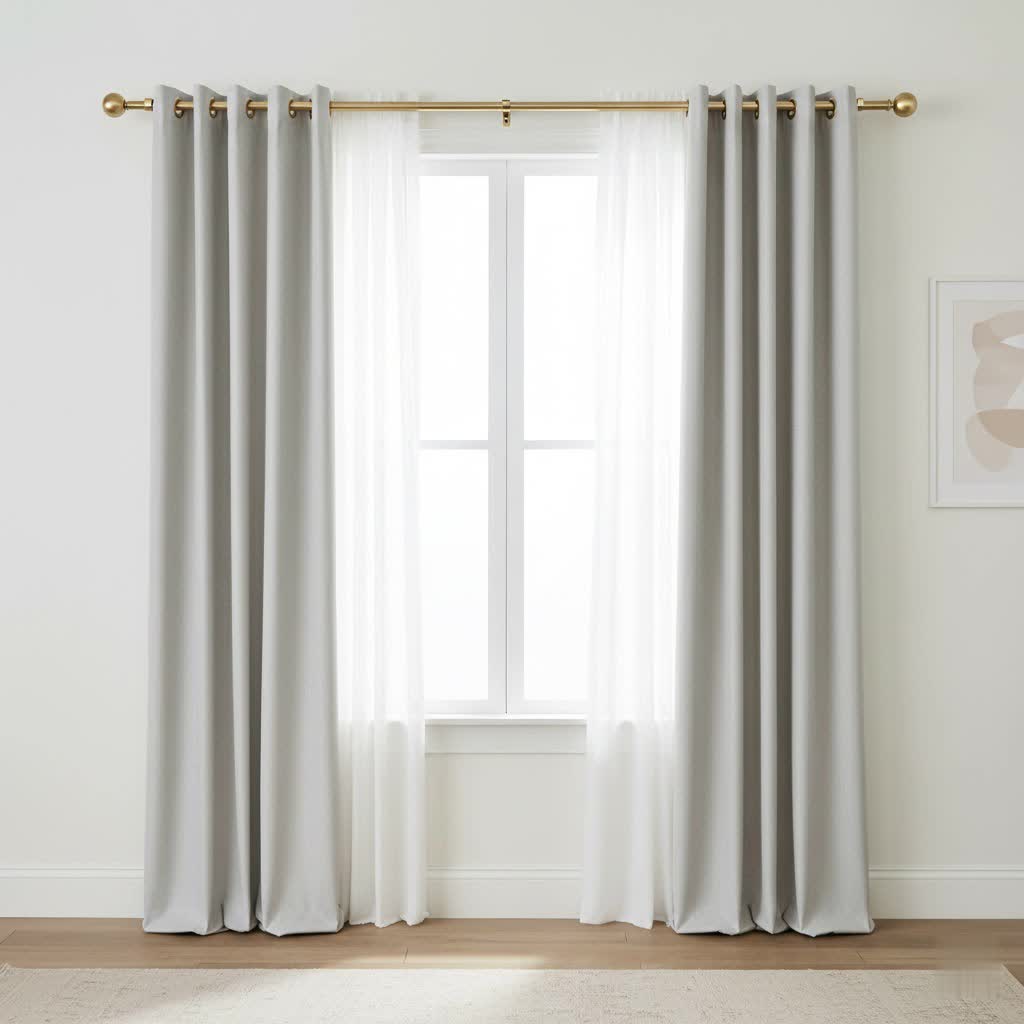
Door curtain rods might seem like a minor detail, but they hold the power to transform the aesthetic appeal and functionality of your doorways. Whether you’re seeking enhanced privacy, improved insulation, or simply a touch of decorative flair, the right door curtain rod can make all the difference. As a seasoned technician with over a decade in the curtain and accessories industry, I’ve seen countless rods, from the simplest tension styles to intricate hinged designs. Let’s delve into the exciting world of door curtain rods and discover the perfect fit for your home.
Unveiling Popular Door Curtain Rod Types
Choosing the right door curtain rod begins with understanding the variety available and how each type serves different needs and door styles. Unlike window rods, door curtain rods often require specialized features to ensure curtains function seamlessly with door movement. For see our curtain rods recommendations on this site.
-
Magnetic Door Curtain Rods: These ingenious rods are a godsend for metal doors, including many French doors, entry doors, and even appliances like refrigerators. They attach securely to any steel surface without the need for drilling, making them ideal for renters or anyone who wants a hassle-free installation. Magnetic rods typically accommodate lightweight curtains and are perfect for sidelights or small glass panels on doors, offering instant privacy and easy adjustment. They come in various adjustable lengths and finishes, blending effortlessly with your decor.
-
Tension Rods: Similar to magnetic rods in their no-drill advantage, tension rods rely on a spring mechanism to exert pressure between two opposing surfaces, such as the inside of a door frame. They are incredibly versatile for lightweight curtains and offer a quick, temporary, or permanent solution without damaging surfaces. While often seen in windows, they are excellent for interior doors where drilling is not preferred.
-
Portiere Rods (Hinged Curtain Rods): For those seeking a truly elegant and practical solution for high-traffic doorways, portiere rods are a standout choice. These specialized rods feature a hinged mechanism that allows the curtain to swing open and close in tandem with the door. This design prevents curtains from getting caught or damaged, providing superior insulation and privacy while maintaining a sophisticated look. They can be mounted on the same wall as the door hinges or an adjacent wall, depending on the desired swing. Often crafted from durable metals like wrought iron or brass, they add a luxurious touch.
-
French Door Curtain Rods: Often referring to specific sizes and mounting styles for French doors, these typically utilize tension or magnetic mechanisms. Some French door rods feature adhesive hooks or minimal screw-in options designed to fit flush within the door frame or directly onto the door’s surface, ensuring curtains move freely with each door panel. They are excellent for light filtering and maintaining privacy without obstructing the door’s operation.
-
Sash Rods: These are slender, subtle rods, often pencil-thin, designed to hold curtains tautly against the glass portion of a door. They are typically mounted with small brackets above and below the glass panel, creating a cafe-style curtain effect. Sash rods offer privacy while allowing natural light to filter through the top or bottom of the door.
-
Decorative Rods (for Sliding Glass Doors): While not exclusively “door” rods, standard decorative rods become door curtain rods when used for sliding glass doors or large patio doors. For these expansive openings, decorative rods should extend 8 to 12 inches beyond the door frame on each side. This extra length allows curtains to be pulled completely off the glass when open, maximizing light and views and preventing them from interfering with door movement. These typically require traditional screw-in brackets for stability.
Decoding Door Curtain Rod Materials: Comparison and Evaluation
|
Our Picks for the Best Curtain Rod in 2026
As an Amazon Associate I earn from qualifying purchases.
|
||
| Num | Product | Action |
|---|---|---|
| 1 | 5/8” Diameter Curtain Rods 30-90 Inch, for 30-84 Inch Windows, Adjustable Splicing Black Curtain Rods for Windows with Brackets, Window Rod Long Small Curtains Rod |

|
| 2 | Double Curtain Rod for Windows 66 to 120 Inches, 1 inch Heavy-Duty Adjustable Imitation Wood Farmhouse Double Curtain Rod, Boho Decorative and Wood Grain Finish, Dual Rod for Living Room and Bedroom |
|
| 3 | YaFex Curtain Rods 32-144 Inch, Heavy Duty 1 Inch Adjustable Curtain Rod for Windows, Black Extra Long Window Treatment Rods, Modern Design, Easy Installation |
|
| 4 | Tension Curtain Rods No Drilling, Extra Long Tension Rod 41-139 Inch, Heavy Duty Shower Curtain Rod for Outdoor Patio Bathroom Windows Room Divider, Adjustable, Anti-Slip, No Rust, Black |
|
| 5 | Curtain Rods for Windows 16 to 144 Inches Adjustable Length 1 Inch Diameter Window Curtain Rod with Aluminium Finials, Black |
|
| 6 | 1” Diameter Curtain Rods Itself is 30 to144 inch 1 Pack Fit 30-142 inch, 66 to 120 inch Window with Heavy Duty Adjustable Rod Matte Black Splicing Metal Extra Long Curtain Rod for Windows |
|
| 7 | Heavy Duty Curtain Rods for Windows 66 to 120 Inch, 1 Inch Gold Curtain Rod Adjustable, Decorative Long Curtains Rods with Metal Finials, Easy Installation and Modern Design (A2,Gold,30"-120") |
|
| 8 | Heavy Duty Curtain Rods for Windows 66 to 120 Inch,1 Inch Adjustable Black Curtain Rod with Easy Installation and Modern Design,Decorative Long Drapery Rods with Metal Finials (A1,Black,30-120") |
|
| 9 | Curtain Rods for windows 32-48 inch, 5/8 inch Decorative Curtain Rod Set, Matte Black Splicing Heavy Duty Metal Curtain Rod with Brackets |
|
| 10 | Wrap Around Curtain Rod Black, Adjustable Blackout Curtain Rods for Windows 48 to 84 Inch, 1" Heavy Duty Room Darkening Drapery Rod, Easy Install and Removal |
|
The material of your door curtain rod significantly impacts its durability, aesthetic, and suitability for different curtain weights.
-
Metal (Steel, Iron, Brass, Aluminum):
- Pros: Highly durable, robust, and available in a vast array of finishes (matte black, brushed nickel, polished brass, oil-rubbed bronze) to match any decor. Steel and iron are excellent for supporting heavier curtains. Iron, in particular, can offer a “grounding and discreet” look and a softer sound when curtain rings slide along it. Aluminum is lightweight and rust-resistant.
- Cons: Can be more expensive than other options. Drilling is typically required for installation, except for magnetic varieties.
- Best For: Modern, industrial, traditional, or eclectic styles. Ideal for heavy d drapes, portiere rods, and high-traffic areas.
-
Wood:
- Pros: Offers a classic, warm, and inviting aesthetic, adding natural texture to your space. Available in various stains and finishes (light oak, dark walnut) to complement different wood tones in your home.
- Cons: Can be more susceptible to scratches or humidity changes than metal. May not be suitable for very heavy curtains unless specifically designed as a thick, sturdy pole.
- Best For: Scandinavian, bohemian, rustic, traditional, or country-inspired homes. Pairs beautifully with natural fabrics like linen or cotton.
-
Plastic/Resin:
- Pros: Lightweight, affordable, and often found in tension rod designs. Easy to clean and resistant to moisture, making them suitable for utility doors or temporary setups.
- Cons: Less durable and generally not designed for heavy curtains. Aesthetic is often more utilitarian than decorative.
- Best For: Lightweight sheers, temporary solutions, utility doors, or areas where aesthetics are secondary to functionality and cost-effectiveness.
When selecting material, consider the weight of your chosen door curtains; heavier fabrics demand a sturdier rod with a larger diameter to prevent sagging over time.
Door Curtain Rod Dimensions and Installation Guidance
Accurate measurement and proper installation are paramount for your door curtain rod to function flawlessly and look its best.
How to Measure for Your Door Curtain Rod:
- Measure the Width:
- For Doors requiring full coverage (e.g., sliding glass doors, exterior doors): Measure the width of your door frame. Add an extra 8 to 12 inches (20-30 cm) to this measurement, allowing the rod to extend beyond the frame on both sides. This ensures that when the curtains are open, they stack neatly off the door, maximizing light and maintaining an unobstructed pathway.
- For In-Frame Rods (e.g., magnetic, tension, sash rods on French doors or sidelights): Measure the exact width of the glass panel or the inside of the door frame where the rod will sit. Ensure the rod’s adjustable range includes this measurement.
- Measure the Height (for placement):
- For Sliding Glass Doors/Tall Doors: Designers often recommend placing the curtain rod at least six inches above the door frame, or even extending it all the way to the ceiling. This creates a more elegant, elongated look and helps curtains clear the door movement more effectively.
- For Interior Doors (portiere rods): The height will depend on your curtain length and desired effect. Ensure there’s enough clearance for the curtain to swing freely without dragging on the floor when the door opens.
- Consider Diameter: The rod’s diameter should be proportionate to your curtain’s weight and style. A good rule of thumb is to opt for rods around 1 inch in diameter for a substantial, elegant look that supports most curtain weights. Thinner rods (e.g., 0.5 inches) are suitable for very light curtains or sash rods.
Simple Steps for Door Curtain Rod Installation:
-
For Drill-Required Rods (e.g., decorative, portiere rods):
- Mark Placement: Using your measurements, mark the spots for your brackets with a pencil. Use a level to ensure perfect horizontal alignment.
- Drill Pilot Holes: Use a drill bit slightly smaller than your screws to create pilot holes.
- Install Anchors (if needed): If drilling into drywall, insert appropriate drywall anchors for secure support. For wood studs, screws can go directly in.
- Secure Brackets: Fasten the brackets to the wall or door frame using a drill or screwdriver.
- Hang Rod and Curtains: Thread your curtains onto the rod, then place the rod onto the installed brackets. Double-check stability.
-
For No-Drill Rods (Magnetic & Tension Rods):
- Measure and Adjust: Measure your door or frame width. Extend the magnetic or tension rod to fit, ensuring it’s slightly wider than the opening for tension, or the right width for magnetic adhesion.
- Install:
- Magnetic: Simply press the rod firmly against the clean steel surface where you want it to sit. The built-in magnets will secure it.
- Tension: Compress the rod and position it between the two surfaces (e.g., inside the door frame). Release the tension so it expands and holds securely.
- Hang Curtains: Most magnetic and tension rods allow you to thread curtains directly onto them or use rings.
“A well-chosen door curtain rod isn’t just hardware; it’s a statement piece that blends functionality with enduring style, enhancing the character of your entire space.”
Door Curtain Rods: A Comparative Overview
| Feature | Magnetic Rods | Tension Rods | Portiere Rods | Decorative Rods (for wide doors) |
|---|---|---|---|---|
| Pros | No drilling, easy install/removal, ideal for metal doors, versatile for small panels. | No drilling, rental-friendly, quick setup, adjustable. | Curtain moves with door, excellent insulation, high-end aesthetic. | Wide range of styles/finishes, supports heavy curtains, full door clearance. |
| Cons | Only for steel surfaces, best for lightweight curtains. | Best for lightweight curtains, can sometimes slip if not properly tensioned. | Requires drilling, more complex installation, higher cost. | Requires drilling, can look bulky if not chosen carefully, may need significant wall space. |
| Best For | French doors, steel entry doors, sidelights, utility doors. | Interior doors, temporary solutions, small doorways. | High-traffic interior doors, draft exclusion, formal entryways. | Sliding glass doors, patio doors, large openings. |
Selecting the Ideal Door Curtain Rod for Your Interior Style
A door curtain rod should harmonize with your home’s existing aesthetic while meeting your functional needs.
- Modern & Minimalist: Opt for sleek metal rods in matte black, brushed nickel, or polished chrome. Choose minimalist finials or French return rods that curve back to the wall for a clean, understated look. Magnetic or tension rods in simple finishes also fit this style for suitable doors.
- Traditional & Classic: Wrought iron portiere rods, brass, or dark wood rods with ornate finials (like decorative spheres or intricate designs) can perfectly complement a traditional interior.
- Farmhouse & Rustic: Consider distressed wood rods or black iron rods with simple, robust finials.
- Bohemian & Eclectic: Embrace unique, hand-finished wood rods or copper rods for a distinctive touch. Mix and match finials for an artistic flair.
Remember to coordinate the rod’s finish with other metal elements in the room, such as door handles, light fixtures, or furniture hardware, to create a cohesive and polished look.
The Ultimate Door Curtain Rod Buying Guide
Choosing the perfect door curtain rod involves several key considerations to ensure satisfaction and longevity.
- Material: Prioritize durability and aesthetic compatibility. Metal offers strength and modern appeal, wood brings warmth, and plastic is budget-friendly for lighter uses.
- Type: Match the rod type to your door. Magnetic or tension rods for no-drill needs, portiere rods for hinged door movement, and substantial decorative rods for wide sliding doors.
- Size (Length & Diameter): Measure meticulously. Ensure the length provides adequate curtain coverage and clearance, and the diameter can support your curtain’s weight without sagging. Aim for a 1-inch diameter for most standard door curtains.
- Style & Finish: Align the rod’s design and color with your interior decor. Consider finials as a decorative opportunity or choose a discrete end cap.
- Installation Method: Decide if you prefer no-drill solutions or are comfortable with permanent installation requiring tools.
- Budget: Door curtain rods range widely in price. Set a budget but prioritize quality for durability, especially for heavy curtains or frequently used doors.
Where to Buy Door Curtain Rods:
- Specialty Curtain & Drapery Stores: Offer a wide selection, including custom options and expert advice.
- Home Improvement Retailers (e.g., Home Depot, Lowe’s): Good for standard, ready-made options, including tension and magnetic rods.
- Online Marketplaces (e.g., Wayfair, Amazon, Etsy): Provide immense variety, competitive pricing, and often feature unique or specialized products like custom portiere rods or niche magnetic solutions. Websites like “The Curtain Shop” and “Desyne Store” specialize in magnetic rods.
- Department Stores (e.g., John Lewis & Partners): Offer a curated selection of decorative rods and accessories.
Checking Quality:
- Feel the Weight: A heavier rod typically indicates better quality material.
- Examine Finish: Ensure the finish is even, free of scratches, and durable.
- Test Adjustability: For adjustable rods, ensure smooth extension and secure locking mechanisms.
- Check Brackets: Brackets should be sturdy and provide adequate support for the rod and curtain weight.
Top Door Curtain Rod Brands to Consider
While many brands offer quality curtain rods suitable for various applications, some specialize or are highly regarded for their robust and stylish options:
- Umbra: Known for modern, innovative designs, including popular blackout rods that can work well for wider door openings (e.g., Umbra Twilight Rod). Their Cappa and Bellwood lines offer attractive and durable options.
- Highland Forge: Praised for custom steel rods, offering a seamless look without telescoping notches, and known for strength and a variety of finishes.
- Kenney Sheridan: A notable brand for magnetic rods, offering reliable no-drill solutions for metal doors and appliances.
- Rod Desyne: Another brand frequently offering magnetic and tension rod options in various finishes.
- S.P. Harrison & Made by the Forge: Specializes in bespoke wrought iron portiere rods, known for their craftsmanship and traditional appeal.
- Cameron Fuller: Offers metal portiere rods in various finishes and finial styles, suitable for both modern and traditional interiors.
These brands provide a spectrum of choices, from practical, budget-friendly solutions to bespoke, high-end pieces, ensuring you find a door curtain rod that aligns with your specific needs and aesthetic preferences.
Conclusion
Selecting the perfect door curtain rod is an investment in both the beauty and practicality of your home. From the convenient, drill-free magnetic and tension rods to the sophisticated, hinged portiere rods, each type offers unique advantages. By carefully considering your door type, desired style, and functional requirements, you can choose a rod that not only supports your curtains but also enhances your living space. A well-chosen door curtain rod can truly transform an ordinary doorway into a functional focal point, providing privacy, insulation, and a touch of refined elegance.
Ready to find the ideal match for your doors? What unique challenges has your doorway presented when choosing curtain rods?
Frequently Asked Questions
What is the best type of door curtain rod for French doors?
For French doors, magnetic rods or tension rods are often considered the best “no-drill” options, as they attach directly to the metal door surface or fit snugly within the frame, allowing curtains to move with the door without obstruction. These are ideal for lightweight curtains and provide privacy while preserving the door’s integrity.
How high should I install a curtain rod above a sliding glass door?
To ensure curtains clear the door movement and maximize light, install a curtain rod at least six inches above the sliding glass door frame. For a more dramatic and expansive look, many designers recommend extending the rod all the way to the ceiling.
Can I use a standard curtain rod on a door?
While possible, a standard curtain rod designed for windows may not be ideal for a door. It often requires drilling into the door frame or wall, and the curtain may interfere with the door’s opening and closing. Specialized door curtain rods like magnetic, tension, or portiere rods are generally more suitable for seamless integration.
What materials are best for heavy door curtains?
For heavy door curtains, metal rods made from steel or wrought iron are highly recommended due to their superior strength and durability. These materials can support significant weight without sagging and are often found in larger diameters, providing robust support and a substantial aesthetic.
How do portiere rods work?
Portiere rods are hinged curtain rods designed specifically for doors. They feature a mechanism that allows the rod, and thus the curtain, to swing open and close in synchronization with the door’s movement. This design prevents drafts, enhances insulation, and ensures the curtain does not get trapped when the door is used.
Get our weekly buyer guide
Practical specs, not advice. Unsubscribe anytime.

I’ve always overlooked door curtain rods, but this really opened my eyes to their potential. I used to just have a plain old window rod on my front door, and it always looked a bit off. Upgrading to a proper door rod has seriously improved the insulation and added a much-needed decorative flair. So glad I read this!
The section on specialized features for door curtain rods was super helpful. I never realized there was so much to consider beyond just the look. I ended up going with a magnetic rod for my metal door, and it works perfectly. No drilling, no fuss, and it looks really clean.
I tried one of the tension styles for my back door, and while it was easy to install, it just didn’t hold up as well as I’d hoped. The curtain kept slipping down after a few days. I think for a high-traffic door, I’ll need to invest in something more permanent next time. It’s fine for a temporary fix though.
I was really struggling to find a good solution for my French doors. The hinged designs mentioned here were a game-changer! I love how the curtains move with the door now, instead of getting caught. It’s made such a difference in both privacy and the overall look of my entryway.