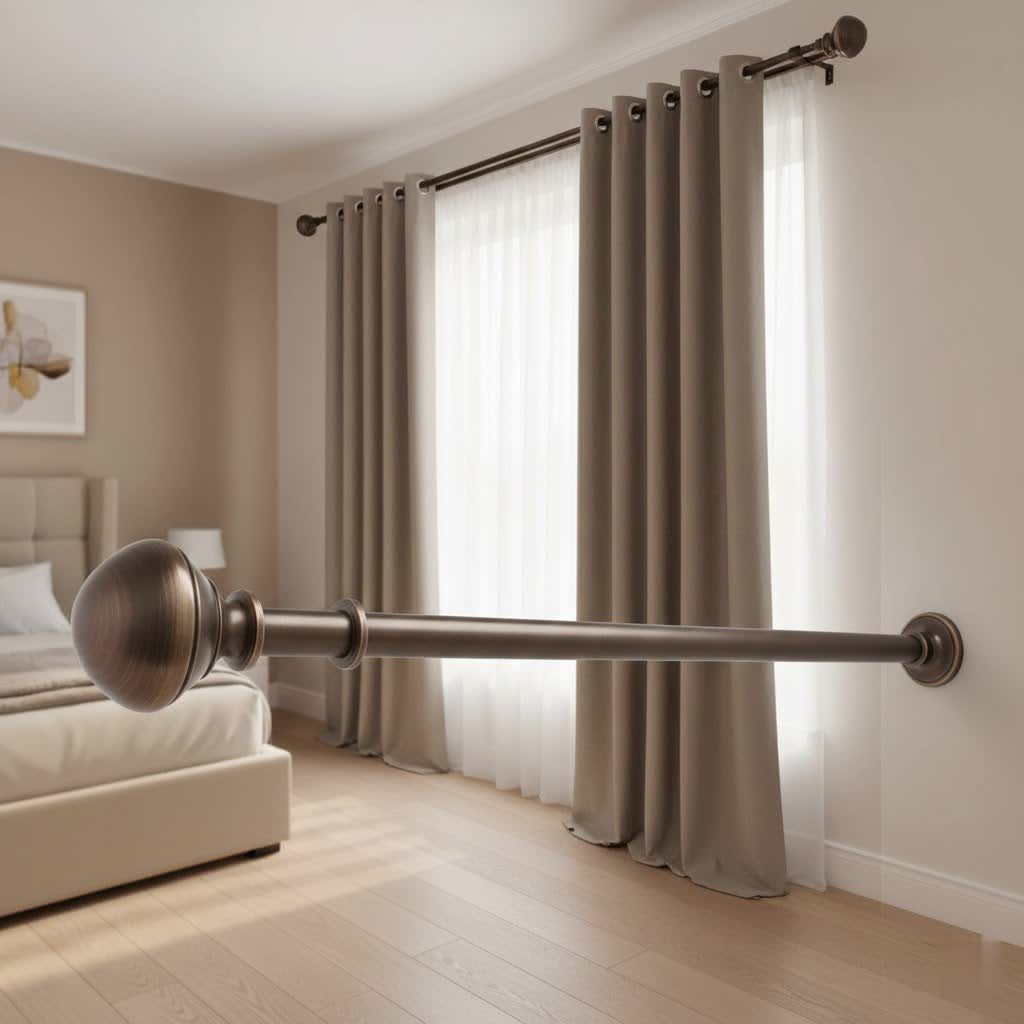
A single curtain rod, often overlooked, is the foundational element that can transform any window into a focal point, merging functionality with sophisticated style. More than just a utility, the right curtain rod elevates your drapery, controls light, and contributes significantly to your room’s overall aesthetic. If you’re looking to enhance your living space, understanding the nuances of selecting and installing a single curtain rod is essential to achieving a polished and harmonious interior design.
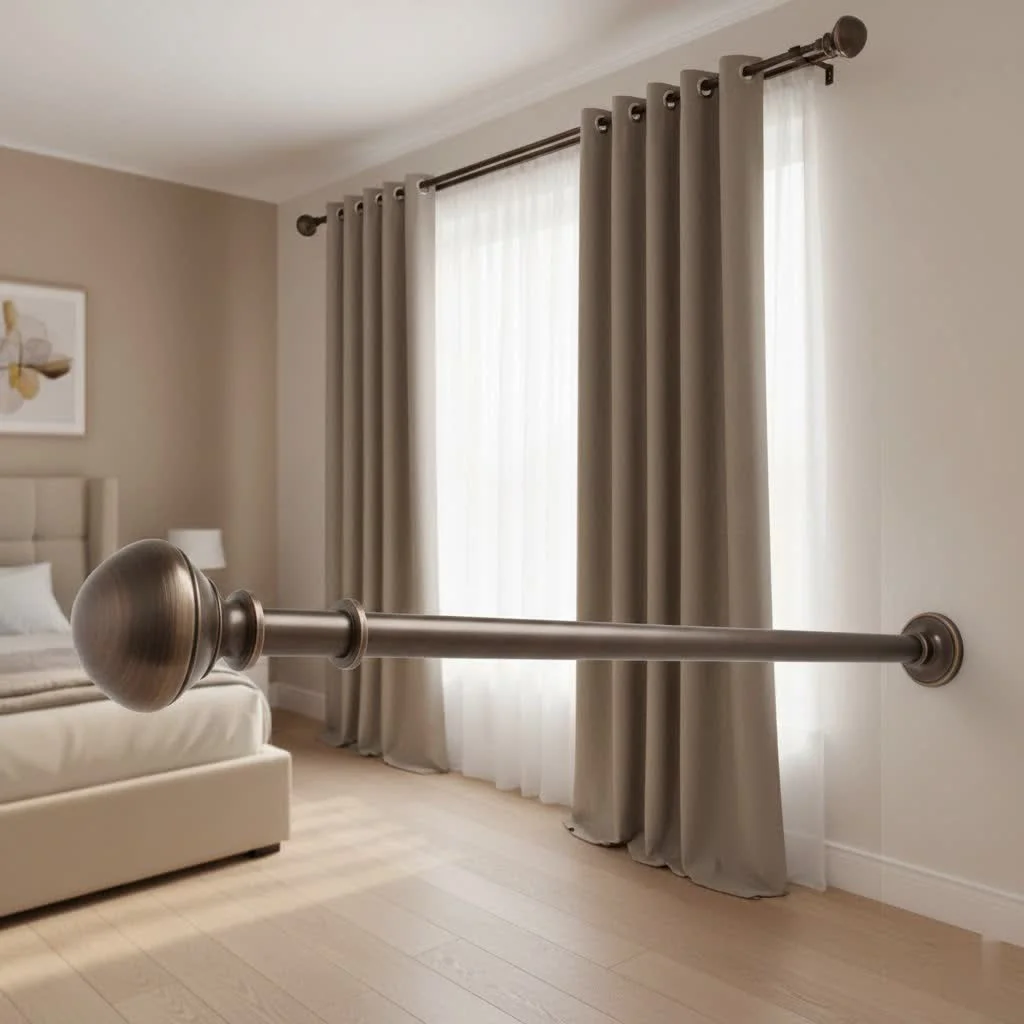
Understanding Single Curtain Rods: The Foundation of Your Window Decor
A single curtain rod is the most common type of curtain hardware, designed to hold one layer of window treatment. Unlike double rods, which accommodate two layers (such as sheers and blackout curtains), single rods offer a streamlined, uncluttered look, perfect for rooms where one curtain layer suffices. They provide a classic solution for hanging decorative panels, lightweight sheers, or robust blackout drapes, defining the window frame with elegance and purpose. Choosing a single rod means prioritizing a clean aesthetic and efficient light control without the complexity of multiple layers. For curtain rods buying guides on this site.
Explore Popular Single Curtain Rod Types
The versatility of single curtain rods extends to a variety of types, each serving distinct functional and aesthetic purposes.
- Decorative Curtain Rods: These are the most prevalent, characterized by ornamental finials or endcaps that add a decorative touch to the ends of the rod. Available in countless styles, sizes, and finishes (like wood, brass, iron, or brushed nickel), they are often extendable to fit a range of window sizes. Decorative rods are ideal for any window in your home, including sliding doors, and allow for significant personal expression through their unique finial designs, from sleek minimalist to ornate vintage styles.
- Tension Rods: Distinguished by their non-permanent, pressure-mounted design, tension rods require no drilling. They extend by twisting or spring action to fit snugly within a window frame. Best suited for smaller windows in areas like kitchens or bathrooms, or for temporary solutions in apartments and rentals, they are perfect for lightweight curtains or shower curtains where a “no-holes” policy applies.
- French Return Rods: Also known as return rods, these innovative designs feature a 90-degree curve at each end, allowing the curtain to wrap around and sit flush against the wall. This design effectively blocks light bleed from the sides and creates a neat, integrated look, making them excellent for a clean, modern aesthetic or in bedrooms where maximum light blockage is desired.
- Curtain Tracks/Rails: While not a “rod” in the traditional sense, curtain tracks or rails offer a contemporary alternative for hanging single panels. They provide a sleek, minimalist appearance where the hanging mechanism is often less visible, allowing curtains to slide effortlessly. They are a great choice for a modern aesthetic or for spaces where a more discreet hanging solution is preferred.
Choosing the Right Material for Your Single Curtain Rod
The material of your single curtain rod plays a crucial role in its durability, aesthetic appeal, and suitability for your chosen curtains.
- Metal Rods: Known for their strength and modern appeal, metal rods are available in a vast array of finishes such as brushed nickel, bronze, black iron, and polished brass. They are highly durable and excellent for supporting heavier curtains or drapes, especially thicker options like 1 ¼-inch or 2-inch diameter rods made of steel. Metal rods complement contemporary, industrial, and even traditional décors, depending on their finish and finial design.
- Wooden Rods: Offering classic warmth and a natural aesthetic, wooden rods are a timeless choice. They are sturdy and suitable for medium to heavy curtains, adding a touch of traditional or rustic charm to a room. Available in various stains and finishes, wooden rods integrate beautifully with natural materials and traditional furniture, providing a cozy and inviting atmosphere.
- Plastic Rods: Typically the most budget-friendly option, plastic rods are lightweight and best suited for very light curtains or sheers. While they may not offer the same durability or aesthetic sophistication as metal or wood, they are practical for temporary solutions or in spaces where a discreet and economical option is preferred.
When selecting a material, consider the weight of your curtains—thicker, heavier fabrics require a sturdier rod with a larger diameter for proper support. Also, ensure the rod’s finish complements other hardware in the room, such as door handles or light fixtures, for a cohesive design.
Sizing and Installation: Achieving the Perfect Look
Proper sizing and installation are paramount for both the functionality and visual impact of your single curtain rod.
Measuring for Length
|
Our Picks for the Best Curtain Rod in 2026
As an Amazon Associate I earn from qualifying purchases.
|
||
| Num | Product | Action |
|---|---|---|
| 1 | 1” Diameter Curtain Rods Itself is 30 to144 inch 1 Pack Fit 30-142 inch, 66 to 120 inch Window with Heavy Duty Adjustable Rod Matte Black Splicing Metal Extra Long Curtain Rod for Windows |

|
| 2 | Curtain Rods for Windows 16 to 144 Inches Adjustable Length 1 Inch Diameter Window Curtain Rod with Aluminium Finials, Black |
|
| 3 | Tension Curtain Rods No Drilling, Extra Long Tension Rod 41-139 Inch, Heavy Duty Shower Curtain Rod for Outdoor Patio Bathroom Windows Room Divider, Adjustable, Anti-Slip, No Rust, Black |
|
| 4 | Heavy Duty Curtain Rods for Windows 66 to 120 Inch, 1 Inch Gold Curtain Rod Adjustable, Decorative Long Curtains Rods with Metal Finials, Easy Installation and Modern Design (A2,Gold,30"-120") |
|
| 5 | Heavy Duty Curtain Rods for Windows 66 to 120 Inch,1 Inch Adjustable Black Curtain Rod with Easy Installation and Modern Design,Decorative Long Drapery Rods with Metal Finials (A1,Black,30-120") |
|
| 6 | Curtain Rods for windows 32-48 inch, 5/8 inch Decorative Curtain Rod Set, Matte Black Splicing Heavy Duty Metal Curtain Rod with Brackets |
|
| 7 | 5/8” Diameter Curtain Rods 30-90 Inch, for 30-84 Inch Windows, Adjustable Splicing Black Curtain Rods for Windows with Brackets, Window Rod Long Small Curtains Rod |
|
| 8 | YaFex Curtain Rods 32-144 Inch, Heavy Duty 1 Inch Adjustable Curtain Rod for Windows, Black Extra Long Window Treatment Rods, Modern Design, Easy Installation |
|
| 9 | Double Curtain Rod for Windows 66 to 120 Inches, 1 inch Heavy-Duty Adjustable Imitation Wood Farmhouse Double Curtain Rod, Boho Decorative and Wood Grain Finish, Dual Rod for Living Room and Bedroom |
|
| 10 | Wrap Around Curtain Rod Black, Adjustable Blackout Curtain Rods for Windows 48 to 84 Inch, 1" Heavy Duty Room Darkening Drapery Rod, Easy Install and Removal |
|
To determine the ideal length, measure the width of your window frame. A general rule of thumb is to add an extra 4 to 6 inches on each side of the window frame, allowing the curtains to be pulled back fully, exposing the entire window and maximizing natural light. For an even grander look that makes windows appear wider, extend the rod 8 to 15 inches beyond each side of the window frame. Standard curtain rod lengths typically range from 24 to 144 inches. For very wide windows, extendable or telescoping rods offer flexibility, and multiple rods can be joined with internal splices or connectors for extra-long spans.
Selecting the Right Diameter
The rod’s diameter affects both its strength and style. A thinner rod (e.g., ¾-inch) is suitable for lighter curtains or a delicate aesthetic, while a thicker rod (e.g., 1 ¼-inch or 2-inch) provides greater support for heavy drapes and makes a bolder statement. Ensure the chosen diameter works with your curtain’s hanging style (e.g., grommets, rod pockets).
Optimal Height Placement
Hanging your curtain rod at the correct height can dramatically enhance the perception of window size and ceiling height. A common practice is to hang the rod approximately 4 inches above the top of the window frame. For a more expansive feel, position the rod about two-thirds of the way between the top of your window frame and the ceiling. This “high and wide” approach creates the illusion of taller, larger windows and can make your entire room feel more spacious.
Step-by-Step Installation Guide
Installing a single curtain rod is a straightforward DIY project with the right tools and guidance.
- Mark Placement: Measure and mark the desired height and width for your brackets with a pencil. Use a level to ensure your marks are perfectly horizontal.
- Drill Pilot Holes: Drill pilot holes at your marked screw locations. If you’re not drilling into a wall stud, insert appropriate wall anchors for added support, especially for heavier curtains or longer rods.
- Attach Brackets: Securely fasten the brackets to the wall using screws. For rods longer than 4 feet or those supporting heavy drapes, consider adding a center support bracket to prevent sagging.
- Thread Curtains: Unscrew one finial from the rod and slide your curtain panels onto the rod.
- Secure the Rod: Place the rod into the mounted brackets. Tighten any set screws on the brackets to hold the rod firmly in place. Reattach the finials.
“A well-chosen single curtain rod is not just a utility; it’s a design statement that frames your view and enhances your home’s character.”
Single Curtain Rod Comparison Table
| Feature | Decorative Rod | Tension Rod | French Return Rod |
|---|---|---|---|
| Pros | Highly versatile, wide range of styles & finishes, elegant finials | No drilling required, easy to install & remove, rental-friendly | Blocks side light effectively, sleek, contemporary aesthetic |
| Cons | Requires drilling, may sag if too long without center support | Limited weight capacity, less decorative, less secure | Requires precise measurement, specific aesthetic might not fit all styles |
| Best For | Enhancing decor, most window types, medium-to-heavy curtains | Small windows, temporary use, renters, shower curtains | Minimalist rooms, bedrooms, maximizing light blockage |
| Typical Mount | Wall-mounted brackets | Pressure-fit within window frame | Wall-mounted, flush with wall |
| Finials | Yes, decorative | No | No, curved ends integrate with wall |
Styling Your Space: Single Curtain Rods for Every Room
A single curtain rod can dramatically influence the ambiance of different rooms:
- Living Room: Opt for decorative rods with elegant finials in finishes that complement your furniture and existing hardware. A thicker, more substantial rod can anchor the window and balance other design elements.
- Bedroom: French return rods are excellent for bedrooms as they minimize light gaps, promoting better sleep. Alternatively, a sleek metal rod with understated finials can maintain a serene aesthetic.
- Kitchen & Bathroom: Tension rods are often practical for smaller windows in these areas, offering flexibility and easy removal for cleaning. For a more permanent solution, choose a moisture-resistant material like stainless steel.
- Creating Illusions: Remember the “hang high and wide” trick to make any room feel more expansive. This simple styling tip can elevate a modest window into a grand focal point, drawing the eye upwards and outwards. Coordinate the rod’s color and material with your window treatments and room palette for a cohesive, professional look.
Smart Buying Guide for Single Curtain Rods
When purchasing a single curtain rod, several factors should guide your decision to ensure you select the perfect hardware for your needs.
- Material and Durability: Consider the weight of your curtains. Heavy drapes require sturdy metal or thick wooden rods, while sheers can be supported by lighter materials. Quality construction ensures longevity.
- Size (Length and Diameter): Accurately measure your window and account for the recommended extension beyond the frame. Choose a diameter that is proportionate to your curtains and the overall room scale – a thin rod in a large room might look lost, while a thick rod in a small space can overwhelm.
- Style and Finish: The rod should align with your interior design theme. Do you need a minimalist look, or something more ornate? Match the finish (e.g., brushed nickel, antique bronze, matte black) to other hardware elements in the room for a harmonious aesthetic.
- Weight Capacity: Check the product specifications for the maximum weight the rod can support, especially if you have heavy, insulated, or multiple curtain panels.
- Budget: Single curtain rods are available at various price points. Determine your budget but consider investing in higher quality for durability and a better aesthetic, especially for main living areas.
- Where to Buy: You can find single curtain rods at specialty drapery stores, large home improvement retailers (online and in-store), and online marketplaces. Specialty stores often offer a wider selection of unique designs and custom options.
- Check for Sets: Many manufacturers offer complete single curtain rod sets that include the rod, brackets, and finials or endcaps, ensuring all components match in style and finish.
Top Single Curtain Rod Brands
Reputable brands in the curtain hardware industry stand out for their commitment to quality, design variety, and ease of installation. Brands such as Kirsch are frequently recognized for their extensive collections, offering durable materials, thoughtful engineering, and a wide array of styles from classic to contemporary. When evaluating brands, look for those with positive customer reviews, clear installation instructions, and a reputation for long-lasting products. A brand that provides robust support brackets, quality finishes, and versatile sizing options (including extendable or custom-length rods) will ensure your window treatments are both beautiful and functional.
Conclusion
The single curtain rod, though seemingly a minor detail, holds immense power in defining your home’s aesthetic and functional comfort. From selecting the appropriate type and material to mastering the art of precise measurement and installation, each step is an opportunity to tailor your space to perfection. By embracing the versatility and design potential of single curtain rods, you not only enhance light control and privacy but also infuse your rooms with a personalized elegance that resonates with your unique style. So, which type of single curtain rod will you choose to transform your windows and elevate your home’s décor?
Frequently Asked Questions
What is the ideal length for a single curtain rod?
The ideal length for a single curtain rod is typically the width of your window frame plus an additional 4 to 6 inches on each side. This extension allows your curtains to fully clear the window when open, maximizing natural light and creating a more expansive look for your window. For a truly dramatic effect, consider extending the rod 8 to 15 inches beyond each side.
How high should I hang a single curtain rod?
For standard windows, a good rule of thumb is to hang your single curtain rod about 4 inches above the top of the window frame. To create the illusion of taller ceilings and larger windows, position the rod approximately two-thirds of the way between the top of your window frame and the ceiling. Always use a level to ensure perfect alignment.
Can a single curtain rod hold heavy curtains?
Yes, a single curtain rod can hold heavy curtains, but it depends on the rod’s material, diameter, and the number of support brackets. Thicker rods made of sturdy materials like metal (e.g., steel or wrought iron) are best for heavy drapes. For longer rods or very heavy curtains, installing a center support bracket is crucial to prevent sagging and ensure stability.
What’s the difference between a single curtain rod and a double curtain rod?
A single curtain rod is designed to hold one layer of curtain panels, offering a clean and straightforward window treatment. A double curtain rod, conversely, features two parallel rods, allowing you to hang two distinct layers of window treatments, such as sheers closer to the window and heavier drapes on the outer rod, providing greater flexibility in light control and privacy.
Get our weekly buyer guide
Practical specs, not advice. Unsubscribe anytime.
