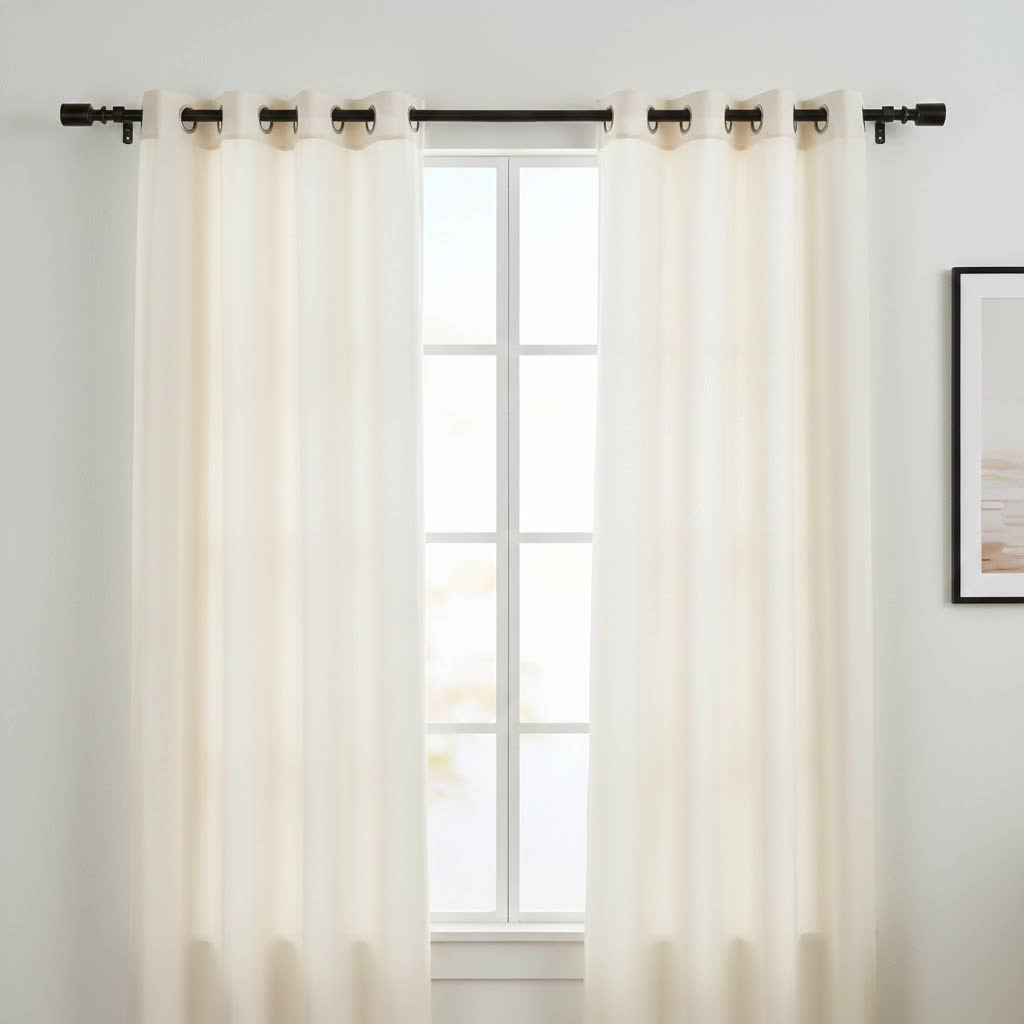
Imagine a home where every detail contributes to a serene and inviting atmosphere, where curtains hang with an effortless grace, framing your views beautifully. This often starts with the right hardware, and the pocket curtain rod is a timeless choice for achieving a soft, gathered aesthetic. Whether you’re a seasoned DIY enthusiast or new to home decor, understanding these versatile rods can improve your living spaceIn this comprehensive guide, we’ll explore everything you need to know about pocket curtain rods, from selecting the perfect fit to mastering their installation, helping you create a polished and harmonious look in any room.
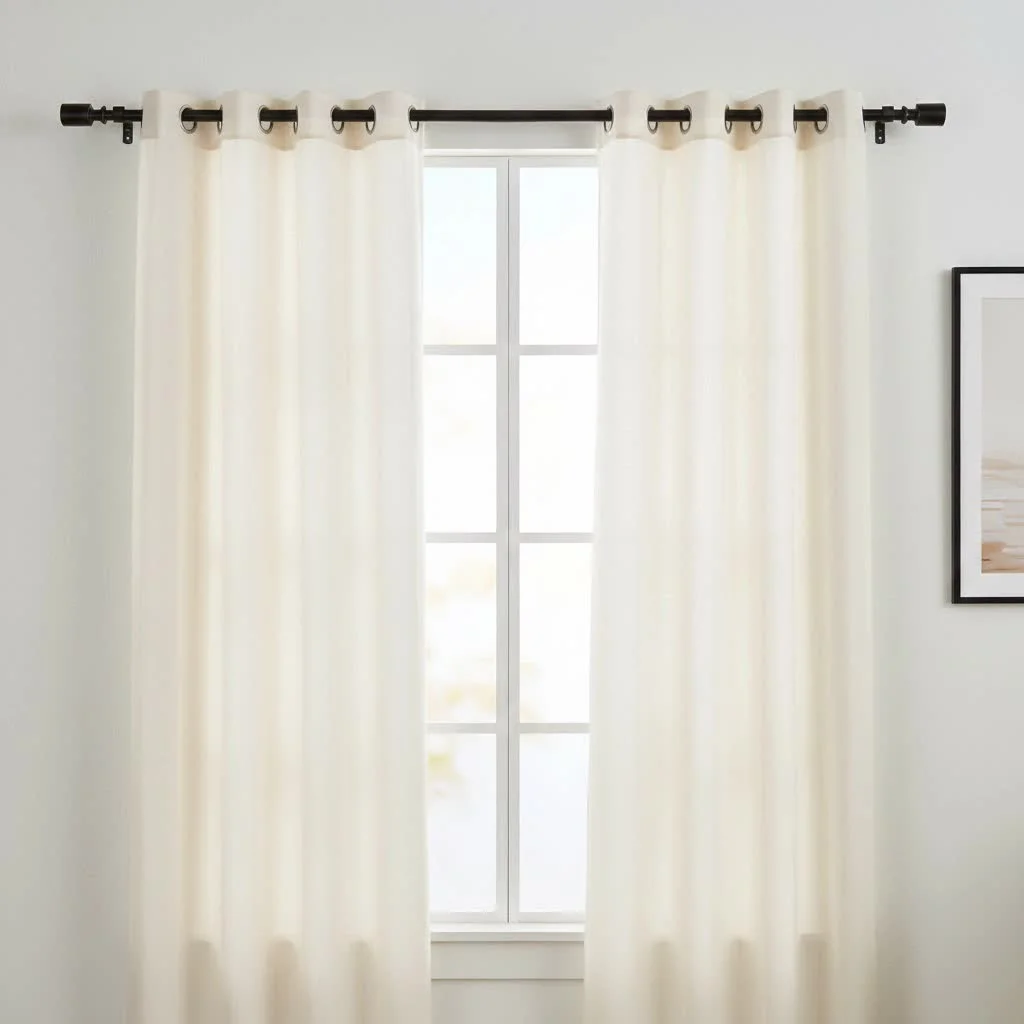
What is a Pocket Curtain Rod?
A pocket curtain rod, also commonly known as a pole pocket rod, is a simple yet elegant curtain hanging system where the curtain fabric itself forms a “pocket” or sleeve through which the rod is threaded. This design creates a charming, gathered effect at the top of the curtain panel, contributing to a soft and draped appearance that exudes a classic or casual allure.
The “pocket” is formed by folding the fabric back on itself and sewing it down, leaving a channel for the rod. The size of this pocket is crucial for a proper fit. Standard rod pockets typically come in sizes like 1.5 inches or 3 inches deep. A 1.5-inch pocket is usually designed for a standard 1-inch curtain rod or a decorative rod with a diameter of 13/16 inches or smaller. For wider rods, such as a 2.5-inch continental rod or a decorative rod measuring 1 3/8 to 1.5 inches in diameter, a 3-inch rod pocket is recommended. Some curtain styles may also feature a “header”—a small ruffled section of fabric that sits above the rod, adding an extra touch of decorative flair.
Materials and Aesthetics: Choosing Your Pocket Curtain Rod
The material and finish of your pocket curtain rod play a significant role in defining your room’s aesthetic, influencing everything from its durability to its overall visual impact. Selecting the right material involves considering your desired style, the weight of your curtains, and your budget.
Common materials for curtain rods include:
- Metal: Offering a sleek and modern look, metal rods are highly durable and come in a vast array of finishes like brushed nickel, bronze, black, and brass. They are excellent for supporting heavier fabrics and contributing to a contemporary or industrial design.
- Wood: Wooden rods introduce warmth and a touch of rustic charm or traditional elegance to a space. Available in various stains and painted finishes, they complement a range of decor styles, from farmhouse to classic.
- Plastic/Aluminum: These lighter-weight options are often more budget-friendly and suitable for sheer or very light curtains. While they might not offer the same robust support or decorative impact as metal or wood, they are practical for smaller windows or less frequently used curtains.
When choosing, consider how the rod’s material and finish will harmonize with other hardware in your room, such as door handles, light fixtures, and furniture accents. A cohesive approach ensures your window treatments seamlessly integrate into your overall interior design. For instance, a thin, delicate metal rod might suit a minimalist aesthetic, while a thicker, ornate wooden rod could become a statement piece in a more traditional setting.
Sizing and Measurement for a Perfect Fit
Achieving the perfect look with your pocket curtain rods hinges on precise measurements. Incorrect sizing can lead to sagging curtains, an awkward appearance, or even difficulty in opening and closing your drapes.
1. Matching Rod Diameter to Pocket Size:
This is perhaps the most critical step. As noted earlier, the curtain’s pocket size must accommodate the rod’s diameter snugly, but not so tightly that the curtain cannot be adjusted. A general rule of thumb is that the rod’s diameter should be slightly smaller than the pocket’s circumference to allow for comfortable movement and proper shirring. For sheer fabrics, a thin rod (1.3–2.5 cm) is usually sufficient. Medium-weight fabrics like cotton or blends pair well with medium rods (2.5–3.8 cm), while heavy fabrics such as blackout or velvet curtains require thicker, more robust rods (3.8–5 cm) to prevent sagging.
2. Measuring Curtain Width for Fullness:
For a lush, gathered look, your curtain panels should be wider than your window. To determine the ideal width for your curtains, measure the width of your window and multiply it by 1.5 to 3 times.
- 1.5x fullness: Provides a more minimalistic, less gathered look.
- 2x fullness: A common choice for a good balance of drape and fullness.
- 2.5x to 3x fullness: Creates a luxurious, highly gathered effect, ideal for a grander statement.
if you are using multiple panels, the combined width should meet your desired fullness.
3. Measuring Curtain Length:
Measure from the very top of where your curtain rod will be placed down to your desired endpoint. Common lengths include:
- Sill length: Just touching the windowsill, ideal for a casual look or windows with obstructions below.
- Apron length: Extending a few inches below the windowsill.
- Floor length: Skimming the floor (approximately 1/2 to 1 inch above the floor) for a clean, classic appearance.
- Puddled length: Allowing the fabric to pool gracefully on the floor for a dramatic and romantic effect.
that the curtain’s stated length usually includes the rod pocket, but not any header that might extend above it.
4. Rod Extension Beyond the Window:
To maximize light and make your windows appear larger, the curtain rod should extend beyond the window frame. A general guideline is to allow the rod to extend at least 6 to 12 inches on each side of the window. This extra length ensures that when the curtains are fully open, they can stack neatly off the glass, allowing maximum natural light to enter the room.
Pros and Cons of Pocket Curtain Rods
Pocket curtain rods, while popular, come with their own set of advantages and disadvantages. Understanding these can help you decide if they are the right choice for your home.
| Feature | Advantages | Disadvantages |
|---|---|---|
| Aesthetics | Simple, unfussy, classic, and relaxed look. Hides the rod for a neat appearance. | Can look less structured without layering. |
| Installation | Easy to install, minimal hardware (no rings/clips). Affordable and cost-effective. | |
| Functionality | Good for stationary panels or windows not frequently opened. Can be lined for blackout/insulation. | Hard to slide, not ideal for daily opening/closing (especially with heavy fabrics). Cannot pass support brackets on long rods. Some light leakage/airflow if unlined. |
| Style Versatility | Adapts to traditional, country, casual, shabby chic, and some modern spaces. | Not best for heavy or oversized curtains that need frequent drawing. |
Pocket curtain rods are perfect for spaces where curtains are primarily decorative or for windows that don’t require frequent opening and closing, such as dining rooms, guest bedrooms, or less-used living areas. Their ease of installation and cost-effectiveness also make them a popular choice for renters or those on a budget. However, for windows that require daily adjustments or for very heavy drapery, other hanging styles like grommet or ring-top curtains might offer smoother operation.
Installing Your Pocket Curtain Rods
Installing pocket curtain rods is a straightforward process that can be easily accomplished with basic tools. Follow these steps for a secure and stylish setup:
1. Gather Your Tools: You’ll need a tape measure, a pencil, a level, a drill, screws, wall anchors (if drilling into drywall), and the curtain rod with its brackets.
2. Determine Rod Placement:
- Height: For an illusion of taller windows, mount the rod 4 to 6 inches above the window frame. Many homeowners opt to go even higher for a more dramatic effect.
- Width: Extend the rod 6 to 12 inches beyond the window frame on each side. This allows the curtains to stack back fully, maximizing natural light.
- Center Support: For curtain rods longer than 4 feet or supporting heavy curtains, a center support bracket is essential to prevent sagging. Mark its position precisely in the middle.
3. Mark Bracket Placement: Hold a bracket in place according to your measurements. Use a pencil to mark the screw holes. Repeat for all brackets, ensuring all marks are level across the window. Using a level is crucial for a professional-looking installation.
4. Drill Pilot Holes: Using a drill bit slightly smaller than your screws, drill pilot holes at your marked spots. If you’re drilling into drywall without hitting a stud, insert wall anchors to ensure the brackets are securely fastened.
5. Install the Brackets: Securely screw the brackets into place. Make sure they are firmly attached to the wall.
6. Thread Curtains and Mount the Rod: Carefully thread your pocket curtains onto the rod. If you have multiple panels, ensure they are threaded in the correct order. Once the curtains are on the rod, place the rod onto the installed brackets. If using finials, attach them to the ends of the rod.
7. Adjust and Style: Once hung, adjust the curtain panels evenly across the rod to achieve your desired gathered look. Step back and admire your newly transformed window!
Styling Your Space with Pocket Curtain Rods
Pocket curtain rods offer a canvas for creativity, allowing you to enhance your home’s aesthetic with thoughtful styling. Their inherent soft, gathered look makes them particularly suitable for certain interior design styles and rooms.
Best Rooms and Interior Styles:
Pocket curtains thrive in spaces that embrace a casual, relaxed, or traditional ambiance. They are ideal for:
- Living Rooms and Dining Areas: Where you might want a soft, elegant drape that doesn’t need to be frequently opened or closed.
- Bedrooms: Especially when paired with blackout lining for privacy and light control.
- Kitchens and Bathrooms: With cafe-style curtains or valances for a quaint and charming touch.
- Traditional, Country, Farmhouse, or Shabby Chic Decors: Their inherent charm perfectly complements these aesthetics. They can also adapt to more minimalist spaces with the right fabric choice.
Fabric Considerations:
The fabric you choose will significantly impact the curtain’s drape and functionality with a pocket rod.
- Lightweight fabrics like sheer linen, cotton, or voile work beautifully, creating delicate gathers and allowing natural light to filter through. They also slide more easily if occasional adjustment is needed.
- Medium-weight fabrics such as standard cotton blends offer good drape and privacy without being too cumbersome.
- Heavy fabrics like velvet or thermal linings can be used for blackout or insulation purposes, but be aware that they will be much harder to slide along the rod, making them best for stationary applications. Avoid overly stiff or heavy materials if you anticipate regular opening and closing.
Layering Options:
Pocket curtains can be beautifully layered to add depth, texture, and functionality.
- Sheers under solid panels: Create privacy during the day while allowing light, then draw solid panels for full privacy at night.
- Valances or swags: Add a decorative top treatment over your pocket curtains for a more elaborate or layered look.
- Clip rings: For heavier pocket curtains that you might need to adjust occasionally, clip rings can be attached to the top edge of the fabric. This allows the curtain to slide more smoothly along the rod, mimicking the functionality of ring-top curtains while retaining the gathered aesthetic of the pocket.
Modern Trends:
While traditionally casual, pocket curtain rods can be modernized by choosing contemporary fabrics (like crisp linen or solid colors) and metallic rod finishes. Opting for a wider rod pocket and a minimal header can also create a cleaner, more tailored interpretation of the classic style.
Buying Guide: What to Consider Before You Buy
Choosing the right pocket curtain rod can feel overwhelming with the many options available. To make an informed decision, keep these key factors in mind:
1. Material and Durability:
- Consider the weight of your curtains: Heavy curtains demand sturdy rods (metal or solid wood) to prevent sagging. Lightweight curtains can use less robust materials.
- Think about longevity: High-quality metal or wood rods are an investment that will last for years.
2. Size (Diameter and Length):
- Rod Diameter: Ensure it’s compatible with your curtain’s rod pocket size for a snug yet functional fit. Refer to sizing guidelines (e.g., 1.5-inch pocket for 1-inch rod).
- Rod Length: Measure your window width and add 12 to 24 inches (6-12 inches per side) for extension. Choose an adjustable rod or one that can be custom cut to fit.
3. Style and Aesthetics:
- Match your decor: Select a rod material and finish that complements your room’s existing style and color scheme.
- Finials: These decorative end pieces contribute significantly to the rod’s overall look. Choose finials that enhance your desired aesthetic.
- Header vs. No Header: Decide if you want a ruffled header above the rod or a cleaner look where the fabric starts right at the rod.
4. Ease of Installation:
- Most pocket curtain rods are designed for straightforward installation with basic tools. Consider whether you prefer a tension rod (no drilling required, best for lightweight curtains in window frame) or a mounted rod (more secure, versatile).
5. Price and Budget:
- Prices vary widely based on material, brand, and design. Set a budget but prioritize quality for durability and aesthetic appeal. that a good curtain rod is a long-term investment in your home’s decor.
Where to Buy:
You can find pocket curtain rods at a variety of retailers:
- Specialty Curtain and Drapery Stores: Often offer a wider selection of high-quality and custom options.
- Home Improvement Stores: Good for standard sizes, various materials, and competitive pricing.
- Department Stores and Home Goods Retailers: Provide a balance of style and affordability.
- Online Marketplaces: Offer extensive selections and often competitive prices, but always check reviews and return policies.
When purchasing, physically inspect the rod if possible for any defects. For online orders, read product descriptions carefully, paying close attention to dimensions and material specifications to ensure you receive a product that meets your expectations.
Conclusion
Pocket curtain rods are a cornerstone of classic window treatments, offering a blend of simplicity, elegance, and warmth that can transform any space. By understanding their unique characteristics, from the critical relationship between rod diameter and pocket size to their ideal styling applications, you can harness their potential to create truly inviting interiors. While they excel in delivering a soft, gathered aesthetic and are remarkably easy to install, it’s essential to consider their limitations, particularly if frequent curtain movement is a daily necessity.
A well-chosen pocket curtain rod is more than just a functional element; it’s a design statement that contributes to the overall ambiance of your home. Are you ready to embrace the timeless charm and effortless style that pocket curtain rods can bring to your living space?
Frequently Asked Questions
What is the difference between a rod pocket and a back tab curtain?
|
Our Picks for the Best Curtain Rod in 2026
As an Amazon Associate I earn from qualifying purchases.
|
||
| Num | Product | Action |
|---|---|---|
| 1 | 1” Diameter Curtain Rods Itself is 30 to144 inch 1 Pack Fit 30-142 inch, 66 to 120 inch Window with Heavy Duty Adjustable Rod Matte Black Splicing Metal Extra Long Curtain Rod for Windows |

|
| 2 | Curtain Rods for Windows 16 to 144 Inches Adjustable Length 1 Inch Diameter Window Curtain Rod with Aluminium Finials, Black |
|
| 3 | 5/8” Diameter Curtain Rods 30-90 Inch, for 30-84 Inch Windows, Adjustable Splicing Black Curtain Rods for Windows with Brackets, Window Rod Long Small Curtains Rod |
|
| 4 | Heavy Duty Curtain Rods for Windows 66 to 120 Inch,1 Inch Adjustable Black Curtain Rod with Easy Installation and Modern Design,Decorative Long Drapery Rods with Metal Finials (A1,Black,30-120") |
|
| 5 | Curtain Rods for windows 32-48 inch, 5/8 inch Decorative Curtain Rod Set, Matte Black Splicing Heavy Duty Metal Curtain Rod with Brackets |
|
| 6 | YaFex Curtain Rods 32-144 Inch, Heavy Duty 1 Inch Adjustable Curtain Rod for Windows, Black Extra Long Window Treatment Rods, Modern Design, Easy Installation |
|
| 7 | Wrap Around Curtain Rod Black, Adjustable Blackout Curtain Rods for Windows 48 to 84 Inch, 1" Heavy Duty Room Darkening Drapery Rod, Easy Install and Removal |
|
| 8 | Tension Curtain Rods No Drilling, Extra Long Tension Rod 41-139 Inch, Heavy Duty Shower Curtain Rod for Outdoor Patio Bathroom Windows Room Divider, Adjustable, Anti-Slip, No Rust, Black |
|
| 9 | Heavy Duty Curtain Rods for Windows 66 to 120 Inch, 1 Inch Gold Curtain Rod Adjustable, Decorative Long Curtains Rods with Metal Finials, Easy Installation and Modern Design (A2,Gold,30"-120") |
|
| 10 | Double Curtain Rod for Windows 66 to 120 Inches, 1 inch Heavy-Duty Adjustable Imitation Wood Farmhouse Double Curtain Rod, Boho Decorative and Wood Grain Finish, Dual Rod for Living Room and Bedroom |
|
A rod pocket curtain has a continuous channel sewn across the entire top of the curtain panel, through which the rod is threaded, creating an evenly gathered look. Back tab curtains, however, have individual loops or tabs sewn onto the back of the top edge, allowing the rod to pass through them. This creates a more tailored, pleated look with distinct folds, rather than the continuous gather of a rod pocket.
Can I use clip rings with rod pocket curtains?
Yes, you absolutely can! Attaching clip rings to rod pocket curtains is a popular and effective way to enhance their functionality. This method allows the curtains to slide much more smoothly along the rod, addressing one of the primary drawbacks of traditional rod pockets. It also adds a decorative element, transforming the curtain’s appearance by creating a more structured, yet still elegant, drape.
How wide should my rod pocket be compared to my curtain rod?
Your rod pocket should be slightly wider than the diameter of your curtain rod to ensure a comfortable fit and allow for proper gathering. For example, a 1.5-inch rod pocket typically suits a 1-inch diameter rod or smaller, while a 3-inch rod pocket is ideal for rods measuring 1 3/8 to 1.5 inches in diameter. A pocket that is too tight will make the curtains difficult to move, while one that is too loose will result in a flat, un-shirred appearance.
Are pocket curtain rods suitable for heavy curtains?
While pocket curtain rods can technically support heavy curtains if the rod itself is sturdy enough (e.g., thick metal or wood), they are generally not the most practical choice for heavy fabrics, especially if you plan to open and close them frequently. Heavy curtains in a rod pocket tend to be very difficult to slide, often requiring significant effort. For heavy drapes that need regular movement, styles like grommet tops or ring-supported curtains are typically more functional.
Get our weekly buyer guide
Practical specs, not advice. Unsubscribe anytime.
