Transforming your bathroom into a sanctuary often starts with the details, and the humble shower curtain rod plays a surprisingly pivotal role. While wall-mounted rods are common, a ceiling shower curtain rod offers a sophisticated, space-maximizing solution that can redefine your bathroom’s aesthetic and functionality. If you’re seeking to create an open, airy feel, accommodate a freestanding tub, or simply achieve a sleek, minimalist design, understanding the nuances of ceiling-mounted options is essential. This comprehensive guide will navigate you through everything you need to know, from diverse types and materials to installation tips and selecting the perfect rod for your personal oasis.
Understanding Ceiling Shower Curtain Rods
Ceiling shower curtain rods are fixtures that suspend a shower curtain from the ceiling rather than attaching to the walls. This design choice is often driven by a desire for a more expansive showering experience and a visually uncluttered bathroom. Unlike traditional wall-mounted rods that can interrupt tile work or feel restrictive, ceiling rods create a seamless enclosure, making a small bathroom feel significantly larger. They are particularly popular for showers without adjacent walls, such as those accompanying freestanding or clawfoot tubs, where a wall-mounted solution isn’t feasible.
Choosing a ceiling-mounted rod goes beyond mere practicality; it’s a design statement. It offers an elegant alternative to glass enclosures, providing flexibility in curtain choices and allowing light to flow more freely, contributing to a brighter and more inviting space. The inherent stability of a securely ceiling-mounted rod also minimizes sagging, ensuring your shower curtain always hangs beautifully.
Types of Ceiling Shower Curtain Rods
Ceiling shower curtain rods come in various shapes and configurations to suit diverse bathroom layouts and design preferences. Each type offers unique advantages in terms of aesthetics and functionality.
- Straight Rods with Ceiling Supports: These are common for standard rectangular showers or bathtub setups where a simple, linear enclosure is desired. The rod itself is usually wall-mounted on both ends, with one or more ceiling supports dropping down to prevent sagging over longer spans. This configuration provides robust stability while maintaining a clean, straightforward look.
- L-Shaped Rods with Ceiling Support: Ideal for corner shower installations or tubs situated against two walls, L-shaped rods create a defined enclosure. A single ceiling support typically anchors the corner or the longest span of the ‘L’ to ensure stability and prevent movement. This design effectively contains water and maximizes showering space within a corner.
- D-Shaped or U-Shaped Rods with Ceiling Support: These rods are designed to encircle a tub or shower that is flush against one wall but open on three sides. The ‘D’ or ‘U’ shape creates a complete enclosure, often with one long side attached to the wall and the curved section supported by ceiling drops. This type is excellent for achieving a fully immersive shower experience.
- Circular or Hoop Rods for Freestanding Tubs: For luxurious freestanding or clawfoot bathtubs with an overhead shower, a circular or oval hoop rod suspended from the ceiling creates a classic, vintage-inspired enclosure. These rods are entirely ceiling-mounted, often with two or more drop supports, allowing the curtain to fully encircle the tub for privacy and water containment.
- Track Systems: While less common for the “rod” aesthetic, some ceiling-mounted systems utilize tracks. These offer a smooth gliding action for curtains and are highly customizable for unique shapes and curves, providing a very modern and seamless appearance. They can be particularly useful for unusual shower configurations.
Each type addresses different spatial needs and design visions, making it possible to find a ceiling rod solution for nearly any bathroom.
Materials and Finishes for Ceiling Shower Rods
The material and finish of your ceiling shower curtain rod significantly impact its durability, maintenance, and overall aesthetic appeal. Choosing wisely ensures longevity and complements your bathroom decor.
- Stainless Steel: Renowned for its exceptional durability and rust resistance, stainless steel is a top choice for bathroom fixtures. It can withstand the humid environment of a shower without corroding, making it a long-lasting and low-maintenance option. Its sleek, modern appearance blends well with contemporary bathroom designs.
- Brass: Often associated with classic or vintage styles, brass offers a robust and luxurious feel. It is naturally resistant to corrosion, though it may develop a patina over time if not polished regularly. Many brass rods are coated with a protective finish to maintain their luster.
- Aluminum: Lightweight and inherently rust-resistant, aluminum is another practical material. It’s often used for curved or custom-shaped rods due to its malleability. While not as heavy-duty as stainless steel, quality aluminum rods are perfectly suitable for most shower applications.
- Plastic (Less Common for Ceiling Mounts): While tension rods sometimes use plastic components, it’s less common for dedicated ceiling-mounted systems due to the need for greater structural integrity and aesthetic appeal.
Popular Finishes:
The finish allows you to coordinate the rod with other bathroom hardware.
- Chrome: A highly popular finish, polished chrome offers a bright, reflective surface that adds a touch of modern elegance. It’s easy to clean but can show water spots.
- Brushed Nickel: Providing a softer, more understated look than chrome, brushed nickel has a subtle, matte texture. It’s excellent for transitional or contemporary styles and tends to hide fingerprints and water spots better.
- Matte Black: A strong trend in modern bathroom design, matte black offers a bold, sophisticated contrast. It’s durable and can create a dramatic focal point.
- Oil-Rubbed Bronze: This finish provides a rich, dark, and often antiqued look, perfect for rustic, traditional, or transitional bathrooms. It can vary in color, often showing coppery undertones.
- Brushed Gold: For a touch of luxury and warmth, brushed gold offers an elegant, sophisticated finish that has seen a resurgence in popularity.
When selecting, consider the humidity levels in your bathroom and choose materials specifically marked as “rust-resistant” or “corrosion-resistant” for the best performance.
Measuring and Installation Guide for Ceiling Shower Rods
Proper measurement and installation are crucial for the stability, functionality, and aesthetic of your ceiling shower curtain rod. While the process can be more involved than for a tension rod, it’s a manageable DIY project with the right tools and preparation.
Measurement Tips:
- Determine Rod Placement: Decide on the ideal perimeter the rod will cover, ensuring it fully encloses your shower or tub area to prevent water splash.
- Ceiling Support Locations: For rods requiring ceiling drops (L-shaped, D-shaped, circular, or long straight rods), mark where these supports will connect to the ceiling. Aim for even spacing and strong anchor points.
- Height: Measure the distance from the top of your tub or shower curb to the desired rod height on the ceiling. Standard shower curtains are typically 72 inches long, so ensure the rod height allows the curtain to hang freely without pooling on the floor or leaving large gaps at the bottom. An extra-long curtain might be needed for higher installations.
- Rod Length/Shape: Measure the exact length and curvature needed for the rod itself, considering the dimensions of your shower or tub. For non-straight rods, templates or careful mapping may be necessary.
Tools Needed:
- Tape measure
- Pencil
- Level
- Stud finder
- Drill with appropriate drill bits
- Screwdriver
- Safety glasses
- Potentially a hacksaw or pipe cutter (if rod needs to be trimmed)
Step-by-Step Installation:
- Mark Placement: Using your measurements, precisely mark the mounting points for both wall brackets (if applicable) and ceiling supports on your bathroom walls and ceiling. Use a level to ensure all marks are perfectly aligned.
- Check for Obstructions: Before drilling, use a stud finder to locate ceiling joists or wall studs. Anchoring into structural framing provides the most secure installation. If no joists are available, you may need to add blocking in the attic or use heavy-duty toggle anchors designed for drywall/plaster. Avoid drilling into electrical wires or pipes.
- Drill Pilot Holes: Drill pilot holes at your marked locations. The size of the drill bit should match the recommended size for your mounting hardware.
- Install Mounting Hardware: Insert wall anchors (if needed) and secure the wall brackets with screws. For ceiling supports, attach the ceiling flanges securely into the joists or with appropriate anchors.
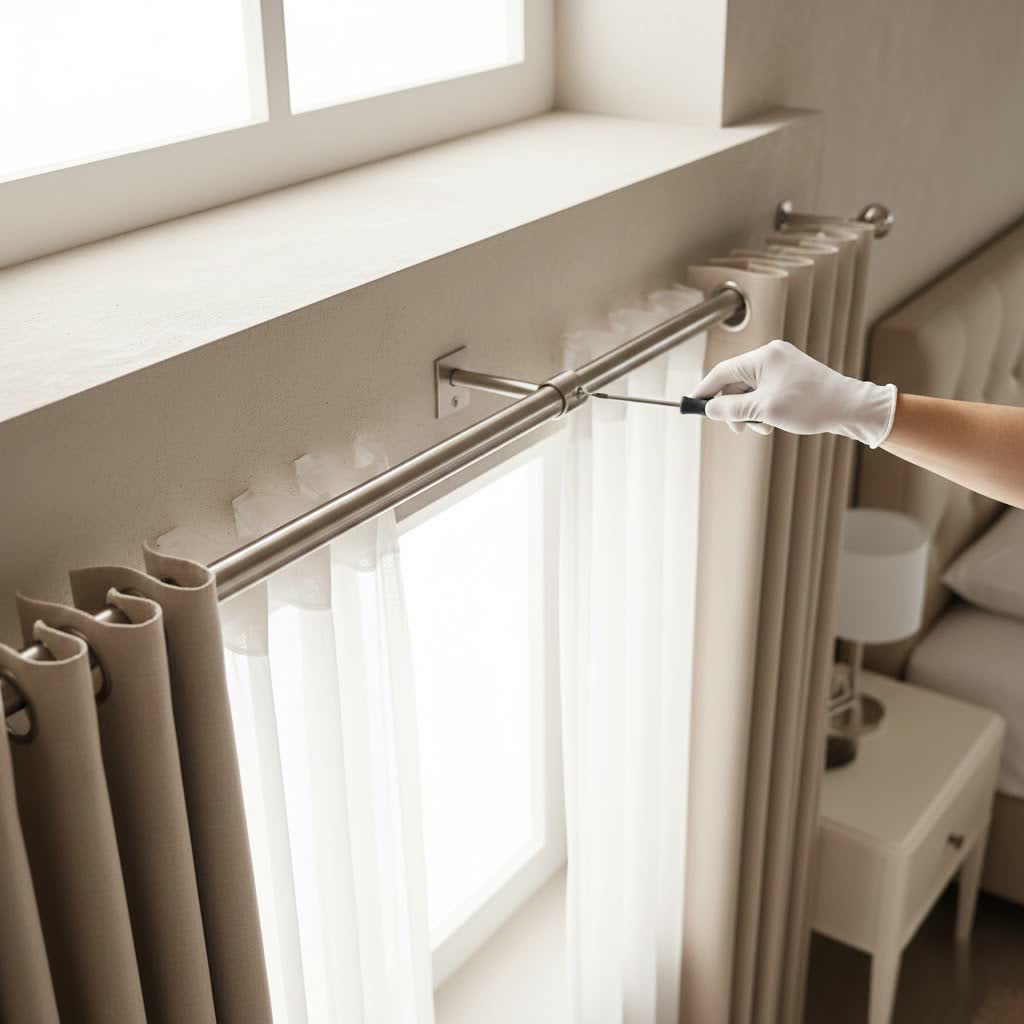
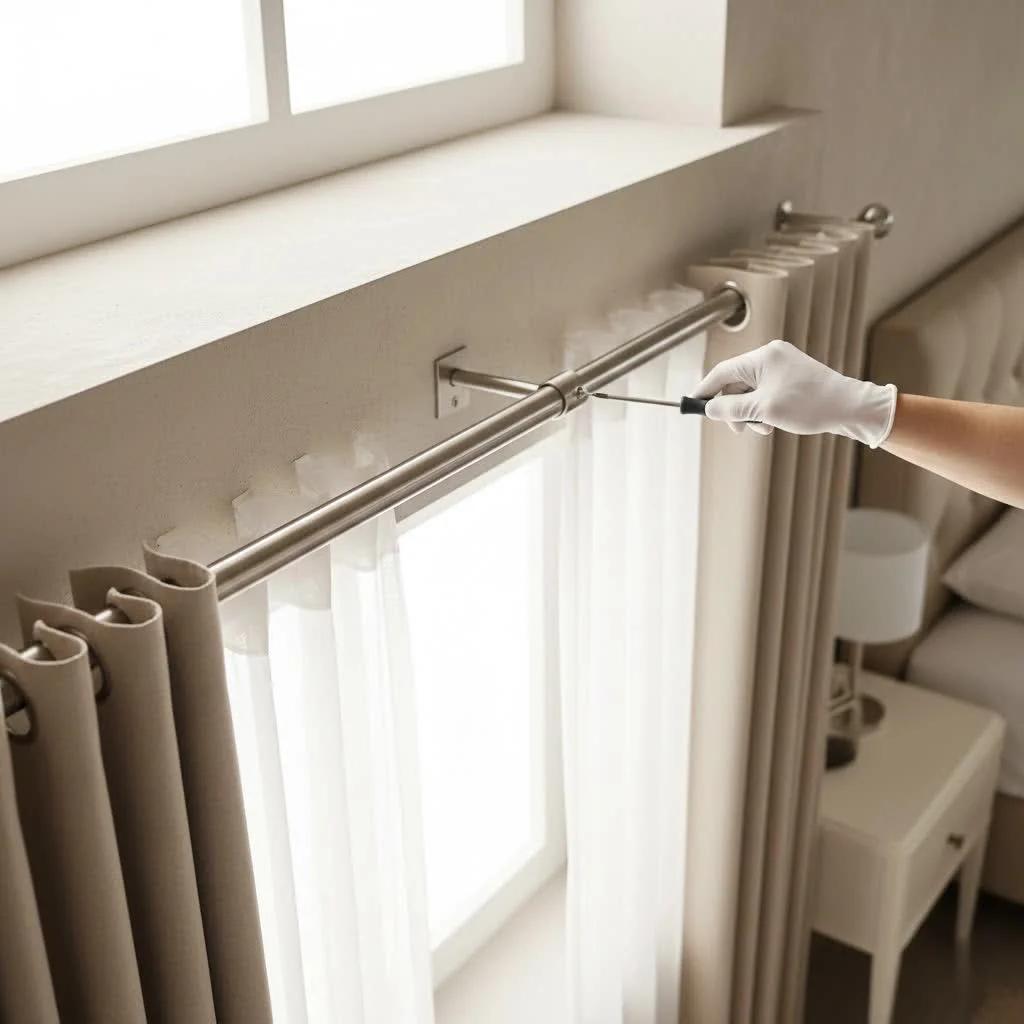
- Assemble and Mount the Rod: If your rod comes in multiple pieces, assemble them according to manufacturer instructions. Attach the ceiling support rod(s) to the main shower rod. Lift the entire assembly and connect it to the wall brackets (if applicable) and then to the ceiling flanges. Many ceiling supports are adjustable in length and secured with set screws.
- Adjust and Secure: Make any final adjustments to the rod’s position and height. Tighten all screws and set screws to ensure the rod is firmly in place and does not wobble.
Safety Considerations:
- Always wear safety glasses when drilling.
- Use a sturdy ladder or step stool.
- If working with electrical wiring is required (rare for basic rod installation), consult a professional electrician.
- Ensure all fasteners are properly seated to prevent the rod from falling, which could cause injury or damage.
“A well-installed ceiling shower rod not only enhances the visual appeal of your bathroom but also provides unmatched stability, ensuring your shower curtain performs flawlessly for years to come.” – Alex Chen, Bathroom Design Specialist
Pros and Cons of Ceiling Shower Curtain Rods
Ceiling shower curtain rods offer distinct advantages, but also come with potential drawbacks that are important to consider before making a decision.
Pros:
- Enhanced Space and Openness: By eliminating wall attachments and allowing the curtain to hang from above, ceiling rods create an illusion of greater space within the shower area and the overall bathroom. This is particularly beneficial for smaller bathrooms.
- Modern and Elegant Aesthetic: Ceiling-mounted rods offer a sleek, sophisticated, and often minimalist look that complements contemporary bathroom designs. They can be a striking design feature, especially with custom shapes for freestanding tubs.
- Ideal for Specific Bathroom Layouts: They are a perfect solution for bathrooms with clawfoot tubs, freestanding showers, or situations where there are no adjacent walls for traditional wall-mounted rods.
- Increased Stability: When properly installed into ceiling joists or with heavy-duty anchors, ceiling rods provide superior stability compared to many tension rods, reducing sagging and the risk of the rod falling.
- Better Water Containment: With a full enclosure, especially for circular or D-shaped rods, they are highly effective at preventing water from splashing outside the shower area.
Cons:
- More Complex Installation: Unlike tension rods, ceiling-mounted rods typically require drilling into both walls (for some configurations) and the ceiling. This process can be more time-consuming and may require locating ceiling joists or adding blocking for secure mounting.
- Permanent Fixture: Once installed, removing a ceiling rod will leave holes that need patching and repainting, making it a more permanent commitment compared to easily removable tension rods.
- Potential for Ceiling Damage: Improper installation, such as not anchoring into adequate structural support, can lead to the rod pulling away from the ceiling, causing damage.
- Requires Longer Curtains: Due to the higher mounting position, you may need extra-long shower curtains, which can sometimes be more challenging to find or slightly more expensive.
- Cost: Ceiling-mounted rods, especially custom or premium models, can be more expensive than basic wall-mounted or tension rods due to the materials, design, and additional installation hardware like ceiling supports.
Choosing the Right Ceiling Shower Rod for Your Bathroom
Selecting the perfect ceiling shower curtain rod involves a thoughtful consideration of your bathroom’s design, your practical needs, and your personal style.
- Consider Your Bathroom Size and Layout: For a freestanding tub in the middle of a room, a circular or D-shaped ceiling rod is usually the most functional and aesthetically pleasing choice. For a corner shower, an L-shaped rod supported from the ceiling will work best. A straight rod with ceiling supports is suitable for a conventional tub/shower combo where you want extra stability and an elevated look. Evaluate how much space you have and how the rod will impact traffic flow in the bathroom.
- Material and Finish to Match Decor: The rod’s material and finish should complement your existing bathroom fixtures (faucets, towel bars, light fixtures). For a contemporary look, stainless steel or matte black are excellent choices. Brushed nickel offers versatility, while brass or oil-rubbed bronze can enhance a traditional or rustic aesthetic. Always prioritize rust-resistant materials due to the humid bathroom environment.
- Budget: Ceiling shower rods vary widely in price. Determine your budget beforehand. While tension rods are generally less expensive, investing in a high-quality ceiling-mounted rod can offer greater durability and a more polished look in the long run. to factor in potential installation costs if you plan to hire a professional.
- Ease of Installation (DIY vs. Professional): Consider your DIY skills. If you’re comfortable with measuring, drilling into various surfaces (tiles, drywall, ceiling joists), and ensuring structural integrity, a DIY installation is feasible. However, for complex configurations or if you’re unsure about finding adequate ceiling support, hiring a professional handyman or contractor is a wise investment to ensure safe and secure installation.
- Curtain Type and Weight: Ensure the rod you choose can support the weight of your desired shower curtain and liner. Heavier fabric curtains may require a sturdier rod and more robust mounting. Also, that you’ll likely need an extra-long shower curtain to accommodate the higher ceiling mounting.
Top Brands and Products
When investing in a ceiling shower curtain rod, opting for reputable brands known for quality and durability can provide peace of mind. While specific models and availability can change, look for brands that consistently receive high ratings for:
- Rust Resistance: Given the constant moisture in bathrooms, a rod that won’t rust is paramount. Look for terms like “never-rust” or materials like high-grade stainless steel.
- Sturdiness and Weight Capacity: The rod should feel solid and be able to support the weight of your chosen shower curtain and liner without sagging or wobbling. Reviews often highlight product sturdiness.
- Ease of Installation: While ceiling-mounted rods are inherently more involved than tension rods, good brands provide clear instructions and all necessary mounting hardware.
- Aesthetic Options: A wide range of finishes and designs allows you to match your existing bathroom decor. Brands like Moen, Briofox, Zenna Home, and Signature Hardware are frequently mentioned in top product lists for their quality shower rod offerings, including curved and fixed options. For specialized ceiling-mounted systems, companies like TRAX are known for custom solutions. Always check customer reviews and product specifications before purchasing.
Conclusion
A ceiling shower curtain rod is far more than a functional necessity; it’s an opportunity to redefine your bathroom’s style and optimize its space. From the elegant arc of a curved rod to the classic charm of a circular hoop for a clawfoot tub, these fixtures offer unique advantages for creating a visually open and highly functional showering environment. By carefully considering the various types, durable materials, and precise installation techniques, you can select and implement a ceiling shower curtain rod that not only stands the test of time but also elevates your daily routine. Ready to embrace a more spacious and sophisticated bathroom? Choosing the right ceiling rod is your first step.
Frequently Asked Questions
Can a ceiling shower curtain rod be installed in a rental apartment?
|
Our Picks for the Best Curtain Rod in 2026
As an Amazon Associate I earn from qualifying purchases.
|
||
| Num | Product | Action |
|---|---|---|
| 1 | 5/8” Diameter Curtain Rods 30-90 Inch, for 30-84 Inch Windows, Adjustable Splicing Black Curtain Rods for Windows with Brackets, Window Rod Long Small Curtains Rod |

|
| 2 | 1” Diameter Curtain Rods Itself is 30 to144 inch 1 Pack Fit 30-142 inch, 66 to 120 inch Window with Heavy Duty Adjustable Rod Matte Black Splicing Metal Extra Long Curtain Rod for Windows |
|
| 3 | Double Curtain Rod for Windows 66 to 120 Inches, 1 inch Heavy-Duty Adjustable Imitation Wood Farmhouse Double Curtain Rod, Boho Decorative and Wood Grain Finish, Dual Rod for Living Room and Bedroom |
|
| 4 | Curtain Rods for Windows 16 to 144 Inches Adjustable Length 1 Inch Diameter Window Curtain Rod with Aluminium Finials, Black |
|
| 5 | Heavy Duty Curtain Rods for Windows 66 to 120 Inch, 1 Inch Gold Curtain Rod Adjustable, Decorative Long Curtains Rods with Metal Finials, Easy Installation and Modern Design (A2,Gold,30"-120") |
|
| 6 | Wrap Around Curtain Rod Black, Adjustable Blackout Curtain Rods for Windows 48 to 84 Inch, 1" Heavy Duty Room Darkening Drapery Rod, Easy Install and Removal |
|
| 7 | YaFex Curtain Rods 32-144 Inch, Heavy Duty 1 Inch Adjustable Curtain Rod for Windows, Black Extra Long Window Treatment Rods, Modern Design, Easy Installation |
|
| 8 | Tension Curtain Rods No Drilling, Extra Long Tension Rod 41-139 Inch, Heavy Duty Shower Curtain Rod for Outdoor Patio Bathroom Windows Room Divider, Adjustable, Anti-Slip, No Rust, Black |
|
| 9 | Heavy Duty Curtain Rods for Windows 66 to 120 Inch,1 Inch Adjustable Black Curtain Rod with Easy Installation and Modern Design,Decorative Long Drapery Rods with Metal Finials (A1,Black,30-120") |
|
| 10 | Curtain Rods for windows 32-48 inch, 5/8 inch Decorative Curtain Rod Set, Matte Black Splicing Heavy Duty Metal Curtain Rod with Brackets |
|
Installing a ceiling shower curtain rod in a rental apartment depends on your landlord’s policy, as it typically requires drilling into the ceiling and walls, which creates permanent holes. While tension rods are renter-friendly, fixed ceiling rods involve modifications that may violate lease agreements. Always consult your landlord before proceeding to avoid potential issues.
What is the ideal height to install a ceiling shower curtain rod?
The ideal height for a ceiling shower curtain rod ensures your shower curtain hangs about 1-2 inches above the floor or inside the tub/shower pan, preventing water from escaping and the curtain from pooling. For standard 72-inch curtains, this usually means mounting the rod around 70-71 inches from the floor or top of the tub/curb. However, consider an extra-long curtain for higher ceilings.
How do I maintain a ceiling shower curtain rod to prevent rust?
To maintain a ceiling shower curtain rod and prevent rust, regularly wipe it down with a soft, dry cloth after showering to remove moisture. For stubborn water spots, use a mild, non-abrasive cleaner designed for bathroom fixtures. Choosing a rust-resistant material like stainless steel or a properly finished brass or aluminum rod is also key for long-term durability in a humid environment.
Can a ceiling shower curtain rod support heavy shower curtains?
Yes, a properly installed ceiling shower curtain rod can support heavy shower curtains, provided it is securely anchored into ceiling joists or with appropriate heavy-duty toggle anchors. The rod’s material and diameter also play a role in its weight capacity; thicker, solid metal rods generally offer more support than thinner, hollow ones. Always check the manufacturer’s weight specifications.
Is it difficult to change a shower curtain on a ceiling-mounted rod?
Changing a shower curtain on a ceiling-mounted rod can be slightly more involved than with a tension rod, especially if the rod is very high or has a complex shape (like a circular hoop). However, many ceiling rod designs incorporate hooks or rings that slide easily, and using a step stool or ladder usually makes the process straightforward. Some designs even feature quick-release mechanisms.
Get our weekly buyer guide
Practical specs, not advice. Unsubscribe anytime.
