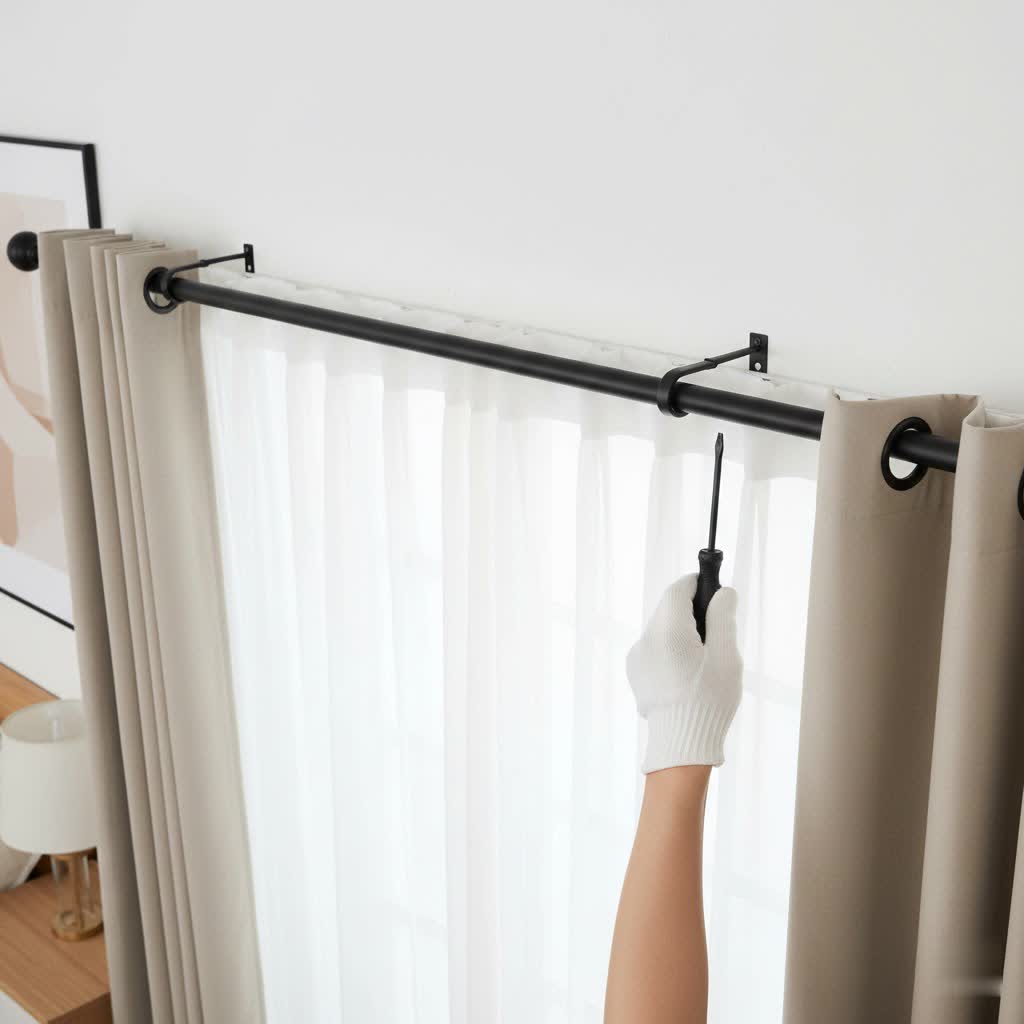
Imagine a closet that not only keeps your belongings neatly tucked away but also adds a touch of style and personality to your room. Forget bulky, traditional doors that eat up space; a well-chosen closet curtain rod can transform your wardrobe into a design statement, offering both practicality and aesthetic appeal. As someone with extensive experience in curtain solutions, I’m excited to share insights to help you navigate the world of closet curtain rods and find the ideal fit for your home.
Popular Types of Closet Curtain Rods
When it comes to outfitting your closet opening with curtains, the rod you choose plays a pivotal role in both function and aesthetics. Different styles offer unique advantages, from minimalist designs to more robust solutions for heavier fabrics. Understanding these options is the first step toward achieving your desired look.
Standard Decorative Rods (Round and Square)
These are the most common and versatile options, often seen gracing windows, but equally effective for closet openings.
- Round Rods: Offering a classic and timeless look, round rods are easy to find and come in a vast array of finishes and diameters. They work well with various curtain headings like grommets, rod pockets, or clip rings, allowing curtains to glide smoothly. Their adaptability makes them a popular choice for almost any interior style.
- Square Rods: For a more modern, architectural aesthetic, square or rectangular rods provide clean lines and a contemporary feel. They can lend a sleek, sophisticated edge to your closet area, often paired with more structured curtain fabrics or minimalist finials.
Tension Rods
If you’re looking for a hassle-free, no-drill solution, tension rods are your best friend. These rods use spring-loaded pressure to secure themselves between two surfaces, making them perfect for renters, temporary setups, or situations where drilling isn’t an option. They are incredibly easy to install and remove, offering instant privacy or concealment. However, they are generally best suited for lighter curtains and narrower openings, as excessive weight can cause them to slip or sag over time.
Curtain Tracks/Rails
For a truly streamlined and often invisible hanging system, curtain tracks or rails are an excellent choice. These systems, which can be ceiling or wall-mounted, allow curtains to glide effortlessly along a track. They are ideal for achieving a minimalist look where the focus remains entirely on the curtain fabric itself. Tracks are particularly effective for wide closet openings or for creating a seamless flow from wall to wall.
Specialty Rods (Corner and French Return)
|
Our Picks for the Best Curtain Rod in 2026
As an Amazon Associate I earn from qualifying purchases.
|
||
| Num | Product | Action |
|---|---|---|
| 1 | Tension Curtain Rods No Drilling, Extra Long Tension Rod 41-139 Inch, Heavy Duty Shower Curtain Rod for Outdoor Patio Bathroom Windows Room Divider, Adjustable, Anti-Slip, No Rust, Black |

|
| 2 | Curtain Rods for windows 32-48 inch, 5/8 inch Decorative Curtain Rod Set, Matte Black Splicing Heavy Duty Metal Curtain Rod with Brackets |
|
| 3 | Double Curtain Rod for Windows 66 to 120 Inches, 1 inch Heavy-Duty Adjustable Imitation Wood Farmhouse Double Curtain Rod, Boho Decorative and Wood Grain Finish, Dual Rod for Living Room and Bedroom |
|
| 4 | Curtain Rods for Windows 16 to 144 Inches Adjustable Length 1 Inch Diameter Window Curtain Rod with Aluminium Finials, Black |
|
| 5 | 1” Diameter Curtain Rods Itself is 30 to144 inch 1 Pack Fit 30-142 inch, 66 to 120 inch Window with Heavy Duty Adjustable Rod Matte Black Splicing Metal Extra Long Curtain Rod for Windows |
|
| 6 | 5/8” Diameter Curtain Rods 30-90 Inch, for 30-84 Inch Windows, Adjustable Splicing Black Curtain Rods for Windows with Brackets, Window Rod Long Small Curtains Rod |
|
| 7 | Heavy Duty Curtain Rods for Windows 66 to 120 Inch, 1 Inch Gold Curtain Rod Adjustable, Decorative Long Curtains Rods with Metal Finials, Easy Installation and Modern Design (A2,Gold,30"-120") |
|
| 8 | YaFex Curtain Rods 32-144 Inch, Heavy Duty 1 Inch Adjustable Curtain Rod for Windows, Black Extra Long Window Treatment Rods, Modern Design, Easy Installation |
|
| 9 | Wrap Around Curtain Rod Black, Adjustable Blackout Curtain Rods for Windows 48 to 84 Inch, 1" Heavy Duty Room Darkening Drapery Rod, Easy Install and Removal |
|
| 10 | Heavy Duty Curtain Rods for Windows 66 to 120 Inch,1 Inch Adjustable Black Curtain Rod with Easy Installation and Modern Design,Decorative Long Drapery Rods with Metal Finials (A1,Black,30-120") |
|
Sometimes, a standard straight rod just won’t cut it.
- Corner Curtain Rods: Designed for L-shaped or corner closet configurations, these rods provide continuous support around a bend. They are excellent for wrapping a closet opening, ensuring full coverage and a cohesive look.
- French Return Rods: These elegant rods curve back to the wall at each end, allowing the curtain to meet the wall and effectively block out light and provide maximum privacy. This design also creates a polished, finished look, eliminating gaps at the sides of the curtain.
Closet Curtain Rod Materials: Comparison and Evaluation
The material of your closet curtain rod significantly influences its durability, weight capacity, and overall aesthetic. Choosing the right material ensures your curtains hang beautifully and your rod stands the test of time.
Metal Rods
Metal rods are a popular choice due to their strength, modern appeal, and variety of finishes.
- Steel (including Chrome-Plated Steel): Known for its exceptional strength and resilience, steel can support heavy curtains without bending or sagging. Chrome-plated steel offers a sleek, shiny finish that complements contemporary decor. Steel is highly durable and often springs back to its original shape even if overloaded temporarily.
- Stainless Steel: Similar to steel in strength, stainless steel boasts superior corrosion resistance, making it an excellent option for humid environments like laundry rooms or bathrooms adjacent to a closet. Its polished or brushed finish provides a sophisticated, modern look.
- Aluminum: Lighter than steel, aluminum rods are strong but less resilient. They come in various finishes, offering a lightweight yet sturdy solution. While strong, aluminum is less likely to return to its original shape if severely overloaded.
- Iron: Often chosen for its rustic or industrial appeal, iron rods are very strong and provide a “grounding” presence. They have a softer finish than steel and can add a unique character to your space.
- Brass: A classic choice, brass offers warmth and a touch of luxury. It’s durable and can be polished for a high-shine finish or allowed to develop a natural patina for an antique look.
Wood Rods
For a classic, warm, and natural aesthetic, wooden rods are an excellent choice. They are sturdy and suitable for heavy curtains, capable of supporting substantial weight. Wooden rods can be painted or stained to match your existing decor, providing a cohesive and inviting feel to your closet area.
Plastic Rods
Plastic rods are lightweight, budget-friendly, and easy to install. They are best suited for very light curtains or temporary solutions where heavy loads are not expected. While convenient, they may not offer the longevity or aesthetic sophistication of metal or wood options.
Composite Materials
Some rods are made from composite materials, blending wood and metal for a balance of strength and aesthetic appeal. These often come pre-finished, reducing the need for additional work.
Durability, Aesthetics, and Cost
- Durability: Metal rods, especially steel and stainless steel, generally offer the highest durability and weight capacity. Wooden rods are also very robust. Plastic and tension rods, while convenient, are less durable for heavy, frequent use.
- Aesthetics: The finish and material significantly impact the look. Polished chrome or brushed nickel metals lend a modern touch, while wrought iron or dark wood create a more traditional or rustic feel. Brass adds a touch of elegance.
- Cost: Plastic and basic tension rods are typically the most affordable. Metal rods vary depending on the specific metal and finish, with custom iron or high-end brass options being more expensive. Wooden rods fall in the mid-range.
Measuring and Installing Your Closet Curtain Rod
Proper measurement and installation are crucial for a functional and aesthetically pleasing closet curtain setup. Even the most beautiful curtains won’t look their best if hung incorrectly.
How to Measure for Your Closet Curtain Rod
- Measure the Width: For a closet opening, measure the exact width of the space you intend to cover.
- Inside Mount: If you plan to mount the rod inside the closet opening, measure the width from inside wall to inside wall and subtract about 1/4 to 1/2 inch for clearance.
- Outside Mount: For mounting outside the opening (on the frame or above), measure the width of the opening and add at least 8 to 12 inches on each side. This extended width allows the curtains to stack neatly off the opening when pulled back, maximizing access to your closet.
- Measure the Height: Determine where you want the top of your curtain rod to be positioned.
- Standard Height: For outside mounts, a good rule of thumb is to hang the rod about halfway between the top of your closet opening and the ceiling, or approximately 6 inches above the opening.
- Floor Length vs. Sill Length: Decide if you want your curtains to just skim the floor, puddle slightly, or end at a specific point like a shelf or the top of a baseboard. Measure from the intended rod height down to your desired end point.
Simple Steps for Installing Your Closet Curtain Rod
The installation process varies slightly depending on the rod type, but the basic principles remain consistent.
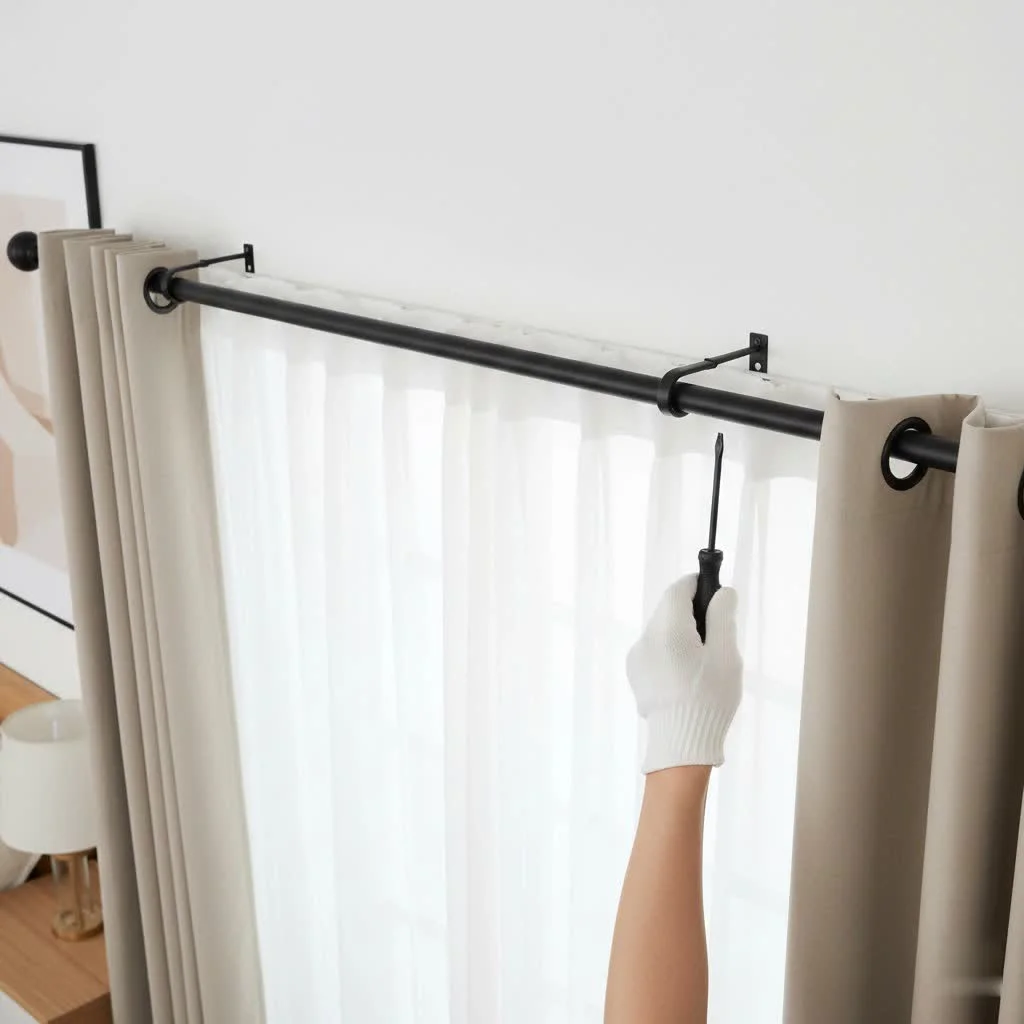
- Mark Your Placement: Using a pencil, mark the desired height and width for your rod brackets. Use a level to ensure your marks are perfectly aligned. This is crucial; uneven rods will cause curtains to slide to one side.
- Locate Studs (for mounted rods): For wall-mounted rods, use a stud finder to locate the studs behind your drywall. Screwing brackets into studs provides the most secure and durable installation, preventing sagging, especially with heavy curtains. If studs aren’t available, use appropriate wall anchors (e.g., toggle bolts or Molly bolts) that can support the weight of your rod and curtains.
- Drill Pilot Holes: For mounted rods, pre-drill pilot holes at your marked locations. This makes screwing in the brackets easier and prevents wood from splitting or drywall from crumbling.
- Fasten Brackets: Securely screw the rod brackets into place. Ensure they are tightened enough to be sturdy but avoid over-tightening, which can strip screws.
- Install the Rod:
- Mounted Rods: Place one end of the rod into a bracket, then gently lift the other end and drop it into the opposing bracket. Some brackets have an open side for easy insertion.
- Tension Rods: Twist the rod to extend it until it fits snugly between the two sides of your closet opening. Ensure it’s level and has enough tension to hold firmly.
- Add Curtains and Finials: Once the rod is secure, thread your curtains onto the rod (if using grommets or rod pockets) or attach them with clip rings. Finally, add any decorative finials to the ends of your rod to complete the look.
Safety Notes During Installation
- Always use appropriate safety gear, such as eye protection, when drilling.
- Confirm the rod and hardware’s weight capacity matches your chosen curtains. Overloading can lead to sagging or, worse, the rod falling.
- If working at a height, use a stable ladder and have someone assist you, especially with longer rods.
Comparison Table: Popular Closet Curtain Rod Types
| Feature | Round Rod | Square Rod | Tension Rod | Curtain Track/Rail |
|---|---|---|---|---|
| Pros | Easy to install, widely available, versatile aesthetic, smooth curtain glide | Modern, sleek aesthetic, strong, clean lines | No drilling, adjustable, easy to install/remove, ideal for rentals/temporary | Minimalist look, smooth glide, suitable for wide openings, can be ceiling-mounted |
| Cons | Can sag on very wide openings without center support | May be less versatile for traditional decor, fewer finial options | Limited weight capacity, can slip, less sturdy for heavy use | Installation can be more complex, may require professional help for a seamless look |
| Ideal For | Most closet openings, various curtain styles, classic or contemporary | Modern and contemporary interiors, structured curtains | Temporary solutions, renters, lightweight curtains, narrow openings | Minimalist designs, full-wall coverage, heavy curtains, very wide openings |
Tips for Choosing the Right Closet Curtain Rod for Your Interior Style
A closet curtain rod isn’t just functional; it’s an opportunity to enhance your home’s aesthetic. Here’s how to ensure your choice perfectly complements your interior design.
- For the Living Room or Master Bedroom: These prominent spaces often benefit from decorative rods that mirror the room’s existing style. If your living room features a farmhouse chic design, consider a distressed wood rod or an antique iron rod with simple finials. For a luxurious master bedroom, a polished brass or chrome rod with elegant finials can elevate the space. The rod itself can be a subtle accent or a striking focal point, depending on your preference.
- For Kids’ Rooms or Playrooms: Functionality and safety are key here. Adjustable metal rods with rounded finials or tension rods for lighter, playful curtains are great options. The ability to easily remove or change curtains for cleaning or updated decor can be a significant advantage. Consider bright colors or themed finials to match a child’s room.
- For Laundry Rooms or Utility Closets: In these practical spaces, emphasis shifts to robust functionality and moisture resistance. Stainless steel or aluminum rods are excellent choices as they are less prone to rust. A simple, sturdy design that can withstand frequent use and the potential for dampness is paramount. Tension rods can also work here for quick concealment of shelves.
- Matching Finishes and Colors: To create a cohesive look, try to match the rod’s finish with other hardware in the room—think door handles, light fixtures, or even furniture accents. A matte black rod can tie into industrial-style lighting, while a brushed nickel rod might complement modern stainless steel elements. Don’t be afraid to experiment with contrasting finishes for a bold statement, but ensure it’s intentional.
- Curtain Fabric and Rod Diameter: The weight of your chosen curtain fabric should always guide your rod diameter. Heavier drapes require thicker, sturdier rods (typically 1 inch or more) to prevent sagging. Lighter, sheer fabrics can be supported by thinner rods. This balance ensures both functionality and visual harmony.
“A well-selected closet curtain rod transcends mere utility; it’s an intentional design element that speaks volumes about your home’s character.” – Nguyễn Văn A, Interior Design Expert
Closet Curtain Rod Buying Guide
Ready to invest in the perfect closet curtain rod? This buying guide will help you make an informed decision, ensuring you choose a product that meets your needs and enhances your space.
Key Factors to Consider
- Material: As discussed, material dictates durability, weight capacity, and aesthetics.
- Heavy-Duty Needs: Opt for steel, stainless steel, or sturdy wood.
- Lightweight/Temporary: Plastic or tension rods.
- Aesthetic Match: Consider the existing finishes and style of your room.
- Size (Length and Diameter):
- Length: Carefully measure your closet opening, accounting for inside or outside mounting preferences and desired curtain stack-back space. Adjustable or telescoping rods offer flexibility.
- Diameter: Match the rod’s diameter to your curtain’s weight. Thicker rods for heavier fabrics, thinner for sheers.
- Style and Mounting Type:
- Decorative vs. Concealed: Do you want the rod to be a visible design element (decorative rod with finials) or blend seamlessly into the background (curtain track or hidden tension rod)?
- Mounting: Decide between wall-mounted for permanence and strength, ceiling-mounted for a modern look, or tension rods for no-drill convenience.
- Price: Set a budget. Basic tension rods are inexpensive, while custom-cut or high-quality decorative metal/wood rods will be a larger investment. Remember, a good quality rod is a long-term investment.
- Ease of Assembly: Some rods require minimal assembly, while others, like track systems, might be more involved. Consider your DIY comfort level or whether you’ll need professional installation.
Where to Buy Closet Curtain Rods
- Home Improvement Stores (e.g., Home Depot, Lowe’s): Excellent for a wide selection of standard and heavy-duty rods, often with matching hardware and brackets. You can usually find various materials and finishes.
- Specialty Curtain and Hardware Stores: These stores often offer higher-end, unique, or custom-cut rods and tracks, along with a broader range of decorative finials and accessories.
- Online Retailers (e.g., Amazon, Wayfair, Target): Provide an immense selection, competitive pricing, and user reviews, making it easy to compare options from the comfort of your home. Be sure to check return policies for items that might not fit or meet expectations.
How to Check Quality
When purchasing, physically inspect the rod if possible.
- For Metal Rods: Check for smooth finishes, consistent color, and a solid feel. Avoid flimsy or easily bendable options, especially for wider spans. Look for robust brackets.
- For Wood Rods: Ensure the wood is free of cracks or significant imperfections. The finish should be even.
- For Tension Rods: Test the spring mechanism for strong, consistent tension. The end caps should be non-slip to prevent damage to your walls and ensure a secure grip.
Conclusion
Choosing the right closet curtain rod is more than just a functional decision; it’s an opportunity to enhance your living space with style, practicality, and personal flair. By understanding the various types of rods, their materials, and thoughtful installation techniques, you can transform an ordinary closet opening into an attractive design feature. Whether you opt for a sleek metal track, a classic wooden pole, or a convenient tension rod, the perfect choice will not only conceal your belongings but also add a touch of elegance and organization to your home.
What design vision do you have for your closet, and how will the perfect curtain rod bring it to life?
Frequently Asked Questions
What type of curtain rod is best for a small closet opening?
For small closet openings, tension rods are an excellent choice due to their no-drill installation and adjustable length, making them easy to fit. For a more permanent solution, a lightweight decorative rod with small finials can also work well, especially if mounted just inside the opening.
Can I use a shower curtain rod for my closet?
Yes, a heavy-duty shower curtain rod, which is essentially a type of tension rod, can be used for a closet opening. Ensure it’s the correct length and strong enough to support the weight of your chosen closet curtains, as some are designed for lighter loads.
How do I prevent a closet curtain rod from sagging in the middle?
To prevent sagging, especially with wider closet openings or heavier curtains, choose a thicker, sturdier material like steel, and ensure you use adequate center support brackets. Proper installation into wall studs or with heavy-duty anchors is also critical.
What are French return rods and why would I use them for a closet?
French return rods curve back to meet the wall at each end, allowing curtains to sit flush against the wall. This design provides maximum light blockage and privacy, making them ideal for closets where you want a very clean, finished look with no gaps at the sides.
Is it better to mount a closet curtain rod inside or outside the opening?
Mounting inside the opening saves room space and keeps curtains tucked away. Mounting outside the opening (on the frame or above) maximizes closet access by allowing curtains to stack fully off the opening, and can also make a room appear larger. The best choice depends on your space and aesthetic preference.
Get our weekly buyer guide
Practical specs, not advice. Unsubscribe anytime.
