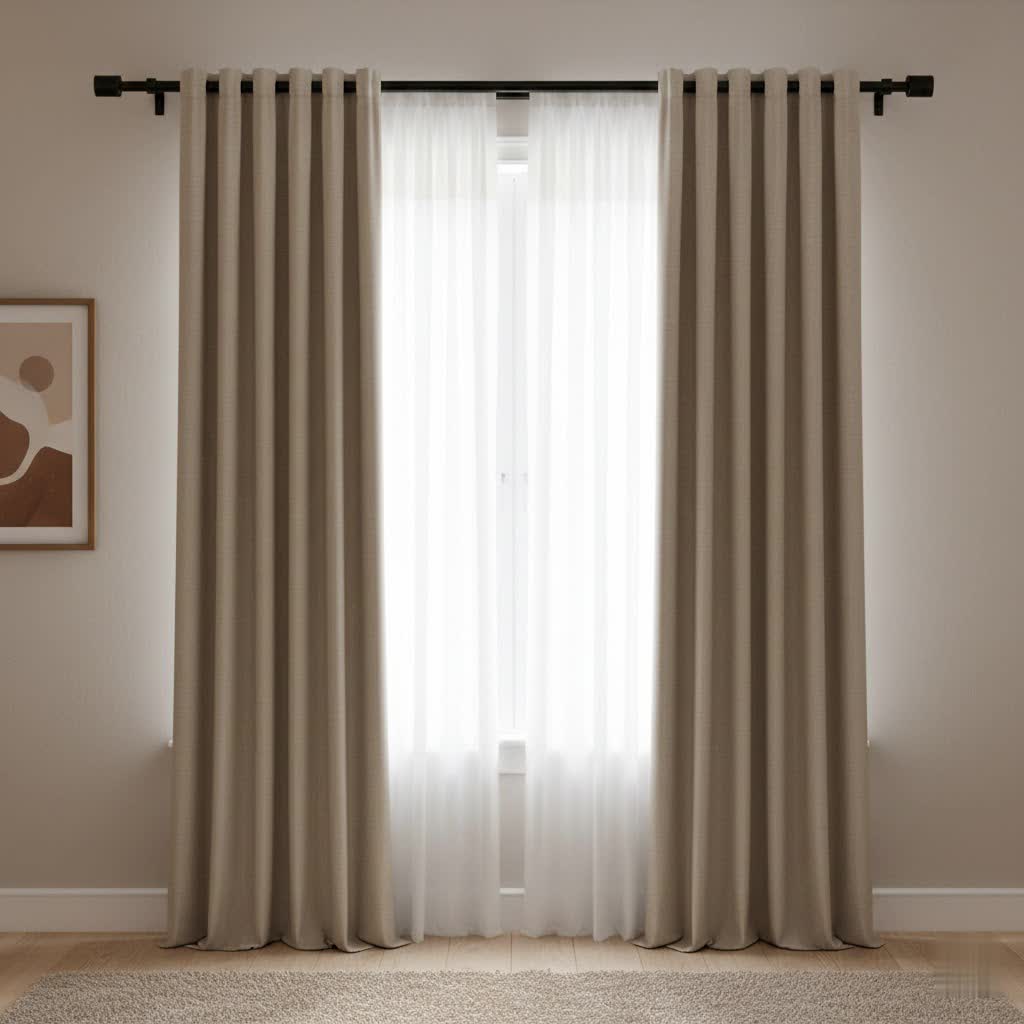
Choosing the right curtain rod for wide windows or expansive doorways can feel like a daunting task. When you’re dealing with a significant span, like 12 feet, standard rods often fall short, leaving you with concerns about sagging, stability, and aesthetics. But don’t worry, finding the perfect 12 ft curtain rod isn’t just about covering a window; it’s about adding a cohesive design element that enhances your entire room. With the right knowledge, you can confidently select and install a curtain rod that provides both impeccable functionality and sophisticated style for your large living spaces.
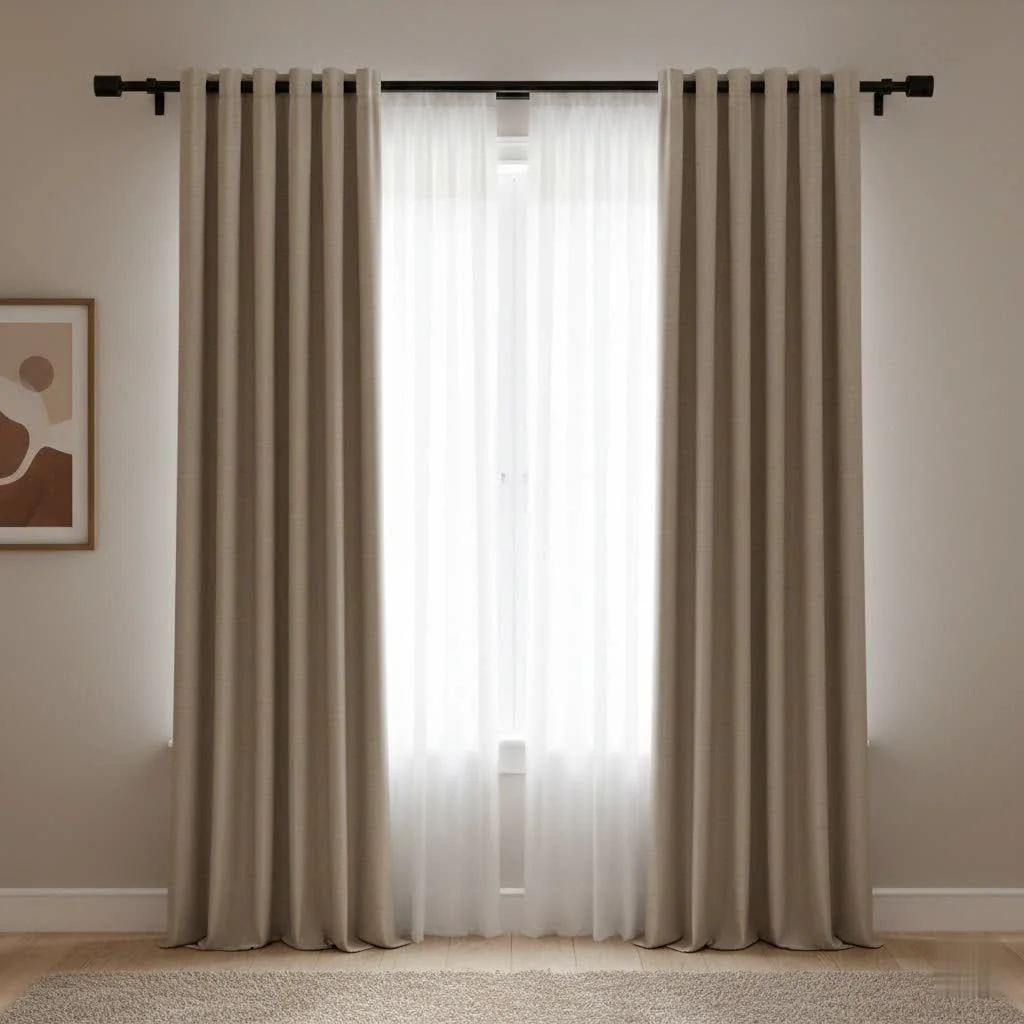
Popular Types of 12 ft Curtain Rods
When selecting a 12 ft curtain rod, the type you choose significantly impacts both the visual appeal and the functionality for such a long span. Different designs offer unique advantages, especially when dealing with the challenges of wider windows or openings. For see our curtain rods recommendations on this site.
Round Rods
Round curtain rods are the most classic and widely available option. They come in various diameters, with thicker rods (1.25 inches or more) being essential for lengths up to 12 feet to minimize sagging, especially with heavier curtains.
- Pros: Easy to find, versatile in style, and can accommodate many curtain heading types (grommet, rod pocket, ring clips). Often adjustable, though non-telescoping options are preferred for a smoother glide and stronger support at this length.
- Cons: Telescoping versions might have a visible seam and are more prone to sagging if not adequately supported.
- Best for: Most interior styles, from traditional to contemporary, particularly suited for windows where you want the rod to be a visible design element.
Square Rods
Offering a more modern and architectural look, square rods provide a clean, contemporary aesthetic. Their angular design can complement minimalist or industrial-inspired decor.
- Pros: Contemporary appearance, can feel more substantial and less prone to rotation than round rods.
- Cons: Less common than round rods, which can limit style and material choices.
- Best for: Modern, industrial, or minimalist interiors where crisp lines are desired.
Track Systems
Curtain track systems, also known as traverse rods, are designed for smooth, effortless operation, making them an excellent choice for very wide or heavy curtains. They often feature an internal mechanism that allows curtains to glide easily without snagging.
- Pros: Superior functionality for heavy or frequently opened curtains, a sleek and minimalist profile (often nearly invisible), and ideal for ceiling mounting to create a floor-to-ceiling drapery effect.
- Cons: Installation can be more complex than traditional rods, and they are typically less decorative, focusing purely on function.
- Best for: Modern homes, floor-to-ceiling drapes, blackout curtains, or situations where seamless operation is a priority. They are particularly effective for sliding glass doors and large picture windows.
Curtain Rod Materials: Comparison and Evaluation
The material of your 12 ft curtain rod is paramount for its durability, ability to resist sagging, and overall aesthetic integration into your home. Each material offers a different balance of strength, appearance, and cost.
- Steel: Known for its robustness, steel is an excellent choice for 12 ft curtain rods, especially when supporting heavy drapes like thermal or blackout curtains. It offers high durability and weight capacity, resisting bending over long spans. Common finishes include matte black and brushed nickel, suiting modern and industrial aesthetics.
- Iron: While historically popular for its decorative, forged designs, iron is very heavy and can be susceptible to rust over time if not properly treated. It provides strong support for heavy drapes but often requires more robust brackets and can be less smooth for curtain movement compared to steel.
- Aluminum: A lightweight and rust-resistant option, aluminum is suitable for medium-weight drapes and contemporary settings. However, for a 12 ft span, ensure it has a larger diameter or additional support brackets to prevent sagging with heavier fabrics. Finishes often include brushed or anodized options.
- Wood: Offering a warm, traditional, or rustic aesthetic, solid wood rods can support heavy drapes. However, wood can be prone to bowing over long lengths if not properly cured or adequately supported. Stained or painted finishes allow for extensive customization.
- Brass: Often associated with classic and luxury designs, brass rods offer high durability for medium-weight drapes. They provide a polished or antique finish that can add a touch of elegance to traditional decor.
When choosing, prioritize strength and diameter for 12 ft rods. A larger diameter (e.g., 1.5 inches or more) will inherently offer greater rigidity, reducing the likelihood of bowing, regardless of material. Whenever possible, opt for solid rods over hollow ones for superior support and longevity.
Sizing and Installing Your 12 ft Curtain Rod
Proper measurement and installation are crucial for the aesthetic and functional success of a 12 ft curtain rod. Given the length, careful planning prevents common issues like sagging and ensures your curtains hang beautifully.
How to Measure and Choose the Right Size
|
Our Picks for the Best Curtain Rod in 2026
As an Amazon Associate I earn from qualifying purchases.
|
||
| Num | Product | Action |
|---|---|---|
| 1 | Curtain Rods for Windows 16 to 144 Inches Adjustable Length 1 Inch Diameter Window Curtain Rod with Aluminium Finials, Black |

|
| 2 | Wrap Around Curtain Rod Black, Adjustable Blackout Curtain Rods for Windows 48 to 84 Inch, 1" Heavy Duty Room Darkening Drapery Rod, Easy Install and Removal |
|
| 3 | Double Curtain Rod for Windows 66 to 120 Inches, 1 inch Heavy-Duty Adjustable Imitation Wood Farmhouse Double Curtain Rod, Boho Decorative and Wood Grain Finish, Dual Rod for Living Room and Bedroom |
|
| 4 | Heavy Duty Curtain Rods for Windows 66 to 120 Inch, 1 Inch Gold Curtain Rod Adjustable, Decorative Long Curtains Rods with Metal Finials, Easy Installation and Modern Design (A2,Gold,30"-120") |
|
| 5 | YaFex Curtain Rods 32-144 Inch, Heavy Duty 1 Inch Adjustable Curtain Rod for Windows, Black Extra Long Window Treatment Rods, Modern Design, Easy Installation |
|
| 6 | Tension Curtain Rods No Drilling, Extra Long Tension Rod 41-139 Inch, Heavy Duty Shower Curtain Rod for Outdoor Patio Bathroom Windows Room Divider, Adjustable, Anti-Slip, No Rust, Black |
|
| 7 | Heavy Duty Curtain Rods for Windows 66 to 120 Inch,1 Inch Adjustable Black Curtain Rod with Easy Installation and Modern Design,Decorative Long Drapery Rods with Metal Finials (A1,Black,30-120") |
|
| 8 | 5/8” Diameter Curtain Rods 30-90 Inch, for 30-84 Inch Windows, Adjustable Splicing Black Curtain Rods for Windows with Brackets, Window Rod Long Small Curtains Rod |
|
| 9 | Curtain Rods for windows 32-48 inch, 5/8 inch Decorative Curtain Rod Set, Matte Black Splicing Heavy Duty Metal Curtain Rod with Brackets |
|
| 10 | 1” Diameter Curtain Rods Itself is 30 to144 inch 1 Pack Fit 30-142 inch, 66 to 120 inch Window with Heavy Duty Adjustable Rod Matte Black Splicing Metal Extra Long Curtain Rod for Windows |
|
The goal is to make your windows appear larger and allow curtains to stack off the glass, maximizing natural light.
- Measure Window Width: Measure the width of your window frame.
- Add Extension: For a grander look and to allow curtains to clear the window when open, add 8 to 15 inches to each side of the window frame. This means your 12 ft rod should ideally be at least 144 inches plus 16-30 inches, or you should aim for a rod that allows the curtains to extend beyond the window by that amount. If your window is less than 12 feet, you’ll want a rod that extends sufficiently beyond it. A 12 ft rod is ideal for windows around 9-10 feet wide (plus extensions).
- Determine Rod Height: A common guideline is to place the rod 4 to 6 inches above the top of the window frame. For higher ceilings or to create an illusion of height, you can install the rod even closer to the ceiling.
- Curtain Length: Consider your desired curtain length (e.g., floor-length, pooling, or sill-length) to ensure the rod height aligns with your chosen panels.
Simple Steps for Home Installation
Installing a 12 ft curtain rod requires attention to detail and often an extra pair of hands due to its length.
- Gather Tools: You’ll need a tape measure, pencil, level, drill/driver, stud finder, wall anchors (if not drilling into studs), and the rod’s included mounting hardware.
- Mark End Bracket Positions: Measure 4-6 inches above your window frame and 8-15 inches beyond each side. Mark these points for your end brackets.
- Locate Studs: Use a stud finder to locate wall studs near your marked points. Whenever possible, mount brackets directly into studs for maximum stability, especially with a long rod and heavy curtains. If studs aren’t available at your desired locations, use robust drywall anchors.
- Mark Center and Intermediate Brackets: For a 12 ft rod, multiple support brackets are essential to prevent sagging. You will need at least three brackets: one at each end and one in the center. For heavier drapes or a rod longer than 8-10 feet, consider adding additional intermediate brackets, spacing them every 3-4 feet. Mark these locations precisely, ensuring they are level with the end brackets.
- Drill Pilot Holes: Drill pilot holes at all marked positions. Use a drill bit slightly smaller than your screw diameter. If using wall anchors, install them now according to manufacturer instructions.
- Attach Brackets: Securely screw the brackets into place.
- Assemble and Mount Rod: If your 12 ft rod comes in sections, assemble them carefully, ensuring a secure connection. Feed your curtains onto the rod before mounting it.
- Place Rod: Carefully lift the rod with curtains and place it onto the installed brackets. Secure any set screws on the brackets designed to hold the rod in place.
- Add Finials: Twist on the decorative finials at each end of the rod.
Safety Note: Always ensure you have adequate support for the rod’s length and the weight of your chosen curtains. An improperly installed long rod can sag or even fall, causing damage or injury.
Comparison Table of Popular Curtain Rod Types
| Feature | Round Rods | Square Rods | Track Systems (Traverse Rods) |
|---|---|---|---|
| Aesthetic Appeal | Classic, versatile | Modern, architectural | Minimalist, sleek |
| Ease of Installation | Moderate | Moderate | Complex (often professional recommended) |
| Sagging Resistance | Good (with proper diameter/supports) | Good (with proper diameter/supports) | Excellent (built-in gliding mechanism) |
| Curtain Movement | Smooth (with rings) / Can snag (rod pocket) | Smooth (with rings) / Can snag (rod pocket) | Very smooth, effortless |
| Weight Capacity | High (steel, iron, thick wood) | High (steel, iron) | Excellent (designed for heavy drapes) |
| Typical Materials | Steel, wood, brass, aluminum | Steel, aluminum | Aluminum, steel, plastic |
| Ideal for 12 ft spans | Yes, with ample central support | Yes, with ample central support | Highly recommended for long, heavy spans |
| Best for | Traditional to contemporary decor | Modern, industrial, minimalist | Contemporary, functional, floor-to-ceiling |
Tips for Choosing a Curtain Rod to Match Your Interior Style
The right 12 ft curtain rod isn’t just about functionality; it’s a vital element in defining your room’s aesthetic. Integrating it seamlessly with your interior style can elevate the entire space.
- For the Living Room: This is often a prominent space, making the curtain rod a statement piece. For a grand, traditional living room, consider substantial wooden rods with ornate finials in a rich stain, or brass rods with polished finishes. In a modern living room, sleek matte black or brushed nickel steel rods with minimalist finials will create clean lines. For very wide windows or sliding doors in a living room, a discreet track system can provide a high-end, seamless look.
- For the Bedroom: Comfort and light control are key. Wrap-around curtain rods or ceiling-mounted tracks are excellent for blackout curtains, preventing light leakage at the sides and top. For a softer, more romantic bedroom, choose wood rods with a lighter finish or a decorative metal rod with delicate finials.
- For the Kitchen: Functionality and easy cleaning are often priorities. Consider minimalist metal rods that are resistant to moisture, such as brushed stainless steel. Cafe rods (though typically shorter) or smaller diameter rods might suit smaller kitchen windows, but for a 12 ft span, a sturdy metal rod that is easy to wipe down is best.
- Color and Material Coordination:
- Warm Tones: If your room has warm hues (beiges, browns, golds), consider wood, brass, or bronze-finished metal rods.
- Cool Tones: For cooler palettes (grays, blues, whites), brushed nickel, chrome, or matte black rods work beautifully.
- Mixed Metals: Don’t shy away from mixing metals, but ensure there’s a unifying element elsewhere in the room. A matte black rod can act as a neutral and pair well with almost any color scheme.
- Current Design Trends:
- Minimalist Finishes: Matte black, brushed nickel, and white continue to be popular, offering clean and understated elegance.
- Oversized Finials: For a touch of drama and personality, larger, sculptural finials are in vogue.
- Ceiling-Mount Rods/Tracks: These create a stunning floor-to-ceiling drapery effect, enhancing perceived room height and a modern, airy feel.
- Motorized Tracks: For ultimate convenience and smart home integration, motorized curtain tracks are gaining popularity, especially for very long or high-up windows.
“A good curtain rod is more than just a functional accessory; it’s a design anchor that frames your views and elevates your room’s personality.”
Comprehensive 12 ft Curtain Rod Buying Guide
Investing in a 12 ft curtain rod requires careful consideration to ensure it meets your functional needs and enhances your home’s aesthetic. Here’s what to look for:
Key Factors to Consider
- Material: As discussed, steel and iron offer the best strength for long spans and heavy drapes, followed by solid wood. Aluminum is suitable for lighter curtains.
- Diameter: For a 12 ft rod, a minimum diameter of 1.25 inches is recommended, with 1.5 inches or more being ideal, especially for heavy fabrics. A thicker rod significantly reduces sagging.
- Support Brackets: Given the length, a 12 ft rod must have adequate support. Look for rods that include at least three heavy-duty brackets (two ends and one center) or specify that additional intermediate brackets are required for proper support (e.g., every 3-4 feet). Ceiling mount brackets can offer superior support and a different aesthetic.
- Style and Finials: Consider the overall design of your room. Finials (the decorative ends) can range from simple caps to elaborate designs. Ensure they complement your decor.
- Adjustable vs. Non-Telescoping: While adjustable rods offer flexibility, non-telescoping or custom-cut rods often provide a cleaner, more seamless look and superior strength as they avoid the “notch” where pieces join. If choosing an adjustable rod, ensure the connection is robust and discreet.
- Weight Capacity: Check the rod’s maximum weight capacity and compare it to the weight of your curtains. For 12 ft, this is critical.
- Installation Hardware: Ensure the rod comes with all necessary mounting hardware, including heavy-duty screws and appropriate wall anchors.
Where to Purchase 12 ft Curtain Rods
- Specialized Drapery Stores: These offer a wide selection, including custom-cut options and professional advice, ensuring a perfect fit and high quality.
- Home Improvement Retailers (e.g., Home Depot, Lowe’s): Good for readily available, often adjustable, and budget-friendly options. May have fewer choices for very high-end or custom designs.
- Online Retailers (e.g., Amazon, Wayfair, Etsy, Target): Provide a vast array of styles, materials, and price points. You can often find specialty brands, heavy-duty options, and unique designs. Be sure to check reviews regarding durability and ease of installation for long rods.
- Custom Fabrication Shops: For truly unique or challenging installations (e.g., bay windows, very heavy bespoke drapes), a custom shop can craft a rod to your exact specifications.
Quality Check Tips
- Feel the Weight: A high-quality metal rod should feel substantial.
- Examine Connections: If it’s an adjustable rod, ensure the telescoping mechanism is smooth and secure, with minimal wobble when extended.
- Check Brackets: Ensure brackets are made from sturdy metal, not flimsy plastic, and that they provide sufficient projection from the wall for your curtains to hang freely.
- Read Reviews: Look for feedback specifically mentioning sagging or installation difficulties, especially for long rods.
Top Curtain Rod Brands and What to Look For
While specific product models and brands can change rapidly, understanding what defines a reputable brand in the 12 ft curtain rod market is key. Brands known for quality typically focus on specific aspects crucial for longer lengths.
- Brands known for Heavy-Duty & Custom Options:
- Focus on Material Strength: Look for brands that highlight using solid steel, thick-gauge aluminum, or high-quality iron. Brands like “Rod Desyne” and “Highland Forge” are often mentioned for offering robust options, sometimes including non-telescoping or custom-length rods.
- Emphasis on Support: Reputable manufacturers will clearly specify the number and type of support brackets needed for longer rods, often providing heavy-duty options to prevent sagging.
- Variety in Finishes: Quality brands offer a diverse range of durable finishes (matte black, brushed nickel, bronze, etc.) that can withstand daily use without chipping or fading.
- Brands for Modern & Stylish Designs:
- Innovative Aesthetics: Companies like “Umbra” or “West Elm” are recognized for their contemporary designs, including minimalist rods, unique finials, and innovative solutions like blackout wrap-around rods or ceiling-mounted systems.
- Thoughtful Details: These brands often pay attention to how the rod integrates with modern decor, offering sleek lines and refined finishes.
- Brands for Budget-Friendly Yet Reliable Choices:
- Value and Accessibility: Retailer-specific brands like “Threshold” (Target) or “Room Essentials” (Target) often provide good value. For 12 ft rods, carefully check customer reviews for performance at extended lengths and consider their “heavy-duty” labeled options.
- Practicality: These brands often offer adjustable rods that are easy to install, making them popular for standard applications. For 12 ft, ensure the diameter is sufficient and plan for extra central support.
When evaluating any brand for a 12 ft curtain rod, always cross-reference their claims with customer reviews regarding actual performance at that length. Prioritize products that explicitly address stability, anti-sag features, and robust installation hardware.
Conclusion
Selecting a 12 ft curtain rod is a decision that blends functionality with aesthetic impact. From understanding the superior strength of steel and the sleekness of traverse tracks to mastering the precise measurements and installation techniques, every detail plays a role in creating a polished look for your wide windows and open spaces. By prioritizing material strength, adequate support, and a style that complements your home, you can ensure your curtains hang beautifully, operate smoothly, and stand the test of time.
What kind of unique design challenge are you hoping to solve with your next long curtain rod?
Frequently Asked Questions
How do I prevent my 12 ft curtain rod from sagging?
To prevent sagging, choose a rod with a sufficient diameter (1.25 inches or more), select strong materials like steel or solid wood, and ensure you use multiple heavy-duty support brackets. For a 12 ft span, plan for at least three to four brackets, including end brackets and one or more central supports, ideally mounted into wall studs.
Can a 12 ft curtain rod hold heavy blackout curtains?
Yes, a 12 ft curtain rod can hold heavy blackout curtains, but it requires a heavy-duty rod made of a strong material like steel, with a large diameter (e.g., 1.5 inches). You’ll also need robust support brackets spaced appropriately (every 3-4 feet) to bear the weight without sagging. Traverse rod systems are also an excellent choice for heavy drapes.
What is the ideal diameter for a 12 ft curtain rod?
For a 12 ft curtain rod, an ideal diameter is typically between 1.5 inches and 2 inches. While some lighter rods might be 1.25 inches, a larger diameter provides significantly more rigidity and stability, which is crucial for preventing sag over such a long span, especially with heavier curtains.
Should I choose an adjustable or non-telescoping 12 ft curtain rod?
For a 12 ft span, a non-telescoping or custom-cut rod is generally preferred. These offer superior strength and a more seamless appearance as they don’t have the joint where two sections meet, which can be a weak point for sagging or snagging curtains. If an adjustable rod is your only option, ensure it’s a high-quality, heavy-duty model with a strong connection mechanism and ample support brackets.
Are 12 ft curtain rods available for ceiling mounting?
Yes, 12 ft curtain rods and track systems are available for ceiling mounting. Ceiling-mounted options are excellent for achieving a floor-to-ceiling drapery effect, enhancing room height, and providing exceptional support for long or heavy curtains, as the weight is distributed directly overhead. They are popular for modern and minimalist interiors.
Get our weekly buyer guide
Practical specs, not advice. Unsubscribe anytime.
