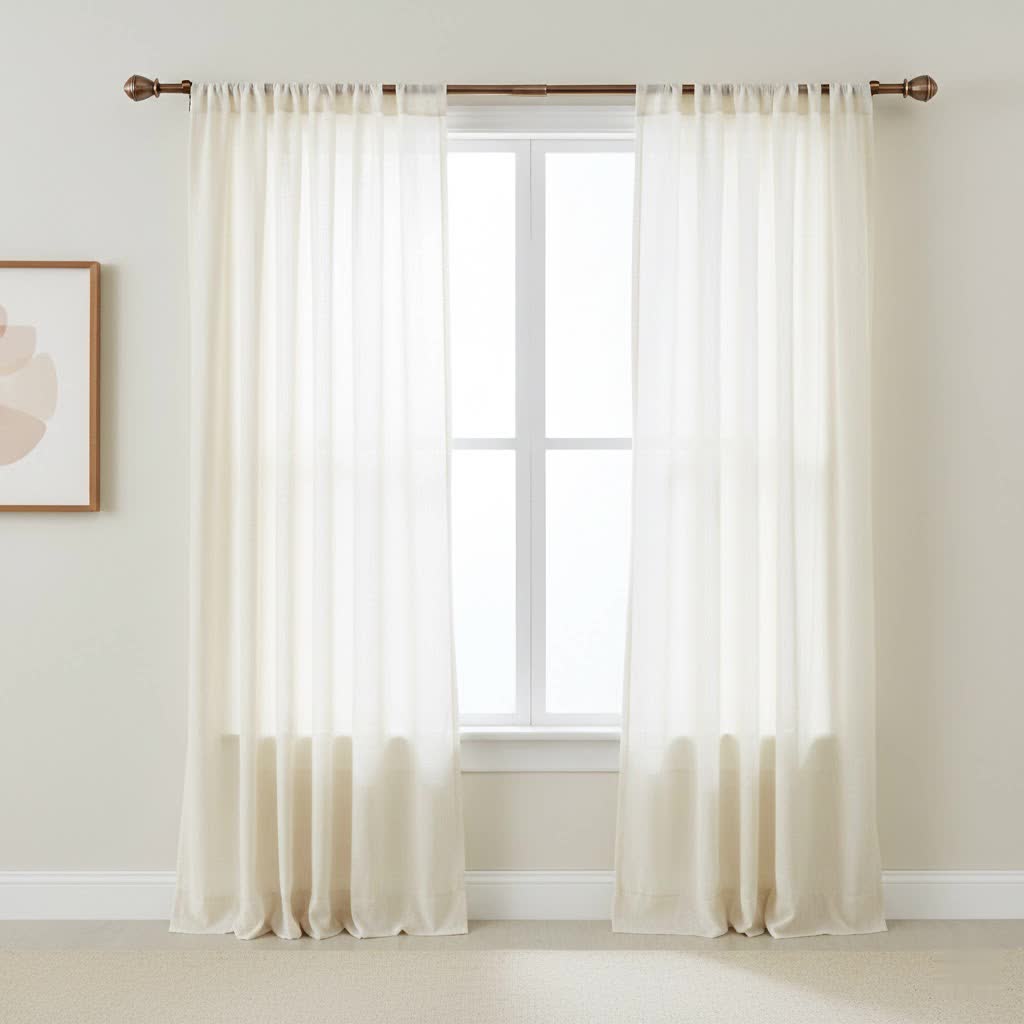
Stepping into a room, do your eyes immediately gravitate towards the windows, only to find them lacking? A well-chosen curtain and rod set does more than just hold fabric; it defines the aesthetic, controls light, and contributes significantly to the ambiance of your living space. Far from being a mere afterthought, the right combination of curtains and rods can dramatically enhance your home’s decor, adding both style and crucial functionality. Whether you’re aiming for a cozy haven, a minimalist retreat, or a grand statement, understanding the nuances of curtain and rod sets is key to unlocking your windows’ full potential.
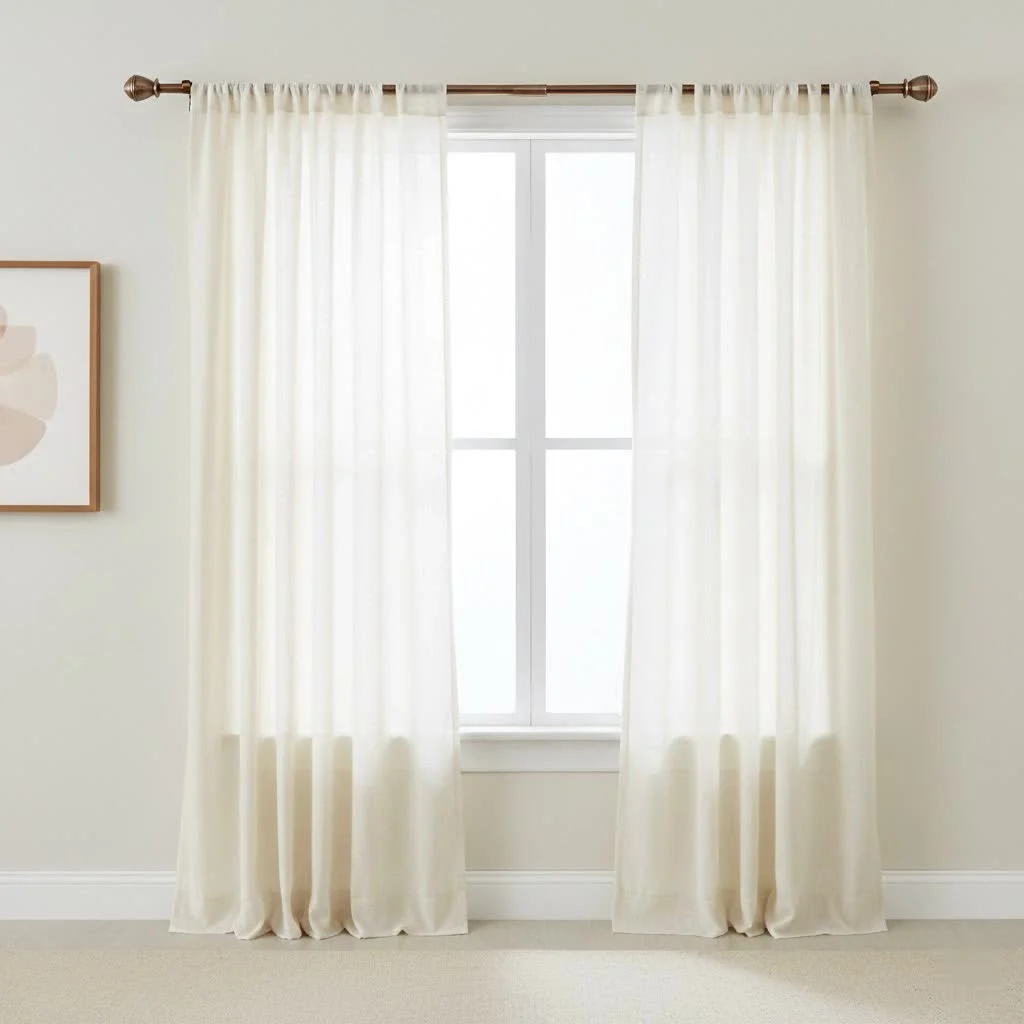
Unveiling Diverse Curtain Rod Set Types
The world of curtain and rod sets offers a surprising variety, each designed to complement different curtain styles, window shapes, and functional needs. Knowing the distinctions will help you select the ideal foundation for your window treatments.
The most common types include:
- Single Curtain Rods: These are the simplest and most versatile, designed to hold one set of curtain panels. They’re perfect for a clean, uncomplicated look where a single layer of fabric provides sufficient privacy and light control.
- Double Curtain Rods: For those who love layering, a double rod set is invaluable. It features two parallel rods, allowing you to hang sheer curtains on the inner rod for diffused light and daytime privacy, and heavier drapes on the outer rod for full blackout and insulation. This setup offers maximum flexibility in light management and adds depth to your windows.
- Tension Rods: An excellent no-drill solution for lightweight curtains and inside-mount applications. Tension rods expand to fit snugly within a window frame, making them ideal for renters or quick installations in spaces like kitchens and bathrooms where heavier drapes aren’t needed. However, they are generally not suitable for heavy curtains or wide windows.
- Traverse Rods (Curtain Tracks): These systems feature a track rather than a traditional rod, allowing curtains to glide smoothly along with the help of carriers or gliders. Often used for heavy or wide drapes, traverse rods are highly functional and can be corded for easy opening and closing, though they may have a more utilitarian appearance unless concealed.
- Bay Window Rods: Specifically designed with flexible connectors or pre-bent sections, these rods are tailored to fit the unique angles of bay windows, ensuring a continuous and harmonious look across multiple panes.
- Curtain Wires: A minimalist alternative, curtain wires offer a subtle, barely-there look, emphasizing the drapery itself. They are best for sheer or very lightweight curtains, creating a modern and airy feel.
Beyond the main rod, remember the supporting cast: finials (the decorative caps on the ends of the rod) and brackets (the hardware that mounts the rod to the wall). These elements significantly contribute to the overall style of your curtain and rod set. Different curtain heading styles, such as rod pocket, grommet, tab top, pinch pleat, and eyelet, dictate how the curtain connects to the rod, influencing both its drape and ease of movement. For instance, grommet and eyelet curtains slide easily over a rod, while rod pocket curtains create a gathered, more static look.
Materials for Curtain Rod Sets: A Comparative Review
The material of your curtain rod set impacts not only its durability and strength but also its visual appeal and how it integrates with your existing decor.
Let’s break down the most popular choices:
-
Metal (Stainless Steel, Aluminum, Wrought Iron, Brass):
- Stainless Steel: The epitome of modern durability, stainless steel is rust-proof, incredibly strong, and sleek. It’s an excellent choice for supporting heavy curtains and thrives in humid environments. Its contemporary look fits well with many decor styles.
- Aluminum: Lightweight yet robust, aluminum naturally resists corrosion, making it another superb option for humid climates. It’s often more budget-friendly than stainless steel while still offering good strength and a clean aesthetic.
- Wrought Iron: For a timeless, ornate, or rustic look, wrought iron is unparalleled. It’s heavy-duty and ideal for substantial drapes. However, it requires a protective coating to prevent rust, especially in humid conditions. Powder-coated wrought iron is your best bet for longevity.
- Brass: Brass adds a touch of warmth and elegance, ideal for classic or transitional interiors. While corrosion-resistant, it may tarnish over time if not properly sealed, though polished or coated brass options are low-maintenance and stylish.
- Pros: High strength, diverse finishes (matte, glossy, brushed), modern to traditional aesthetics, long-lasting.
- Cons: Can be heavier (requiring stronger wall anchors), potentially more expensive, telescopic metal rods might show a visible “notch.”
-
Wood:
- Wood curtain rods bring natural warmth, texture, and a traditional or rustic charm to a room. Available in various stains and finishes, they can complement wooden furniture beautifully.
- Pros: Aesthetic appeal, classic look, relatively lightweight depending on wood type.
- Cons: Can be less durable than metal for very heavy curtains, susceptible to warping or fading if not properly treated, especially for outdoor use.
-
Plastic/PVC:
- These materials are typically the most budget-friendly option. They are lightweight and easy to install, often found in tension rod designs.
- Pros: Very affordable, simple installation, good for temporary solutions or very light curtains.
- Cons: Less durable, can bend or crack under significant weight or heat, may fade over time, and offer limited aesthetic versatility.
When selecting a material, consider the weight of your curtains, the humidity of the room, and the overall style you wish to achieve. Heavy drapes demand sturdy metal or thick wooden rods with robust brackets to prevent sagging, while lighter fabrics can hang beautifully on more delicate structures.
Sizing and Installing Your Curtain Rod Set
The perfect curtain and rod set looks effortlessly stylish, but achieving that look requires precise measurement and careful installation.
Measuring for Your Curtain Rod Set
|
Our Picks for the Best Curtain Rod in 2026
As an Amazon Associate I earn from qualifying purchases.
|
||
| Num | Product | Action |
|---|---|---|
| 1 | YaFex Curtain Rods 32-144 Inch, Heavy Duty 1 Inch Adjustable Curtain Rod for Windows, Black Extra Long Window Treatment Rods, Modern Design, Easy Installation |

|
| 2 | 5/8” Diameter Curtain Rods 30-90 Inch, for 30-84 Inch Windows, Adjustable Splicing Black Curtain Rods for Windows with Brackets, Window Rod Long Small Curtains Rod |
|
| 3 | 1” Diameter Curtain Rods Itself is 30 to144 inch 1 Pack Fit 30-142 inch, 66 to 120 inch Window with Heavy Duty Adjustable Rod Matte Black Splicing Metal Extra Long Curtain Rod for Windows |
|
| 4 | Tension Curtain Rods No Drilling, Extra Long Tension Rod 41-139 Inch, Heavy Duty Shower Curtain Rod for Outdoor Patio Bathroom Windows Room Divider, Adjustable, Anti-Slip, No Rust, Black |
|
| 5 | Curtain Rods for Windows 16 to 144 Inches Adjustable Length 1 Inch Diameter Window Curtain Rod with Aluminium Finials, Black |
|
| 6 | Heavy Duty Curtain Rods for Windows 66 to 120 Inch,1 Inch Adjustable Black Curtain Rod with Easy Installation and Modern Design,Decorative Long Drapery Rods with Metal Finials (A1,Black,30-120") |
|
| 7 | Wrap Around Curtain Rod Black, Adjustable Blackout Curtain Rods for Windows 48 to 84 Inch, 1" Heavy Duty Room Darkening Drapery Rod, Easy Install and Removal |
|
| 8 | Heavy Duty Curtain Rods for Windows 66 to 120 Inch, 1 Inch Gold Curtain Rod Adjustable, Decorative Long Curtains Rods with Metal Finials, Easy Installation and Modern Design (A2,Gold,30"-120") |
|
| 9 | Curtain Rods for windows 32-48 inch, 5/8 inch Decorative Curtain Rod Set, Matte Black Splicing Heavy Duty Metal Curtain Rod with Brackets |
|
| 10 | Double Curtain Rod for Windows 66 to 120 Inches, 1 inch Heavy-Duty Adjustable Imitation Wood Farmhouse Double Curtain Rod, Boho Decorative and Wood Grain Finish, Dual Rod for Living Room and Bedroom |
|
Accurate measurements are the foundation of a successful installation. Always use a metal tape measure for precision.
- Window Width: Measure the width of your window from casing to casing (or frame to frame). To make your window appear larger and allow curtains to stack back fully, extending the rod beyond the window frame is a popular design trick. A good rule of thumb is to add 6 to 12 inches to the total window width (3 to 6 inches on each side) to ensure your curtains can clear the window when open, maximizing natural light.
- Accounting for Finials: Remember that finials add extra width to your rod. Factor this in, as finials can range from 1.5 to 9 inches in length. If space is tight, consider minimalist end caps instead.
- Rod Diameter: The diameter of your rod should be proportionate to the weight and style of your curtains. Heavier fabrics require thicker, sturdier rods (typically 1 inch or more in diameter), while sheer curtains can use thinner rods (around 0.5 to 0.75 inches).
- Curtain Length and Rod Height: The rod’s height dramatically influences the perception of room height.
- For an illusion of taller ceilings, hang the rod higher—ideally 2/3 of the distance between the top of your window frame and the ceiling.
- Alternatively, aim for 3 to 6 inches above the window frame.
- Curtains typically “kiss” the floor, meaning they just barely touch or hover about half an inch above it. Measure from your desired rod height to the floor to determine the ideal curtain panel length.
Installing Your Curtain Rod Set
With measurements in hand, installation is the next step. While seemingly daunting, it’s a manageable DIY project with the right tools and approach.
Tools you’ll typically need:
- Metal tape measure
- Pencil
- Level
- Drill with appropriate bits (for studs or drywall anchors)
- Screwdriver
- Curtain rod set (rod, finials, brackets, screws, anchors)
Basic Installation Steps:
- Mark Bracket Placement: Based on your width and height measurements, use a pencil to mark where each bracket will be mounted on the wall. Use a level to ensure these marks are perfectly straight. For wider windows, a center support bracket might be necessary to prevent sagging.
- Drill Pilot Holes: If mounting into drywall, use a drill to create pilot holes for drywall anchors. Insert the anchors firmly. If mounting into wall studs, drill pilot holes directly into the studs.
- Secure Brackets: Attach the brackets to the wall using the provided screws, ensuring they are tightly secured.
- Thread Curtains (if applicable): Before placing the rod on the brackets, thread your curtains onto the rod if they are rod pocket, grommet, or eyelet style.
- Mount the Rod: Carefully place the curtain rod onto the secured brackets. Attach the finials to the ends of the rod.
- Final Adjustments: Gently test the curtain’s movement. Make any necessary adjustments to ensure the curtains glide smoothly and hang evenly.
For tension rods, installation is even simpler: extend the rod to fit tightly within the window frame, applying enough pressure for a secure hold without damaging the frame. Remember, tension rods are best for lightweight curtains.
Comparative Overview: Popular Rod Types
| Feature | Round Rod (Classic/Adjustable) | Square Rod (Modern) | Track System (Traverse Rod) |
|---|---|---|---|
| Advantages | Easy to install, wide variety of designs, often extendable, budget-friendly options | Sleek, contemporary aesthetic, often sturdy, provides a clean line | Smooth operation, ideal for heavy/wide curtains, can be corded, minimalist appearance when concealed |
| Disadvantages | Can sag with very heavy curtains if not properly supported, telescopic versions may show a “notch” | Less decorative finial options, installation might require more precision for perfect alignment | More complex installation, typically higher cost, can be less decorative than traditional rods |
| Best For | Versatile, suits most curtain styles (grommet, rod pocket, eyelet, tab top), traditional to transitional decor | Modern and minimalist interiors, heavy or medium-weight curtains with contemporary headings | Functional needs, very heavy or wide drapes, layering, a streamlined look |
Styling Your Space with the Right Curtain and Rod Set
Your curtain and rod set is a powerful decor element. Harmonizing it with your interior design can transform a room from ordinary to extraordinary.
-
Match Your Interior Style:
- For a traditional or rustic look, consider wooden rods with ornate finials or wrought iron sets with a dark, rich finish.
- Modern and minimalist spaces benefit from sleek metal rods (chrome, brushed nickel, matte black) with simple, geometric finials or subtle end caps. Square rods are particularly well-suited here.
- Transitional designs offer flexibility, allowing you to blend elements—perhaps a classic round rod in a contemporary metallic finish.
-
Coordinate Colors and Finishes: The hardware finish of your curtain rod set should ideally complement other metallic accents in the room, such as lighting fixtures, door handles, or furniture legs. If your room has a mix of metals, choose the most dominant finish for your curtain hardware to create a cohesive look. A classic choice like matte black or brushed nickel often blends seamlessly with various color palettes.
-
Consider Curtain Weight and Fabric: The type of curtain fabric should influence your rod choice. Heavy velvet or insulated drapes require robust rods with strong brackets, while light, airy sheers can be supported by more delicate rods or even wire systems. The curtain’s heading style also plays a role; ensure your rod diameter is appropriate for grommets or rod pockets to allow for smooth movement.
-
Current Trends: While timeless designs always have a place, current trends often lean towards cleaner lines, mixed materials, and an emphasis on functionality. Concealed track systems and minimalist metal rods are increasingly popular for their understated elegance. Layering sheer and blackout curtains on double rod sets remains a favored approach for both style and practicality.
The Ultimate Curtain and Rod Set Buying Guide
Investing in the right curtain and rod set means considering a few crucial factors to ensure satisfaction and longevity.
- Material and Durability: As discussed, choose a material that matches the weight of your curtains and the desired aesthetic. Metal rods (stainless steel, aluminum, wrought iron) offer superior durability for heavier fabrics, while wood provides warmth and plastic is a budget-friendly option for light use.
- Size and Adjustability: Always measure your windows carefully, factoring in the extra width for stack-back and the height for an elongated look. Many rods are adjustable (telescoping), which offers flexibility, but be aware that the “notch” where the rod sections meet can be visible. For a seamless look on very wide windows, consider custom-cut rods or those designed to hide the joint.
- Style and Finials: Select a style that complements your room’s decor. Finials offer a great opportunity for a decorative touch; choose simple caps for a modern look or more elaborate designs for traditional elegance.
- Curtain Compatibility: Ensure the rod type and diameter are suitable for your chosen curtain’s heading style (grommet, rod pocket, pinch pleat).
- Installation Method: Decide if you prefer a drill-in installation (most secure for heavy curtains) or a no-drill tension rod for lighter applications. Check if the set includes all necessary mounting hardware.
- Budget: Curtain and rod sets are available at a wide range of price points. Determine your budget beforehand, but remember that investing in a higher-quality set can offer better durability and a more polished look in the long run.
Where to Purchase Quality Curtain and Rod Sets
You can find curtain and rod sets at various retailers, each offering different advantages:
- Specialized Home Decor Stores: Often provide a wider selection of unique designs, higher-quality materials, and expert advice.
- Large Retailers (e.g., IKEA, Target, Wayfair): Offer a broad range of styles and price points, from basic to more decorative, making them convenient for various budgets.
- Online Marketplaces: Provide extensive options and competitive pricing, but always check customer reviews for product quality and accuracy.
When buying, always inspect the quality of the materials, the smoothness of any adjustable joints, and the sturdiness of the brackets. Many reputable brands offer warranties, which can provide peace of mind.
Conclusion
Choosing the perfect curtain and rod set is an art that blends functionality with aesthetic vision. From selecting the ideal rod type and material to mastering measurements and installation, every decision contributes to the final look and feel of your space. Remember that a well-chosen set not only supports your curtains but also acts as a crucial design element, framing your windows and enhancing the overall beauty of your home.
Don’t underestimate the impact of these seemingly small details; they have the power to transform a room. By following this comprehensive guide, you’re now equipped to make informed choices that will elevate your windows and infuse your living spaces with style and personality. What story will your curtain and rod set tell?
Frequently Asked Questions
Can I install curtain rods without drilling?
Yes, you can install curtain rods without drilling by using tension rods. These rods expand to fit snugly within your window frame. However, they are generally only suitable for lightweight curtains and smaller windows, as they may not provide sufficient support for heavier drapes.
How do I choose the right finials for my curtain rod set?
Finials are the decorative caps at the ends of your curtain rod and should complement your room’s decor style and the rod’s finish. For a modern look, opt for simple, geometric, or spherical finials. For traditional or rustic styles, choose more ornate or classic designs like urns or carved wood.
What is the difference between a single and a double curtain rod?
A single curtain rod holds one set of curtains, providing a straightforward solution for light control and privacy. A double curtain rod features two parallel rods, allowing you to layer two different curtain panels—typically a sheer curtain on the inner rod and a heavier drape on the outer rod—for enhanced light control, privacy, and aesthetic depth.
Get our weekly buyer guide
Practical specs, not advice. Unsubscribe anytime.
