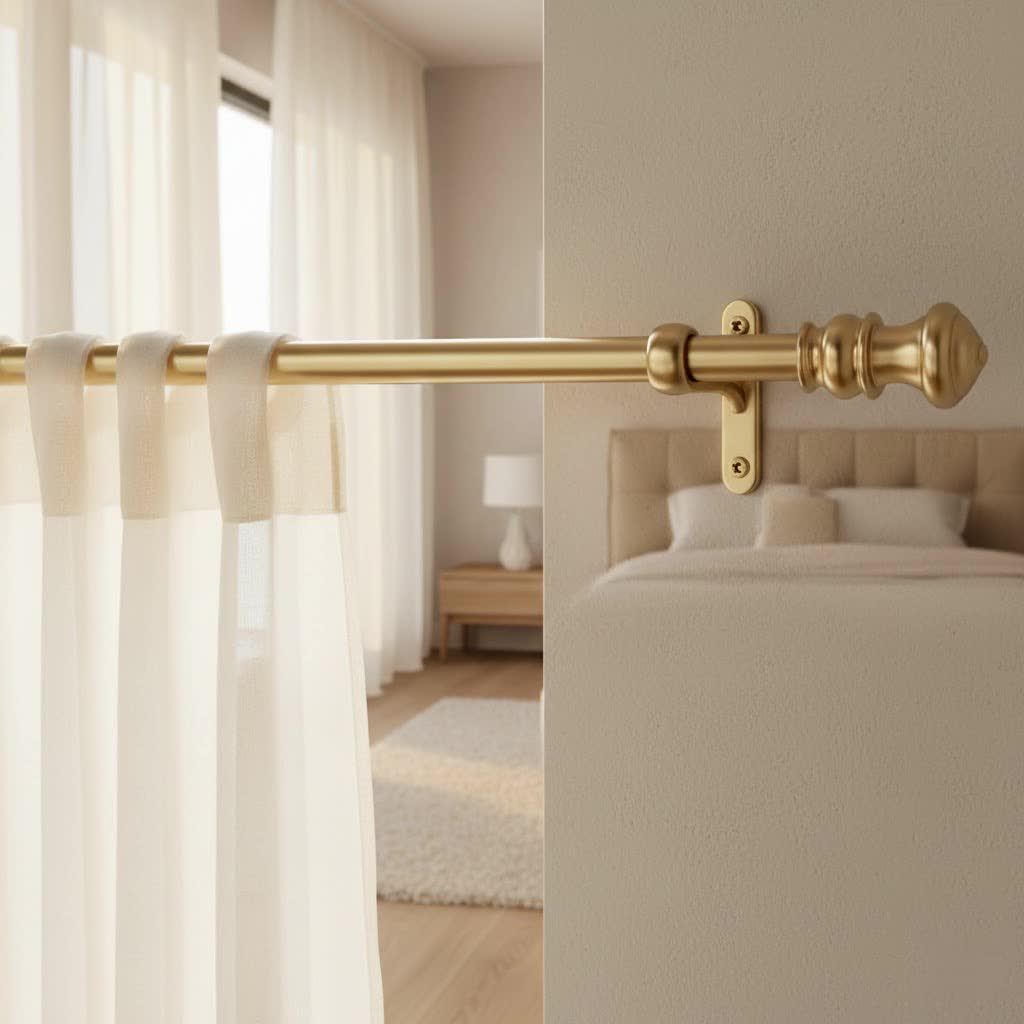
Transforming a room often starts with the details, and curtain rods are far more than mere functional hardware; they are a crucial element of your home’s aesthetic. West Elm, a renowned name in modern home furnishings, offers a diverse range of curtain rods designed to complement contemporary interiors. However, navigating the selection and installation process, while also considering important aspects like quality and user experiences, can be a challenge. This comprehensive guide will delve into everything you need to know about West Elm curtain rods, helping you make an informed decision for your living space.
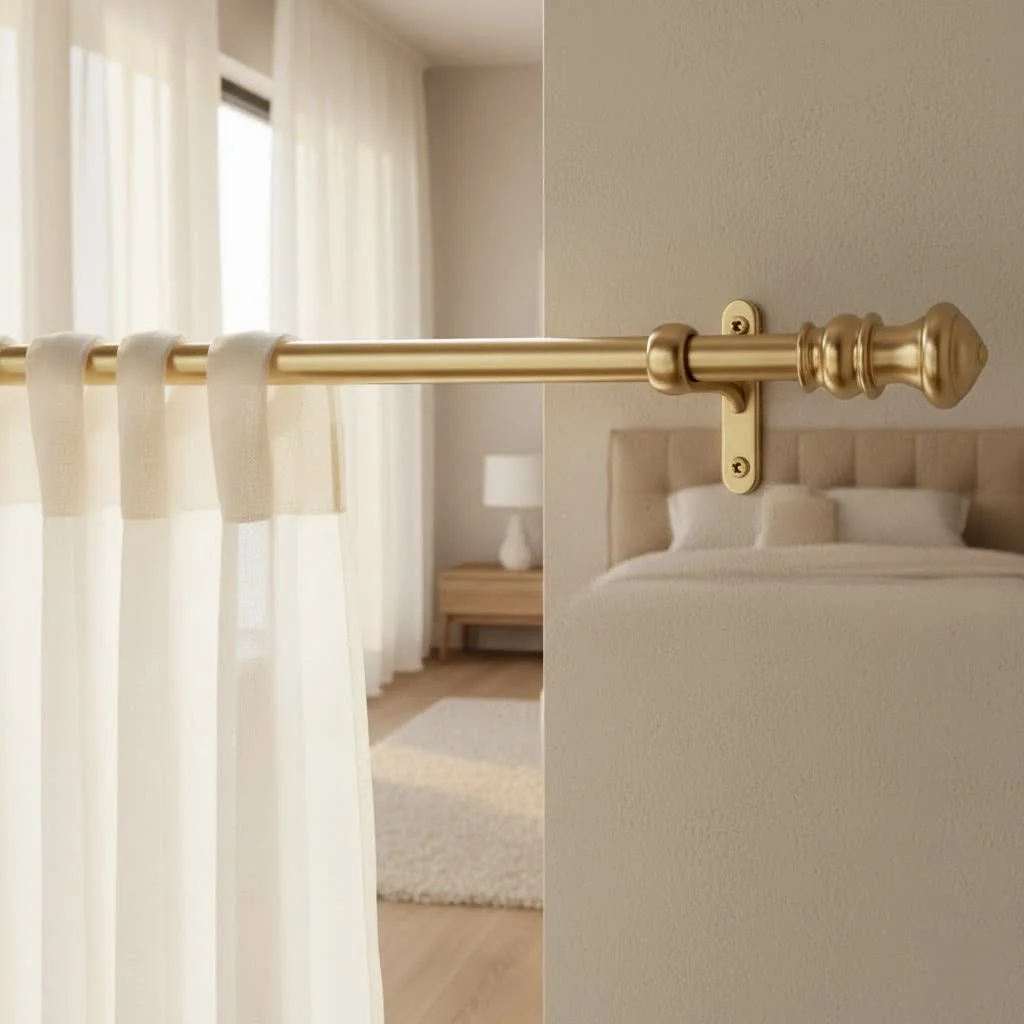
Exploring West Elm Curtain Rod Styles and Types
West Elm is celebrated for its commitment to modern and sophisticated design, and their curtain rod collection reflects this ethos. They provide a variety of styles tailored to different architectural tastes and functional requirements.
Among the popular offerings are adjustable curtain rods, which provide flexibility for various window widths. The Oversized Adjustable Curtain Rod stands out with its substantial diameter, offering a bold statement and robust support, often preferred for heavier drapes or a more dramatic look. For a specific function, the Swoop Adjustable Blackout Curtain Rod features a unique design that allows curtains to wrap around the window, effectively minimizing light leakage and enhancing privacy. Other styles include Mid-Century Adjustable Curtain Rods, which infuse a retro-modern vibe, Contour Adjustable Curtain Rods for a sleek profile, and Simple Adjustable Curtain Rods that offer a minimalist and versatile solution suitable for almost any room.
Materials and Finishes: A Closer Look
The choice of material and finish significantly influences both the durability and visual impact of your curtain rod. West Elm primarily utilizes metal for its curtain rods, providing a sturdy foundation for various curtain weights and styles.
Common metal finishes include classic Brushed Nickel, versatile Antique Brass, contemporary Dark Bronze, and elegant Gold. You might also find options in Black and White to seamlessly blend with diverse color palettes. While metal is dominant, some historical instances have mentioned wood or veneered options, though metal remains the core offering for its strength and sleek appearance. The finish selection is vital, as it can either create a subtle backdrop or serve as a striking accent against your wall and window treatments.
Sizing Your West Elm Curtain Rod for the Perfect Fit
Achieving a professional and aesthetically pleasing curtain installation hinges on accurate measurement and proper rod sizing. West Elm provides adjustable rods, but understanding the ideal dimensions is key.
A general guideline is to extend your curtain rod 1 to 3 inches beyond the window frame on each side. This extension allows your curtains to be pulled back completely, maximizing natural light and creating a wider, more expansive look for your window. For optimal light control and visual height, position your curtain rod approximately 4 inches above the window frame. West Elm rods typically come in adjustable length ranges such as 28″-48″, 48″-88″, 60″-108″, and 108″-144″, with some oversized options extending up to 204 inches. Always measure your window width and add the desired overhang before selecting a rod length to ensure a perfect fit.
Installation Guide: Hanging Your West Elm Curtain Rod
|
Our Picks for the Best Curtain Rod in 2026
As an Amazon Associate I earn from qualifying purchases.
|
||
| Num | Product | Action |
|---|---|---|
| 1 | 5/8” Diameter Curtain Rods 30-90 Inch, for 30-84 Inch Windows, Adjustable Splicing Black Curtain Rods for Windows with Brackets, Window Rod Long Small Curtains Rod |

|
| 2 | Heavy Duty Curtain Rods for Windows 66 to 120 Inch, 1 Inch Gold Curtain Rod Adjustable, Decorative Long Curtains Rods with Metal Finials, Easy Installation and Modern Design (A2,Gold,30"-120") |
|
| 3 | Curtain Rods for windows 32-48 inch, 5/8 inch Decorative Curtain Rod Set, Matte Black Splicing Heavy Duty Metal Curtain Rod with Brackets |
|
| 4 | Wrap Around Curtain Rod Black, Adjustable Blackout Curtain Rods for Windows 48 to 84 Inch, 1" Heavy Duty Room Darkening Drapery Rod, Easy Install and Removal |
|
| 5 | 1” Diameter Curtain Rods Itself is 30 to144 inch 1 Pack Fit 30-142 inch, 66 to 120 inch Window with Heavy Duty Adjustable Rod Matte Black Splicing Metal Extra Long Curtain Rod for Windows |
|
| 6 | Tension Curtain Rods No Drilling, Extra Long Tension Rod 41-139 Inch, Heavy Duty Shower Curtain Rod for Outdoor Patio Bathroom Windows Room Divider, Adjustable, Anti-Slip, No Rust, Black |
|
| 7 | Curtain Rods for Windows 16 to 144 Inches Adjustable Length 1 Inch Diameter Window Curtain Rod with Aluminium Finials, Black |
|
| 8 | YaFex Curtain Rods 32-144 Inch, Heavy Duty 1 Inch Adjustable Curtain Rod for Windows, Black Extra Long Window Treatment Rods, Modern Design, Easy Installation |
|
| 9 | Double Curtain Rod for Windows 66 to 120 Inches, 1 inch Heavy-Duty Adjustable Imitation Wood Farmhouse Double Curtain Rod, Boho Decorative and Wood Grain Finish, Dual Rod for Living Room and Bedroom |
|
| 10 | Heavy Duty Curtain Rods for Windows 66 to 120 Inch,1 Inch Adjustable Black Curtain Rod with Easy Installation and Modern Design,Decorative Long Drapery Rods with Metal Finials (A1,Black,30-120") |
|
Installing your West Elm curtain rod can be a straightforward process with the right tools and a clear plan. While specific instructions may vary slightly by product, the general steps remain consistent.
First, gather essential tools: a measuring tape, pencil, level, stud finder, drill, screwdriver, and an Allen wrench (often included). Begin by measuring the width of your window and marking the desired bracket locations, ensuring they extend beyond the window frame and are about 4 inches above it, as previously mentioned. Use a level to ensure your marks are perfectly straight. Next, pre-drill holes at your pencil marks. For drywall, insert wall anchors before fastening screws; for stud mounting, you can fasten screws directly into the wall. Once the brackets are securely mounted, assemble the rod sections, which typically telescope together, and attach the finials by threading them onto the ends. If your curtains have pole pockets or grommets, slide them onto the rod before mounting. If using curtain rings with clips, you can attach the curtains after the rod is in place. Finally, mount the assembled rod onto the brackets and tighten any set screws with the Allen wrench to secure it. This careful installation ensures your curtains hang beautifully and function smoothly.
West Elm Curtain Rod Reviews: What Users Say
The user experience with West Elm curtain rods presents a mixed picture, highlighting both their strengths and areas for improvement. Many appreciate the brand’s commitment to modern design and the aesthetic appeal of their products.
Pros:
- Attractive Design: Many users laud the contemporary style and clean lines that West Elm rods bring to a room.
- Sturdy Appearance: The thicker diameter of some rods, like the Oversized Adjustable Curtain Rod (often around 1.3″), provides a substantial and high-end look compared to thinner alternatives.
- Variety of Finishes: The range of finishes, including antique brass and dark bronze, allows for seamless integration into diverse decor schemes.
Cons:
- Quality Control Concerns: A recurring theme in customer feedback, particularly for newer versions of certain rods, involves significant quality control issues. These include reports of poorly cut screw threads, thin metal components, finishes that strip easily during installation, and “papery oak veneer” on some wood-look rods.
- Installation Challenges: While generally manageable, some users found the installation of West Elm rods, particularly those with heavy-duty mounting hardware, to be more complex than anticipated.
- Value for Money: Given the quality concerns, some customers question whether the price point justifies the product, suggesting that similar quality might be found at a lower cost elsewhere.
Comparing West Elm rods to more affordable alternatives, such as those found on Amazon, often highlights differences in length options and perceived ease of installation, though aesthetic preferences often still lean towards West Elm’s distinctive designs.
Comparison Table: Popular West Elm Curtain Rod Features
| Feature | Oversized Adjustable Metal Rod | Swoop Adjustable Blackout Rod | Simple Adjustable Curtain Rod |
|---|---|---|---|
| Design Ethos | Substantial, modern, bold statement | Functional, light-blocking curve | Minimalist, understated elegance |
| Primary Material | Metal (often steel) | Metal (often steel) | Metal (often steel) |
| Typical Finishes | Antique Brass, Dark Bronze, Polished Nickel | Antique Brass, Dark Bronze | Antique Brass, Polished Nickel, Black |
| Common Lengths | 44″-108″, 144″-204″ | 28″-48″, 48″-144″ | 28″-48″, 48″-144″ |
| Key Advantage | Robust feel, elevated aesthetic | Maximizes light blockage & privacy | Versatile, blends seamlessly with decor |
Choosing the Right West Elm Curtain Rod for Your Home
Selecting the ideal West Elm curtain rod involves a thoughtful consideration of several factors to ensure it perfectly complements your living space and meets your practical needs.
Firstly, consider your room’s existing style. For a modern, industrial, or minimalist aesthetic, a sleek metal rod in a black or polished nickel finish might be ideal. If your decor leans towards a warmer, more traditional, or mid-century modern look, an antique brass finish could be more suitable. Secondly, think about the functionality of your curtains. If you need to block out maximum light, especially in a bedroom, the Swoop Adjustable Blackout Curtain Rod is a specialized choice. For sheer curtains or lighter drapes, a simpler, less robust rod may suffice. Always balance your aesthetic preferences with the practical requirements of your window treatments and the overall design of the room. Finally, while West Elm offers distinct styles, it’s wise to weigh the investment against reported quality variations, ensuring your choice aligns with both your budget and expectations for durability.
“A well-chosen curtain rod is more than just hardware; it’s an extension of your home’s personality, framing your views and defining your comfort.”
Conclusion
West Elm curtain rods offer a compelling blend of modern design and functional appeal, providing a stylish solution for various window treatments. From the robust presence of the Oversized Adjustable Metal Rod to the light-blocking efficiency of the Swoop Blackout Rod, there’s a style to suit diverse aesthetic preferences. While lauded for their contemporary look and range of finishes, potential buyers should be mindful of mixed customer reviews regarding quality consistency, particularly with newer products. Careful consideration of your specific design needs, window dimensions, and a thorough review of recent feedback will help you navigate the selection process. By weighing the unique style West Elm offers against practical considerations like durability and ease of installation, you can confidently choose a curtain rod that elevates your home’s decor. Which West Elm curtain rod style best suits your aesthetic and functional needs, ultimately enhancing your everyday living experience?
Frequently Asked Questions
Are West Elm curtain rods worth the price?
West Elm curtain rods are generally considered to be on the higher end of the price spectrum. While many appreciate their modern design and aesthetic appeal, some recent customer reviews have expressed concerns regarding quality control issues, such as thin materials and threading problems. Their value for money often depends on individual priorities for design versus consistent product quality.
What sizes do West Elm curtain rods come in?
West Elm curtain rods are typically adjustable and available in several length ranges to accommodate various window sizes. Common adjustable lengths include 28″-48″, 48″-88″, 60″-108″, and 108″-144″. Some oversized options can extend even further, up to 204 inches, making them suitable for larger windows or expansive wall installations.
How do I install a West Elm adjustable curtain rod?
Installing a West Elm adjustable curtain rod involves measuring and marking bracket positions (typically 1-3 inches wider than the window on each side and 4 inches above), pre-drilling holes, securing brackets with anchors (for drywall) or screws (for studs), assembling the telescoping rod sections, and then mounting the rod. Ensure finials are attached for a complete look, and use an Allen wrench to tighten set screws on the brackets.
What are the common complaints about West Elm curtain rods?
Common complaints about West Elm curtain rods often revolve around quality control. Users have reported issues such as poorly cut screw threads, thin or flimsy metal components for the price point, finishes that can strip or scratch easily, and in some cases, less durable materials like “papery oak veneer” on older wood-look options.
Can West Elm curtain rods be used for blackout curtains?
Yes, West Elm offers specific curtain rod designs, such as the Swoop Adjustable Blackout Curtain Rod, which are engineered to work effectively with blackout curtains. These rods are designed to allow curtains to wrap around the window, minimizing light gaps and providing enhanced room darkening and privacy, making them ideal for bedrooms or media rooms.
Get our weekly buyer guide
Practical specs, not advice. Unsubscribe anytime.
