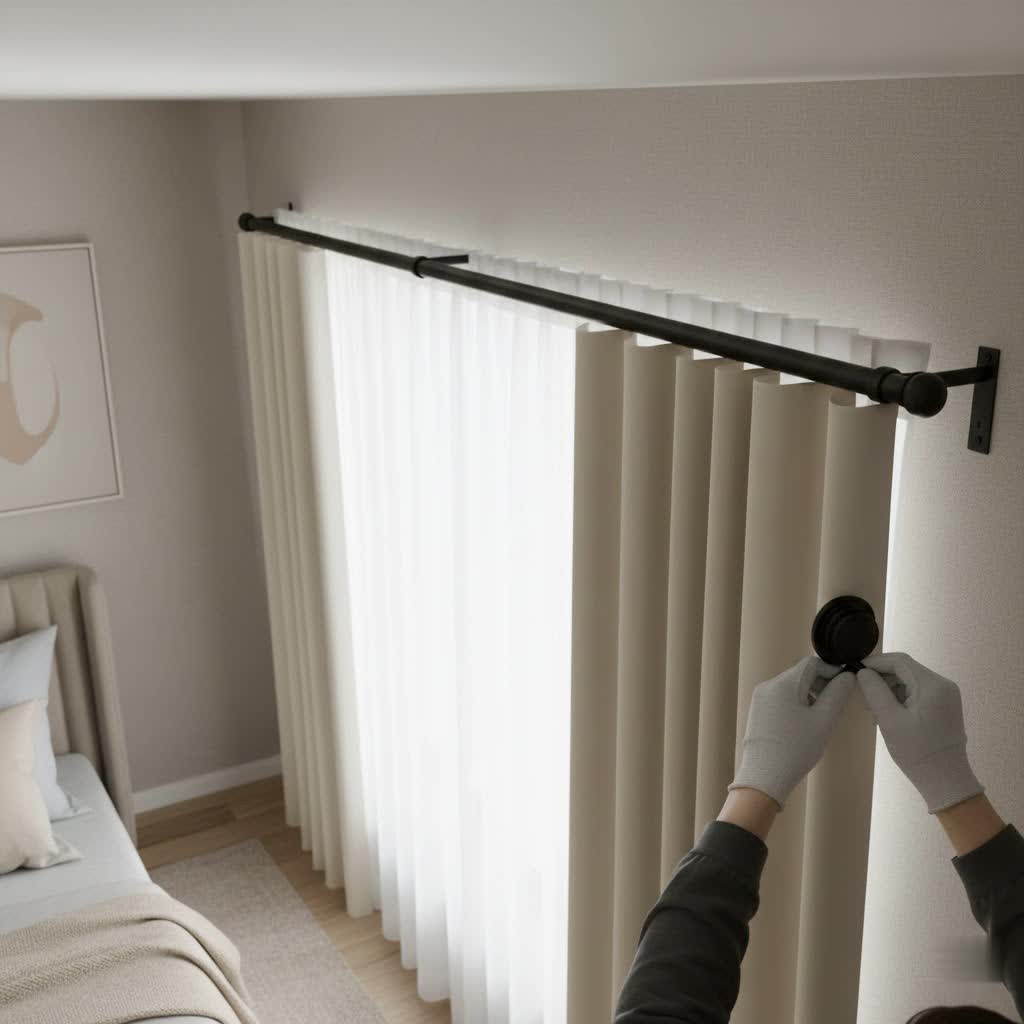
Transforming a room often starts with the subtle details, and few elements are as impactful yet understated as the right curtain rod. While bulky hardware can overwhelm a minimalist aesthetic or a smaller window, a thin curtain rod offers a perfect blend of elegance, versatility, and discreet support. It’s an ideal choice for those who appreciate clean lines, modern simplicity, or simply need a functional solution for lightweight window treatments.
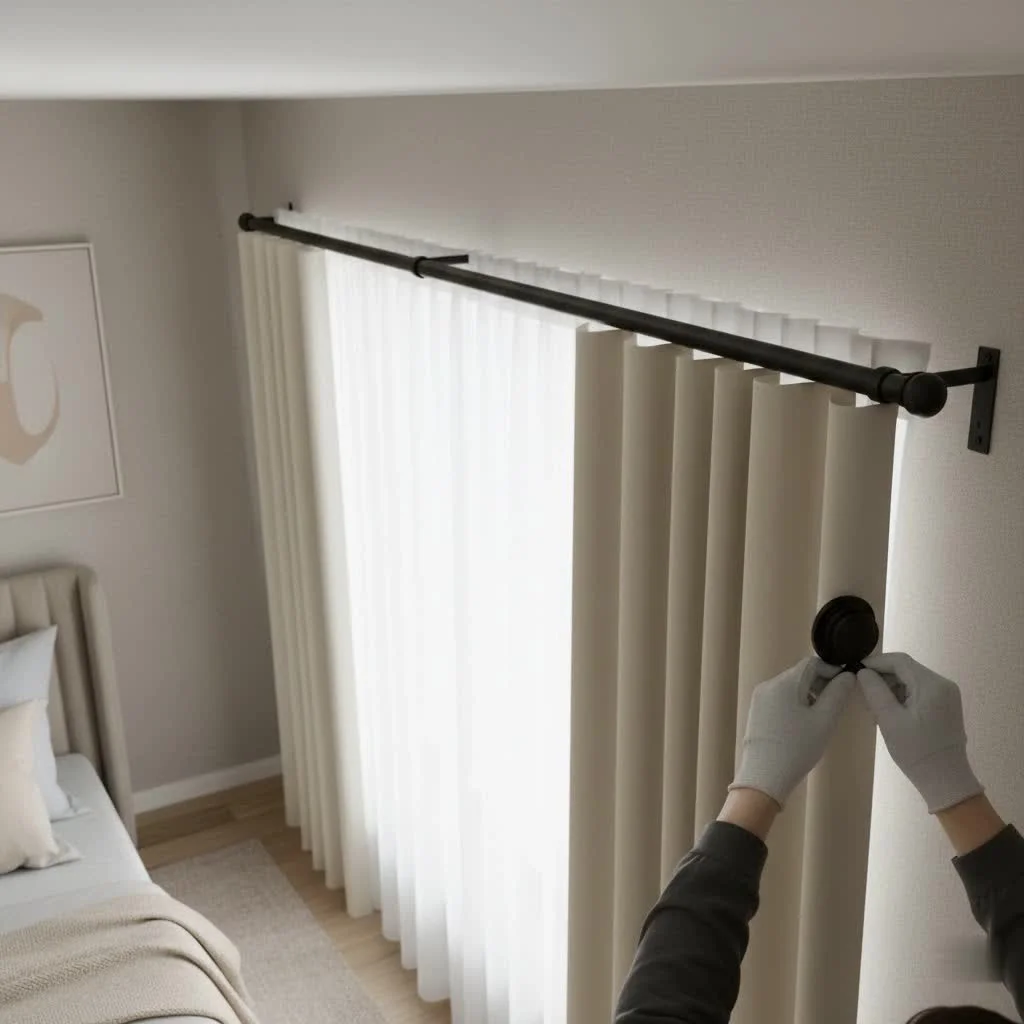
This comprehensive guide will explore everything you need to know about thin curtain rods, from the various types and materials to essential installation tips and how to perfectly integrate them into your home’s unique style. Let’s delve into the world of slender curtain hardware and discover how it can redefine your living spaces. For best curtain rods roundups on this site.
Exploring Popular Thin Curtain Rod Types
Thin curtain rods are far more diverse than many imagine, each designed to meet specific aesthetic and functional needs. Understanding the different types available is the first step toward selecting the perfect fit for your windows.
Tension Rods are perhaps the most straightforward and drill-free solution, ideal for renters or those who prefer not to make holes in their walls. These rods stay in place by tightly fitting between two surfaces, making them perfect for lightweight sheers, cafe curtains, or small windows in kitchens, bathrooms, or bedrooms. Their adjustability and ease of installation are major advantages, though their weight capacity is typically very limited.
Cafe Rods are characterized by their smaller diameter and are often used for cafe-style curtains that cover only a portion of the window, offering partial privacy while allowing natural light. They usually feature simple, understated designs, contributing to a casual and charming aesthetic.
French Return Rods offer a sophisticated and modern look. These rods curve back to the wall, creating a seamless, wrap-around effect that helps block light bleed and provides a finished, architectural appearance. While often thin and sleek, they are generally sturdier than tension rods and can support light to medium-weight curtains.
Decorative Thin Rods encompass traditional rod-and-finial styles but with a slender profile. These are chosen primarily for their aesthetic appeal and are best paired with lightweight panels or sheers where the focus is on a delicate, elegant display rather than heavy drapery. They come in various finishes and simple finial designs to complement different decor styles.
Finally, in Double Curtain Rod Systems, the secondary, often thinner, rod is specifically designed to hold lightweight sheers or blackout liners behind a main, heavier curtain. This allows for layered window treatments, offering flexibility in light control and privacy without the bulk of two full-sized rods.
Materials of Thin Curtain Rods: A Comparison
|
Our Picks for the Best Curtain Rod in 2026
As an Amazon Associate I earn from qualifying purchases.
|
||
| Num | Product | Action |
|---|---|---|
| 1 | Wrap Around Curtain Rod Black, Adjustable Blackout Curtain Rods for Windows 48 to 84 Inch, 1" Heavy Duty Room Darkening Drapery Rod, Easy Install and Removal |

|
| 2 | 1” Diameter Curtain Rods Itself is 30 to144 inch 1 Pack Fit 30-142 inch, 66 to 120 inch Window with Heavy Duty Adjustable Rod Matte Black Splicing Metal Extra Long Curtain Rod for Windows |
|
| 3 | YaFex Curtain Rods 32-144 Inch, Heavy Duty 1 Inch Adjustable Curtain Rod for Windows, Black Extra Long Window Treatment Rods, Modern Design, Easy Installation |
|
| 4 | Tension Curtain Rods No Drilling, Extra Long Tension Rod 41-139 Inch, Heavy Duty Shower Curtain Rod for Outdoor Patio Bathroom Windows Room Divider, Adjustable, Anti-Slip, No Rust, Black |
|
| 5 | Heavy Duty Curtain Rods for Windows 66 to 120 Inch,1 Inch Adjustable Black Curtain Rod with Easy Installation and Modern Design,Decorative Long Drapery Rods with Metal Finials (A1,Black,30-120") |
|
| 6 | Curtain Rods for Windows 16 to 144 Inches Adjustable Length 1 Inch Diameter Window Curtain Rod with Aluminium Finials, Black |
|
| 7 | 5/8” Diameter Curtain Rods 30-90 Inch, for 30-84 Inch Windows, Adjustable Splicing Black Curtain Rods for Windows with Brackets, Window Rod Long Small Curtains Rod |
|
| 8 | Heavy Duty Curtain Rods for Windows 66 to 120 Inch, 1 Inch Gold Curtain Rod Adjustable, Decorative Long Curtains Rods with Metal Finials, Easy Installation and Modern Design (A2,Gold,30"-120") |
|
| 9 | Double Curtain Rod for Windows 66 to 120 Inches, 1 inch Heavy-Duty Adjustable Imitation Wood Farmhouse Double Curtain Rod, Boho Decorative and Wood Grain Finish, Dual Rod for Living Room and Bedroom |
|
| 10 | Curtain Rods for windows 32-48 inch, 5/8 inch Decorative Curtain Rod Set, Matte Black Splicing Heavy Duty Metal Curtain Rod with Brackets |
|
The material of a thin curtain rod plays a crucial role in its durability, aesthetic, and the weight it can support. While aiming for a slender profile, it’s essential to choose a material that balances form with function.
Metal rods, including steel, stainless steel, and aluminum, are popular choices for thin curtain rods due to their strength and versatility. Steel and stainless steel are incredibly robust, meaning they are less prone to bending or sagging under the weight of light to medium curtains. They offer a modern, industrial, or contemporary look and are low-maintenance, resisting rust and wear. Aluminum is lighter and often more affordable than steel but provides less strength, making it most suitable for very lightweight curtains in smaller applications.
Plastic rods are the most economical option and are very lightweight. However, they lack the durability and strength of metal, making them susceptible to bending or breaking with even minimal weight. They are best reserved for temporary setups or extremely light, small window coverings where durability is not a primary concern.
While less common for truly thin profiles, some wood rods may be available. Wood can offer a natural, classic, or rustic aesthetic, but its finish may wear over time, and it may not always maintain the perfectly straight line of a metal rod, especially when very thin.
When selecting a material, consider the weight of your curtains, the size of your window, and the overall style you want to achieve, prioritizing robust metals for lasting performance and subtle elegance.
Sizing and Effortless Installation for Thin Rods
Proper sizing and installation are paramount for any curtain rod, but especially for thin curtain rods, where stability and aesthetics go hand-in-hand. Incorrect installation can lead to sagging, damage, or an unpolished look.
When measuring your window for a thin curtain rod, start with the width. To allow curtains to stack neatly to the sides and make your window appear larger, extend the rod 3 to 6 inches beyond the window frame on each side. For the height, a general guideline is to install the rod 4 to 6 inches above the window frame. For a more dramatic effect that makes the room feel taller, you can go even higher, placing the rod halfway between the top of the window frame and the ceiling.
Installing your thin curtain rod involves a few key steps:
- Marking Bracket Placement: Using a tape measure and a level, mark the precise points for your mounting brackets. Ensure they are perfectly aligned horizontally.
- Drilling Guide Holes: With the marks in place, use an appropriate drill bit to create pilot holes for your screws.
- Using Wall Anchors: If drilling into drywall and not directly into a stud, always use sturdy drywall anchors. These are crucial for providing reliable support and preventing the rod from pulling out of the wall, especially with thinner rods that might be perceived as less substantial.
- Installing Center Support: For thin rods or those spanning more than 4 feet, a center support bracket is highly recommended to prevent sagging over time. Measure the midpoint between your two end brackets and install an additional support there.
- Fastening Brackets: Securely fasten all brackets to the wall using a drill or screwdriver. Avoid overtightening screws, particularly when working with drywall anchors, to prevent stripping or damaging the anchor.
- Positioning the Rod: Thread your curtains onto the rod, then carefully lift and position the rod onto the mounted brackets. Many brackets have small set screws to hold the rod firmly in place; ensure these are tightened.
Safety tips during installation include using a sturdy step ladder, asking for assistance with longer rods, and double-checking all fastenings for security before hanging your curtains.
Comparison Table for Thin Curtain Rods
Choosing the right thin curtain rod involves weighing various factors, from aesthetic impact to functional capabilities. Here’s a quick comparison of common types:
| Feature | Tension Rod | Cafe Rod | French Return Rod | Decorative Thin Rod |
|---|---|---|---|---|
| Aesthetic | Discreet, functional, almost invisible | Casual, charming, traditional | Modern, sleek, clean, full coverage | Elegant, minimalist, refined |
| Installation | No drilling required, pressure-mounted | Wall-mounted with screws | Wall-mounted with screws | Wall-mounted with screws |
| Weight Capacity | Very light (sheers, valances) | Light (single panels, lightweight fabrics) | Light to medium (most light/medium drapes) | Light to medium (sheers, unlined panels) |
| Best For | Renters, small windows, temporary use, privacy in bathrooms/kitchens | Small windows, kitchen, half-windows, casual settings | Modern homes, light blocking, clean architectural look | Showcasing delicate fabrics, subtle enhancement, aesthetic focus |
Styling Thin Curtain Rods with Your Decor
Thin curtain rods are not just functional; they are a key design element that can significantly influence the feel of a room. Their subtle presence makes them incredibly versatile for various interior styles.
For minimalist or modern interiors, thin metal rods in finishes like matte black, brushed nickel, or polished chrome are excellent. Their understated elegance complements clean lines and uncluttered spaces, allowing the curtains or the view outside to be the focal point. Avoid elaborate finials; simple end caps or a French return style enhance the sleek look.
In farmhouse or bohemian settings, a thin wrought iron rod or one with a simple, natural wood end can add a touch of rustic charm without being heavy. Coordinate the finish with other metal accents in the room, such as lighting fixtures or furniture hardware, to create a cohesive design.
For classic or transitional homes, thin rods in bronze, antique brass, or even a subtle gold can provide a timeless appeal. Simple ball finials or cap ends maintain a refined look. These rods are ideal for showcasing sheer panels that diffuse light beautifully or for delicate drapery in living rooms and bedrooms.
Consider the room: kitchens and bathrooms often benefit from cafe rods or tension rods for small windows, providing privacy without blocking all light. In living rooms and bedrooms, thin rods can support elegant sheers, layered treatments, or even lightweight blackout curtains, especially when combined with a sturdy center support.
The color and finish of your rod should either blend seamlessly with your window frame or wall for a discreet look, or subtly contrast to become a complementary accent. Think about the existing color palette and metal tones in your room to make a harmonious choice. Current trends favor clean lines, understated elegance, and functional designs that enhance rather than overpower the window treatment.
Your Buying Guide for the Perfect Thin Curtain Rod
Navigating the options for thin curtain rods can feel overwhelming, but focusing on a few key factors will simplify your decision and ensure you select the perfect hardware for your home.
First, consider the weight of your curtains. This is arguably the most crucial factor. Thin rods are generally designed for lightweight to medium-weight fabrics like sheers, linen, or unlined cotton panels. Attempting to hang heavy drapes on a very thin rod will likely lead to sagging or even breakage.
Next, accurately measure your window size. You’ll need both the width (adding extra for extension beyond the frame) and the desired height for installation. This determines the length of the rod you need and if additional support brackets are necessary.
Think about your desired style and aesthetic. Do you prefer a decorative rod with minimalist finials, or a discreet, almost invisible solution like a tension rod or French return? The rod’s design should align with your room’s overall decor.
Evaluate the installation type that best suits your needs. Are you looking for a permanent, drilled-in solution for stability, or a temporary, no-drill option ideal for renters or smaller applications?
Material durability is another important aspect. Opt for high-quality metals like steel or stainless steel for longevity and resistance to sagging, especially for frequently used windows. Plastic rods are suitable only for the lightest applications.
Finally, set a budget. Thin curtain rods are available at various price points, so balancing cost with the desired quality and aesthetic is key. You can find excellent options in home improvement stores, dedicated drapery shops, and a vast selection online. When purchasing, always check the quality by inspecting the finish, ensuring sturdy construction, and confirming that all necessary mounting hardware is included in the kit.
Top Considerations for Thin Curtain Rods
While specific brands for “thin” rods may vary, focusing on certain characteristics will help you identify a high-quality product:
- Sturdy but Slender Design: The best thin rods are engineered to appear delicate while providing robust support for their intended lightweight fabrics. Look for thoughtful construction that minimizes visual bulk without compromising strength.
- High-Quality Materials: Prioritize steel or robust aluminum for durability and longevity. These materials ensure the rod remains straight and stable over time, even with daily use.
- Secure Mounting Hardware: A good thin curtain rod set will include strong, well-designed brackets and appropriate wall anchors (if needed for drywall installation). Secure mounting is critical to prevent sagging and ensure safety.
- Smooth Gliding Mechanism: For rods that will be frequently opened and closed, ensure the curtain rings or grommets glide smoothly along the rod without snagging or resistance.
- Aesthetic Finishes: A wide range of elegant finishes like matte black, brushed nickel, bronze, or polished chrome allows you to perfectly match or subtly contrast your rod with your existing interior design, enhancing the overall appeal of your window treatment.
Frequently Asked Questions
Can thin curtain rods hold heavy curtains?
Generally, thin curtain rods are not designed to hold heavy drapes or blackout curtains made from thick fabrics. Their slender profile is best suited for lightweight materials like sheers, linen, or unlined cotton panels. Heavy drapes require thicker, more robust rods or specialized traverse rod systems to prevent sagging and ensure proper function.
Do thin curtain rods sag easily?
Thin curtain rods can be prone to sagging if they are too long for their diameter, overloaded with heavy curtains, or not properly supported. To prevent sagging, choose a rod made from a strong metal like steel, select the appropriate length for your window, and always install a center support bracket for spans over 4 feet or with any perceived weakness.
What rooms are best for thin curtain rods?
Thin curtain rods are excellent choices for rooms where lightweight curtains are desired, such as kitchens, bathrooms, and bedrooms, particularly for small windows or cafe-style treatments. They are also ideal for living rooms or dining areas where a minimalist aesthetic is preferred, or when layering sheers behind heavier drapes on a double rod system.
How do I choose the right size thin curtain rod?
To choose the right size, measure the width of your window frame. For a visually wider window and to allow curtains to clear the glass when open, add 6 to 12 inches to this measurement (3-6 inches on each side). The rod’s height should typically be installed 4 to 6 inches above the window frame, or higher to create an illusion of taller ceilings.
Are tension rods considered thin curtain rods?
Yes, many tension rods have a thin profile and are indeed considered a type of thin curtain rod. They are particularly favored for their no-drill installation, making them perfect for lightweight applications, small windows, or temporary setups where you want to avoid wall damage. However, their weight capacity is generally lower than mounted thin rods.
Get our weekly buyer guide
Practical specs, not advice. Unsubscribe anytime.

I appreciated the tips on integrating thin rods into unique home styles. I tried a very thin decorative rod for my living room, hoping for that elegant look. While it does look nice, I found that it wasn’t quite as sturdy as I’d hoped for my slightly heavier linen curtains. It works, but I have to be careful when opening and closing them. Maybe it’s better suited for truly lightweight treatments.
Finally, a guide that gets it! I’ve always preferred clean lines and modern simplicity, and bulky hardware just ruins the vibe. The section on discreet support for lightweight window treatments was exactly what I needed. I’m now eyeing some of the more versatile options for my guest room. Great info!
I was really struggling to find a curtain rod that wouldn’t overpower my small bedroom window. The guide’s suggestion for a minimalist aesthetic with thin rods was spot on. I went with a simple black metal rod, and it looks so much cleaner and more modern than my old bulky one. It really made a difference in how spacious the room feels.
This guide was super helpful for understanding the different types of thin curtain rods. I ended up getting a tension rod for my kitchen window, which was perfect for a lightweight sheer curtain. Installation was a breeze, just as mentioned for functional solutions. My only minor gripe is that I wish there were more specific brand recommendations for the mid-range price point.