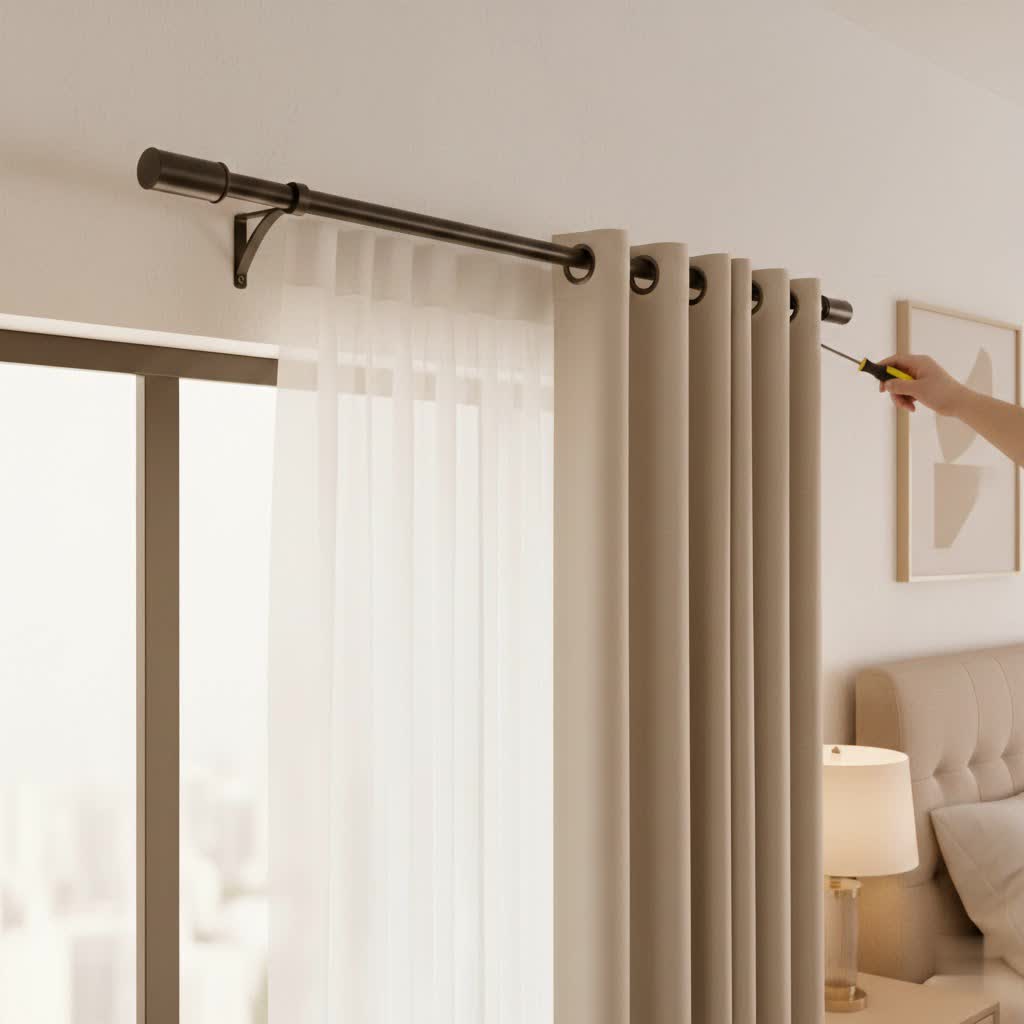
Are you tired of drilling holes in your walls just to hang a simple curtain? Perhaps you’re a renter looking for versatile decor solutions, or simply seeking an easy way to add privacy and organization without permanent fixtures. Tension Rod Curtain Poles offer an ingenious, damage-free alternative, making them a favorite for quick makeovers and clever hacks in any home. Forget the hassle of tools and hardware; these adaptable poles can transform your living spaces with minimal effort and maximum impact. Let’s dive into everything you need to know about tension rod curtain poles, from their basic mechanics to their most creative applications.
What Exactly is a Tension Rod Curtain Pole?
A tension rod curtain pole is a clever, no-fuss solution for hanging curtains and organizing spaces without the need for drilling or permanent installation. At its core, it’s a spring-loaded, telescopic rod designed to expand and create pressure between two opposing surfaces, like a window frame or cabinet walls. This internal spring mechanism is what generates the “tension” that holds the pole firmly in place. Most tension rods feature soft, rubberized end caps that grip surfaces securely while protecting them from scratches or marks. These rods are incredibly versatile, allowing for quick setup and removal, making them an ideal choice for temporary or semi-permanent uses where traditional curtain hardware isn’t practical or desired.
The Versatile World of Tension Rod Curtain Poles: Types and Materials
Tension rod curtain poles come in various forms, each suited for different applications and aesthetics. Understanding these distinctions can help you select the perfect rod for your needs.
Types of Tension Rods
- Standard (Lightweight) Tension Rods: These are typically thinner in diameter and designed for very light fabrics like sheer curtains, café curtains, or lightweight net curtains. They are often used for smaller windows in kitchens, bathrooms, or even inside cabinets.
- Heavy-Duty Tension Rods: Featuring a thicker diameter and a stronger internal spring mechanism, these rods are built to support more weight. They can handle medium-weight curtains, shower curtains, or heavier organizational tasks. While more robust, it’s crucial to remember they still have weight limitations compared to permanently mounted rods. Some “extra long tension rods” fall into this category, offering greater spans, though their stability can decrease at maximum extension.
- Decorative Tension Rods: While many tension rods are designed to be hidden within a curtain’s rod pocket, some are made with more aesthetic appeal. These might feature decorative finishes like chrome, brushed nickel, or oil-rubbed bronze, similar to traditional curtain rods, often seen in shower curtain applications. “Dauphin” or “continental rods” are larger, decorative tension rods that require specific rod pockets to accommodate their profile.
- Adjustable Length Tension Rods: This is the most common feature across all types. The telescopic design allows them to extend and retract, fitting a wide range of opening widths. This adjustability is key to their universal appeal and ease of use.
|
Our Picks for the Best Curtain Rod in 2026
We may earn a commission when you use one of our links to make a purchase.
|
||
| Num | Product | Action |
|---|---|---|
| 1 | Heavy Duty Curtain Rods for Windows 66 to 120 Inch, 1 Inch Gold Curtain Rod Adjustable, Decorative Long Curtains Rods with Metal Finials, Easy Installation and Modern Design (A2,Gold,30"-120") |

|
| 2 | YaFex Curtain Rods 32-144 Inch, Heavy Duty 1 Inch Adjustable Curtain Rod for Windows, Black Extra Long Window Treatment Rods, Modern Design, Easy Installation |
|
| 3 | Heavy Duty Curtain Rods for Windows 66 to 120 Inch,1 Inch Adjustable Black Curtain Rod with Easy Installation and Modern Design,Decorative Long Drapery Rods with Metal Finials (A1,Black,30-120") |
|
| 4 | Wrap Around Curtain Rod Black, Adjustable Blackout Curtain Rods for Windows 48 to 84 Inch, 1" Heavy Duty Room Darkening Drapery Rod, Easy Install and Removal |
|
| 5 | Double Curtain Rod for Windows 66 to 120 Inches, 1 inch Heavy-Duty Adjustable Imitation Wood Farmhouse Double Curtain Rod, Boho Decorative and Wood Grain Finish, Dual Rod for Living Room and Bedroom |
|
| 6 | Curtain Rods for Windows 16 to 144 Inches Adjustable Length 1 Inch Diameter Window Curtain Rod with Aluminium Finials, Black |
|
| 7 | 1” Diameter Curtain Rods Itself is 30 to144 inch 1 Pack Fit 30-142 inch, 66 to 120 inch Window with Heavy Duty Adjustable Rod Matte Black Splicing Metal Extra Long Curtain Rod for Windows |
|
| 8 | Tension Curtain Rods No Drilling, Extra Long Tension Rod 41-139 Inch, Heavy Duty Shower Curtain Rod for Outdoor Patio Bathroom Windows Room Divider, Adjustable, Anti-Slip, No Rust, Black |
|
| 9 | 5/8” Diameter Curtain Rods 30-90 Inch, for 30-84 Inch Windows, Adjustable Splicing Black Curtain Rods for Windows with Brackets, Window Rod Long Small Curtains Rod |
|
| 10 | Curtain Rods for windows 32-48 inch, 5/8 inch Decorative Curtain Rod Set, Matte Black Splicing Heavy Duty Metal Curtain Rod with Brackets |
|
Materials for Tension Rods
The material of your tension rod directly impacts its durability, weight capacity, and aesthetic.
- Metal (Steel, Aluminum, Stainless Steel, Iron, Chrome, Brass, Bronze): Metal tension rods are the most common and generally the strongest. Steel and aluminum offer good durability and are robust enough for most curtain applications, provided the curtain isn’t excessively heavy. Stainless steel and chrome options are popular for bathrooms due to their rust-resistant properties and sleek look. Brass and bronze finishes can add a touch of classic elegance. These materials contribute to a sturdy, corrosion-resistant product built to last.
- Plastic/PVC: Lighter and more budget-friendly, plastic or PVC tension rods are best suited for very lightweight items. They are often found in small sizes for craft projects, temporary dividers, or hanging extremely light fabrics. While easy to handle, they lack the strength and durability of metal options and are prone to bending or sagging under even moderate weight.
- Rubber/Silicone (for end caps): While not the rod material itself, the end caps are almost always made of rubber or silicone. These materials are essential for providing a non-slip grip against surfaces and preventing damage, ensuring the rod stays securely in place.
Choosing the right type and material ensures your tension rod performs effectively, whether it’s supporting a delicate sheer curtain or organizing your pantry.
Advantages and Disadvantages: Weighing Your Options
Tension rod curtain poles offer a unique set of benefits and limitations that are important to consider before making your purchase.
The Advantages
- No Drilling, No Damage: This is the primary appeal of tension rods. They eliminate the need for drills, screws, or brackets, making them perfect for renters, dorm rooms, or anyone who wants to avoid putting holes in their walls or window frames. Installation is entirely non-invasive.
- Easy Installation and Removal: You can typically install a tension rod in seconds with your bare hands. Simply twist, extend, and secure. This makes them ideal for temporary setups, seasonal decor changes, or when you need to quickly take down curtains for cleaning.
- Affordable: Compared to traditional curtain rods that require additional hardware, tension rods are generally a more budget-friendly option, providing an economical way to dress windows or organize spaces.
- Incredibly Versatile: Beyond windows, tension rods can be used in doorways, closets, cabinets, and other small nooks. Their adjustability allows them to fit a wide array of spaces, offering creative solutions for storage and organization.
- Temporary Solutions: Whether you’re experimenting with a new look, need privacy in a guest room, or are moving soon, tension rods provide a flexible, temporary fix that can be easily undone without a trace. They are excellent for spaces like bathrooms where drilling into tiles is often problematic.
The Disadvantages
- Limited Weight Capacity: This is the most significant drawback. Tension rods are best suited for lightweight curtains such as sheers, café curtains, or thin room-darkening panels. Heavy drapes, thermal curtains, or blackout curtains often prove too much for a tension rod, causing it to slip, sag, or even fall. Stability issues are often worse when the rod is extended to its maximum length.
- Not Ideal for Very Wide Spans: While adjustable, tension rods lose some of their holding strength when fully extended. They perform best on narrower windows and spaces, typically 80-100 inches wide or less. Anything longer can become unstable and prone to sagging in the middle, as they lack the central support brackets that fixed rods offer. The longest reliable tension rods are often cited around 84 inches.
- Aesthetic Limitations: Tension rods are designed for inside-mount installation, meaning they fit within the window frame. This can limit design flexibility, as you can’t hang curtains higher or wider than the window to create the illusion of larger windows or higher ceilings, which is a common design trick with traditional rods.
- Can Slip if Overloaded or Incorrectly Installed: If the surfaces are slick or uneven, or if the rod is supporting too much weight, it can gradually slide down or suddenly fall. The quality of the spring mechanism and the grip of the end caps are crucial for preventing this.
Understanding these pros and cons will help you determine if a tension rod curtain pole is the right choice for your specific decorating and organizational needs.
Choosing the Perfect Tension Rod Curtain Pole: A Buying Guide
Selecting the right tension rod involves more than just picking the first one you see. Careful consideration of a few key factors will ensure your rod is both functional and aesthetically pleasing.
Measure Accurately
The first and most crucial step is to precisely measure the width of the space where the tension rod will be installed. Use a tape measure to get the exact distance between the two opposing surfaces (e.g., inside the window frame, between two cabinets).
Expert Tip: “Purchase a rod that’s longer than your measurement. Tension rods lose their strength as you expand them. If you were to expand a tension rod to its full length, it won’t be able to hold up very much weight at all. As such, you should buy a rod that’s longer than what you need when fully expanded. For example, if you need to fill a 5 ft (1.5 m) space, get a rod that can expand up to 7 feet (2.1 m).” This allows the rod to be under optimal compression, providing maximum tension and stability without being at its weakest point.
Consider Curtain Weight
The weight of your chosen curtain fabric dictates the strength of the tension rod you’ll need.
- Lightweight curtains (sheers, café curtains, voile): Almost any standard tension rod will suffice.
- Medium-weight curtains (room darkening, some linens): Opt for heavy-duty metal tension rods with a more robust spring mechanism.
- Heavy curtains (blackout, thermal, velvet): Tension rods are generally not recommended for these. They pose a significant risk of slipping or falling. For heavy drapes, a traditional, permanently mounted curtain rod is a much safer and more reliable choice.
Diameter Matters
The diameter of the tension rod plays a role in its strength and ability to resist sagging.
- Thinner rods (1/2″ to 3/4″ diameter): Best for lightweight applications and narrow windows.
- Thicker rods (1″ to 1.5″ diameter): Provide greater stability and support for heavier curtains and wider spans within the tension rod’s capabilities. A larger diameter helps prevent bending in the middle.
Material Selection
As discussed earlier, the material affects durability, aesthetics, and environment suitability.
- Metal (steel, aluminum): Your best bet for strength and longevity. Look for rust-resistant finishes like chrome or stainless steel if using in moist environments like bathrooms.
- Plastic/PVC: Only suitable for the lightest of applications.
End Caps
Ensure the tension rod has high-quality, non-slip rubber or silicone end caps. These provide the necessary grip against surfaces and protect your walls or window frames from damage. Larger, softer end caps generally offer a better grip than small, hard plastic ones.
Style and Finish
Even if the rod will be mostly hidden by curtains, consider its finish. If it’s exposed, choose a color and material that complements your existing decor, such as white, black, silver, or bronze. Decorative shower curtain tension rods, for example, often come in appealing finishes.
By carefully evaluating these factors, you can confidently select a tension rod curtain pole that perfectly meets your functional and aesthetic requirements.
Beyond Curtains: Creative Uses for Tension Rods
While “curtain pole” is in their name, tension rods are marvels of versatility, offering ingenious solutions for organization and space management throughout your home. Their no-drill, adjustable nature makes them perfect for creative hacks.
Storage Solutions
- Closet Organization: Use smaller tension rods to create extra hanging space for hats, belts, scarves, ties, or even small handbags. Place one across a closet opening to hang clip-on shoe organizers or temporary garment overflow.
- Under-Sink Organization: Maximize the space under your kitchen or bathroom sink. Install a tension rod near the top to hang spray bottles by their nozzles, freeing up the cabinet base for other items.
- Cabinet and Drawer Dividers: Use tension rods vertically in cabinets to separate baking sheets, cutting boards, or container lids. In drawers, install them horizontally to keep items like water bottles, spices, or small dishes neatly divided and prevent them from shifting.
- Craft Stations: Create an organized craft area by using a tension rod to hold spools of ribbon, rolls of wrapping paper, or even rolls of tape. This keeps supplies easily accessible and tangle-free.
Space Management
- Temporary Room Dividers: For open-plan living or to create a private nook, a heavy-duty tension rod with a suitable curtain can serve as a flexible room divider without building permanent walls.
- Impromptu Doors: Conceal open shelves, messy laundry areas, or even create a hidden “closet” by hanging a fabric panel from a tension rod in a doorway or alcove.
- Window Plant Hangers: Secure a tension rod across a sunny window and use S-hooks or sturdy twine to hang lightweight potted plants, creating a vertical herb garden or a lovely display.
- Kids’ Spaces: Organize bath toys by hanging a mesh bag from a tension rod across the tub. In a play area, use them to hang art supplies or keep small items off the floor.
Installation Tips for Optimal Grip
To ensure your tension rod stays put and doesn’t slip, especially when used for storage:
- Clean Surfaces Thoroughly: Before installation, clean the walls or cabinet interiors where the rod will rest. Remove any dust, grease, or moisture to allow the rubber end caps to get the best possible grip.
- Extend Slightly Longer: Instead of matching the exact measurement, extend the rod slightly longer than the opening.
- Install at an Angle, Then Twist: Place one end firmly against the surface, then angle the other end into place. Twist the rod (if it has a twisting mechanism) until it is very taut and feels securely wedged. The pressure should be firm but not so intense that it damages the wall.
- Check for Rubber Stoppers: Opt for rods with robust, non-slip rubber stoppers on the ends. Some even come with optional sticky wall brackets for extra security, though these negate the “no-damage” benefit.
By thinking outside the box, your tension rod curtain pole can become one of the most hardworking and adaptable tools in your home.
Table: Tension Rod vs. Traditional Curtain Rod
| Feature | Tension Rod Curtain Pole | Traditional Curtain Rod |
|---|---|---|
| Installation | No drilling, tool-free, spring-loaded | Requires drilling, mounting brackets with screws |
| Wall Damage | None, non-permanent | Permanent holes in walls |
| Weight Capacity | Best for lightweight to medium-light curtains | Can support heavy drapes, blackout curtains |
| Span Limitations | Best for narrower windows/spaces (typically <100 inches) | Suitable for all window widths, including very wide |
| Aesthetic | Functional, often hidden inside window frame or pocket | Highly decorative, visible, wide range of finials/styles |
| Versatility | Temporary, multi-purpose (curtains, organization, dividers) | Permanent window treatment, less versatile for other uses |
| Ideal For | Renters, dorms, temporary needs, small windows, organizational hacks, bathrooms | Homeowners, long-term decor, large windows, heavy fabrics |
Expert Advice on Maximizing Your Tension Rod
Choosing the right curtain rod, whether it’s a tension rod or a traditional one, is an integral part of interior design that can significantly impact a room’s functionality and aesthetic. While tension rods offer unmatched convenience for their ease of installation and versatility in temporary setups, understanding their limitations is key to successful application.
“A well-chosen tension rod isn’t just a utility item; it’s a brilliant design hack. Its true magic lies in its ability to adapt, offering instant privacy or organization without the commitment of permanent fixtures. However, always respect its weight limits. Overloading is the quickest way to turn a clever solution into a frustrating failure.” – Sarah Chen, Interior Design Consultant
To truly maximize your tension rod, consider the context. In a bathroom, a rust-resistant metal tension rod is perfect for shower curtains. In a child’s room, smaller rods can create accessible storage. For windows, they excel with sheers or café curtains, providing light filtering and privacy without visual bulk. Always opt for the thickest diameter possible for the intended span and load, and ensure the end caps are made of a high-quality, grippy material. By doing so, you’ll ensure longevity and reliable performance from these incredibly useful home essentials.
Conclusion
Tension rod curtain poles are unsung heroes of home decor and organization, offering a damage-free, tool-free solution for a myriad of needs. From providing instant privacy in rented apartments to organizing cluttered cabinets, their spring-loaded design and adjustable nature make them incredibly practical. While they excel with lightweight applications and narrower spaces, knowing their strengths and limitations ensures you get the most out of these versatile poles. Embrace the simplicity and functionality of tension rod curtain poles to effortlessly elevate your living spaces. What creative ways will you find to use tension rods in your home?
Câu Hỏi Thường Gặp
How much weight can a tension rod hold?
The weight capacity of a tension rod varies significantly based on its material, diameter, and how far it’s extended. Generally, lightweight rods can hold a few pounds, while heavy-duty metal tension rods might support up to 10-20 pounds. However, it’s crucial to check the manufacturer’s specifications, and always err on the side of caution, especially when the rod is fully extended, as its strength decreases with extension.
How do you keep a tension rod from slipping?
To prevent a tension rod from slipping, first ensure the surfaces where it rests are clean, dry, and free of dust or grease. Extend the rod slightly longer than the opening and twist it (if applicable) until it creates firm pressure. Choosing a rod with large, high-quality rubberized end caps provides better grip. For added security, some users apply a small amount of clear silicone caulk or small adhesive pads to the end caps, though this might cause minor residue upon removal.
Can tension rods be used for blackout curtains?
Tension rods are generally not recommended for heavy blackout curtains. Blackout curtains are typically much heavier than standard drapes, and this excessive weight can cause the tension rod to sag, slip, or even fall, especially over wider windows. For blackout curtains, a permanently installed, sturdy curtain rod with wall-mounted brackets is the safest and most effective option.
Are tension rods adjustable?
Yes, nearly all tension rods are designed to be adjustable. They feature a telescopic mechanism that allows them to extend and retract to fit a range of widths. This adjustability is one of their key advantages, enabling them to be easily customized for different window sizes, doorways, or interior spaces without the need for cutting or specialized tools.
What surfaces do tension rods work on?
Tension rods work best on smooth, flat, and sturdy surfaces such as painted walls, tile, wood window frames, or inside cabinets. The rubber end caps create friction against these surfaces, allowing the spring-loaded tension to hold the rod securely. They may not perform as well on rough, porous, or uneven surfaces, or very slick materials like highly polished metal, where a strong grip is harder to achieve.