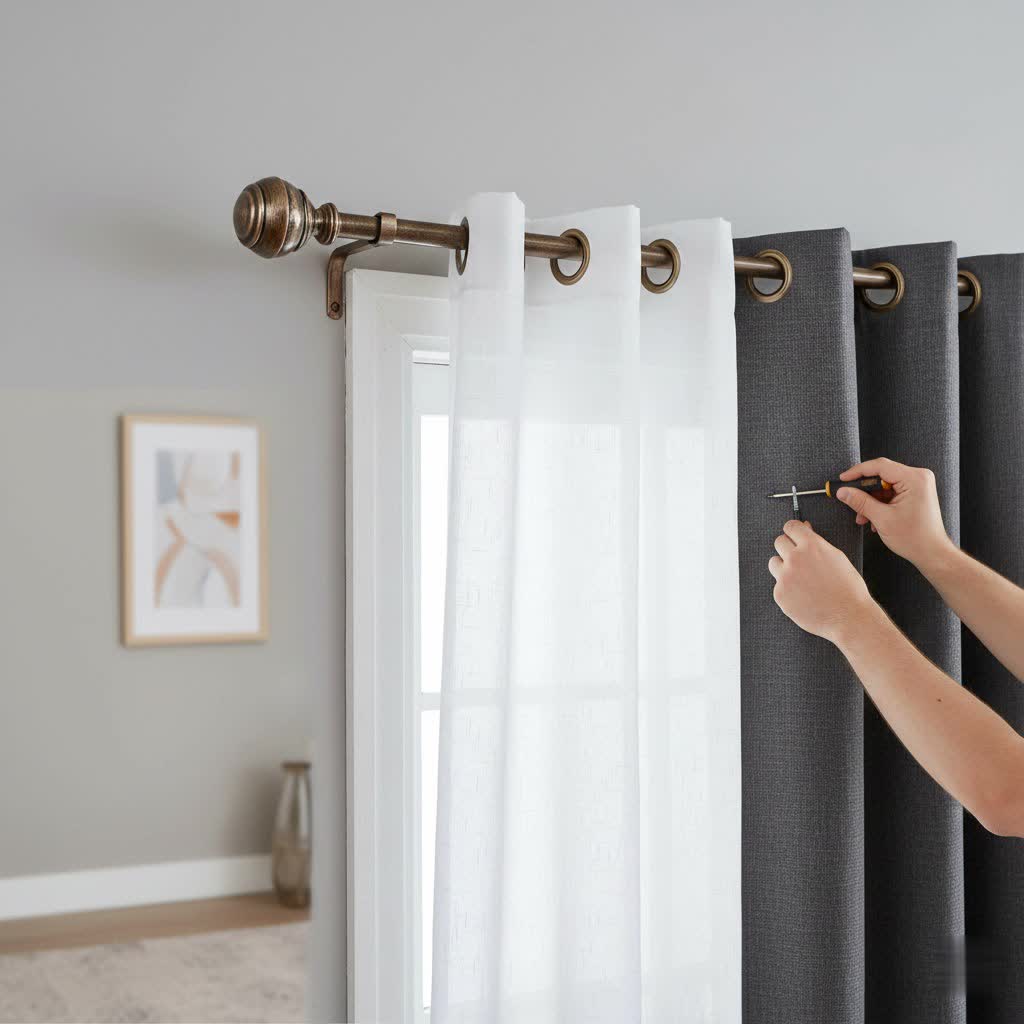
The right curtain rod can transform a window from a mere opening to a sophisticated focal point, especially when striving for the timeless elegance of mid-century modern design. It’s more than just a functional piece; it’s an integral element that ties together the distinctive aesthetic of the era, characterized by clean lines, organic shapes, and an unwavering commitment to both form and function. Selecting the perfect mid-century modern curtain rod means understanding its unique characteristics and how it integrates seamlessly into your living space.
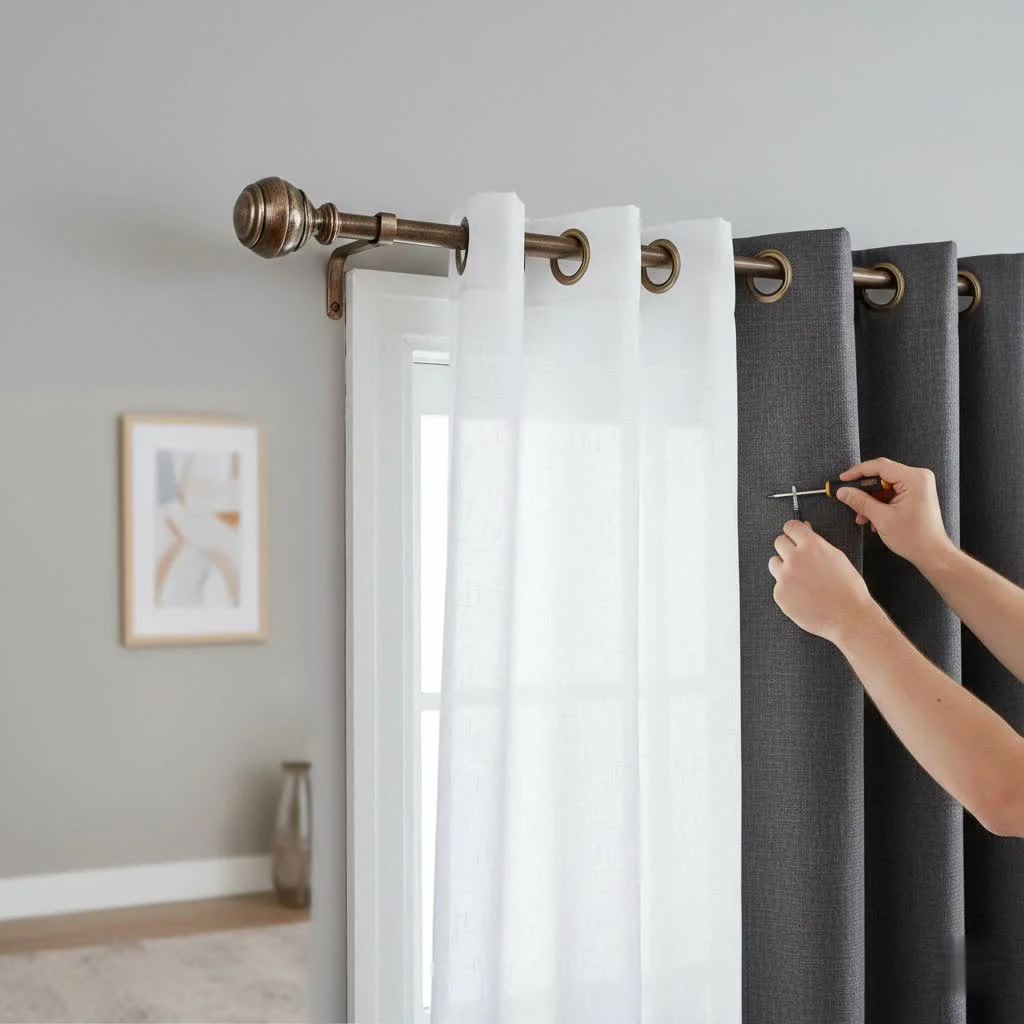
Understanding Mid-Century Modern Curtain Rod Styles
Mid-century modern design, spanning roughly from the 1940s to the mid-1960s, champions simplicity, functionality, and a seamless blend with nature. For curtain rods, this translates to designs that are understated yet impactful, avoiding excessive ornamentation in favor of thoughtful details. The aesthetic prioritizes clean lines, often showcasing the beauty of the materials themselves rather than elaborate carvings or finials.
Common rod types include straight, sleek cylinders or slightly squared profiles that offer a streamlined look. Many mid-century modern rods are also adjustable or telescoping, providing practical versatility without compromising style. This allows for a perfect fit across various window sizes, a hallmark of the era’s focus on practical solutions. Finial styles—the decorative caps at the ends of the rod—are typically minimalist. Think simple geometric shapes, clean cylinders, or understated spherical designs. Warm metallic finishes like brass or cool tones such as nickel are prevalent, often paired with subtle wooden accents. These rods are designed to complement, not overpower, the iconic furniture and decor of an MCM interior, such as teak credenzas or Eames chairs, enhancing the overall harmonious atmosphere.
Materials: The Essence of Mid-Century Modern Curtain Rods
The choice of material for a mid-century modern curtain rod is paramount, as it directly influences the rod’s aesthetic and its ability to evoke the era’s distinct style. Each material brings its own character, contributing to the overall warmth, sleekness, or unique flair of your space.
- Wood: Natural wood, particularly in finishes like oak, walnut, maple, or cherry, is a classic choice for mid-century modern curtain rods. It introduces organic warmth and a tactile quality, echoing the natural materials frequently used in MCM furniture. Wood rods can be solid for a substantial feel or incorporate wood veneers over a stronger core material like steel or iron to prevent bowing and ensure durability.
- Metal: Metals such as brass, nickel, steel, and iron offer a sleek, sophisticated appeal. Brass, with its warm, golden hue, is especially iconic for mid-century modern design, providing a luxurious contrast to natural wood elements or adding a subtle gleam. Nickel and steel offer a cooler, more contemporary edge while maintaining the clean lines essential to the style. These metals are highly durable and strong, capable of supporting heavier drapes with ease.
- Acrylic/Lucite: For a touch of avant-garde and lightness, acrylic or Lucite rods can be a striking choice. Transparent and almost ethereal, they nod to the innovative use of man-made materials during the mid-century era. These rods can make a space feel more open and bright, offering a unique, almost floating aesthetic, especially when paired with minimalist brackets.
- Leather: While not typically used for the rod itself, leather straps or holders are a distinctive mid-century modern accessory for hanging curtain rods. These add a textural, handcrafted element, often seen in Scandinavian-inspired MCM interiors, offering a unique blend of ruggedness and refined design. They contribute to a minimalist yet warm aesthetic.
When selecting a material, consider both its visual impact and its practical attributes. A solid brass rod might offer unparalleled sophistication, while a wood veneer over metal provides the best of both worlds: natural beauty with enhanced structural integrity.
Sizing and Installation for Your Mid-Century Curtain Rod
|
Our Picks for the Best Curtain Rod in 2026
As an Amazon Associate I earn from qualifying purchases.
|
||
| Num | Product | Action |
|---|---|---|
| 1 | 1” Diameter Curtain Rods Itself is 30 to144 inch 1 Pack Fit 30-142 inch, 66 to 120 inch Window with Heavy Duty Adjustable Rod Matte Black Splicing Metal Extra Long Curtain Rod for Windows |

|
| 2 | Tension Curtain Rods No Drilling, Extra Long Tension Rod 41-139 Inch, Heavy Duty Shower Curtain Rod for Outdoor Patio Bathroom Windows Room Divider, Adjustable, Anti-Slip, No Rust, Black |
|
| 3 | YaFex Curtain Rods 32-144 Inch, Heavy Duty 1 Inch Adjustable Curtain Rod for Windows, Black Extra Long Window Treatment Rods, Modern Design, Easy Installation |
|
| 4 | Double Curtain Rod for Windows 66 to 120 Inches, 1 inch Heavy-Duty Adjustable Imitation Wood Farmhouse Double Curtain Rod, Boho Decorative and Wood Grain Finish, Dual Rod for Living Room and Bedroom |
|
| 5 | Curtain Rods for windows 32-48 inch, 5/8 inch Decorative Curtain Rod Set, Matte Black Splicing Heavy Duty Metal Curtain Rod with Brackets |
|
| 6 | Heavy Duty Curtain Rods for Windows 66 to 120 Inch,1 Inch Adjustable Black Curtain Rod with Easy Installation and Modern Design,Decorative Long Drapery Rods with Metal Finials (A1,Black,30-120") |
|
| 7 | 5/8” Diameter Curtain Rods 30-90 Inch, for 30-84 Inch Windows, Adjustable Splicing Black Curtain Rods for Windows with Brackets, Window Rod Long Small Curtains Rod |
|
| 8 | Curtain Rods for Windows 16 to 144 Inches Adjustable Length 1 Inch Diameter Window Curtain Rod with Aluminium Finials, Black |
|
| 9 | Heavy Duty Curtain Rods for Windows 66 to 120 Inch, 1 Inch Gold Curtain Rod Adjustable, Decorative Long Curtains Rods with Metal Finials, Easy Installation and Modern Design (A2,Gold,30"-120") |
|
| 10 | Wrap Around Curtain Rod Black, Adjustable Blackout Curtain Rods for Windows 48 to 84 Inch, 1" Heavy Duty Room Darkening Drapery Rod, Easy Install and Removal |
|
Proper sizing and installation are crucial not only for the functionality of your curtains but also for achieving the desired aesthetic balance in your mid-century modern space. An improperly sized or installed rod can detract from even the most carefully curated interior.
When measuring for length, you should aim for the rod to extend beyond your window frame. A general rule of thumb for outside mounting is to add approximately 6 to 12 inches to each side of the window. This allows your curtains to be pulled back fully, maximizing natural light and making the window appear larger. For inside mounts, measure the exact width of your window frame.
Choosing the right diameter for your curtain rod is also essential, as it impacts both the visual presence and the load-bearing capacity. Thinner rods, typically around ¾-inch, are ideal for lighter curtains or sheers, offering a delicate and minimalist look. A 1-inch diameter rod is a versatile choice for medium-weight curtains. For heavy drapes or a bolder visual statement, a thicker rod, such as 1¼-inch, provides the necessary sturdiness and a more substantial aesthetic. Selecting the appropriate diameter ensures your rod won’t bow or sag over time, maintaining its integrity and appearance.
You have several mounting options. Wall-mounted brackets are the most common, offering robust support. Ceiling-mounted brackets can be used to create an illusion of higher ceilings or for windows that extend close to the ceiling. Inside-mount options, where the rod is placed within the window frame, are suitable for lightweight curtains or when you wish to showcase intricate window trim. Outside-mounts, extending beyond the frame, are preferred for heavier drapes and for maximizing light blockage or privacy. When installing, always ensure sufficient clearance above the window for the curtain heading (rod pocket, rings, or tabs) to move freely.
Comparison Table: Mid-Century Curtain Rod Materials
| Feature | Wood (Solid/Veneer) | Metal (Brass/Steel) | Acrylic/Lucite | Leather (Straps) |
|---|---|---|---|---|
| Pros | Natural warmth, classic MCM look, can be substantial, blends with MCM furniture. | Durable, sleek, modern, very strong, available in various finishes (e.g., warm brass, cool nickel). | Modern, unique, light-enhancing, translucent, can create a floating effect. | Unique, textured, adds a handcrafted or minimalist Scandinavian/boho MCM touch. |
| Cons | Can be heavy, solid wood might bow if too long and thin, requires more care. | Can appear cold, prone to scratches, solid brass can be pricier, may show fingerprints. | Can be fragile, may show dust and smudges easily, less traditional MCM. | Primarily for aesthetic support or holding smaller rods; not a standalone structural rod material. |
| Best For | Cozy, organic, classic MCM spaces with a focus on natural elements and warmth. | Industrial-chic, minimalist, sophisticated MCM designs requiring strength and a polished finish. | Avant-garde, light-filled, or unique modern spaces seeking a distinctive, subtle visual impact. | Adding a distinctive, handcrafted element to an existing rod or for lightweight café curtains. |
Designing with Mid-Century Curtain Rods: Style Integration
Integrating mid-century modern curtain rods into your home goes beyond mere installation; it’s about creating a cohesive and visually harmonious environment. The beauty of MCM lies in its ability to blend various elements into a unified, stylish whole.
To achieve this, consider coordinating your curtain rods with your existing MCM furniture. For instance, a walnut wood rod can beautifully echo the warm tones of a teak credenza or a Danish modern dining table. Similarly, brass rods can pick up on metallic accents from lighting fixtures or decorative objects, creating a polished and sophisticated connection throughout the room. The clean lines and minimal ornamentation of MCM rods ensure they complement, rather than compete with, the iconic forms and materials of the furniture.
The choice of curtain fabric is equally important. Mid-century modern curtains often feature rich textures like tweed, wool, or linen, or bold geometric, abstract, and atomic patterns. Colors frequently include vibrant tones such as turquoise, orange, and yellow, alongside more subdued earthy palettes. A simple, understated curtain rod allows these fabrics and patterns to truly shine, framing the window dressing without distraction. For instance, a sleek, dark metal rod would enhance a vibrant, patterned curtain, while a warm wood rod would perfectly complement a textured linen drape.
Thoughtful rod placement can also significantly enhance a room’s perceived height and maximize natural light. Hanging the rod several inches above the window frame can make your ceilings appear taller. Ensuring the rod extends beyond the window’s width, as discussed earlier, allows curtains to be fully drawn back, flooding the room with light. Above all, resist the urge for overly ornate or fussy designs, as they clash with the inherent simplicity and straightforwardness that define mid-century modern aesthetics.
Buying Guide: Selecting Your Ideal Mid-Century Curtain Rod
Choosing the right mid-century modern curtain rod involves a thoughtful consideration of several factors to ensure it perfectly complements your interior design and functional needs. Making an informed decision will lead to a lasting and stylish addition to your home.
Begin by evaluating the material and finish. Decide whether you prefer the natural warmth of wood (oak, walnut, maple), the sleekness of metal (brass, nickel, steel), or the unique transparency of acrylic/Lucite. Consider how the finish—polished brass, brushed nickel, or a natural wood stain—will integrate with other metallic accents and wood tones in your room. The finials should also align with the MCM aesthetic: opt for simple geometric shapes, cylinders, or subtle spheres over ornate designs.
Next, accurately determine the length and diameter required. Measure your window carefully, accounting for the desired overhang for outside mounting or the precise width for inside mounting. Refer to the diameter guidelines for load-bearing capacity, selecting a thinner rod for light sheers and a thicker one for heavy drapes to prevent bowing.
Consider the weight capacity of the rod and its brackets. If you plan to hang heavy, lined curtains, ensure the chosen system is robust enough to support them over time. Adjustable, telescoping rods offer flexibility, but for very wide windows, a single custom-cut rod might provide a cleaner, uninterrupted look.
When it comes to where to buy, several excellent sources cater to mid-century modern design enthusiasts. High-end home furnishing stores often carry specific MCM-inspired collections. Online retailers like West Elm and Joss & Main frequently feature adjustable rods with clean lines and metallic accents that align with the aesthetic. For unique or handcrafted pieces, platforms like Etsy are a treasure trove, offering custom wood rods, leather strap holders, and vintage-inspired designs. Specialty hardware stores may also provide components for a more custom, built-in look.
Finally, always check the quality of the components. Look for durable metals that won’t easily bend or scratch, and if choosing wood, inquire if it’s solid or a high-quality veneer over a strong core material. Well-made brackets and smoothly operating rings or glides contribute to the overall functionality and longevity of your curtain rod system.
Top Mid-Century Curtain Rod Brands and Where to Find Them
Finding the right brand for your mid-century modern curtain rods can significantly streamline your selection process, ensuring you acquire pieces that are both authentic in style and high in quality. While many excellent options exist, certain brands and retailers consistently offer products that resonate with the MCM aesthetic.
West Elm is a prominent retailer frequently highlighted for its mid-century inspired home furnishings. Their collection often includes adjustable curtain rods featuring smooth wood surfaces combined with metallic mounting hardware, such as antique brass or carbon finishes. These rods typically embody the clean lines and functionality that are central to MCM design, and they offer both single and double rod options to suit various drapery needs.
Joss & Main is another popular online destination, often providing a range of mid-century modern curtain rods crafted from durable materials like steel. Their rods often feature adjustable, telescoping designs with understated finials, designed to complement both contemporary and traditional spaces while maintaining an MCM sensibility. They are known for providing functional and stylish hardware that can accommodate thicker fabrics.
For those seeking unique, handcrafted, or vintage-inspired options, Etsy stands out as an invaluable resource. Here, independent artisans offer custom wood curtain rods in various MCM-favored woods like oak, walnut, or maple, often paired with distinctive wooden or leather brackets. You can also find brass or acrylic rods with geometric finials that truly capture the retro spirit. This platform is ideal for discovering bespoke pieces that add a personal touch.
When evaluating brands, look for those that emphasize quality materials like heavy-duty steel, solid brass, or high-grade wood (or wood veneer over a sturdy metal core to prevent bowing). Good brands will also offer a variety of finishes, ensuring you can match your rod to other metallic or wooden elements in your room. Price points can vary significantly, with mass-produced adjustable rods being more affordable, while custom-cut, solid material rods from specialized artisans will naturally command a higher price for their craftsmanship and durability.
Conclusion
Choosing the ideal mid-century modern curtain rod is a careful balance of aesthetic harmony and practical functionality. It’s about more than just hanging curtains; it’s about selecting a piece of hardware that acts as a subtle yet powerful design statement, reflecting the era’s appreciation for clean lines, natural materials, and purposeful design. From the rich warmth of walnut and oak to the sleek elegance of brass and nickel, and even the innovative transparency of acrylic, each material offers a distinct character that can elevate your living space.
Remember to consider factors like rod diameter for proper support, precise length measurements for optimal light control, and finial styles that embrace minimalism over extravagance. By making informed choices, you can ensure your mid-century modern curtain rod not only provides excellent support for your drapery but also serves as a beautiful, cohesive element in your meticulously designed home. What design elements will you prioritize to bring that authentic mid-century modern charm to your windows?
Get our weekly buyer guide
Practical specs, not advice. Unsubscribe anytime.
