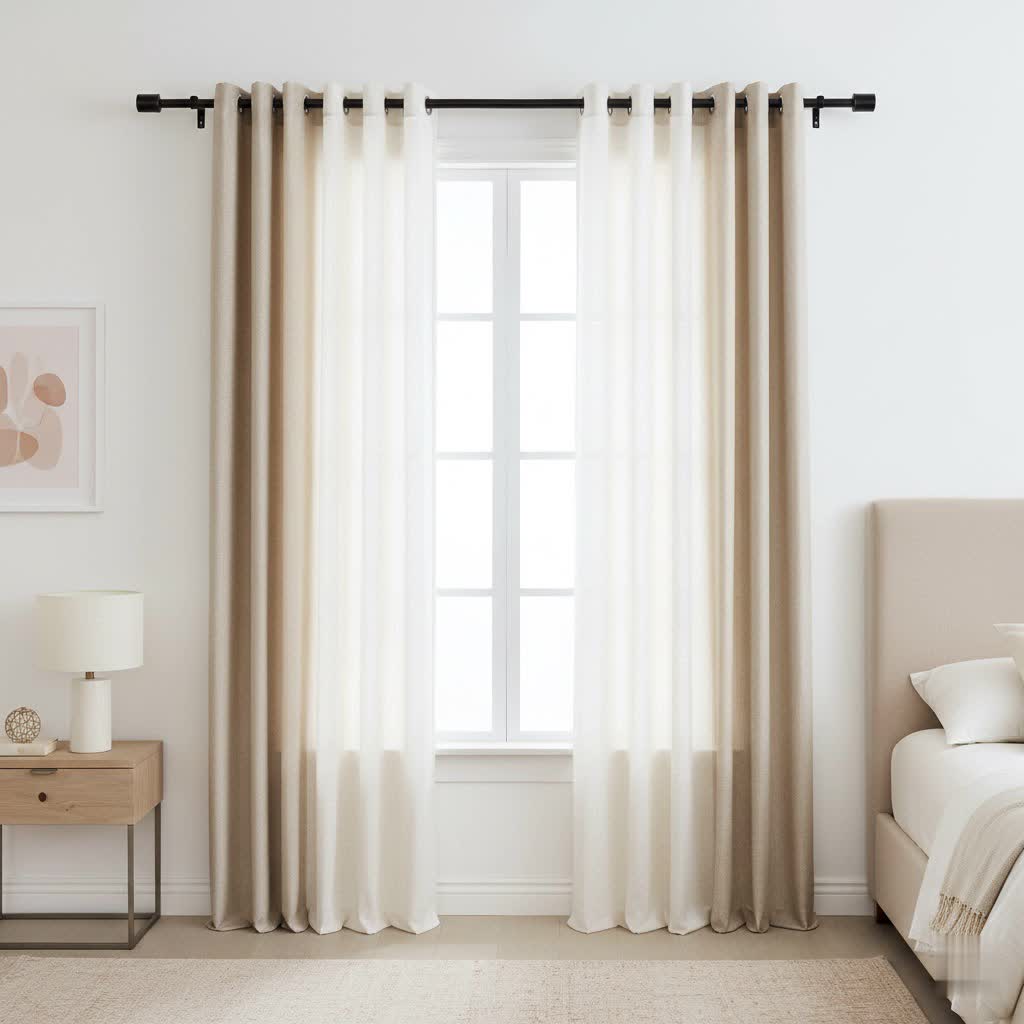
Stepping into a room, your eyes are immediately drawn to the windows – the natural canvases that reflect light, frame views, and often serve as focal points. But have you ever considered how the right hardware can transform these spaces from mere openings into statements of style and functionality? Double curtain rod brackets are the unsung heroes of sophisticated window treatments, allowing you to layer curtains for enhanced privacy, light control, and undeniable aesthetic depth. They are not just functional pieces; they are the foundation for creating dynamic, layered looks that elevate any home’s decor.
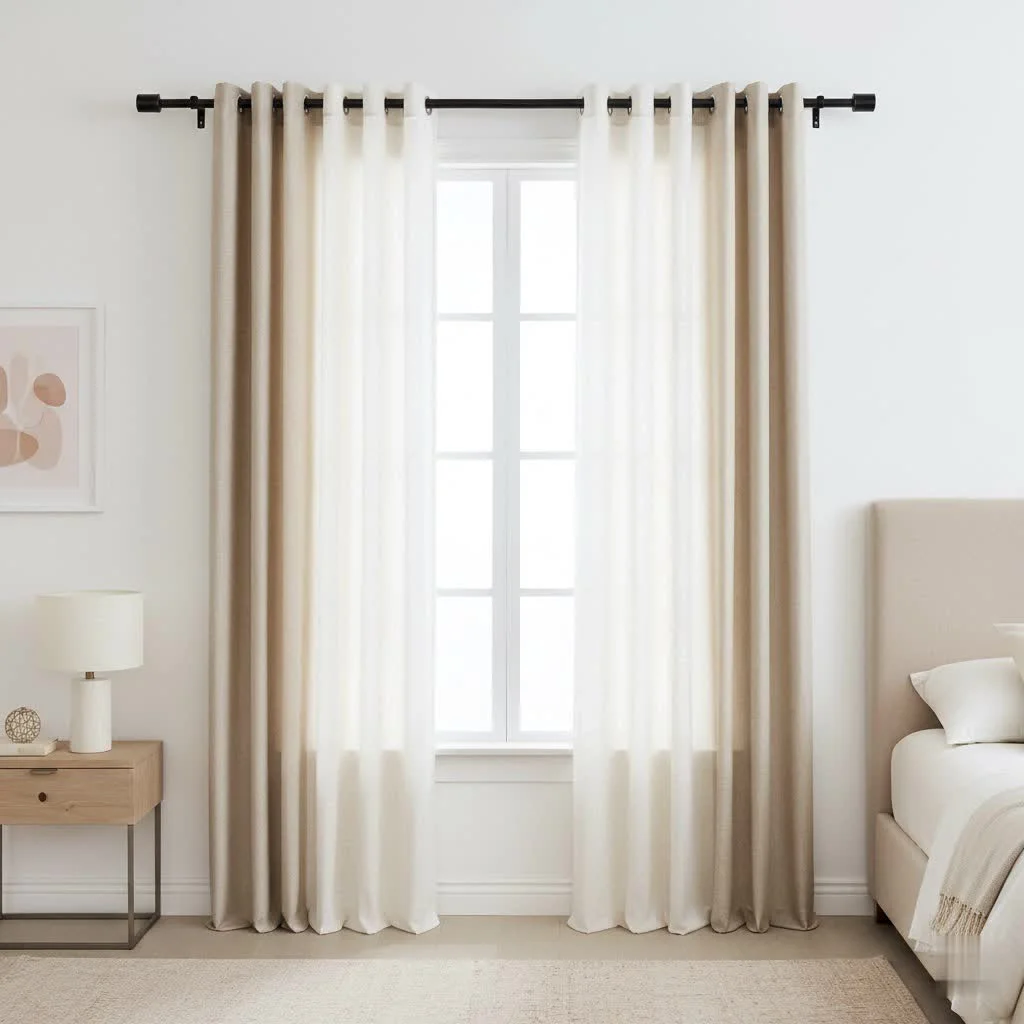
As an experienced technician in window treatments, I’ve seen countless installations, from the simplest single rods to the most intricate double layering. The magic of double curtain rod brackets lies in their ability to offer unparalleled versatility, enabling you to combine sheer curtains for diffused daylight with heavier drapes for complete privacy and insulation. This comprehensive guide will navigate you through everything you need to know about these essential hardware components, ensuring you choose, install, and style them perfectly for your living space.
Understanding the Different Types of Double Curtain Rod Brackets
Double curtain rod brackets come in various designs, each serving a specific purpose while contributing to the overall aesthetic and functionality of your layered window treatments. Knowing these types will empower you to make an informed decision tailored to your unique needs and window setup.
Standard Wall-Mount Double Brackets
These are the most common type, designed to attach directly to the wall above your window frame. They feature two distinct cups or rings to hold parallel curtain rods, allowing one rod to sit further from the wall (typically for decorative drapes) and another closer to the wall (often for sheers or blackout liners). They are foundational for achieving a classic layered look.
Center Support Double Brackets
For wider windows, particularly those exceeding 60 inches, a center support bracket is crucial to prevent the curtain rods from bowing or sagging under the weight of the fabric. These brackets are installed in the middle of the span, offering additional stability while maintaining the double-rod functionality. Integrating a center support ensures your layered curtains hang beautifully and remain secure over time.
Adjustable Projection Double Brackets
Projection refers to the distance the curtain rod extends from the wall. Adjustable brackets offer the flexibility to modify this distance, which can be particularly useful for accommodating different curtain styles, radiators, or window sills. This adjustability ensures your curtains hang freely without brushing against obstacles, providing a cleaner, more tailored appearance.
No-Drill/Damage-Free Double Brackets
For renters or those hesitant to drill into walls, innovative no-drill options like Kwik-Hang brackets offer a convenient solution. These brackets often tap directly into the top of the window trim, providing sturdy support without the need for tools like drills, screws, or wall anchors. While incredibly easy to install, it’s important to check their compatibility with your window trim material (e.g., they might not be suitable for hardwoods like oak or metal trim).
Ceiling-Mount Double Brackets
While less common for traditional double rods, ceiling-mount brackets are an option for creating an illusion of height, especially in rooms with low ceilings or when treating expansive wall-to-wall windows. Instead of attaching to the wall, these brackets secure directly to the ceiling, allowing curtains to cascade from a higher point. This can be a dramatic and modern approach to layered window treatments.
Decoding Materials for Double Curtain Rod Brackets: A Comparative Review
|
Our Picks for the Best Curtain Rod in 2026
As an Amazon Associate I earn from qualifying purchases.
|
||
| Num | Product | Action |
|---|---|---|
| 1 | YaFex Curtain Rods 32-144 Inch, Heavy Duty 1 Inch Adjustable Curtain Rod for Windows, Black Extra Long Window Treatment Rods, Modern Design, Easy Installation |

|
| 2 | Curtain Rods for Windows 16 to 144 Inches Adjustable Length 1 Inch Diameter Window Curtain Rod with Aluminium Finials, Black |
|
| 3 | Double Curtain Rod for Windows 66 to 120 Inches, 1 inch Heavy-Duty Adjustable Imitation Wood Farmhouse Double Curtain Rod, Boho Decorative and Wood Grain Finish, Dual Rod for Living Room and Bedroom |
|
| 4 | Wrap Around Curtain Rod Black, Adjustable Blackout Curtain Rods for Windows 48 to 84 Inch, 1" Heavy Duty Room Darkening Drapery Rod, Easy Install and Removal |
|
| 5 | 5/8” Diameter Curtain Rods 30-90 Inch, for 30-84 Inch Windows, Adjustable Splicing Black Curtain Rods for Windows with Brackets, Window Rod Long Small Curtains Rod |
|
| 6 | Tension Curtain Rods No Drilling, Extra Long Tension Rod 41-139 Inch, Heavy Duty Shower Curtain Rod for Outdoor Patio Bathroom Windows Room Divider, Adjustable, Anti-Slip, No Rust, Black |
|
| 7 | Curtain Rods for windows 32-48 inch, 5/8 inch Decorative Curtain Rod Set, Matte Black Splicing Heavy Duty Metal Curtain Rod with Brackets |
|
| 8 | 1” Diameter Curtain Rods Itself is 30 to144 inch 1 Pack Fit 30-142 inch, 66 to 120 inch Window with Heavy Duty Adjustable Rod Matte Black Splicing Metal Extra Long Curtain Rod for Windows |
|
| 9 | Heavy Duty Curtain Rods for Windows 66 to 120 Inch,1 Inch Adjustable Black Curtain Rod with Easy Installation and Modern Design,Decorative Long Drapery Rods with Metal Finials (A1,Black,30-120") |
|
| 10 | Heavy Duty Curtain Rods for Windows 66 to 120 Inch, 1 Inch Gold Curtain Rod Adjustable, Decorative Long Curtains Rods with Metal Finials, Easy Installation and Modern Design (A2,Gold,30"-120") |
|
The material of your double curtain rod brackets significantly impacts their durability, aesthetic appeal, and compatibility with your home’s decor. From rustic charm to sleek modernity, the choice of material helps define your window’s personality.
Metal Brackets
Metal is a perennial favorite for its strength, durability, and versatility. You’ll find a wide array of options:
- Steel and Wrought Iron: Known for exceptional strength, ideal for heavy drapes or long spans. Wrought iron often offers a more traditional or rustic aesthetic, while steel can be sleek and industrial.
- Aluminum: Lightweight, rust-resistant, and strong enough for most curtain types. Often comes in anodized or painted finishes, making it adaptable to various styles.
- Brass: Offers a classic, elegant, and often luxurious look, available in polished, antique, or brushed finishes.
- Finishes: Metal brackets are available in an extensive range of finishes, including matte black, brushed nickel, oil-rubbed bronze, gold, and pewter, allowing seamless coordination with existing hardware and color schemes.
Wood Brackets
For a timeless, organic, or traditional feel, wood brackets are an excellent choice.
- Materials: Typically crafted from hardwoods, offering good strength and a warm aesthetic.
- Finishes: Available in natural wood grains (like oak, mahogany), stained finishes (coffee, cherry), or painted hues (white, black). Wood brackets can add a touch of handcrafted elegance and are perfect for farmhouse, rustic, or classic interior designs.
Plastic/Polyresin Brackets
These materials offer a cost-effective and lightweight alternative, often used for lighter curtains or in situations where specific colors are desired.
- Aesthetics: While sometimes less robust than metal or wood, modern plastic and polyresin options can mimic more expensive materials and offer a wide range of colors for a playful or understated look. Some polyresin designs can even achieve a regal or highly decorative appearance.
Choosing the right material ensures your brackets not only support your curtains effectively but also enhance the overall visual harmony of your room.
Sizing and Compatibility: A Guide to Perfect Fit
Achieving a professional and aesthetically pleasing layered window treatment hinges on correctly sizing your double curtain rod brackets and ensuring compatibility with your rods and window dimensions.
Rod Diameter Compatibility
Double brackets are designed to accommodate two rods, typically of different diameters. The “inner cup” usually fits a smaller diameter rod (e.g., 5/8 inch), often used for sheers, while the “outer cup” accommodates a larger diameter rod (e.g., 1 inch) for heavier drapes. It’s crucial that the bracket’s cup sizes match the diameter of your chosen rods for a secure fit.
Projection and Return
- Projection: This is the distance the bracket extends from the wall to the outermost rod. Adequate projection is essential to ensure both curtain layers hang freely without snagging or appearing cramped, allowing for smooth movement.
- Return: This refers to the distance from the center of the bracket cup back to the wall. It determines how far your curtain will wrap back towards the wall, which can help block light bleed from the sides.
Window Width and Number of Brackets
To determine the appropriate number of brackets, consider your window’s width and the weight of your chosen curtains.
- Standard Rule: For windows up to 60 inches wide, two end brackets are usually sufficient for 1 3/8 inch diameter rods.
- Wider Windows: For rods exceeding 60 inches (and certainly for those over 96 inches), a third center support bracket is mandatory to prevent sagging and ensure stability. This support should be placed evenly in the middle of the span. For heavier 2-inch or 3-inch diameter rods, two end brackets can span up to 96 inches, but a center bracket is still recommended for added security and weight distribution.
Comparing Double Curtain Rod Bracket Features
To help you visualize the differences, here’s a comparative overview of common double curtain rod bracket types:
| Feature | Metal Brackets | Wood Brackets | No-Drill Brackets |
|---|---|---|---|
| Durability | High (steel, wrought iron are exceptionally strong and long-lasting) | Moderate to High (quality hardwoods offer good resilience) | Moderate (rely on trim integrity, usually for lighter loads) |
| Aesthetics | Modern, industrial, sleek, classic, ornate | Traditional, rustic, natural, warm | Contemporary, minimalist, functional |
| Installation | Typically requires drilling, screws, anchors | Typically requires drilling, screws, anchors | Hammer installation into window trim; no drilling required |
| Weight Capacity | High (can support heavy drapes and long rods) | Moderate to High (suitable for most drapes, consider rod diameter for heavy ones) | Moderate (often specified, e.g., up to 20 lbs per bracket) |
| Cost | Moderate to High (varies greatly by material and finish) | Moderate to High (depends on wood type and craftsmanship) | Moderate (often priced competitively for convenience) |
| Finishes/Colors | Wide range: matte black, brushed nickel, gold, bronze, pewter, etc. | Natural wood tones, stains, painted colors | Limited, common finishes like black, white, silver, bronze, gold |
Styling Your Space: Choosing Brackets for Interior Design
The right double curtain rod brackets don’t just hold your curtains; they enhance your room’s overall design narrative. Choosing brackets that complement your interior style involves considering their form, finish, and how they integrate with your existing decor.
Matching Brackets to Interior Styles
- Modern/Minimalist: Opt for sleek, simple metal brackets in matte black, brushed nickel, or polished chrome. Square or minimalist round shapes often work best.
- Traditional/Classic: Elaborate wrought iron or richly finished wood brackets can enhance a traditional setting. Decorative elements and a substantial presence contribute to this aesthetic.
- Farmhouse/Rustic: Forged iron or distressed wood brackets in natural or antique finishes perfectly capture the charm of farmhouse or rustic decor.
- Eclectic: Don’t be afraid to mix and match! An eclectic space might pair a contemporary metal bracket with a vintage-inspired curtain, or vice versa, as long as there’s a cohesive element like color or texture.
Color and Finish Coordination
Consider the existing hardware in your room—door handles, light fixtures, furniture accents. Matching the finish of your curtain rod brackets to these elements creates a unified and polished look. A room with oil-rubbed bronze fixtures, for instance, would benefit from brackets in a similar bronze tone. However, contrasting finishes can also be a deliberate design choice, adding visual interest.
The Role of Finials
While not part of the bracket itself, finials are decorative end pieces that complete the look of your curtain rods. Many double rod systems allow you to choose finials that perfectly match or deliberately contrast with your brackets and rods, adding another layer of personalization and style. Imagine sparkling crystal finials as the “jewelry” for your window, enhancing the elegance.
“A well-chosen curtain rod bracket isn’t just a utilitarian piece; it’s a subtle yet powerful design element that ties your entire window treatment together, enhancing both function and form.”
Step-by-Step Installation Guide: Hanging Your Double Curtain Rod Brackets
Installing double curtain rod brackets can be a rewarding DIY project that significantly upgrades your home’s appearance. With careful measurement and the right tools, you can achieve a professional-looking result.
Tools You’ll Need:
- Tape measure
- Pencil
- Level
- Drill and drill bits (appropriate for pilot holes and anchors)
- Screwdriver (Philips head is common)
- Wall anchors (if drilling into drywall)
- Stud finder (optional, but highly recommended for secure mounting)
1. Measure and Mark Placement:
- Window Width: Measure the width of your window frame. For optimal aesthetic appeal and to allow curtains to stack off the window, extend your curtain rods 2-4 inches (or even 6-12 inches for wider windows) beyond the window frame on each side.
- Height: Typically, brackets are installed 4-6 inches above the window frame. Hanging them higher creates an illusion of taller windows and a more spacious room.
- Marking: Use a pencil and level to mark the desired location for your first bracket (usually one of the end brackets). Ensure the mark is centered where the bracket will sit. Then, use your level to accurately mark the placement for the corresponding bracket on the other side of the window, ensuring they are perfectly horizontal.
2. Pre-Drilling and Anchors:
- Locate Studs (Optional but Recommended): Use a stud finder to locate wall studs. Mounting directly into studs provides the most secure installation.
- Pre-Drill Holes: If mounting into drywall without a stud, pre-drill holes using a drill bit slightly smaller than your wall anchors. Insert the wall anchors into these holes. If mounting into a stud or wood trim, pre-drill pilot holes appropriate for your screws to prevent wood splitting.
- Kwik-Hang Alternative: If using no-drill Kwik-Hang brackets, simply tap them into the top of your window trim with a hammer, following the product’s specific instructions.
3. Attach the Brackets:
- Position the first bracket over your marked holes.
- Insert screws through the bracket and into the wall anchors or studs.
- Using your drill or screwdriver, securely fasten the bracket to the wall. Be careful not to overtighten, especially with a drill, to avoid stripping screws or damaging the wall.
- Repeat the process for the second end bracket.
- Center Support: If your window is wide, measure and mark the center point between your two end brackets. Install a center support double bracket here, following the same pre-drilling and fastening steps. For very long rods, consider a center support every 30-60 inches.
4. Install Rods and Curtains:
- Back Rod First: Place your inner curtain rod (typically with sheers or blackout liners) into the back cups of the brackets.
- Front Rod Second: Then, place your outer curtain rod (with decorative drapes) into the front cups.
- Adjust and Secure: Adjust the rods to ensure they are level and evenly spaced. Some brackets have small set screws to hold the rods in place; tighten these if applicable.
- Add Finials: Attach the decorative finials or end caps to the ends of both rods to complete the look.
Buying Guide: What to Look for in Double Curtain Rod Brackets
When you’re ready to purchase, a few key considerations will guide you to the perfect double curtain rod brackets for your home.
Weight Capacity:
This is paramount. Always check the bracket’s weight rating to ensure it can adequately support the combined weight of both your chosen curtain rods and drapes. Heavy drapes like velvet or blackout curtains will require robust, heavy-duty brackets, often made of steel or wrought iron.
Material and Finish:
As discussed, the material dictates durability and aesthetic. Select a material (metal, wood, plastic) and finish (matte black, brushed nickel, white, mahogany, etc.) that complements your room’s existing decor and hardware. Think about longevity and how the material will perform over time.
Adjustability:
Consider whether adjustable projection brackets would be beneficial for your windows, especially if you have deep window sills, radiators, or specific layering preferences. This flexibility can make a significant difference in the final appearance.
Ease of Installation:
While most standard brackets require drilling, some brands specialize in easy, no-drill installation. If DIY skills are a concern, or if you’re a renter, damage-free options might be ideal, provided they are compatible with your window trim and support your curtains’ weight.
Brand Reputation and Reviews:
Researching reputable brands (e.g., Kwik-Hang, Highland Forge, Continental Window Fashions) and reading customer reviews can provide insights into product quality, durability, and user experience. Look for brands known for sturdy construction and reliable performance.
Top Brands for Double Curtain Rod Brackets
While specific product recommendations can vary, certain brands consistently receive high marks for quality, design, and innovation in double curtain rod brackets:
- Kwik-Hang: Renowned for their patented no-drill installation brackets, perfect for quick, damage-free setups on compatible window trims.
- Highland Forge: Specializes in heavy-duty, custom, handcrafted steel brackets, offering superior strength and a wide range of finishes for a bespoke look.
- Continental Window Fashions: Offers a diverse selection, including elegant wood and wrought iron double brackets, emphasizing coordinated hardware and sophisticated design.
- Drapery Rods Direct: Provides a comprehensive range of double brackets and rods, including custom options in various materials like wood and metal, often with expert consultation services.
- Kirsch, Umbra, Threshold (via retailers like Target): These brands are widely available and offer a good balance of style, functionality, and affordability across various designs and finishes.
Conclusion
Choosing the perfect double curtain rod brackets is a crucial step in transforming your windows and enhancing your home’s ambiance. From providing essential structural support to elevating your interior design, these versatile components allow you to create stunning layered window treatments that offer superior light control, privacy, and visual depth. By understanding the different types, materials, and installation techniques, you can make an informed decision that harmonizes with your style and meets your functional needs.
Whether you opt for robust metal, classic wood, or innovative no-drill solutions, the right double curtain rod brackets will ensure your curtains hang beautifully and function flawlessly for years to come. So, which style of layered window treatment are you eager to create in your home?
Frequently Asked Questions
What are the main benefits of using double curtain rod brackets?
Double curtain rod brackets allow you to layer two sets of curtains on a single window. This offers enhanced light control and privacy, enabling you to use sheer curtains for diffused light during the day and heavier drapes for complete blackout and privacy at night. Additionally, layered window treatments add significant aesthetic depth and a sophisticated designer look to any room.
How far should double curtain rod brackets extend beyond the window frame?
Typically, double curtain rod brackets should extend 2-4 inches beyond the window frame on each side. For a more expansive look that allows curtains to stack completely off the window, you might extend them 6-12 inches. This wider placement creates the illusion of a larger window and allows more natural light when the curtains are open.
Do I need a center support bracket for double curtain rods?
Yes, for wider windows, a center support bracket is highly recommended to prevent the curtain rods from sagging. Generally, if your window span is greater than 60 inches, you should install a third bracket in the center. For very heavy drapes or exceptionally wide windows, additional center supports might be necessary every 30-60 inches to ensure stability and maintain a crisp, horizontal line.
Get our weekly buyer guide
Practical specs, not advice. Unsubscribe anytime.
