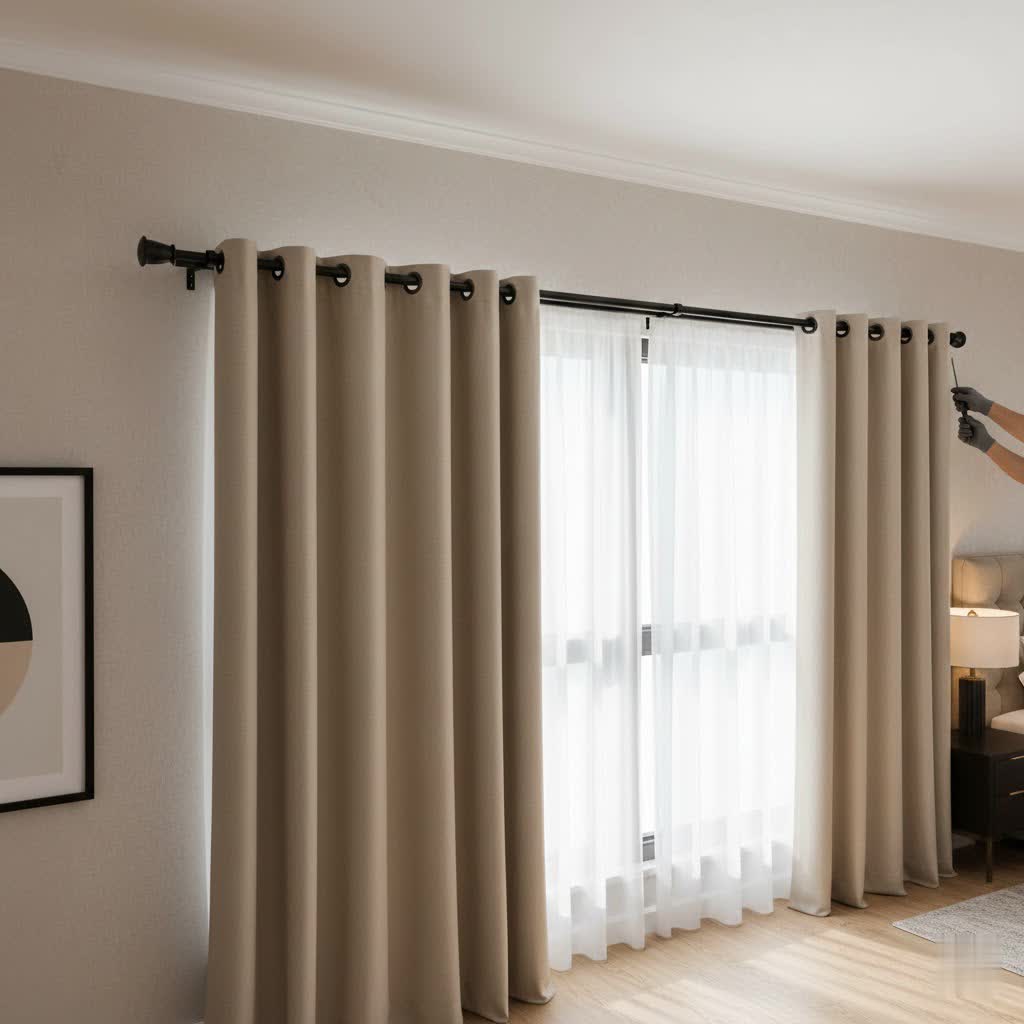
Curtain rod hardware might seem like a small detail in your home’s decor, but these essential components play a monumental role in both the functionality and aesthetic appeal of your window treatments. Imagine walking into a beautifully designed room, only to be met with sagging rods or mismatched finials – it instantly detracts from the space. Choosing the right curtain rod hardware ensures your drapes hang perfectly, glide smoothly, and seamlessly integrate with your interior design, transforming your windows from mere openings into captivating focal points.
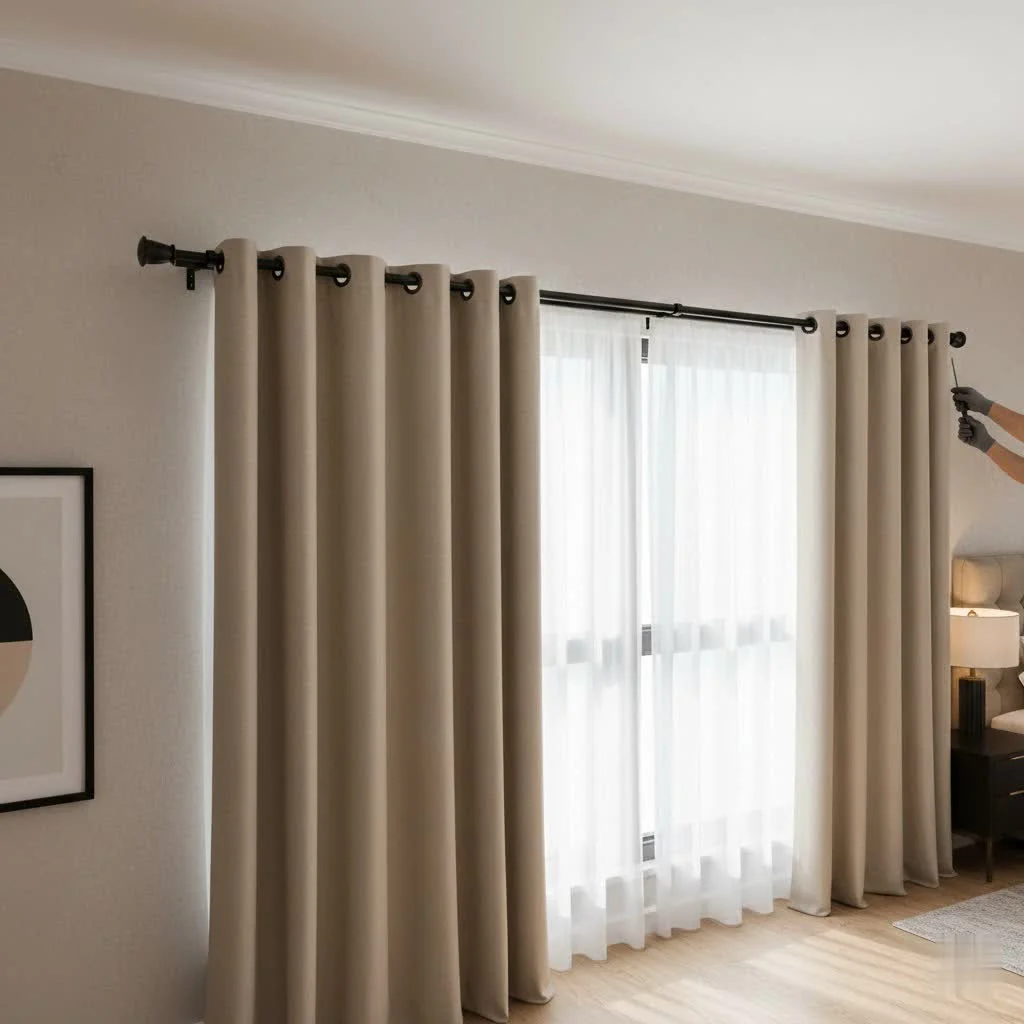
Popular Curtain Rod Hardware Types
The world of curtain rod hardware offers an array of options, each designed to suit different curtain styles, window shapes, and functional needs. Understanding these types is the first step to making an informed choice for your home. For complete curtain rods library on this site.
Round and Square Rods
These are perhaps the most common types of curtain rods.
- Round Rods: Often simple, versatile, and easy to install, round rods are widely available and come in various diameters and finishes. They work well with most curtain heading types like rod pockets, grommets, or with rings for pleated drapes. Their straightforward design makes them a budget-friendly option. However, without adequate support, longer round rods can sometimes sag under heavy curtains, and their range of decorative finials might be more limited compared to other specialized types.
- Square Rods: Offering a more modern and architectural aesthetic, square rods provide a clean, contemporary line. They are often sturdy and can handle heavier drapes, making them suitable for minimalist or industrial-style interiors. Installation can be slightly more involved due to their precise fitting requirements, and they typically come at a higher price point.
Track Systems
For a sleek, minimalist look or for very wide and heavy curtains, track systems are an excellent choice.
- Advantages: Track systems are space-saving as they can be ceiling-mounted, making rooms appear taller. They offer exceptionally smooth operation, especially for traverse rods which use a cord or wand mechanism to open and close curtains effortlessly. This makes them ideal for large windows or frequently used drapes.
- Disadvantages: Installation for track systems often requires higher technical skill compared to simple rods. They can also be more prone to damage if not handled carefully, and repair might be complex. They also tend to be more expensive. Track systems are perfect for ripplefold or panel curtains, providing a neat, unbroken line.
Specialty Rods
Beyond the basics, several specialty rods cater to unique window challenges:
- Tension Rods: These “no-drill” options use spring pressure to hold curtains in place, ideal for small windows, renters, or temporary solutions where drilling is not possible. They are best for lightweight curtains.
- Double Rods: Featuring two parallel rods, these are perfect for layering window treatments, such as a sheer curtain for privacy and a blackout curtain for light control. They add depth and functionality to your windows.
- Bay Window and Curved Rods: Specifically designed to fit the angles of bay windows or create dramatic curved effects, these rods allow for seamless curtain coverage around unique architectural features.
Curtain Rod Hardware Materials: Comparison and Evaluation
The material of your curtain rod hardware impacts its durability, visual appeal, and overall cost. Choosing wisely ensures longevity and complements your room’s aesthetic.
Popular Materials
|
Our Picks for the Best Curtain Rod in 2026
As an Amazon Associate I earn from qualifying purchases.
|
||
| Num | Product | Action |
|---|---|---|
| 1 | Curtain Rods for Windows 16 to 144 Inches Adjustable Length 1 Inch Diameter Window Curtain Rod with Aluminium Finials, Black |

|
| 2 | Curtain Rods for windows 32-48 inch, 5/8 inch Decorative Curtain Rod Set, Matte Black Splicing Heavy Duty Metal Curtain Rod with Brackets |
|
| 3 | Heavy Duty Curtain Rods for Windows 66 to 120 Inch, 1 Inch Gold Curtain Rod Adjustable, Decorative Long Curtains Rods with Metal Finials, Easy Installation and Modern Design (A2,Gold,30"-120") |
|
| 4 | Tension Curtain Rods No Drilling, Extra Long Tension Rod 41-139 Inch, Heavy Duty Shower Curtain Rod for Outdoor Patio Bathroom Windows Room Divider, Adjustable, Anti-Slip, No Rust, Black |
|
| 5 | 5/8” Diameter Curtain Rods 30-90 Inch, for 30-84 Inch Windows, Adjustable Splicing Black Curtain Rods for Windows with Brackets, Window Rod Long Small Curtains Rod |
|
| 6 | YaFex Curtain Rods 32-144 Inch, Heavy Duty 1 Inch Adjustable Curtain Rod for Windows, Black Extra Long Window Treatment Rods, Modern Design, Easy Installation |
|
| 7 | Wrap Around Curtain Rod Black, Adjustable Blackout Curtain Rods for Windows 48 to 84 Inch, 1" Heavy Duty Room Darkening Drapery Rod, Easy Install and Removal |
|
| 8 | Double Curtain Rod for Windows 66 to 120 Inches, 1 inch Heavy-Duty Adjustable Imitation Wood Farmhouse Double Curtain Rod, Boho Decorative and Wood Grain Finish, Dual Rod for Living Room and Bedroom |
|
| 9 | 1” Diameter Curtain Rods Itself is 30 to144 inch 1 Pack Fit 30-142 inch, 66 to 120 inch Window with Heavy Duty Adjustable Rod Matte Black Splicing Metal Extra Long Curtain Rod for Windows |
|
| 10 | Heavy Duty Curtain Rods for Windows 66 to 120 Inch,1 Inch Adjustable Black Curtain Rod with Easy Installation and Modern Design,Decorative Long Drapery Rods with Metal Finials (A1,Black,30-120") |
|
- Metal (Brass, Iron, Aluminum, Steel, Stainless Steel): Metal rods are known for their durability and strength, making them excellent for heavy drapes. They come in a vast array of finishes, from polished chrome for a modern look to oil-rubbed bronze for a classic touch.
- Steel and Stainless Steel are particularly robust, offering exceptional strength and corrosion resistance, making them superior to iron which can be heavy and prone to rust.
- Aluminum is lightweight and ideal for sheers or lighter curtains.
- Brass and Iron often lend a traditional or industrial aesthetic but might require more care to prevent tarnishing or rust.
- Wood: Wood curtain rods offer a warm, classic, and natural look, perfect for rustic, traditional, or transitional interiors. They are available in various stains and finishes, allowing them to blend seamlessly with existing furniture. While durable, wood can sometimes be heavier and may require more maintenance than metal to prevent warping or fading, especially in humid environments.
- Plastic/Composite Materials: These are generally the most affordable options, suitable for lightweight curtains or temporary installations like tension rods. Plastic and composite materials offer design flexibility with many colors and patterns but are typically less durable and robust than metal or wood, making them unsuitable for heavy drapes.
Tips for Choosing the Right Material
Consider the weight of your curtains: heavy drapes demand sturdy materials like steel or solid wood, while lightweight sheers can use lighter options. Match the finish to other hardware in the room (door handles, light fixtures) for a cohesive look. For high-traffic areas or humid spaces like bathrooms, corrosion-resistant metals like stainless steel are preferred. Your budget will also guide your choice, with plastic being the most economical and custom metal or high-quality wood being more of an investment.
Sizing and Installation of Curtain Rod Hardware
Proper sizing and secure installation are paramount to both the function and appearance of your window treatments. A well-hung curtain rod can make a window appear larger and a ceiling taller.
Measuring for the Perfect Fit
- Window Width: Measure the width of your window frame. For optimal light blocking and a fuller look, the curtain rod should extend beyond the window frame by at least 4 to 10 inches (10-25 cm) on each side. This allows the curtains to be “stacked back” off the glass when open, maximizing natural light.
- Rod Length: Based on your desired extension, choose a rod length that accommodates this extra width. Adjustable (telescoping) rods offer flexibility, but fixed-length rods can provide a cleaner, seamless appearance, especially for custom installations.
- Rod Diameter: The rod’s diameter should match the weight and style of your curtains. Thicker rods (1 3/8″ or 2″ diameter) are generally needed for heavy drapes to prevent sagging, while thinner rods (1″ or less) are suitable for lighter fabrics and café curtains.
- Hanging Height: For an illusion of height, install brackets 4 to 6 inches (10-15 cm) above the window frame or even closer to the ceiling. Ensure the rod is level using a spirit level.
Simple DIY Installation Steps
Most curtain rod hardware sets come with instructions, but here’s a general guide for wall-mounted rods:
- Mark Placement: Measure and mark the desired locations for your brackets, ensuring they are level and spaced correctly from the window frame. Use a pencil to mark the screw holes.
- Drill Pilot Holes: Use a drill to create pilot holes at your marked locations. The drill bit size should be slightly smaller than your screw diameter.
- Insert Wall Anchors (if needed): If you are drilling into drywall and not a wall stud, always use appropriate wall anchors (e.g., plastic anchors, toggle bolts, or self-drilling wallmates) for secure support, especially for heavier curtains. Follow the anchor manufacturer’s instructions.
- Attach Brackets: Align the brackets with the pilot holes (and anchors, if used) and screw them firmly into place.
- Thread Curtains and Mount Rod: Slide your curtains onto the rod, then carefully place the rod onto the installed brackets. Add finials to the rod ends.
- Test Stability: Gently pull and slide the curtains to ensure the rod and brackets are secure and the curtains move smoothly.
Safety Notes
Always wear safety glasses when drilling. Before drilling, use a stud finder to locate any electrical wires or pipes within the wall, especially if drilling deep. If you are uncertain about installation, consider hiring a professional. Overloading a rod with too-heavy curtains or insufficient brackets can lead to sagging or even pull the hardware from the wall.
Comparison Table of Curtain Rod Hardware Types
| Feature | Round Rod | Square Rod | Track System |
|---|---|---|---|
| Advantages | Easy to install, widely available, often affordable, versatile for many curtain headings. | Modern aesthetic, sturdy construction, good for contemporary designs. | Extremely smooth operation, space-saving (ceiling-mount), ideal for layering, suitable for wide windows. |
| Disadvantages | Can sag if too long or overloaded, fewer unique decorative options, sometimes appears less sophisticated. | Higher price point, might be harder to install perfectly level, specific aesthetic may not suit all decors. | Requires precise installation, potentially more complex repairs, generally higher cost, less visible design element. |
Tips for Choosing Curtain Rod Hardware to Match Interior Style
Curtain rod hardware is not just functional; it’s an integral part of your room’s design narrative. Thoughtful selection enhances your overall decor.
Room-Specific Considerations
- Living Room: As a primary communal space, the living room often benefits from more decorative and substantial hardware. Consider metal rods with ornate finials or elegant wooden poles that complement your furniture and color scheme. Double rods can offer flexibility for light control and privacy.
- Bedroom: Functionality often takes precedence here. For blackout curtains, consider a wrap-around rod or a track system that allows the curtain to extend to the wall, minimizing light leakage. Softer materials or finishes can contribute to a serene atmosphere.
- Kitchen/Bathroom: These areas often feature smaller windows and may require moisture-resistant materials. Tension rods are popular for café curtains in kitchens, while stainless steel or treated wood can withstand humidity in bathrooms. Simplicity and ease of cleaning are key.
Coordinating Color and Material with Curtains and Interior
The hardware should harmonize with your curtains and the existing interior elements.
- Contrast vs. Blend: You can choose hardware that either blends seamlessly with your curtains (e.g., a dark rod with dark drapes) or provides a deliberate contrast (e.g., a matte black rod against white sheer curtains).
- Material Cohesion: Match the hardware finish to other metal accents in the room, such as lighting fixtures, cabinet pulls, or furniture legs, for a cohesive look. For example, if you have brushed nickel cabinet hardware, brushed nickel curtain rods will tie the room together.
- Architectural Style: A minimalist home might opt for sleek, simple metal rods or concealed track systems, while a farmhouse or traditional setting could favor rustic wooden poles or wrought iron.
Latest Design Trends
Current trends lean towards understated elegance and functional design. Matte black and brushed brass finishes continue to be popular, offering a modern yet classic touch. Streamlined, unadorned finials or simple end caps are favored over overly elaborate designs. Layering window treatments with double rods remains a strong trend, providing both versatility and aesthetic depth. Custom-cut, seamless rods are gaining popularity to avoid the visible “notch” of telescoping rods, offering a truly bespoke look.
Curtain Rod Hardware Buying Guide
Navigating the market for curtain rod hardware can be daunting, but with a clear understanding of what to look for, you can make a confident purchase.
Factors to Consider When Buying
- Material: As discussed, choose based on durability, aesthetic preference, and environment. Metal (steel, stainless steel) offers strength and modern appeal, while wood provides classic warmth.
- Size (Diameter and Length): Ensure the rod diameter can support your curtain’s weight. Measure your window width accurately and add ample extension for light control and visual balance. Remember that telescopic rods are adjustable but may have a visible join.
- Style: Consider the overall aesthetic you want to achieve. Do you prefer a decorative statement piece or a minimalist, almost invisible solution? Match finial designs and rod types to your room’s existing decor.
- Functionality: Think about how often you’ll open and close your curtains. Traverse rods offer smooth, easy operation for frequently used drapes, while tension rods are convenient for lightweight, static curtains.
- Budget: Hardware ranges widely in price. Determine your budget beforehand and look for the best quality within that range. Investing in durable hardware can save you money in the long run by preventing frequent replacements.
Where to Buy Curtain Rod Hardware
You can find curtain rod hardware from various sources:
- Specialty Stores: These stores often offer a wide selection of high-quality, sometimes customizable, options with expert advice.
- Large Retailers/Home Improvement Stores: Places like Lowe’s or Home Depot carry a broad range of standard and decorative rods and accessories at various price points.
- Online Retailers: Websites such as Amazon, Wayfair, West Elm, or specialty drapery hardware sites provide extensive choices, often with customer reviews that can help inform your decision.
How to Check Quality
- Weight Capacity: Check product specifications for the recommended curtain weight the rod can support. A good quality rod will clearly state this.
- Bracket Strength: Examine the brackets. Are they sturdy? Do they have sufficient mounting points? Strong brackets made from premium materials are crucial for preventing sagging and ensuring long-term stability.
- Smoothness of Operation: If buying a traverse rod or using rings, test the smoothness of the gliding mechanism. Quality hardware will allow curtains to open and close effortlessly without snagging.
- Finish Durability: Inspect the finish for consistency and durability. A poor-quality finish may chip, scratch, or fade over time. For metal, look for rust-resistant treatments.
“Quality curtain rod hardware isn’t just a detail; it’s the foundation upon which your window treatments stand, literally and aesthetically. It ensures both beauty and lasting functionality in your home.”
Conclusion
Choosing the right curtain rod hardware is more than a simple task; it’s an opportunity to enhance your home’s aesthetics and improve the functionality of your living spaces. By understanding the various types, materials, and installation considerations, you can select hardware that not only supports your curtains but also elevates your interior design. Remember to prioritize durability, match your chosen pieces to your existing decor, and consider the practical needs of each room. With the perfect curtain rod hardware, your windows will truly shine.
What kind of statement will your curtain rod hardware make in your home?
Frequently Asked Questions
What are the essential components of curtain rod hardware?
Curtain rod hardware typically includes the rod itself, which supports the curtain; brackets, which mount the rod to the wall or ceiling; finials, decorative end caps that prevent curtains from sliding off; and sometimes rings or tiebacks for specific curtain styles and functions. These elements work together to create a cohesive and functional window treatment system.
How do I choose the correct diameter for my curtain rod?
The ideal rod diameter depends primarily on the weight of your curtains and the overall scale of your window. For lightweight curtains, a thinner rod (around 1 inch) is usually sufficient. Heavy drapes, however, require a sturdier rod with a diameter of 1 3/8 inches or more to prevent sagging and ensure proper support.
Can I install curtain rod hardware myself, or should I hire a professional?
Many standard curtain rod installations are a straightforward DIY project, especially if you have basic tools and follow instructions carefully. However, for very heavy curtains, unusually shaped windows (like bay windows), or if you’re uncomfortable with drilling into walls, hiring a professional can ensure secure installation and a polished finish.
Are tension rods a good option for all types of curtains?
Tension rods are best suited for lightweight curtains in small windows, doorways, or rentals where drilling is not an option. They rely on spring pressure to stay in place and are generally not strong enough to support heavy drapes or provide a long-term, highly decorative solution.
How far should curtain rods extend beyond the window frame?
For optimal aesthetics and light control, curtain rods should typically extend 4 to 10 inches (10-25 cm) beyond each side of the window frame. This extra length allows curtains to be pulled back fully, maximizing natural light and making the window appear larger.
What is the difference between a traverse rod and a decorative rod?
A decorative rod is primarily designed to be visible and enhance the room’s aesthetic with its material, finish, and finials. Curtains are usually slid along it manually or with rings. A traverse rod, conversely, features an internal mechanism (cord or wand) that allows curtains to be opened and closed smoothly with minimal effort, often concealing the functional track for a cleaner look.
Get our weekly buyer guide
Practical specs, not advice. Unsubscribe anytime.
