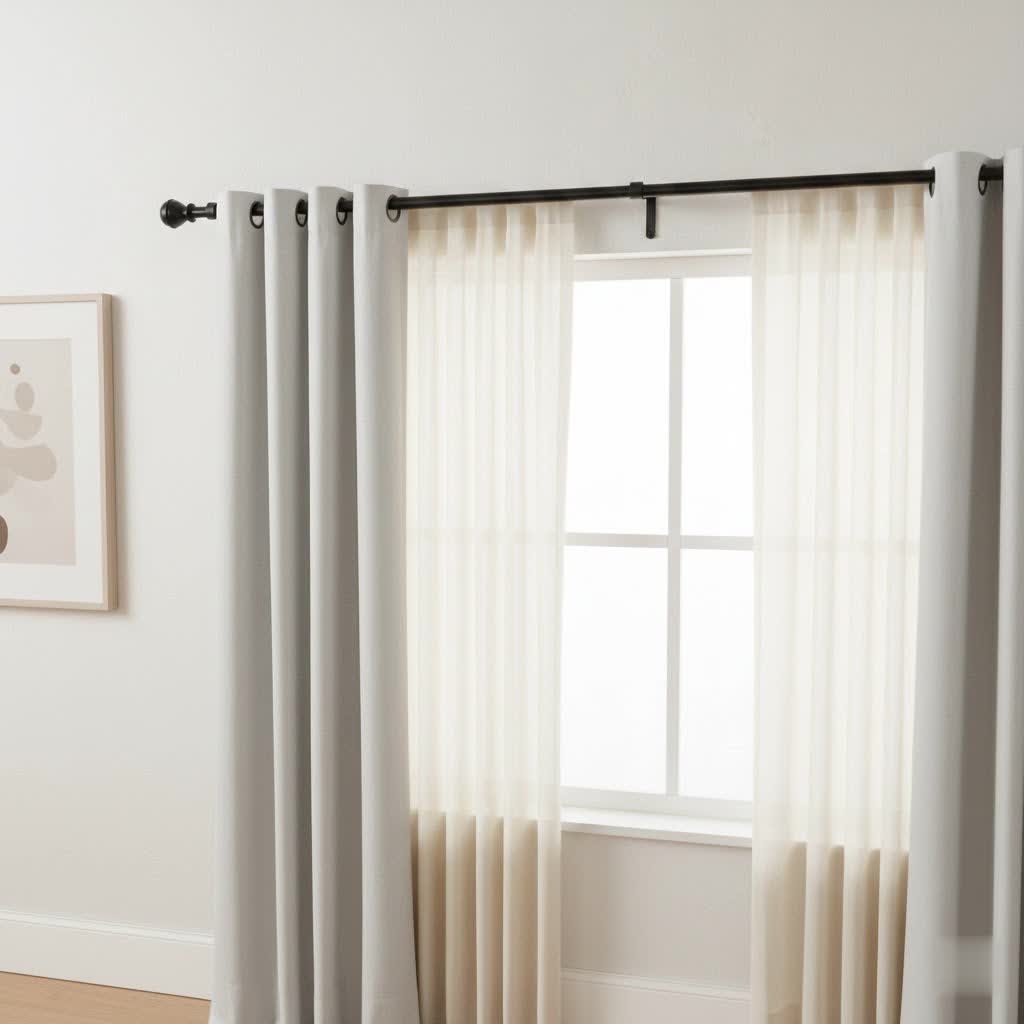
Bay windows are a stunning architectural feature, inviting natural light and offering a beautiful focal point in any room. However, their unique angles can make choosing and installing the perfect curtain rod feel like a daunting task. You might wonder how to effectively dress these distinctive windows to enhance both privacy and aesthetic appeal without compromising their charm. This comprehensive guide is designed to demystify the process, providing you with expert advice on selecting, installing, and styling the ideal bay window curtain rod to transform your space.
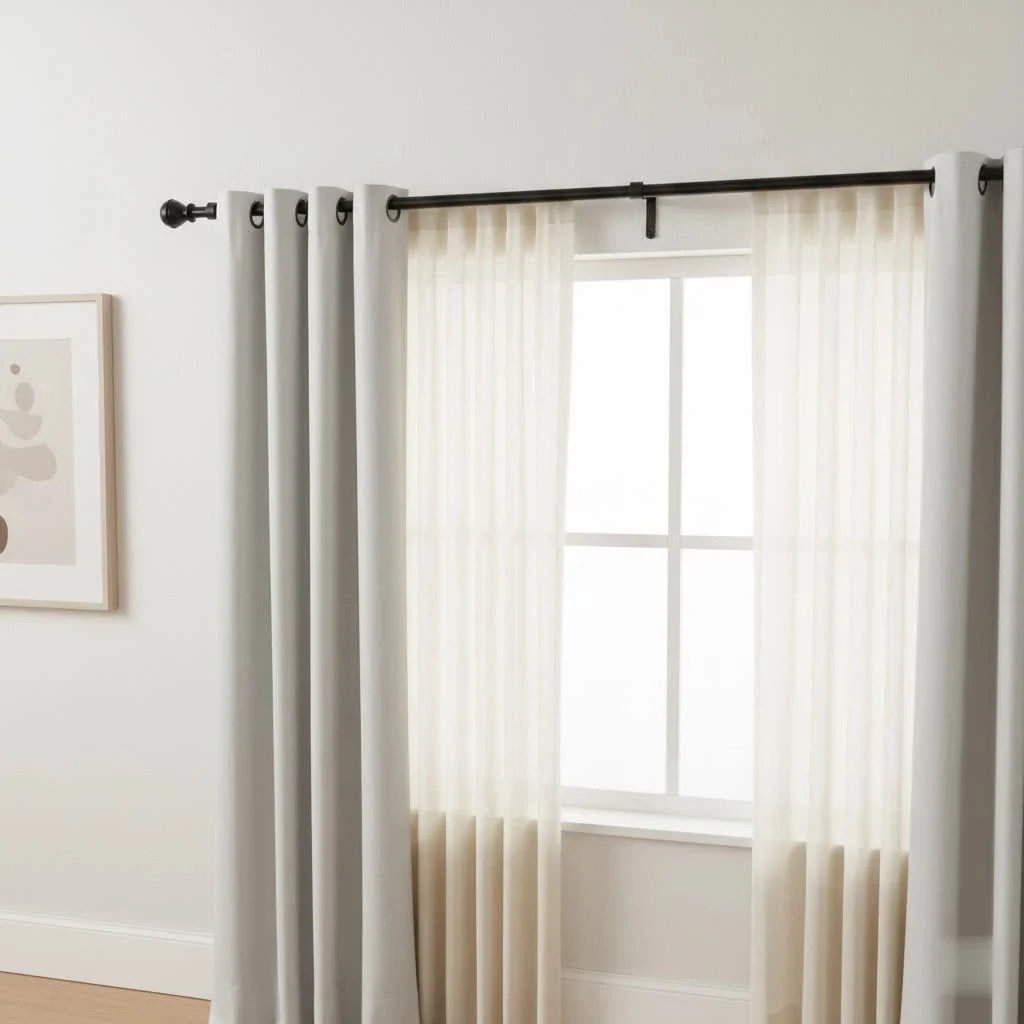
Types of Bay Window Curtain Rods: Your Options Explained
Selecting the right type of curtain rod is crucial for both functionality and aesthetic harmony in your bay window. Each design offers distinct benefits and caters to different curtain styles and window configurations. Understanding these variations will help you achieve a seamless and beautiful window treatment.
Multi-Sided Adjustable Rods
These are perhaps the most common solution for bay windows. Multi-sided adjustable rods feature several rod sections connected by specialized corner joints or ball connectors that allow the rod to bend precisely to the angles of your bay window. This design creates a continuous, flowing look, ideal for traditional and classic interiors. They are robust and can support a variety of curtain weights, making them versatile. The primary advantage is their ability to fit the exact contours of most standard bay windows, providing a custom feel without custom costs. However, installation can be a bit more intricate due to the need for precise angle adjustments and careful bracket placement to ensure stability across the bends.
Flexible Curtain Tracks
For a sleek, modern, or minimalist aesthetic, flexible curtain tracks are an excellent choice. These tracks are typically ceiling-mounted and can be custom-bent to follow the exact curve or angles of your bay window. Made from materials like aluminum or PVC, they offer smooth gliding for curtains, often making them easier to open and close than traditional rods. Tracks are particularly well-suited for lighter fabrics and can be almost invisible, allowing the curtains themselves to be the star. While they offer a clean look and are highly customizable, their installation often requires more precision and sometimes professional help to achieve the perfect bend and secure ceiling mounting.
Individual Rods Per Window Segment
A simpler, more segmented approach involves installing a separate curtain rod for each individual pane of the bay window. This method can be cost-effective and straightforward to install, especially for smaller bay windows or when you prefer to operate each curtain independently. However, this option will result in breaks in the curtain line, which might interrupt the flow and create gaps where light can seep through. It’s often chosen for very specific design intentions where a continuous look isn’t a priority or for bay windows with very sharp, distinct angles that make a continuous rod challenging. While easier to install, the aesthetic impact might not be as cohesive as a continuous rod or track.
Materials for Bay Window Curtain Rods: A Comparison
The material of your bay window curtain rod plays a significant role in its durability, aesthetic appeal, and suitability for different curtain weights. From robust metals to warm woods, each material offers unique characteristics that can complement your interior design.
Steel
|
Our Picks for the Best Curtain Rod in 2026
As an Amazon Associate I earn from qualifying purchases.
|
||
| Num | Product | Action |
|---|---|---|
| 1 | 5/8” Diameter Curtain Rods 30-90 Inch, for 30-84 Inch Windows, Adjustable Splicing Black Curtain Rods for Windows with Brackets, Window Rod Long Small Curtains Rod |

|
| 2 | Tension Curtain Rods No Drilling, Extra Long Tension Rod 41-139 Inch, Heavy Duty Shower Curtain Rod for Outdoor Patio Bathroom Windows Room Divider, Adjustable, Anti-Slip, No Rust, Black |
|
| 3 | Curtain Rods for windows 32-48 inch, 5/8 inch Decorative Curtain Rod Set, Matte Black Splicing Heavy Duty Metal Curtain Rod with Brackets |
|
| 4 | Heavy Duty Curtain Rods for Windows 66 to 120 Inch, 1 Inch Gold Curtain Rod Adjustable, Decorative Long Curtains Rods with Metal Finials, Easy Installation and Modern Design (A2,Gold,30"-120") |
|
| 5 | Heavy Duty Curtain Rods for Windows 66 to 120 Inch,1 Inch Adjustable Black Curtain Rod with Easy Installation and Modern Design,Decorative Long Drapery Rods with Metal Finials (A1,Black,30-120") |
|
| 6 | YaFex Curtain Rods 32-144 Inch, Heavy Duty 1 Inch Adjustable Curtain Rod for Windows, Black Extra Long Window Treatment Rods, Modern Design, Easy Installation |
|
| 7 | Double Curtain Rod for Windows 66 to 120 Inches, 1 inch Heavy-Duty Adjustable Imitation Wood Farmhouse Double Curtain Rod, Boho Decorative and Wood Grain Finish, Dual Rod for Living Room and Bedroom |
|
| 8 | Wrap Around Curtain Rod Black, Adjustable Blackout Curtain Rods for Windows 48 to 84 Inch, 1" Heavy Duty Room Darkening Drapery Rod, Easy Install and Removal |
|
| 9 | 1” Diameter Curtain Rods Itself is 30 to144 inch 1 Pack Fit 30-142 inch, 66 to 120 inch Window with Heavy Duty Adjustable Rod Matte Black Splicing Metal Extra Long Curtain Rod for Windows |
|
| 10 | Curtain Rods for Windows 16 to 144 Inches Adjustable Length 1 Inch Diameter Window Curtain Rod with Aluminium Finials, Black |
|
Steel curtain rods are known for their exceptional strength and durability, making them an ideal choice for heavier curtains and drapes. They offer excellent support, preventing sagging over time, even with substantial fabric weights. Visually, steel rods can range from industrial chic to elegantly classic, depending on their finish (e.g., brushed nickel, polished chrome, matte black). While highly functional, steel can be heavier and potentially more challenging to cut or adjust if customization is needed on-site.
Aluminum
Aluminum rods provide a lighter-weight alternative to steel, yet still offer good strength and are naturally resistant to rust. This makes them suitable for medium-weight drapes and environments where humidity might be a concern. Aluminum can be easily molded and finished, offering a wide array of styles, colors, and textures. Its lightweight nature also simplifies installation. If you’re looking for a balance between durability, ease of handling, and a diverse range of finishes, aluminum is a strong contender.
Wood
For a timeless, warm, and classic aesthetic, wooden curtain rods are unparalleled. They add a touch of natural elegance and can be stained or painted to match existing furniture or trim. Wood rods are typically sturdy enough for medium to heavy curtains, though their strength can vary with the type of wood. While beautiful, wood may require more maintenance than metal, such as occasional polishing or protection from direct sunlight to prevent warping or fading. They are perfect for achieving a cozy, traditional, or rustic look.
Resin or Composite Materials
These materials are often used for decorative elements like finials and sometimes for lighter-duty rods. Resin and composites offer incredible design versatility, allowing for intricate details, a wide range of colors, and various textures that can mimic other materials. While generally less robust than solid metal or wood, they are perfect for adding decorative flair and are typically very affordable. They are best suited for lightweight curtains where the primary function of the rod is decorative rather than structural support for heavy fabrics.
When choosing a material, consider the weight of your curtains, the overall style of your room, your budget, and the level of maintenance you’re willing to undertake. A well-chosen material will enhance both the performance and the visual appeal of your bay window treatment.
Measuring and Installing Your Bay Window Curtain Rod
Accurate measurement and careful installation are paramount to achieving a professional and functional curtain treatment for your bay window. While it might seem complex, breaking down the process into clear steps can make it manageable and rewarding.
Measuring Guide
Before purchasing any hardware, precise measurements are your best friend. Start by measuring the width of each individual window segment within the bay, from inside edge to inside edge. Next, determine the angle between each window segment, as this will dictate the type and configuration of your rod. Consider how far you want the rod to project from the wall or ceiling; this is important to accommodate the fullness of your curtains and avoid obstructions like window sills or handles. Finally, decide on the mounting height; a common recommendation is to position the rod 4-6 inches above the window frame to create the illusion of taller ceilings and allow curtains to stack neatly. Extending the rod 4-6 inches beyond each side of the window frame can enhance illumination and aesthetics.
Installation Steps
- Assemble on the Floor: If possible, assemble the bay window curtain rod kit on the floor beneath the window. This allows you to visualize how the pieces fit together and identify where brackets will be needed, preventing misplacements later. Avoid tightening set screws at this stage.
- Mark Bracket Locations: Begin by marking the desired height for your rod. Most bay window setups will require at least one center mounting bracket on the main window segment, and one bracket near the end of each side window segment, just before the finial. Additionally, place brackets near the bends of the bay, ensuring they are at least 6 inches away from the corner joints to avoid interference and allow for smooth curtain movement. It’s crucial not to place brackets on both sides of a corner or angle, as this will conflict and look cluttered; the bracket should usually go on one side, typically the longer wall, allowing the rod to turn naturally.
- Drill and Secure: Use a level to ensure all marks are even. Drill pilot holes into the wall at your marked locations. If drilling into drywall, use appropriate wall anchors. Attach the brackets firmly to the wall using the provided screws.
- Cut and Connect Poles: For adjustable or customizable rods, you may need to cut the pole sections to fit the specific widths of your window segments. Start with the longest segment, typically the middle one. Ensure you account for the length of any corner brackets. Once cut, push the corner joints onto the ends of the main pole section.
- Position and Adjust: Carefully place the main pole section onto its corresponding brackets, ensuring it’s centered. Gently push the side pole sections onto the corner joints and rest them on their brackets. Adjust the angles of the corner joints as necessary to achieve a snug fit and smooth line along your bay.
- Secure All Elements: Once the poles are perfectly aligned and angled, tighten all grub screws on the brackets to hold the poles in place. Then, secure the corner joints so their angles do not shift.
- Add Rings and Finials: If using curtain rings, slide them onto the pole sections. Finally, attach the finials to the ends of the side poles and secure them with their grub screws. Double-check all connections to ensure everything is tight and stable.
- Safety Note: Hardware should always be installed by a competent professional with a good understanding of interior wall types and mounting fasteners. If you are unsure, it is always best to consult with an expert.
Comparison Table of Bay Window Curtain Rod Types
| Feature | Multi-Sided Adjustable Rods | Flexible Curtain Tracks | Individual Rods Per Segment |
|---|---|---|---|
| Pros | Custom fit to angles, continuous flow | Sleek, modern, highly customizable | Simple, less complex installation |
| Cons | Can be intricate to install | Ceiling mount required, limited styles | Interrupts curtain flow, potential light gaps |
| Best For | Traditional, classic decor, various curtain weights | Modern, minimalist aesthetics, lightweight curtains | Small bay windows, independent curtain control |
| Aesthetic Impact | Integrated, cohesive look | Nearly invisible, clean lines | Segmented, distinct sections |
Styling Tips for Bay Window Curtain Rods
Beyond functionality, your bay window curtain rod is a key design element that can significantly influence the room’s overall aesthetic. Thoughtful styling can transform your bay window from a practical necessity into a captivating design feature.
For the living room, consider a substantial, decorative rod with elegant finials that complement your existing decor, perhaps in a rich wood tone or a sophisticated metal finish. In a bedroom, the focus might shift to light control and privacy, suggesting a track system that allows for blackout curtains to slide seamlessly. Kitchen bay windows often benefit from lighter fabrics and less formal rod styles, such as a simple, continuous rod that doesn’t overwhelm the space.
When coordinating, think about how the rod’s color and material interact with your curtains and other furnishings. A dark metal rod can provide striking contrast against light-colored curtains, while a wooden rod can tie into rustic or natural decor. Don’t shy away from mixing textures and patterns, but ensure there’s a unifying element, whether it’s color palette or overall design style.
“A well-chosen curtain rod is not merely a functional accessory; it is a vital design element that can dramatically enhance the character and ambiance of your living space.” – Nguyễn Văn A, Interior Design Expert
Emerging trends lean towards minimalist tracks for a contemporary look or ornate, custom-finished rods for a luxurious feel. Consider how much curtain “stack-back” you desire; extending the rod beyond the window frame allows curtains to be fully pulled back, maximizing natural light and revealing the window’s full beauty. This also creates the illusion of a wider window, making your space feel more open.
Bay Window Curtain Rod Buying Guide
Choosing the right bay window curtain rod involves more than just picking a pretty design. Several practical factors need careful consideration to ensure your investment is both functional and aesthetically pleasing.
Factors to Consider
- Material: As discussed, the material dictates strength, durability, and style. Match it to your curtain weight and room decor.
- Size: Measure precisely! Consider the total width of your bay, the depth of each segment, and how far you want the rod to extend beyond the window. Adjustable rods offer flexibility.
- Style: Does your room lean modern, traditional, industrial, or minimalist? The rod should harmonize with this. Think about finials – they are the decorative end caps that can complete the look.
- Price: Bay window rods can range significantly in price. Set a budget, but remember that quality often correlates with longevity and performance.
- Curtain Weight: Heavier curtains require more robust rods and brackets to prevent sagging.
- Ease of Installation: Some rods are designed for simpler DIY installation, while others might benefit from professional assistance.
Where to Buy
You can find bay window curtain rods at various retailers. Specialty curtain and drapery stores often offer a wide selection of custom and semi-custom options with expert advice. Large home improvement stores and department stores carry a range of standard and adjustable kits. Online retailers provide an extensive selection, often at competitive prices, but ensure you check reviews and return policies carefully, especially for larger items.
How to Check Quality
Before finalizing your purchase, inspect the rod for quality. Look for sturdy construction, smooth finishes, and robust brackets. For adjustable rods, ensure the connecting joints feel secure and allow for smooth adjustments. If buying metal, check for consistent plating or coating. For wood, look for solid pieces without cracks or major imperfections. High-quality hardware will not only last longer but will also make installation easier and safer.
Conclusion
Navigating the nuances of bay window curtain rods can transform a challenging architectural feature into a stunning design statement. By understanding the diverse types available, from multi-sided adjustable rods to sleek flexible tracks, and carefully considering materials like steel, aluminum, or wood, you empower yourself to make informed decisions. Precise measurement and thoughtful installation are the keys to a seamless finish, ensuring your curtains hang beautifully and function perfectly. Remember that the right rod is more than just hardware; it’s an integral part of your home’s aesthetic, adding character and warmth. Ready to redefine your bay window’s potential?
What style of bay window curtain rod are you most excited to integrate into your home’s design?
Frequently Asked Questions
Can I use a regular curtain rod on a bay window?
While technically possible for very small or shallow bay windows, it is generally not recommended. Regular straight rods cannot bend to accommodate the angles of a bay window, leading to gaps, an unfinished look, and difficulty in operating curtains smoothly. Dedicated bay window rods or tracks are designed specifically for these unique window shapes.
How do you measure for bay window curtains and rods?
Measure the width of each individual window segment within the bay. Then, measure the angles between segments. For rod length, ensure you add 4-6 inches beyond each end of the bay window frame for better light control and aesthetics. For height, typically mount the rod 4-6 inches above the window frame.
What are the best curtain rods for heavy drapes on a bay window?
For heavy drapes, steel curtain rods or robust, large-diameter wooden rods are generally the best choice. These materials offer superior strength and stability, preventing sagging and ensuring the curtains are securely supported across the multiple segments and angles of a bay window.
Get our weekly buyer guide
Practical specs, not advice. Unsubscribe anytime.
