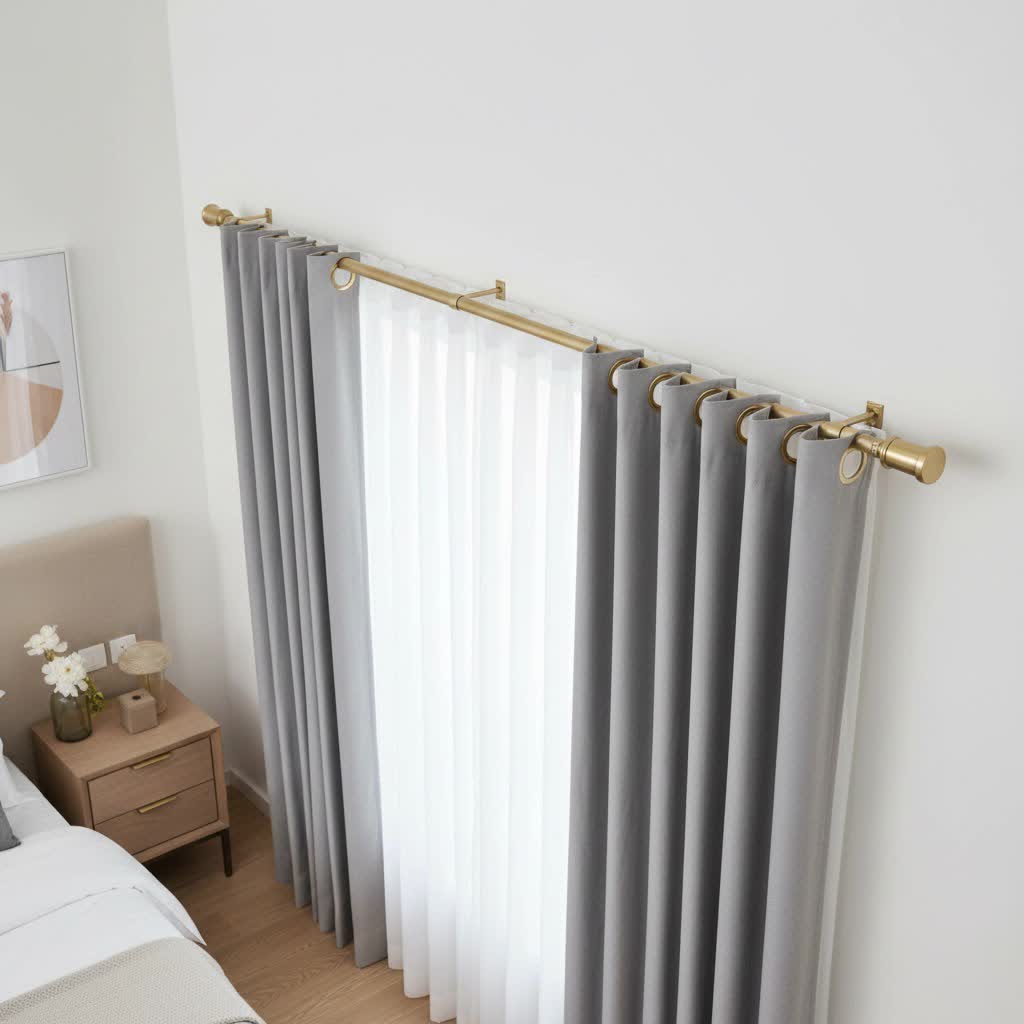
Have you ever wished for a simple, damage-free way to hang curtains, separate spaces, or organize your home without reaching for a drill? Adjustable tension curtain rods are the clever solution many homeowners and renters are discovering. With over a decade of experience in window treatments and accessories, I’m here to share everything you need to know about these versatile rods, helping you choose the perfect fit for your living space. Let’s dive into the fascinating world of adjustable tension curtain rods!
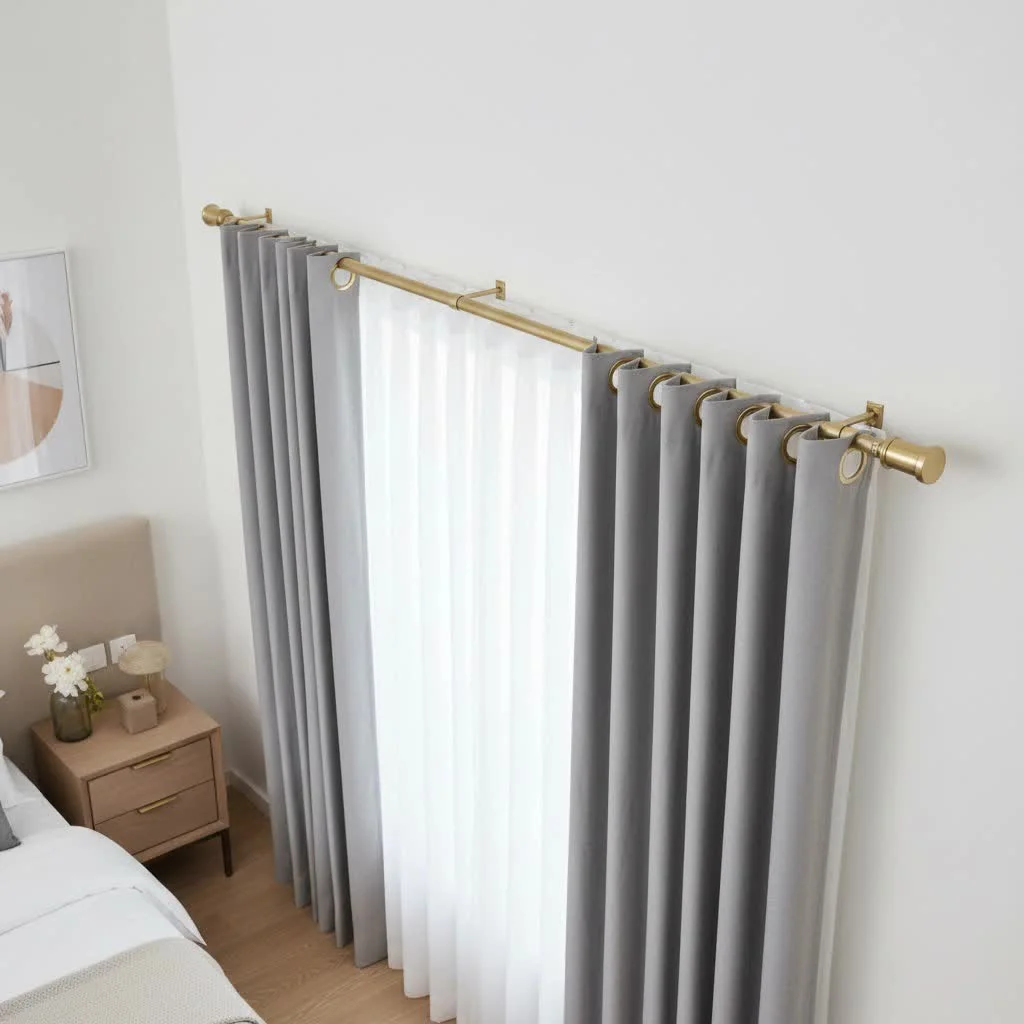
What is an Adjustable Tension Curtain Rod?
An adjustable tension curtain rod is a revolutionary piece of home hardware designed for quick, tool-free installation. Unlike traditional curtain rods that require mounting brackets and screws, tension rods work by applying outward pressure, or “tension,” between two opposing surfaces, such as a window frame, closet walls, or a doorway. This pressure holds the rod securely in place through friction. For compare top curtain rods on this site.
Most tension rods consist of two interlocking tubes with an internal spring mechanism. To install, you simply extend the rod to the desired length, slightly beyond the width of your opening, and then twist or push to create the necessary tension. Many modern designs also feature a locking mechanism for enhanced stability, ensuring the rod stays put even with moderate weight. The ends are typically fitted with rubber or silicone pads to prevent slipping and protect your surfaces from damage.
Why Choose an Adjustable Tension Curtain Rod? (Pros)
The popularity of adjustable tension curtain rods stems from their numerous advantages, making them a go-to choice for a variety of needs.
- Renter-Friendly and Damage-Free: This is arguably their biggest selling point. Since no drilling, screws, or permanent hardware are required, tension rods leave no marks, holes, or damage on your walls or window frames. They are ideal for apartments, dorms, or any situation where modifying the structure is not permitted or desired.
- Easy, Tool-Free Installation: You can install most tension rods in mere seconds without needing any tools. Simply adjust the length, twist to tighten, and place. This makes them incredibly convenient for quick makeovers or temporary setups.
- Versatility and Mobility: Tension rods are not just for curtains. They can be used in countless ways: to hang shower curtains, create room dividers, organize closets or cupboards, support lightweight shelves, or even childproof certain areas. Their easy removal also means you can move them whenever your needs or decor change.
- Affordability: Generally, tension rods are a more budget-friendly option compared to traditional curtain rod systems, especially when you factor in the cost of tools and installation hardware.
Understanding the Limitations (Cons & Considerations)
While adjustable tension curtain rods offer remarkable convenience, it’s important to be aware of their limitations to ensure they meet your specific needs.
- Weight Capacity: Tension rods are best suited for lightweight to medium-weight fabrics. Heavy drapes, blackout curtains, or multiple curtain panels can exceed their weight limit, leading to sagging, slipping, or sudden falls. Always check the manufacturer’s recommended weight capacity.
- Size Restrictions: They perform optimally in narrower openings. While some heavy-duty options can span wider distances, most tension rods are not ideal for very wide windows (typically over 80-100 inches) as they become more prone to bowing or losing tension.
- Surface Grip: The effectiveness of a tension rod relies heavily on the friction between its end caps and the opposing surfaces. Smooth, glossy, or uneven surfaces may not provide enough grip, causing the rod to slip. Ensure the surfaces are clean, dry, and flat for optimal performance.
- Aesthetic Integration: Tension rods are often installed inside the window frame. While discreet, this might not provide the desired aesthetic for all window treatments, especially if you prefer curtains to hang wider than the window itself or require decorative finials.
Types and Materials of Adjustable Tension Rods
Adjustable tension curtain rods come in various designs and materials, each offering different levels of strength and style.
- Materials:
- Metal (Steel, Aluminum): These are the most common and robust options. Steel rods, often coated for rust resistance, provide excellent strength for medium-weight curtains and are durable for areas like bathrooms. Aluminum rods are lighter but still strong. They typically come in finishes like chrome, brushed nickel, bronze, or white.
- Plastic: Lightweight and inexpensive, plastic tension rods are ideal for very sheer, lightweight curtains, craft projects, or temporary, low-stress applications where heavy loads are not a concern.
- Mechanisms:
- Spring-Loaded (Twist-to-Tighten): This classic design involves twisting one part of the rod to extend it until it creates enough tension against the walls. They are simple and effective for most uses.
- Lock-in-Place Mechanisms: Some heavy-duty tension rods feature an additional locking mechanism, often a lever or button, that provides extra security once the initial tension is set. This can significantly improve stability and prevent slipping, especially with slightly heavier fabrics.
How to Install Your Adjustable Tension Curtain Rod
Installing a tension rod is remarkably straightforward, but a few key steps will ensure a secure and lasting fit.
- Measure Your Space: Accurately measure the width of the opening where you intend to install the rod (e.g., inside the window frame, between closet walls).
- Adjust the Rod’s Length: Extend the tension rod by twisting or pulling until it is roughly 1 to 2 inches longer than your measured opening. This slight overlap is crucial for creating tension.
- Attach Curtains (If Applicable): If you are hanging curtains, slide them onto the rod before final installation. It’s much easier to do this beforehand.
- Position and Secure:
- Place one end of the rod against the wall at your desired height and level.
- Compress the rod slightly to fit the other end into the opposite wall.
- Once both ends are in place, gently release the pressure, allowing the internal spring to expand.
- For twist-to-tighten rods, rotate the rod until it feels firmly wedged and secure. For rods with a locking mechanism, engage the lock once the desired tension is achieved.
- Check for Stability: Give the rod a gentle tug to ensure it is firmly in place and doesn’t slip. Adjust the tension if needed. The rubber end caps should provide a good grip without marking the surface.
Choosing the Right Adjustable Tension Curtain Rod for Your Space (Buying Guide)
Selecting the perfect tension rod involves considering its intended use, the weight of your curtains, and your personal style.
- Application:
- Windows: For small, lightweight curtains in kitchens, bathrooms, or bedrooms. Consider the window’s depth if you want the rod to sit entirely within the frame.
- Showers: Opt for rust-resistant metal rods with strong tension for shower curtains. Curved tension rods can offer more elbow room.
- Closets/Storage: Heavy-duty tension rods are excellent for creating temporary shelving or hanging clothes in closets.
- Room Dividers: Use for lightweight fabric room dividers in doorways or open floor plans.
- Curtain Weight: Be realistic about the weight your rod can support. For sheer or lightweight fabrics, most standard tension rods will suffice. For anything heavier, invest in a heavy-duty metal rod with a robust spring or locking mechanism.
- Desired Aesthetic: While primarily functional, tension rods come in various finishes (e.g., white, chrome, bronze) that can complement your existing decor.
- Measurements: Always measure accurately. Choose a rod with an adjustable range that comfortably spans your opening. It’s better to have a rod that’s slightly too long and can be compressed than one that’s too short.
Comparison: Adjustable Tension Rod vs. Traditional Curtain Rod
Choosing between an adjustable tension rod and a traditional curtain rod often depends on your specific needs and living situation.
| Feature | Adjustable Tension Curtain Rod | Traditional Curtain Rod |
|---|---|---|
| Installation | No drilling, tool-free, quick | Requires drilling, brackets, tools, more time |
| Wall Damage | None | Potential holes in walls/frames |
| Ideal For | Renters, temporary setups, light curtains | Homeowners, permanent, heavy drapes, layered looks |
| Aesthetic | Functional, discreet (often within frame) | Decorative, wide range of styles/finials, can extend beyond window |
| Weight Capacity | Light to medium fabrics | Heavy fabrics, blackout curtains, multiple layers |
| Versatility | Easy to move, re-use, various small spaces | Fixed, less flexible for changes |
| Cost | Generally more affordable | Can be more expensive (rod, finials, brackets, installation) |
Tips for Maximizing Stability and Longevity
To ensure your adjustable tension curtain rod remains securely in place and serves you well for years, consider these expert tips:
- Clean Surfaces: Before installation, wipe down the walls or frames where the rod will sit. Dust, dirt, or grease can reduce friction and cause slipping.
- Proper Tension Adjustment: Don’t overtighten, as this can damage walls, but ensure there’s enough pressure to keep the rod firmly in place. A good test is a gentle tug; it shouldn’t budge easily.
- Choose Appropriate Weight Curtains: This cannot be stressed enough. Always use curtains that are well within the rod’s weight capacity. If you love heavy drapes, a traditional rod is a better investment.
- Consider Rubber End Caps: Look for rods with robust, non-slip rubber or silicone end caps for enhanced grip and surface protection.
- Mid-Supports for Longer Rods (If Applicable): While true tension rods don’t use external supports, if you’re adapting a very long tension rod for a heavy load or a wider span, consider adding discreet tension hooks or suction cup supports in the middle if possible for extra reinforcement.
“A well-chosen curtain rod isn’t just a functional accessory; it’s a subtle design element that completes your space.” – An interior design expert
Conclusion
Adjustable tension curtain rods offer an unparalleled blend of convenience, versatility, and affordability, making them an indispensable tool for modern homes. Whether you’re a renter looking for damage-free decor, a homeowner seeking quick organization solutions, or simply need to hang lightweight curtains with ease, these rods provide a simple yet effective answer. By understanding their types, materials, and proper installation techniques, you can confidently select the perfect adjustable tension rod to enhance your living space.
What creative ways have you used adjustable tension curtain rods in your home?
Frequently Asked Questions
Can tension rods hold heavy blackout curtains?
|
Our Picks for the Best Curtain Rod in 2026
As an Amazon Associate I earn from qualifying purchases.
|
||
| Num | Product | Action |
|---|---|---|
| 1 | 5/8” Diameter Curtain Rods 30-90 Inch, for 30-84 Inch Windows, Adjustable Splicing Black Curtain Rods for Windows with Brackets, Window Rod Long Small Curtains Rod |

|
| 2 | Heavy Duty Curtain Rods for Windows 66 to 120 Inch,1 Inch Adjustable Black Curtain Rod with Easy Installation and Modern Design,Decorative Long Drapery Rods with Metal Finials (A1,Black,30-120") |
|
| 3 | Tension Curtain Rods No Drilling, Extra Long Tension Rod 41-139 Inch, Heavy Duty Shower Curtain Rod for Outdoor Patio Bathroom Windows Room Divider, Adjustable, Anti-Slip, No Rust, Black |
|
| 4 | Curtain Rods for Windows 16 to 144 Inches Adjustable Length 1 Inch Diameter Window Curtain Rod with Aluminium Finials, Black |
|
| 5 | Heavy Duty Curtain Rods for Windows 66 to 120 Inch, 1 Inch Gold Curtain Rod Adjustable, Decorative Long Curtains Rods with Metal Finials, Easy Installation and Modern Design (A2,Gold,30"-120") |
|
| 6 | Double Curtain Rod for Windows 66 to 120 Inches, 1 inch Heavy-Duty Adjustable Imitation Wood Farmhouse Double Curtain Rod, Boho Decorative and Wood Grain Finish, Dual Rod for Living Room and Bedroom |
|
| 7 | 1” Diameter Curtain Rods Itself is 30 to144 inch 1 Pack Fit 30-142 inch, 66 to 120 inch Window with Heavy Duty Adjustable Rod Matte Black Splicing Metal Extra Long Curtain Rod for Windows |
|
| 8 | Wrap Around Curtain Rod Black, Adjustable Blackout Curtain Rods for Windows 48 to 84 Inch, 1" Heavy Duty Room Darkening Drapery Rod, Easy Install and Removal |
|
| 9 | YaFex Curtain Rods 32-144 Inch, Heavy Duty 1 Inch Adjustable Curtain Rod for Windows, Black Extra Long Window Treatment Rods, Modern Design, Easy Installation |
|
| 10 | Curtain Rods for windows 32-48 inch, 5/8 inch Decorative Curtain Rod Set, Matte Black Splicing Heavy Duty Metal Curtain Rod with Brackets |
|
Generally, no. Most tension rods are designed for lightweight to medium-weight curtains. Heavy blackout curtains can cause the rod to sag, slip, or fall due to their significant weight. For blackout curtains, a traditional, permanently mounted curtain rod is recommended for optimal stability and security.
How do I stop a tension rod from slipping on smooth surfaces?
To prevent a tension rod from slipping, ensure both the rod’s end caps and the wall surfaces are clean and dry before installation. For extra grip on very smooth surfaces like tile or polished wood, you can try placing small, clear silicone pads or a piece of non-slip shelf liner between the rod’s end caps and the wall.
Can tension rods be used outdoors?
While some heavy-duty metal tension rods with rust-resistant coatings might withstand outdoor conditions for temporary use, they are generally not recommended for long-term outdoor installations. Exposure to elements like wind, rain, and temperature fluctuations can compromise their tension and material integrity.
Get our weekly buyer guide
Practical specs, not advice. Unsubscribe anytime.
