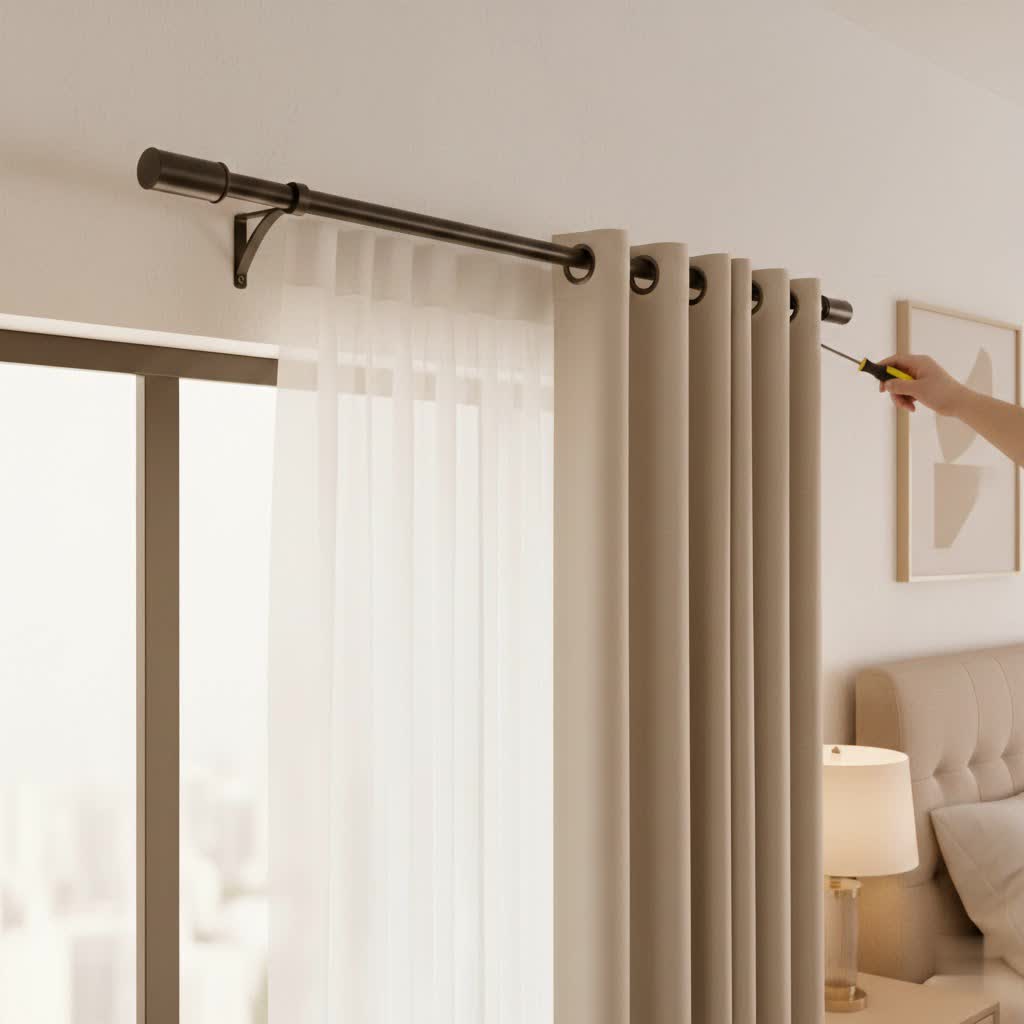
Are you seeking a charming and practical solution to enhance your windows, offering both privacy and an abundance of natural light? Cafe Rod Curtain Poles might be the perfect answer. These often-overlooked gems provide a distinctive aesthetic and functional benefits that traditional curtain rods simply can’t match, transforming your living spaces with understated elegance.
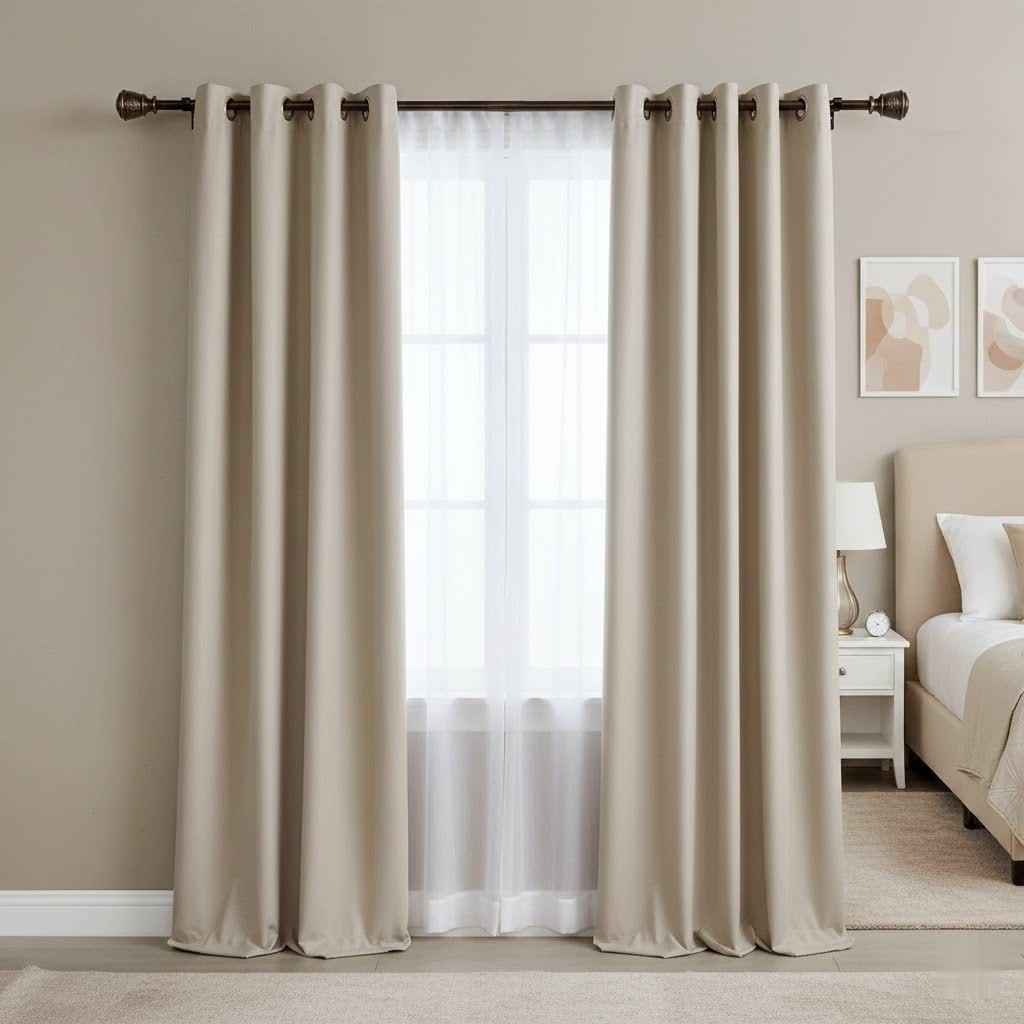
What is a Cafe Rod Curtain Pole?
A cafe rod, also commonly referred to as a cafe pole, is a smaller, lighter, and typically more decorative type of curtain pole designed to hang short curtains, often known as tier or half curtains. Unlike full-length drapery rods, cafe rods are specifically intended to cover only a portion of the window, most often the lower half. This unique design originated in 19th-century European cafes, where they provided patrons with privacy while still allowing sunlight to brighten the interior.
The primary purpose of a cafe rod curtain pole is to offer a balance between privacy and natural light. They are ideal for spaces where full window coverage would be excessive or unnecessary, allowing views of the outdoors from the upper window section while shielding the lower part from inquisitive glances. Cafe rods also serve a significant decorative function, adding a touch of quaint charm, vintage appeal, or minimalist style to a room. They support lightweight fabrics, contributing to a soft, airy ambiance without the bulk of heavy drapes.
Popular Types of Cafe Rod Curtain Poles
The world of cafe rods offers several variations, each suited for different aesthetic preferences and functional needs. Understanding these types will help you select the ideal pole for your desired look.
- Adjustable/Telescoping Rods: These are among the most common cafe rods, featuring two or more pieces that slide into each other to achieve a variable length. This adjustability makes them highly versatile for different window widths, allowing for a custom fit without requiring precise cutting. They are generally straightforward to install and widely available.
- Tension Rods: For a no-drill installation, tension rods are an excellent choice. These rods feature an internal spring mechanism that allows them to be compressed and then expanded to fit snugly within a window recess, holding themselves in place through pressure. They are perfect for rentals, quick updates, or when you prefer to avoid drilling into walls or window frames. [cite: 1_type] However, they are best suited for very lightweight curtains and shorter spans.
- Slim Decorative Rods: These rods often come with simple, unobtrusive finials (the decorative end pieces) or end caps, and their slender profile is designed to complement rather than overpower the delicate cafe curtains they support. Available in various finishes, they add a refined decorative touch. [cite: 2_type, 4_search]
- French Return Rods: While not exclusively “cafe” rods, the French return style can be adapted for cafe curtains. These rods curve back towards the wall at their ends, creating a seamless, architectural look without visible finials. This design minimizes light bleed at the sides and offers a clean, sophisticated aesthetic, often found in solid metal constructions.
- Sash Rods: Very similar to cafe rods, sash rods are typically thin, lightweight rods often used for door curtains or windows where the rod needs to be mounted directly to the window sash itself. They share the same purpose of supporting light fabrics. [cite: 2_type]
Choosing the Right Material for Your Cafe Rod
The material of your cafe rod plays a crucial role in its durability, aesthetic appeal, and how well it integrates with your room’s overall design.
- Metal (Steel, Stainless Steel, Brass, Nickel, Iron): Metal rods are a popular choice due to their strength and versatility. Steel and stainless steel offer exceptional durability, resisting bending, sagging, rust, and wear over time, making them a reliable option for long-lasting performance. [cite: 1_material] Finishes like brushed nickel or polished chrome lend a modern, sleek look, while antique brass or oil-rubbed bronze can evoke a more traditional or rustic charm. Hand-forged iron rods offer a distinct artisan quality, often seen in custom designs. [cite: 3_search]
- Wood: Wooden cafe rods bring natural warmth and a classic touch to any space. They can range from light, natural finishes for a relaxed, Scandinavian feel to darker, rich stains for a more elegant and traditional ambiance. [cite: 2_material, 5_material] While visually appealing, wood can be susceptible to wear over time if not properly maintained, especially in high-humidity areas like bathrooms.
- Acrylic: For minimalist or contemporary interiors, acrylic rods offer understated elegance. Their transparent or translucent nature allows them to blend seamlessly, making the curtains appear to float, and adding a subtle touch of sophistication without being overly decorative. [cite: 5_material]
- Plastic or Aluminum: These materials offer more budget-friendly options. While lightweight and easy to install, they generally lack the durability and strength of steel or other metals and may not withstand as much use or weight, making them more prone to needing replacement over time. [cite: 1_material]
When selecting a material, consider the weight of your cafe curtains—lighter fabrics pair well with thinner, more delicate rods, while even cafe curtains made of slightly heavier linen might benefit from a sturdier metal rod. [cite: 3_material, 4_material] Also, consider the existing hardware and decor in your room; matching the rod’s finish to other elements like cabinet pulls, lighting fixtures, or furniture accents can create a cohesive and polished look. [cite: 3_material]
Sizing and Measurement for Cafe Rods
Accurate measurement is key to ensuring your cafe rod looks and functions perfectly in your space. This section will guide you through the process of determining the correct size and placement.
The first step is to measure the width of your window. You have two primary mounting options:
- Inside Mount: If you plan to install the rod within the window frame, measure the exact inside width of the window opening at the desired height. Your rod will need to fit snugly within this space, so consider the rod’s diameter and the size of its end caps. Many adjustable rods will specify the range they can cover for an inside mount.
- Outside Mount: If you prefer to mount the rod on the wall above or outside the window frame, measure the window’s width and then decide how far you want the rod to extend beyond the frame on each side. A common recommendation is to add 2 to 4 inches of extension on each side of the window frame. For cafe return rods, which curve back to the wall, you might measure from outside edge to outside edge of the window frame and reduce the length slightly for a good fit. [cite: 3_search]
Next, determine the ideal height placement for your cafe rod. Unlike traditional curtains hung high above the window, cafe curtains are typically placed lower. A popular guideline suggests placing the rod approximately two-thirds up from the bottom of the window, or at its midpoint, for a balanced and proportional look. [cite: 1_install] If your window has grids or dividers, you can use one of the horizontal lines as a natural reference point for harmonious placement. The exact height can be adjusted based on your personal preference for privacy, light control, and the specific aesthetic you’re aiming for.
Finally, consider the diameter of the rod in relation to your curtains. Cafe rods are typically slim, often with a diameter under 0.75 inches. Ensure that the rod’s diameter is compatible with your curtain’s rod pocket or the rings you plan to use. If the rod is too thick for the pocket, the curtain won’t slide smoothly. Conversely, if it’s too thin, the curtain may sag or look ill-fitting. [cite: 2_type, 3_material]
Step-by-Step Installation Guide for Cafe Rods
Installing a cafe rod curtain pole is a straightforward DIY project that can significantly impact your room’s aesthetic. Here’s a general guide to help you through the process.
Tools and Materials You’ll Need:
- Cafe rod curtain pole (with brackets and screws)
- Pencil
- Measuring tape
- Level
- Drill and drill bits (appropriate for your wall material)
- Wall anchors (if drilling into drywall)
- Screwdriver
- Step ladder (if needed)
Installation Steps:
- Determine Placement and Mark: Based on your measurements, decide the exact height and width for your rod. Use your pencil to mark where the brackets will be positioned. For consistent placement, hold a bracket against the wall at your chosen spot and mark the screw holes. Use a level to ensure your marks are perfectly horizontal; this is crucial for a professional look. [cite: 3_install, 4_install]
- Drill Pilot Holes: Using your drill, create pilot holes at each marked screw location. The size of the drill bit should be slightly smaller than your screws. If you are drilling into drywall and not a stud, insert wall anchors into the pilot holes now to provide extra stability and support.
- Install Brackets: Align the brackets with the drilled holes and secure them to the wall using the provided screws. Use a drill or screwdriver, tightening them firmly but without overtightening, which could damage the wall or the bracket. [cite: 3_install] For longer rods (over 60 inches), consider installing a center support bracket to prevent sagging. [cite: 3_search]
- Attach Curtains to Rod: Before mounting the rod, slide your cafe curtains onto the pole. If you are using curtain rings with clips, attach the clips to the curtain fabric now.
- Mount the Rod: Carefully place the assembled rod (with curtains) into the installed brackets. If your rod is adjustable, ensure it is extended to the correct length and, if it has a locking mechanism, secure it as per the manufacturer’s instructions. [cite: 4_install, 5_install]
- Final Adjustments: Once the rod is in place, adjust the curtains for your desired look, ensuring even spacing. Double-check that all brackets are secure and the rod is stable.
Styling Your Space with Cafe Rods
Cafe rods are incredibly versatile and can elevate the style of various rooms in your home. Their charm lies in their ability to offer privacy without sacrificing light, making them ideal for specific applications.
- Kitchens and Breakfast Nooks: This is where cafe curtains earned their name. They are perfect for kitchen windows, allowing sunlight to stream in while providing privacy from street views, without interfering with countertops or sinks. Pair them with light, airy fabrics like linen or sheer cotton for a fresh, inviting atmosphere.
- Bathrooms: Often, bathroom windows require privacy but still benefit from natural light. Cafe rods are an excellent solution, covering the lower portion of the window to maintain seclusion while letting in ambient light. Choose moisture-resistant fabrics or consider materials like vinyl for practicality in humid environments.
- Small or Awkward Windows: For smaller windows where full-length curtains would overwhelm the space, or uniquely shaped windows that are challenging to dress, cafe rods offer a proportionate and elegant solution.
- Laundry Rooms and Pantries: Cafe rods can also be used creatively to conceal unsightly storage areas or appliances in utility spaces, adding a touch of decor while allowing easy access.
- Pairing with Curtain Fabrics: Cafe rods are designed for lightweight curtains. Sheer fabrics, delicate lace, unlined cotton, or linen panels work beautifully, creating a soft, diffused light effect. Avoid heavy, thick drapes, as these can overpower the slim rod and cause sagging.
- Matching Rod Finish with Interior Decor: The finish of your cafe rod should complement your room’s existing style. For modern farmhouse or minimalist aesthetics, consider matte black or brushed nickel rods. Polished brass or antique bronze can enhance traditional or eclectic decor. Wooden rods are perfect for rustic, bohemian, or classic interiors. [cite: 5_material]
“A well-chosen cafe rod isn’t just a functional item; it’s a piece of jewelry for your windows, adding character and warmth to your home.”
Buying Guide: Where to Find Quality Cafe Rods
Investing in the right cafe rod curtain pole ensures both longevity and aesthetic satisfaction. Here’s what to consider when making your purchase.
Key Factors to Consider:
- Material and Finish: Prioritize durable materials like steel, brass, or solid wood for longevity and a premium feel. Consider how the finish will complement your existing decor and whether it can withstand the environment (e.g., moisture in bathrooms).
- Adjustability vs. Fixed Length: Adjustable rods offer flexibility for various window sizes. However, fixed-length rods (especially custom ones) can sometimes provide a more seamless, high-end look if your measurements are precise.
- Diameter: Double-check the rod’s diameter to ensure it fits the rod pockets or rings of your chosen curtains. Thinner rods are suitable for lighter fabrics.
- Bracket Design: Look for discreet, sturdy brackets that provide adequate support. Some rods feature “return” brackets that curve back to the wall, offering a sleek, gap-free look.
- Finials/End Caps: These decorative elements contribute significantly to the rod’s style. Choose finials that align with your aesthetic preference, from simple caps to more ornate designs.
- Price: Cafe rods vary widely in price based on material, craftsmanship, and brand. Set a budget but be prepared to invest a bit more for higher quality materials that will last.
Where to Purchase:
You can find cafe rod curtain poles at a variety of retailers:
- Specialty Drapery Stores: These stores often offer a wider selection of high-quality, unique, and customizable options, including different finishes and materials.
- Home Improvement Stores: Major retailers typically carry a range of adjustable and tension cafe rods in common finishes, which are usually more budget-friendly.
- Online Retailers: Websites like Amazon, Target, Etsy, Rejuvenation, and dedicated home decor sites provide an extensive array of styles, sizes, and brands, making it easy to compare options and find specific designs. [cite: 4_search, 5_search] Look for products with good reviews regarding ease of installation and durability.
When shopping, always check the product description for included hardware (brackets, screws, anchors) and verify the return policy, especially for custom-sized items.
Conclusion
Cafe rod curtain poles are a delightful and highly functional element of interior design, offering a perfect blend of privacy, natural light, and decorative charm. From their humble beginnings in European cafes to their modern-day resurgence, these slender rods continue to prove their worth in kitchens, bathrooms, and any space desiring a touch of understated elegance. By carefully considering the type, material, measurements, and installation, you can effortlessly integrate cafe rods into your home, creating inviting and beautifully styled windows.
What unique charm do you hope a cafe rod will bring to your living space?
Frequently Asked Questions
What is the main difference between a cafe rod and a regular curtain rod?
|
Our Picks for the Best Curtain Rod in 2026
We may earn a commission when you use one of our links to make a purchase.
|
||
| Num | Product | Action |
|---|---|---|
| 1 | YaFex Curtain Rods 32-144 Inch, Heavy Duty 1 Inch Adjustable Curtain Rod for Windows, Black Extra Long Window Treatment Rods, Modern Design, Easy Installation |

|
| 2 | Wrap Around Curtain Rod Black, Adjustable Blackout Curtain Rods for Windows 48 to 84 Inch, 1" Heavy Duty Room Darkening Drapery Rod, Easy Install and Removal |
|
| 3 | Double Curtain Rod for Windows 66 to 120 Inches, 1 inch Heavy-Duty Adjustable Imitation Wood Farmhouse Double Curtain Rod, Boho Decorative and Wood Grain Finish, Dual Rod for Living Room and Bedroom |
|
| 4 | 5/8” Diameter Curtain Rods 30-90 Inch, for 30-84 Inch Windows, Adjustable Splicing Black Curtain Rods for Windows with Brackets, Window Rod Long Small Curtains Rod |
|
| 5 | Tension Curtain Rods No Drilling, Extra Long Tension Rod 41-139 Inch, Heavy Duty Shower Curtain Rod for Outdoor Patio Bathroom Windows Room Divider, Adjustable, Anti-Slip, No Rust, Black |
|
| 6 | Curtain Rods for windows 32-48 inch, 5/8 inch Decorative Curtain Rod Set, Matte Black Splicing Heavy Duty Metal Curtain Rod with Brackets |
|
| 7 | Heavy Duty Curtain Rods for Windows 66 to 120 Inch,1 Inch Adjustable Black Curtain Rod with Easy Installation and Modern Design,Decorative Long Drapery Rods with Metal Finials (A1,Black,30-120") |
|
| 8 | Curtain Rods for Windows 16 to 144 Inches Adjustable Length 1 Inch Diameter Window Curtain Rod with Aluminium Finials, Black |
|
| 9 | 1” Diameter Curtain Rods Itself is 30 to144 inch 1 Pack Fit 30-142 inch, 66 to 120 inch Window with Heavy Duty Adjustable Rod Matte Black Splicing Metal Extra Long Curtain Rod for Windows |
|
| 10 | Heavy Duty Curtain Rods for Windows 66 to 120 Inch, 1 Inch Gold Curtain Rod Adjustable, Decorative Long Curtains Rods with Metal Finials, Easy Installation and Modern Design (A2,Gold,30"-120") |
|
The primary difference lies in their size, intended use, and placement. Cafe rods are typically smaller in diameter, lighter, and designed to hold short curtains that cover only a portion (usually the lower half) of a window. Regular curtain rods are generally thicker, sturdier, and meant to support full-length curtains that cover the entire window.
Can I use a cafe rod for heavy curtains?
No, cafe rods are specifically designed for lightweight fabrics such as sheers, voile, or unlined cotton/linen. Their slender construction and smaller brackets are not meant to support the weight of heavy, lined, or blackout curtains, which could cause the rod to sag or fail. [cite: 2_type, 3_material]
How high should I install a cafe rod on my window?
A common recommendation is to install a cafe rod about two-thirds up from the bottom of your window, or directly at the midpoint. This placement allows for privacy in the lower section while maximizing natural light from the top. You can also use existing window grids as a guide for harmonious placement. [cite: 1_install]
Are cafe rods easy to install?
Yes, most cafe rods are designed for relatively easy installation. Many come with simple brackets that can be screwed into the window frame or wall, and tension rod varieties require no drilling at all. Basic tools like a drill, pencil, and tape measure are usually sufficient. [cite: 3_install, 4_install]
Can cafe rods be used in rooms other than kitchens and bathrooms?
Absolutely! While traditionally popular in kitchens and bathrooms for privacy and light, cafe rods are versatile. They can also be used in laundry rooms, pantries, small bedrooms, or hallways to add a decorative touch, provide partial privacy, or even conceal storage areas, making them a charming addition to various spaces.