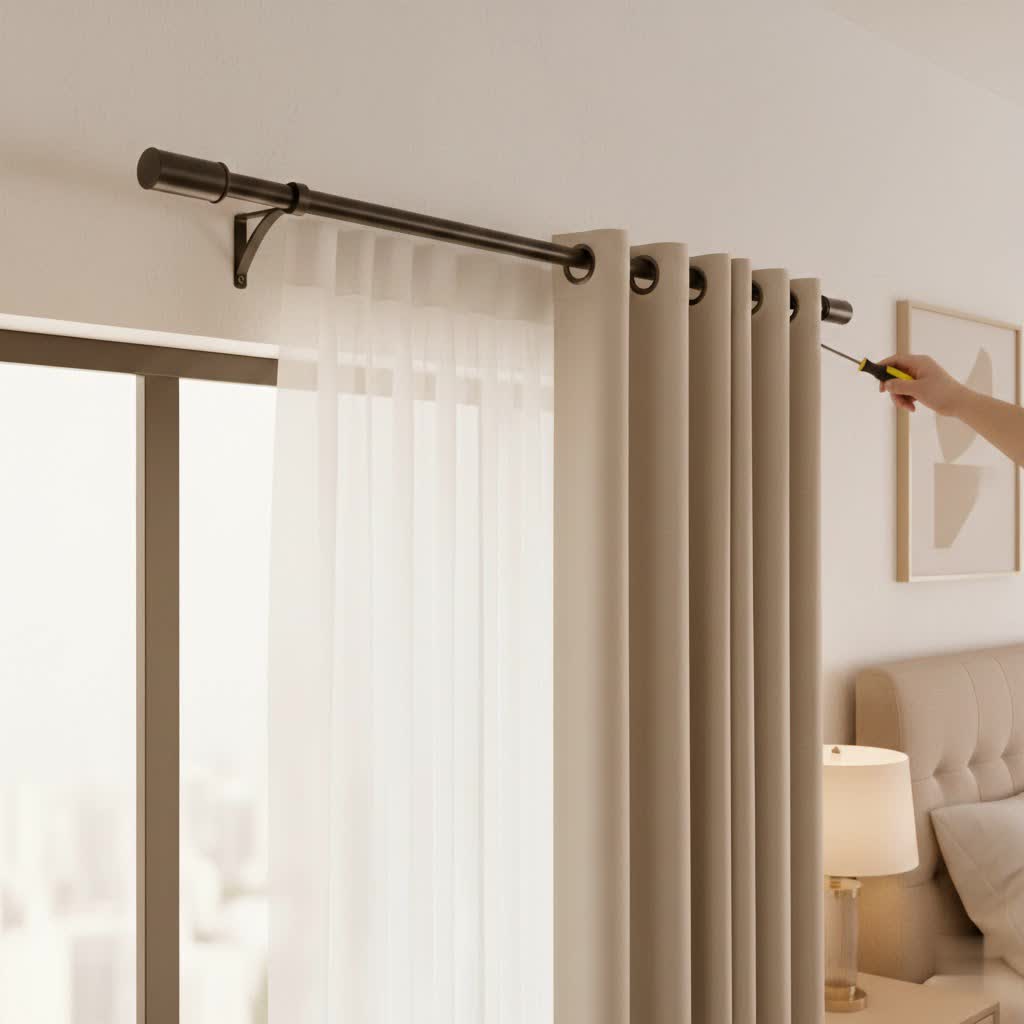
Have you ever gazed at your beautifully chosen heavy drapes only to notice a disheartening sag in the middle of your curtain rod? It’s a common frustration, especially when dealing with weighty fabrics like velvet, blackout materials, or luxurious layered window treatments. The solution lies not just in the rod itself, but in the unsung heroes of your window decor: Heavy Duty Curtain Rod Brackets. These robust components are specifically engineered to provide the unwavering support your substantial curtains demand, ensuring they hang perfectly and function flawlessly for years to come. This comprehensive guide will explore everything you need to know about selecting, understanding, and installing the ideal heavy duty curtain rod brackets for your home, transforming potential window woes into a testament of style and stability.
Types of Heavy Duty Curtain Rod Brackets: A Comprehensive Overview
Choosing the right heavy duty curtain rod bracket begins with understanding the variety available and how each serves a distinct purpose. Each type offers specific advantages, catering to different curtain styles, window designs, and functional requirements.
- Wall Mount Brackets: These are the most common and versatile type, attaching directly to the wall above and beside your window frame. Heavy duty versions feature reinforced construction and often offer extended projection options to accommodate thicker curtain stacks or to simply create a grander look. They are ideal for single or double heavy curtains where ample wall space is available.
- Ceiling Mount Brackets: When wall space is limited, or you desire to create the illusion of taller windows and higher ceilings, ceiling mount brackets are an excellent choice. They are installed directly into the ceiling, allowing your curtains to hang from the highest point possible. These are particularly effective for floor-to-ceiling drapery, providing strong vertical support.
- Double Brackets: For those who love the elegance and functionality of layered window treatments – perhaps a sheer curtain for diffused light paired with a heavy drape for privacy and light blocking – double brackets are indispensable. These brackets feature two cups or arms, allowing you to hang two separate curtain rods in parallel. They add depth and sophistication while ensuring each layer has adequate support.
- Center Support Brackets: Absolutely essential for longer curtain rods (typically exceeding 60 inches) or exceptionally heavy drapes, center support brackets prevent the rod from bowing or sagging in the middle. They are installed at the midpoint of your rod, distributing the weight evenly and maintaining a pristine horizontal line for your window treatment. Skipping this vital support can lead to rod failure and a messy aesthetic.
- Bypass Brackets: These ingenious brackets are designed with an open or “C”-shaped hook, allowing curtain rings to pass over them freely. This feature is particularly useful for wide windows where a single, long curtain needs to be drawn across the entire span without encountering obstacles. Bypass brackets ensure full closure and smooth operation of your heavy drapes.
- F-Brackets: An innovative solution for layered treatments, F-brackets are designed to support two curtain rods from a single mounting plate. This can simplify installation and create a clean, cohesive look while still providing the necessary robust support for multiple curtain layers, such as a deco rod in front and a sheer rod behind.
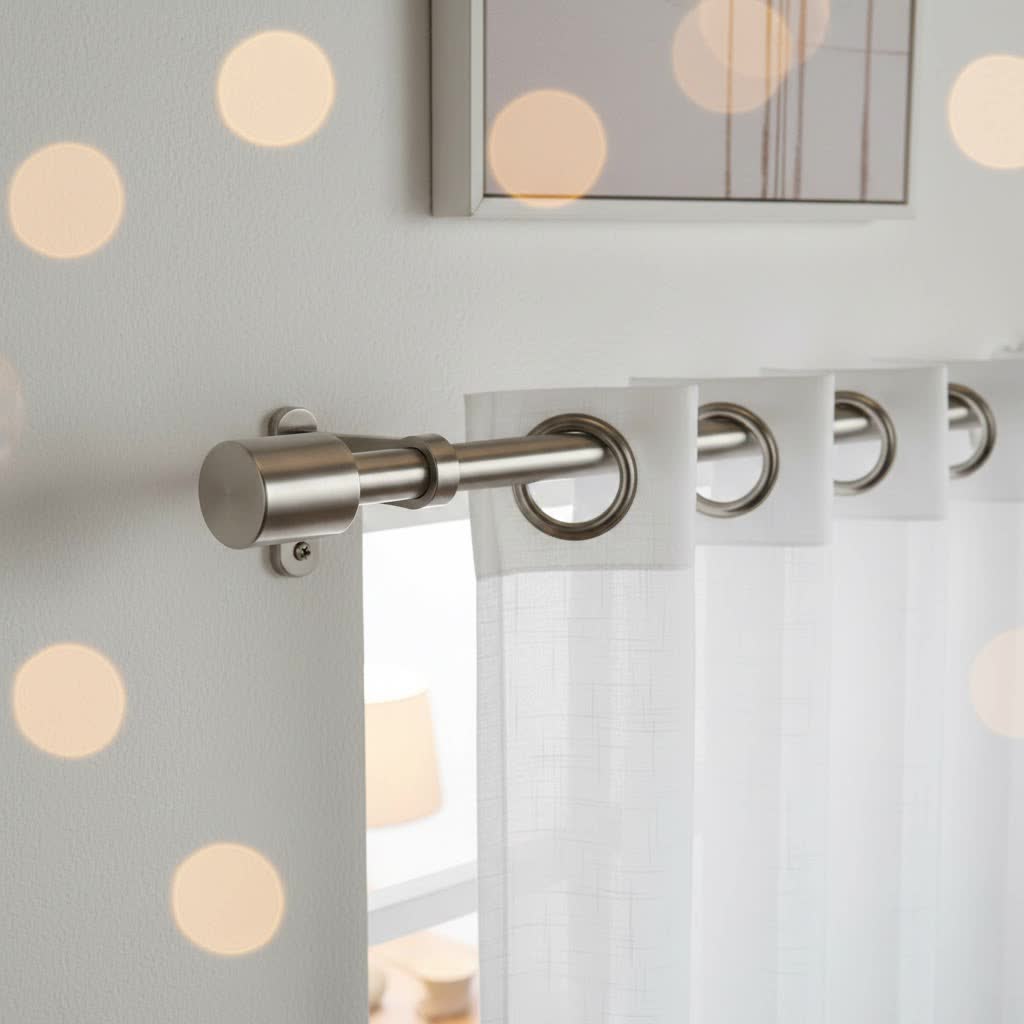
- Socket/Inside Mount Brackets: For a minimalist look or wall-to-wall installations where the rod fits snugly within a window recess, socket brackets (also known as inside mount brackets or cup brackets) are used. They provide discrete support at each end of the rod, typically for a fixed installation.
- Corner/Elbow Brackets: These specialized brackets are designed to navigate the angles of bay windows or corner window installations. They connect curtain rods at an angle, allowing for continuous drapery coverage around architectural features, ensuring heavy curtains maintain their flow and support without interruption.
Materials for Heavy Duty Curtain Rod Brackets: Durability Meets Design
The material of your heavy duty curtain rod brackets is paramount to their performance and longevity, directly impacting their ability to bear significant weight. Beyond mere strength, the material also contributes significantly to the overall aesthetic of your window treatment.
- Steel & Wrought Iron: These metals are the champions of strength and durability, making them ideal for truly heavy duty applications. Steel brackets, often seen in industrial, modern, or minimalist designs, provide exceptional load-bearing capacity and come in various finishes like matte black, brushed nickel, or chrome. Wrought iron, with its characteristic hand-forged look, offers superior strength and a rustic, traditional, or even ornate aesthetic. Both materials are highly resistant to bending and sagging, making them perfect for your heaviest drapes.
- Thick Aluminum: While lighter than steel or iron, thick-gauge aluminum brackets can still be considered heavy duty, especially when reinforced. Aluminum is valued for its corrosion resistance, making it suitable for high-humidity areas like bathrooms. Its sleek, often polished or anodized finishes lend themselves well to contemporary and modern interior designs.
- Reinforced Wood: For homes with a classic, traditional, or farmhouse aesthetic, reinforced wood brackets offer both strength and warmth. These brackets are often crafted from hardwoods like oak or maple and may feature internal metal reinforcement for added durability. They can be stained or painted to match existing woodwork or furniture, providing robust support without sacrificing a natural, inviting look.
- Considerations: When choosing a material, always balance the required weight capacity with your desired aesthetic. Many heavy duty brackets feature welded diagonal support rods or robust construction from base to cup, significantly enhancing their strength. Finishes are also crucial; a matte black steel bracket can provide a striking contrast in a light-colored room, while brushed nickel offers a more understated, modern appeal.
Sizing and Installation of Heavy Duty Curtain Rod Brackets: A Step-by-Step Guide
Proper sizing and meticulous installation are critical to ensure your heavy duty curtain rod brackets perform effectively and your window treatments look flawless. Incorrect measurements or rushed installation can lead to sagging rods or even wall damage.
To begin, ensure your bracket’s “cup” size perfectly matches the diameter of your curtain rod. A 1-inch rod, for instance, requires a bracket designed for a 1-inch diameter to ensure a snug and secure fit. Understanding “projection” is also key; this measures the distance from the wall to the center of where the rod will sit, crucial for clearing existing blinds or creating layered looks. Standard projections are often around 3.5 inches, but deeper returns, such as 6 inches, are available for increased clearance.
Placement Best Practices
The placement of your brackets significantly impacts both functionality and aesthetics:
- Height: Mount brackets approximately 4 to 6 inches above the window frame. This creates the illusion of a taller window and allows curtains to stack neatly above the frame when open, maximizing light.
- Width: Extend brackets about 3 to 6 inches beyond each side of the window frame. This allows your curtains to completely clear the window opening when drawn back, maximizing natural light and offering a fuller, more luxurious appearance.
- Center Support: For curtain rods longer than 60 inches or those supporting heavy drapes, a center support bracket is indispensable to prevent sagging. Measure the total span between your two end brackets and place the center support precisely in the middle for even weight distribution.
|
Our Picks for the Best Curtain Rod in 2026
We may earn a commission when you use one of our links to make a purchase.
|
||
| Num | Product | Action |
|---|---|---|
| 1 | Heavy Duty Curtain Rods for Windows 66 to 120 Inch, 1 Inch Gold Curtain Rod Adjustable, Decorative Long Curtains Rods with Metal Finials, Easy Installation and Modern Design (A2,Gold,30"-120") |

|
| 2 | Curtain Rods for windows 32-48 inch, 5/8 inch Decorative Curtain Rod Set, Matte Black Splicing Heavy Duty Metal Curtain Rod with Brackets |
|
| 3 | 1” Diameter Curtain Rods Itself is 30 to144 inch 1 Pack Fit 30-142 inch, 66 to 120 inch Window with Heavy Duty Adjustable Rod Matte Black Splicing Metal Extra Long Curtain Rod for Windows |
|
| 4 | Curtain Rods for Windows 16 to 144 Inches Adjustable Length 1 Inch Diameter Window Curtain Rod with Aluminium Finials, Black |
|
| 5 | 5/8” Diameter Curtain Rods 30-90 Inch, for 30-84 Inch Windows, Adjustable Splicing Black Curtain Rods for Windows with Brackets, Window Rod Long Small Curtains Rod |
|
| 6 | YaFex Curtain Rods 32-144 Inch, Heavy Duty 1 Inch Adjustable Curtain Rod for Windows, Black Extra Long Window Treatment Rods, Modern Design, Easy Installation |
|
| 7 | Wrap Around Curtain Rod Black, Adjustable Blackout Curtain Rods for Windows 48 to 84 Inch, 1" Heavy Duty Room Darkening Drapery Rod, Easy Install and Removal |
|
| 8 | Tension Curtain Rods No Drilling, Extra Long Tension Rod 41-139 Inch, Heavy Duty Shower Curtain Rod for Outdoor Patio Bathroom Windows Room Divider, Adjustable, Anti-Slip, No Rust, Black |
|
| 9 | Double Curtain Rod for Windows 66 to 120 Inches, 1 inch Heavy-Duty Adjustable Imitation Wood Farmhouse Double Curtain Rod, Boho Decorative and Wood Grain Finish, Dual Rod for Living Room and Bedroom |
|
| 10 | Heavy Duty Curtain Rods for Windows 66 to 120 Inch,1 Inch Adjustable Black Curtain Rod with Easy Installation and Modern Design,Decorative Long Drapery Rods with Metal Finials (A1,Black,30-120") |
|
Installation Steps
- Measure and Mark: Using a tape measure, carefully mark the desired locations for your end brackets and any necessary center supports. Use a level to ensure all marks are perfectly horizontal, preventing lopsided curtains. Double-check all measurements before proceeding.
- Check for Studs: Whenever possible, mount heavy duty curtain rod brackets directly into wall studs. This provides the strongest and most secure anchor, especially for heavy curtains. Use a stud finder to locate these structural supports.
- Drill Pilot Holes: Before screwing, drill pilot holes at each marked location. This prevents wood casing from cracking and ensures screws enter the wall smoothly. The drill bit size should be slightly smaller than the screw diameter.
- Insert Wall Anchors (if needed): If mounting into drywall without hitting a stud, use heavy duty drywall anchors specifically designed for the weight of your curtains. Toggle bolts or self-drilling anchors are good options for increased stability. This is crucial for preventing brackets from pulling out of the wall.
- Secure Brackets: Fasten the brackets to the wall using a drill or screwdriver, ensuring they are tightly secured. Avoid over-tightening with a drill, which can strip screws or damage the wall.
- Insert Rod and Curtains: Once all brackets are firmly in place, slide your curtains onto the rod and then carefully place the rod into the brackets. Many heavy-duty brackets feature a set screw that locks the rod in place after installation, providing extra security. Test the stability by gently tugging on the rod and opening/closing the curtains.
“A well-installed heavy duty bracket is the silent guardian of your window aesthetics, ensuring your drapes always make a grand statement, not a drooping plea.” – Maria Chen, Interior Design Specialist
Comparison Table: Popular Heavy Duty Bracket Types
Understanding the strengths and ideal uses of different heavy duty curtain rod bracket types can simplify your selection process.
| Feature | Wall Mount (Standard) | Ceiling Mount | Double Bracket | Center Support |
|---|---|---|---|---|
| Pros | Most common, highly versatile, easy to install | Maximizes window height, ideal for unique architectural features | Allows for elegant layering, enhanced light control, adds depth | Prevents rod bowing/sagging, crucial for wide windows and heavy fabrics |
| Cons | Limited by wall space, projection can be restrictive for layered looks | May require specialized ceiling hardware, less flexible for repositioning | More complex installation, requires careful rod selection for fit | Specific use case only, does not function as an end bracket |
| Ideal Use | Single heavy drapes, standard window sizes, where wall space is abundant | Floor-to-ceiling curtains, rooms with low ceilings, windows with limited side wall space | Combining blackout curtains with sheers, creating a formal layered aesthetic, improving insulation | Extremely long curtain rods (over 60 inches), very heavy drapes (velvet, lined), maximizing rod lifespan |
Tips for Choosing Heavy Duty Curtain Rod Brackets to Match Your Style
Beyond their essential function, heavy duty curtain rod brackets are a crucial element in your room’s design narrative. Selecting brackets that complement your interior style can elevate your window treatments from functional necessities to captivating focal points.
- For a Contemporary or Modern Aesthetic: Opt for brackets with clean lines, minimal ornamentation, and sleek finishes. Materials like brushed nickel, polished chrome, or matte black steel are excellent choices. Consider “socket” or “cup” style brackets for an understated, integrated look, or simple, geometric designs that blend seamlessly with modern decor.
- For Traditional or Farmhouse Charm: Wrought iron or reinforced wood brackets with classic shapes or subtle decorative elements can beautifully enhance these styles. Look for finishes like oil-rubbed bronze, antique brass, or natural wood tones. Decorative finials on your curtain rod, paired with complementary heavy duty brackets, can complete a timeless, inviting ambiance.
- For Industrial or Loft Spaces: Embrace the raw beauty of metal with robust steel or iron brackets in dark, unpolished finishes. Exposed hardware and strong, utilitarian designs can perfectly echo the industrial aesthetic. Consider brackets with visible welding or bolt details for an authentic touch.
- Matching Finishes: A cohesive look is often achieved by matching the bracket’s finish to other metal elements in the room, such as light fixtures, doorknobs, or furniture hardware. This creates a sense of harmony and intentional design.
- Proportion is Key: Ensure the brackets’ scale is appropriate for your window size and curtain weight. Overly delicate brackets will look out of place with heavy drapes, while excessively bulky brackets might overwhelm a smaller window. Heavy duty brackets generally have a more substantial presence, which is often desirable for the types of curtains they support.
Heavy Duty Curtain Rod Brackets Buying Guide: What to Look For
Navigating the market for heavy duty curtain rod brackets requires attention to detail. Investing in quality hardware will ensure your window treatments remain secure and stylish for years to come.
When making your purchase, consider these key factors:
- Weight Capacity: This is paramount. Look for explicit weight ratings on the product description. Heavy duty brackets should comfortably support upwards of 30 pounds, especially if you plan on hanging multiple layers or exceptionally heavy fabrics. Don’t guess; always check the manufacturer’s specifications.
- Material and Construction: Prioritize solid materials like steel, wrought iron, or thick aluminum. Examine the construction: Are joints welded for strength? Do they feel substantial in hand? Brackets with diagonal supports or solid, one-piece designs often indicate superior heavy-duty quality.
- Adjustability: While fixed projection brackets are common, some heavy-duty options offer adjustability. If you need flexibility in how far your rod projects from the wall (e.g., to clear blinds or accommodate varying curtain thicknesses), an adjustable bracket can be a game-changer.
- Finish and Style: Select a finish that complements your existing decor. Common heavy-duty finishes include matte black, brushed nickel, oil-rubbed bronze, and various metallic tones. Ensure the style of the bracket matches your overall room aesthetic, whether it’s modern, traditional, or industrial.
- Included Hardware: Check if the brackets come with appropriate mounting hardware, including screws and wall anchors. For heavy duty applications, look for robust screws and high-quality drywall anchors (if not mounting into studs). Sometimes, touch-up paint is even included to match screw heads, a small but thoughtful detail.
- Where to Buy: You can find heavy duty curtain rod brackets at specialty drapery hardware stores, large home improvement retailers (like Home Depot or Lowe’s), and reputable online stores. These specialized vendors often provide a wider selection of heavy-duty options, including custom sizes and finishes, compared to general department stores.
Conclusion
Choosing the right heavy duty curtain rod brackets is a critical decision that balances functionality, safety, and aesthetic appeal for your home’s window treatments. Whether you’re hanging luxurious velvet drapes, energy-efficient blackout curtains, or elegant layered designs, robust brackets provide the essential support to prevent sagging and ensure smooth operation. By understanding the various types, materials, and crucial installation techniques, you are now equipped to make an informed choice that not only secures your curtains but also enhances your interior design. Remember, investing in quality heavy duty hardware is an investment in the lasting beauty and practicality of your living space.
Now that you have this comprehensive guide, which heavy-duty bracket solution will you choose to elevate your home’s aesthetic and functionality?
Frequently Asked Questions
Can heavy curtains be hung without drilling into studs?
Yes, heavy curtains can be hung without drilling into studs, but it requires using appropriate heavy-duty drywall anchors such as toggle bolts or self-drilling metal anchors. These anchors are specifically designed to provide significant weight support in drywall, though mounting into a stud always offers the strongest hold.
How far should curtain rod brackets extend beyond the window frame?
Curtain rod brackets should typically extend 3 to 6 inches beyond each side of the window frame. This extra width allows the curtains to be pulled completely off the window when open, maximizing natural light and giving the window a larger, more expansive appearance.
What’s the maximum weight a heavy-duty bracket can hold?
The maximum weight a heavy-duty bracket can hold varies significantly by design and material, but many high-quality heavy-duty brackets are designed to support upwards of 30 pounds or more per bracket. Always check the manufacturer’s specifications for the exact weight capacity to ensure safety and prevent sagging.
Do I need a center support for all long curtain rods?
You should use a center support bracket for any curtain rod longer than 60 inches, especially when hanging heavy drapes or multiple layers of fabric. A center support helps distribute the weight evenly across the rod, preventing it from bowing or sagging in the middle over time.
Can I use decorative heavy-duty brackets?
Absolutely! Heavy-duty brackets come in a wide range of decorative styles and finishes, from sleek modern designs in brushed nickel to ornate wrought iron for traditional settings. You don’t have to sacrifice aesthetics for strength; many manufacturers offer robust brackets that are also designed to be visually appealing and complement your home decor.