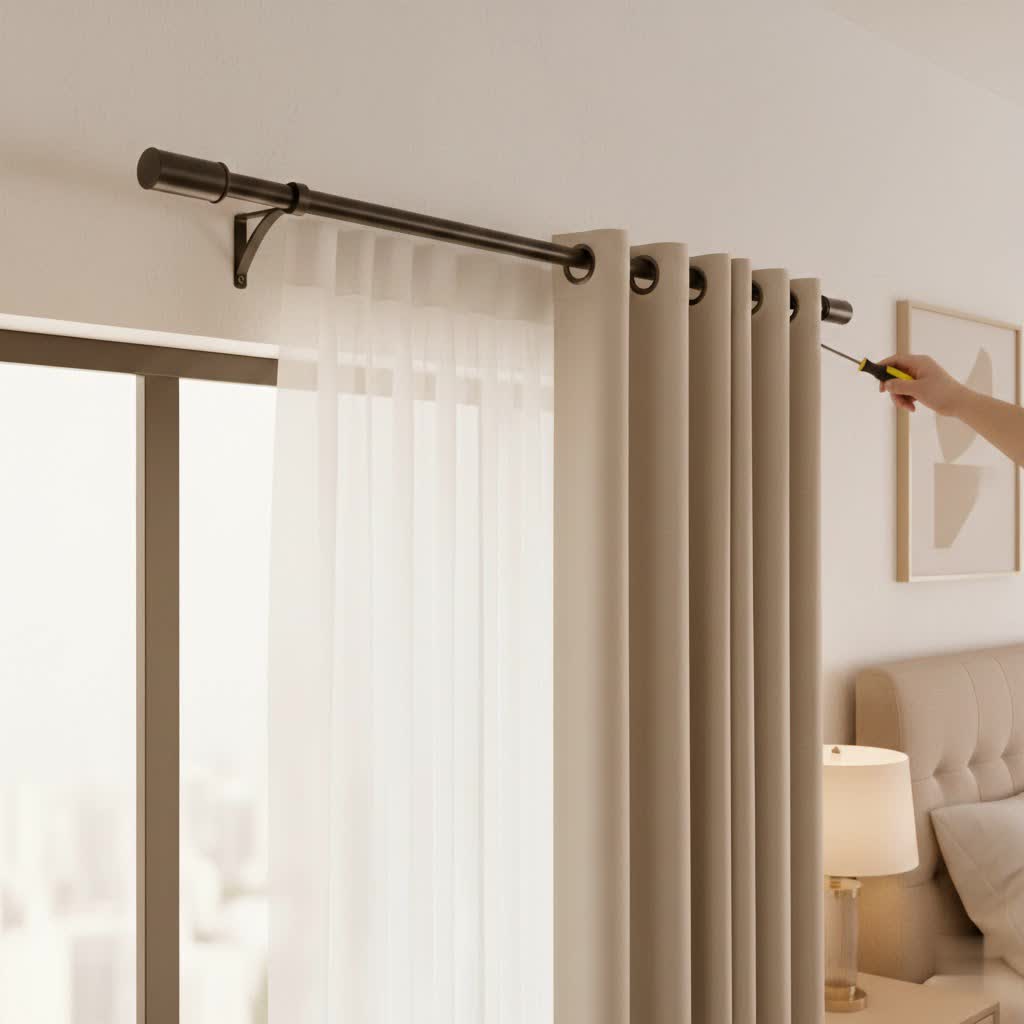
Curtain Rod Brackets are the unsung heroes of window treatments, quietly supporting your drapes while enhancing your home’s aesthetic. Far more than simple functional pieces, the right brackets ensure your curtains hang beautifully, operate smoothly, and perfectly complement your interior design. Choosing the ideal brackets involves a thoughtful consideration of various factors, from their material and design to proper sizing and installation. This comprehensive guide will walk you through everything you need to know to select and install the perfect curtain rod brackets for your living space.
Exploring Diverse Types of Curtain Rod Brackets
Curtain rod brackets come in a variety of styles, each designed to meet specific functional and aesthetic needs for your window treatments. Understanding these types is the first step in making an informed choice.
Common Bracket Types:
- Standard Wall Brackets: These are the most common type, mounting directly onto the wall above your window. They typically support a single curtain rod and are suitable for most lightweight to medium-weight curtains. Their versatility makes them a popular choice for a wide range of décor styles.
- Double Brackets: Ideal for layering curtains, double brackets feature two slots to hold two separate curtain rods. This allows you to combine a sheer curtain for privacy and light diffusion with a heavier blackout or decorative drape for light control and added style.
- Ceiling Mount Brackets: When wall space is limited, or you desire a dramatic, floor-to-ceiling curtain effect, ceiling mount brackets are the perfect solution. They attach directly to the ceiling, creating an illusion of height and offering a sleek, contemporary look.
- Projection Brackets: These brackets are defined by how far they extend from the wall. Different projection lengths accommodate various curtain styles (e.g., allowing space for thick drapes or blinds behind the curtain) and can prevent curtains from rubbing against the wall or window frame.
- Adjustable Brackets: Offering flexibility, adjustable brackets allow you to customize the projection distance from the wall, providing adaptability for different rod diameters and curtain styles.
- Heavy-Duty Brackets: For heavier drapes, such as those made from velvet or insulated fabrics, heavy-duty brackets are essential. These are designed with robust construction to provide superior support, preventing sagging and ensuring stability.
- Inside Mount Brackets: Less common for rods, but sometimes used with specific curtain systems, these brackets install inside the window frame, creating a clean, integrated look.
- No-Drill Brackets: Perfect for renters or those avoiding wall damage, these innovative brackets often use adhesive or tension mechanisms to secure the curtain rod without drilling. They are generally suited for lighter curtains.
Each bracket type plays a crucial role in the overall function and appearance of your window dressings. Selecting the right one involves considering the weight of your curtains, the desired aesthetic, and the specifics of your window and wall space.
Materials for Curtain Rod Brackets: A Comprehensive Comparison
The material of your curtain rod brackets significantly impacts their durability, aesthetic appeal, and suitability for different curtain weights. Here’s a look at common materials and their characteristics:
-
Metal (Steel, Iron, Brass, Aluminum):
- Durability: Excellent for strength and longevity, making them ideal for supporting heavy drapes.
- Aesthetics: Available in a vast array of finishes like brushed nickel, matte black, oil-rubbed bronze, chrome, and antique brass, offering versatility to match any decor.
- Cost: Varies widely depending on the type of metal and finish, generally mid-to-high range.
- Maintenance: Easy to clean and resistant to rust (especially stainless steel or properly finished metals).
- Best For: Heavy curtains, modern, industrial, transitional, or traditional interiors.
-
Wood:
- Durability: Sturdy and long-lasting, especially hardwoods, but may not support extremely heavy drapes as effectively as metal.
- Aesthetics: Offers warmth, natural beauty, and a classic, elegant look. Available in various stains and painted finishes.
- Cost: Mid-to-high range, depending on the wood type and craftsmanship.
- Maintenance: May require occasional dusting and can be susceptible to moisture or extreme temperature changes.
- Best For: Lighter to medium-weight curtains, traditional, rustic, bohemian, or farmhouse styles.
-
Plastic/Resin:
- Durability: Less durable than metal or wood, best suited for very lightweight curtains. Can be prone to breaking under stress.
- Aesthetics: Often designed to mimic other materials or offer simple, discreet support. Available in many colors.
- Cost: Most affordable option.
- Maintenance: Easy to clean.
- Best For: Sheer or very lightweight curtains, temporary solutions, or areas where aesthetics are secondary to budget (e.g., utility rooms, children’s rooms).
-
Composite Materials:
- Durability: Blends durability with design flexibility, often combining properties of plastic with fillers for added strength.
- Aesthetics: Can be molded into intricate designs and mimic the look of wood or metal.
- Cost: Typically in the low-to-mid range.
- Maintenance: Generally low maintenance.
- Best For: Mid-weight curtains, offering a balance of affordability and varied design options.
Choosing the right material ensures not only the stability of your curtains but also contributes significantly to the overall design harmony of your room.
Measuring and Installing Curtain Rod Brackets
Proper measuring and installation are critical for the functionality and appearance of your curtain rod brackets. Incorrect placement can lead to sagging rods, curtains that don’t cover the window properly, or a less polished look.
How to Measure for Curtain Rod Brackets:
|
Our Picks for the Best Curtain Rod in 2026
We may earn a commission when you use one of our links to make a purchase.
|
||
| Num | Product | Action |
|---|---|---|
| 1 | Double Curtain Rod for Windows 66 to 120 Inches, 1 inch Heavy-Duty Adjustable Imitation Wood Farmhouse Double Curtain Rod, Boho Decorative and Wood Grain Finish, Dual Rod for Living Room and Bedroom |

|
| 2 | Tension Curtain Rods No Drilling, Extra Long Tension Rod 41-139 Inch, Heavy Duty Shower Curtain Rod for Outdoor Patio Bathroom Windows Room Divider, Adjustable, Anti-Slip, No Rust, Black |
|
| 3 | 1” Diameter Curtain Rods Itself is 30 to144 inch 1 Pack Fit 30-142 inch, 66 to 120 inch Window with Heavy Duty Adjustable Rod Matte Black Splicing Metal Extra Long Curtain Rod for Windows |
|
| 4 | Curtain Rods for Windows 16 to 144 Inches Adjustable Length 1 Inch Diameter Window Curtain Rod with Aluminium Finials, Black |
|
| 5 | Heavy Duty Curtain Rods for Windows 66 to 120 Inch, 1 Inch Gold Curtain Rod Adjustable, Decorative Long Curtains Rods with Metal Finials, Easy Installation and Modern Design (A2,Gold,30"-120") |
|
| 6 | Heavy Duty Curtain Rods for Windows 66 to 120 Inch,1 Inch Adjustable Black Curtain Rod with Easy Installation and Modern Design,Decorative Long Drapery Rods with Metal Finials (A1,Black,30-120") |
|
| 7 | Curtain Rods for windows 32-48 inch, 5/8 inch Decorative Curtain Rod Set, Matte Black Splicing Heavy Duty Metal Curtain Rod with Brackets |
|
| 8 | YaFex Curtain Rods 32-144 Inch, Heavy Duty 1 Inch Adjustable Curtain Rod for Windows, Black Extra Long Window Treatment Rods, Modern Design, Easy Installation |
|
| 9 | 5/8” Diameter Curtain Rods 30-90 Inch, for 30-84 Inch Windows, Adjustable Splicing Black Curtain Rods for Windows with Brackets, Window Rod Long Small Curtains Rod |
|
| 10 | Wrap Around Curtain Rod Black, Adjustable Blackout Curtain Rods for Windows 48 to 84 Inch, 1" Heavy Duty Room Darkening Drapery Rod, Easy Install and Removal |
|
- Determine Rod Length: The curtain rod should extend beyond the window frame on both sides to allow curtains to be fully drawn open, letting in maximum light. Aim for the rod to extend 6 to 12 inches wider than the window frame (3 to 6 inches on each side).
- Bracket Placement (Width): Mark where the brackets will go, typically 3 to 6 inches beyond the window frame on each side. This ensures the curtains can stack neatly off the window, maximizing light entry.
- Bracket Placement (Height): For an elongated window appearance and to prevent curtains from obstructing the view, mount brackets at least 4 to 6 inches above the window frame, or halfway between the window frame and the ceiling.
- Rod Diameter and Bracket Size: Ensure your chosen brackets match the diameter of your curtain rod. Standard decorative rods often use brackets for 5/8” to 1 1/4” diameters. Heavy blackout drapes may require thicker rods (up to 2 inches) and reinforced brackets.
- Projection: Consider the projection distance — how far the bracket extends from the wall. This is important if you have window sills, radiators, or blinds that the curtains need to clear.
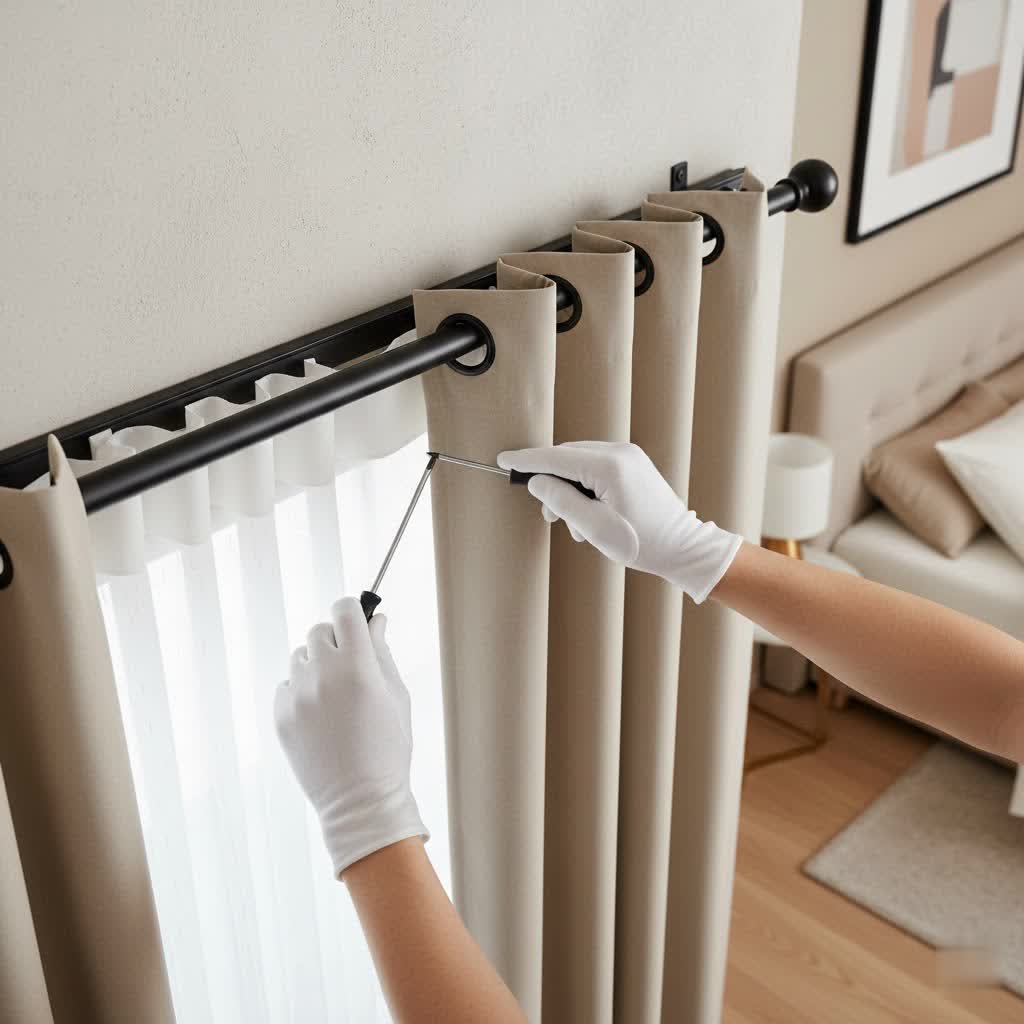
Simple Steps for Installing Curtain Rod Brackets at Home:
- Gather Tools: You’ll need a tape measure, pencil, level, drill, screwdriver, wall anchors (if drilling into drywall), and the bracket hardware.
- Mark Positions: Using your measurements, lightly mark the exact spots for your bracket screws on the wall. Use a level to ensure the marks are perfectly horizontal.
- Drill Pilot Holes: Drill pilot holes at the marked spots. If installing into drywall, insert wall anchors before screwing in the bracket. If drilling into studs, pilot holes prevent wood splitting.
- Attach Brackets: Secure the brackets to the wall using the screws provided, tightening them firmly but without over-tightening.
- Insert Rod: Once all brackets are securely in place, feed your curtains onto the rod, then carefully place the rod into the brackets. Ensure any set screws on the brackets are loosened before inserting the rod and tightened afterward to secure it.
- Add Finials: Screw the decorative finials onto the ends of the curtain rod.
Safety Notes: Always use appropriate wall anchors for drywall. For heavy curtains or wide windows (over 84 inches), consider adding a center support bracket to prevent the rod from sagging over time. A good rule of thumb is to use one center bracket for every 4-6 feet of rod length.
Comparison Table: Essential Curtain Rod Bracket Features
To help you decide, here’s a comparison of common bracket types and their key features:
| Feature | Standard Wall Bracket | Double Bracket | Ceiling Mount Bracket | No-Drill Bracket |
|---|---|---|---|---|
| Purpose | Supports single curtain rod | Supports two layered rods | Ideal for high ceilings, minimal wall space | Temporary, renter-friendly, no drilling |
| Aesthetic | Versatile, blends easily | Functional, adds depth | Sleek, modern, maximizes height | Discreet, minimalist |
| Installation | Wall-mounted, requires drilling/anchors | Wall-mounted, requires drilling/anchors | Ceiling-mounted, requires drilling/anchors | Adhesive or tension-based, no drilling |
| Weight Capacity | Medium to Heavy (depends on material) | Medium to Heavy | High (often integrated with strong hardware) | Light to Medium-Light |
| Best For | Most general applications | Layered privacy & style | Dramatic tall windows, modern homes | Apartments, temporary setups, small windows |
| Projection | Fixed or adjustable | Fixed or adjustable | None (rod hangs below ceiling) | Varies, often fixed |
This table provides a quick overview, but remember that specific product designs within each category can offer variations in features and performance.
Choosing the Right Curtain Rod Brackets for Your Interior Style
Curtain rod brackets are integral to your room’s overall design, and selecting them to complement your interior style is essential for a cohesive look.
- Modern & Minimalist: Opt for sleek, simple metal brackets in finishes like brushed nickel, matte black, or chrome. Concealed or low-profile brackets allow the focus to remain on the clean lines of your curtains and contemporary furniture.
- Traditional & Classic: Wooden brackets with ornate carvings or metal brackets in antique brass, bronze, or polished gold finishes can add a touch of timeless elegance. Choose designs that echo the classic motifs in your furniture or decor.
- Rustic & Farmhouse: For a warm, inviting feel, select natural wood brackets, or wrought iron brackets with a distressed or matte black finish. These materials and finishes align with the rugged, earthy aesthetic of rustic styles.
- Industrial: Exposed metal brackets in dark, raw, or matte finishes are perfect for an industrial loft aesthetic. Consider pipe-style brackets for a distinctive urban edge.
- Bohemian & Eclectic: This style allows for more creativity. Mix and match materials, or choose brackets with unique shapes, textures, or a handcrafted feel. Wood with distressed finishes or decorative metal with a unique patina can work well.
When coordinating, consider the existing hardware in your room, such as door handles, light fixtures, or furniture accents. Matching the finish of your curtain rod brackets to these elements creates a unified and thoughtful design. Sometimes, a contrasting finish can also make a bold statement, but ensure it’s intentional and contributes to the overall style.
Buying Guide: What to Consider When Purchasing Curtain Rod Brackets
Making the right choice for curtain rod brackets involves more than just aesthetics. Here are key factors to consider:
- Curtain Weight and Fabric Type: This is paramount. Heavy drapes (velvet, blackout) require robust metal or heavy-duty brackets to prevent sagging, while sheer or lightweight curtains can be supported by less substantial options like plastic or lighter wood.
- Rod Diameter: Ensure the bracket opening perfectly accommodates your curtain rod’s diameter. Mismatched sizes will lead to instability or prevent the rod from fitting.
- Bracket Material: Choose a material that aligns with your durability needs and aesthetic preferences (metal for strength and modern finishes, wood for warmth and traditional charm).
- Finish and Style: Match the bracket’s finish (e.g., brushed nickel, matte black, oil-rubbed bronze, various wood stains) to your existing hardware or room decor. The style of the bracket (ornate, simple, geometric) should complement your chosen interior design.
- Number of Brackets Needed: For rods up to 60 inches wide with light curtains, two end brackets are usually sufficient. For wider windows or heavier drapes, a center support bracket is crucial, typically needed every 4-6 feet of rod length to prevent sagging.
- Projection: Measure if your window has a deep sill, blinds, or other obstructions. Adjustable projection brackets offer flexibility to ensure your curtains hang freely without catching.
- Price Range: Set a budget. Bracket prices vary widely based on material, brand, and design complexity.
- Where to Buy:
- Specialty Curtain/Drapery Stores: Offer expert advice and a wide selection of high-quality, often custom, options.
- Home Improvement Stores: Good for standard, readily available brackets in various materials and finishes.
- Online Retailers (e.g., Amazon, Wayfair): Provide immense selection, competitive pricing, and user reviews, but without the ability to physically inspect the product.
- Quality Check: Before purchasing, inspect the brackets for sturdy construction, smooth finishes, and included hardware (screws, anchors). A well-made bracket will feel solid and have a consistent finish.
“A well-chosen curtain rod bracket isn’t just a support system; it’s a foundational element that dictates both the flow and style of your window dressing.”
Top Curtain Rod Bracket Brands
Several reputable brands specialize in curtain rod hardware, offering a range of styles, materials, and price points. While many companies produce entire window treatment collections, some consistently deliver quality brackets:
- Rod Desyne: Known for its extensive range of high-quality and stylish window treatment products, including a variety of brackets in different finishes and designs.
- Umbra: Offers innovative and modern home design products, including sleek and contemporary curtain rod brackets that blend functionality with minimalist aesthetics.
- Decopolitan: A leading provider of high-quality window treatment solutions, offering a wide array of stylish and functional drapery hardware, including durable brackets.
- Ivilon: Provides a global selection of high-quality window curtains and related accessories, often including versatile and well-designed curtain rod brackets.
- Lumi Home Furnishings: Features a diverse collection of curtain hardware, including brackets in various materials like wood and steel, catering to different design preferences.
- Kirsch: Particularly renowned for heavy-duty drapery hardware, including robust brackets designed for substantial curtains and commercial applications.
- AmazonBasics: Offers affordable and reliable options across various home categories, including basic yet functional curtain rod brackets.
- Wabboreq: A notable brand for no-drill curtain rod brackets, popular among renters and those seeking easy, damage-free installation for lighter curtains.
When choosing a brand, consider their reputation for quality, the breadth of their product line, and whether their aesthetic aligns with your home’s style. Reading customer reviews can also provide valuable insights into product performance and durability.
Conclusion
Curtain rod brackets, while seemingly minor, play a pivotal role in the success of your window treatments. From the robust support needed for opulent drapes to the subtle elegance that enhances a minimalist aesthetic, understanding the various types, materials, and installation techniques ensures both beauty and functionality. By carefully considering factors like curtain weight, rod diameter, and your personal interior style, you can select brackets that not only securely hold your curtains but also elevate your entire living space.
Investing time in choosing the perfect curtain rod brackets transforms your windows from a mere necessity into a thoughtfully designed focal point. Which type of bracket will you choose to complete your window’s transformation?
Frequently Asked Questions
What are the different types of curtain rod brackets?
Curtain rod brackets primarily include standard wall-mounted brackets, double brackets for layering, ceiling-mount brackets for height, and adjustable projection brackets. Newer options also include no-drill brackets for easy, temporary installation.
How do I know what size curtain rod brackets to get?
The bracket size should match your curtain rod’s diameter. Measure your rod’s thickness and choose brackets designed to securely hold that specific diameter. The projection of the bracket should also be sufficient to clear any window sills or blinds.
How far should curtain rod brackets extend beyond the window?
For optimal appearance and function, curtain rod brackets should be placed so the rod extends 3 to 6 inches beyond each side of the window frame. This allows the curtains to be fully drawn open, maximizing light and view.
Can curtain rod brackets be installed without drilling?
Yes, no-drill curtain rod brackets are available, often utilizing adhesive strips, tension, or clever leverage mechanisms to install without permanent wall damage. These are typically best suited for lightweight curtains and temporary solutions.
How many brackets do I need for my curtain rod?
For rods up to 60 inches wide, two end brackets are generally sufficient for lightweight curtains. For wider windows or heavier drapes, a center support bracket is recommended for every 4-6 feet of rod length to prevent sagging.