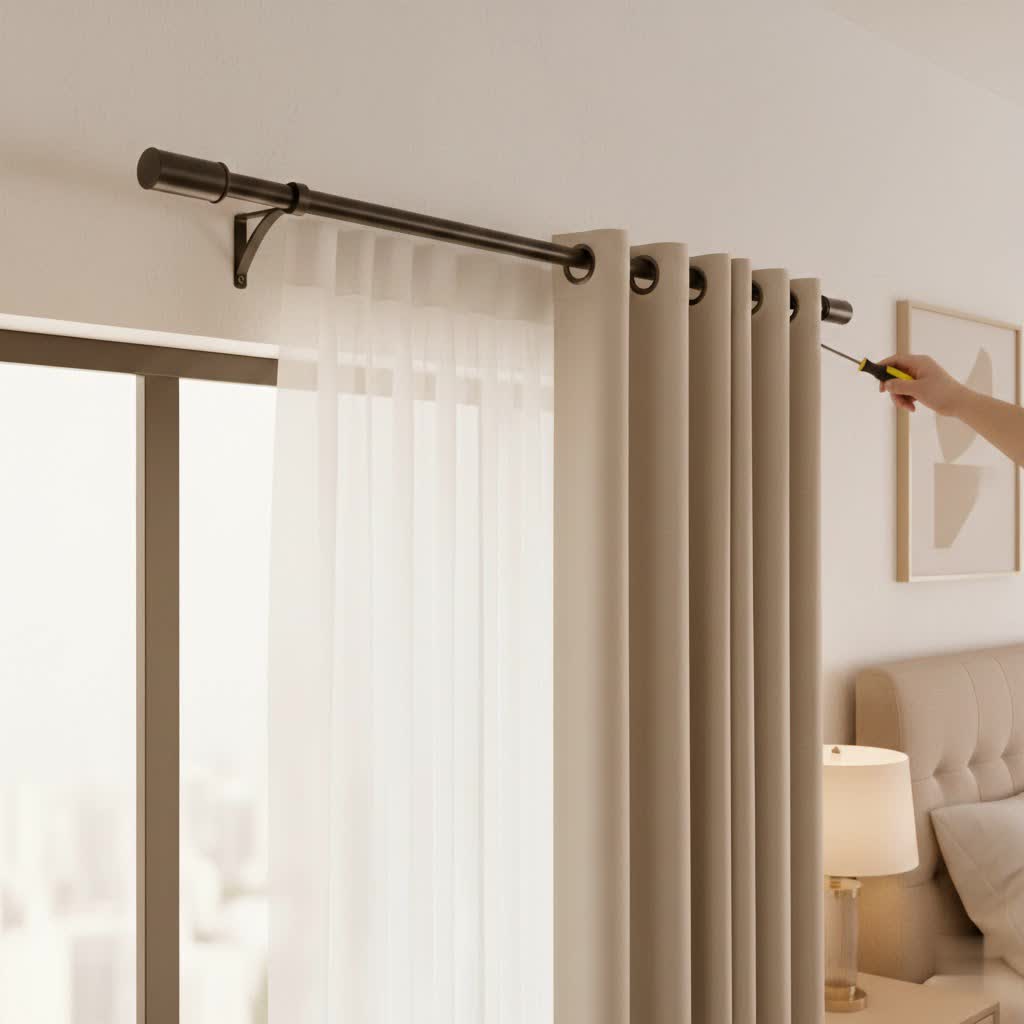
Transforming your living space often involves updating window treatments, but the thought of drilling holes and patching walls can be a major deterrent. Enter Adhesive Curtain Rod Holders – a revolutionary, damage-free solution designed for effortless curtain hanging. Whether you’re a renter, a homeowner looking to avoid permanent alterations, or simply seeking a quick and easy decor upgrade, these innovative holders offer unparalleled convenience.
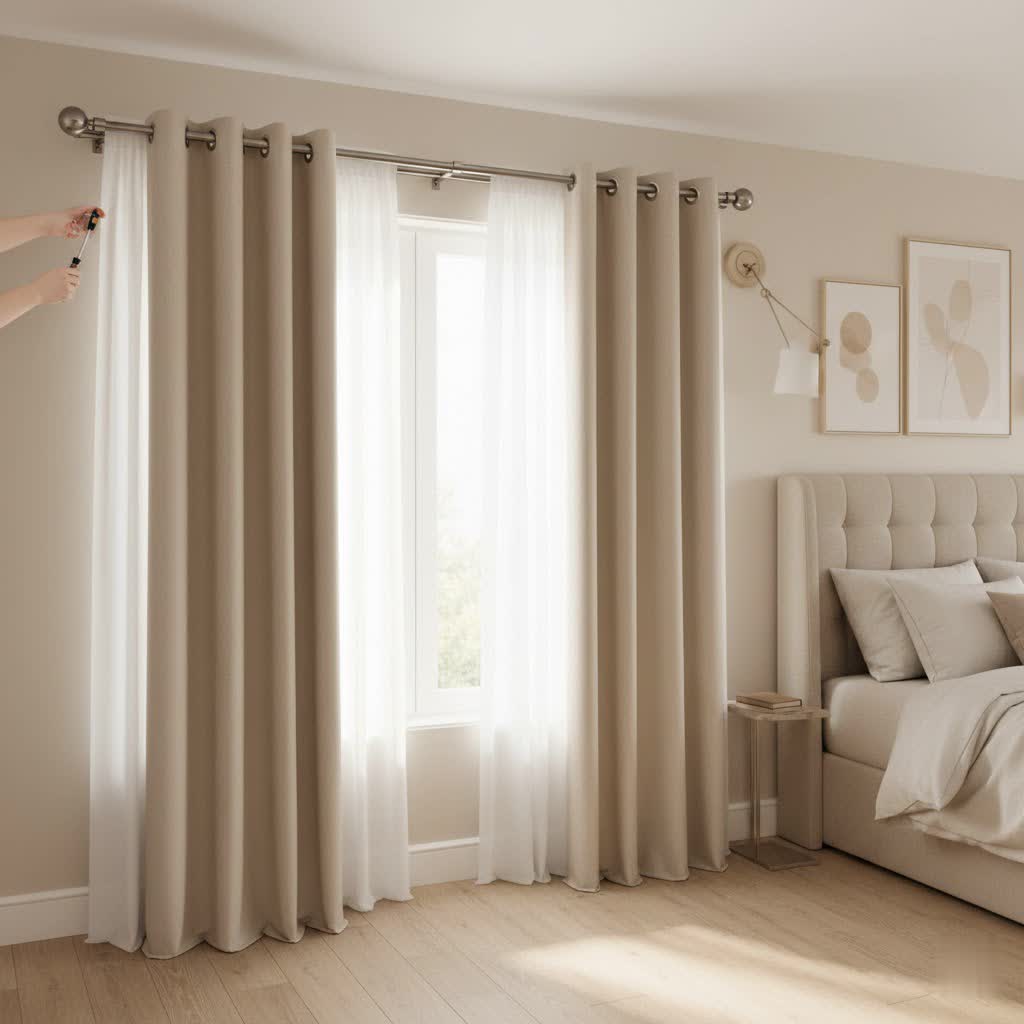
This comprehensive guide will explore everything you need to know about adhesive curtain rod holders, from their various types and materials to installation techniques, weight capacities, and how to choose the perfect set for your home. Say goodbye to power tools and hello to beautifully dressed windows with minimal fuss.
Exploring the Varieties of Adhesive Curtain Rod Holders
Adhesive curtain rod holders come in various designs, all united by their no-drill installation. Primarily, these are self-adhesive brackets designed to stick directly to your wall or window frame, providing a secure spot for your curtain rod.
Most commonly, you’ll find basic self-adhesive brackets made from durable plastic, often with a sleek, minimalist design. Some models feature a unique buckle or flap mechanism that securely locks the curtain rod into place, preventing it from slipping out. While the core concept is adhesive, some robust versions might integrate metal components for enhanced strength and aesthetics. These holders are specifically engineered to offer a simple, effective way to hang lightweight to medium curtains without the need for tools or wall damage, making them a favorite for temporary setups or rental properties.
Decoding Materials and Adhesion Technology
The effectiveness of adhesive curtain rod holders largely depends on their materials and, crucially, the adhesion technology employed. Most units are crafted from high-quality, thickened ABS plastic, known for its resilience and ability to withstand moderate loads without deforming or breaking.
The true hero, however, is the powerful, non-marking adhesive backing. This specialized glue is designed for strong bonding to smooth, clean, and dry surfaces, such as glass, mirrors, tiles, stainless steel, and even finished wood. For optimal performance, the adhesive needs direct contact with a pristine surface. It’s important to note that these holders are generally not suitable for rough, textured, lime, or uneven walls, nor for poorly painted surfaces, as the adhesive’s grip can be compromised, potentially leading to damage upon removal or failure to hold. Brands like Command have perfected removal techniques that involve stretching the adhesive strip to release it cleanly, minimizing the risk of paint damage.
Understanding Weight Capacity and Durability
The weight capacity of adhesive curtain rod holders is a critical consideration for ensuring your curtains stay put. While these no-drill solutions offer convenience, they are generally best suited for light to medium-weight curtains.
Typically, adhesive curtain rod holders can support weights ranging from 5 to 20 pounds (approximately 2.2 to 9 kilograms) per pair, though specific models might state capacities up to 13 pounds or even 5 kilograms. Factors like the quality of the adhesive, the material of the holder, and the surface it’s applied to significantly influence its load-bearing capability. For instance, a properly installed holder on a perfectly smooth, clean surface with adequate cure time will perform better than one hastily applied to a less-than-ideal surface. It’s crucial not to overload these holders, as doing so can lead to premature failure, sagging curtains, or even damage to your walls upon detachment. They are generally less reliable than traditionally drilled brackets, especially for heavy drapes or in homes with active children or pets who might tug on curtains.
Simple Steps for Installation and Removal
Installing adhesive curtain rod holders is remarkably straightforward, but proper preparation is key to ensuring a secure and lasting hold. Follow these steps for best results:
Installation Guide:
|
Our Picks for the Best Curtain Rod in 2026
We may earn a commission when you use one of our links to make a purchase.
|
||
| Num | Product | Action |
|---|---|---|
| 1 | Heavy Duty Curtain Rods for Windows 66 to 120 Inch, 1 Inch Gold Curtain Rod Adjustable, Decorative Long Curtains Rods with Metal Finials, Easy Installation and Modern Design (A2,Gold,30"-120") |

|
| 2 | Wrap Around Curtain Rod Black, Adjustable Blackout Curtain Rods for Windows 48 to 84 Inch, 1" Heavy Duty Room Darkening Drapery Rod, Easy Install and Removal |
|
| 3 | Curtain Rods for Windows 16 to 144 Inches Adjustable Length 1 Inch Diameter Window Curtain Rod with Aluminium Finials, Black |
|
| 4 | Heavy Duty Curtain Rods for Windows 66 to 120 Inch,1 Inch Adjustable Black Curtain Rod with Easy Installation and Modern Design,Decorative Long Drapery Rods with Metal Finials (A1,Black,30-120") |
|
| 5 | YaFex Curtain Rods 32-144 Inch, Heavy Duty 1 Inch Adjustable Curtain Rod for Windows, Black Extra Long Window Treatment Rods, Modern Design, Easy Installation |
|
| 6 | Double Curtain Rod for Windows 66 to 120 Inches, 1 inch Heavy-Duty Adjustable Imitation Wood Farmhouse Double Curtain Rod, Boho Decorative and Wood Grain Finish, Dual Rod for Living Room and Bedroom |
|
| 7 | Tension Curtain Rods No Drilling, Extra Long Tension Rod 41-139 Inch, Heavy Duty Shower Curtain Rod for Outdoor Patio Bathroom Windows Room Divider, Adjustable, Anti-Slip, No Rust, Black |
|
| 8 | Curtain Rods for windows 32-48 inch, 5/8 inch Decorative Curtain Rod Set, Matte Black Splicing Heavy Duty Metal Curtain Rod with Brackets |
|
| 9 | 5/8” Diameter Curtain Rods 30-90 Inch, for 30-84 Inch Windows, Adjustable Splicing Black Curtain Rods for Windows with Brackets, Window Rod Long Small Curtains Rod |
|
| 10 | 1” Diameter Curtain Rods Itself is 30 to144 inch 1 Pack Fit 30-142 inch, 66 to 120 inch Window with Heavy Duty Adjustable Rod Matte Black Splicing Metal Extra Long Curtain Rod for Windows |
|
- Clean the Surface: Begin by thoroughly cleaning the wall or window frame where the holders will be placed. Use rubbing alcohol to remove any dust, grease, or grime, and allow the surface to dry completely. A clean, dry surface is paramount for strong adhesion.
- Measure and Mark: Carefully measure and mark the desired placement for your curtain rod holders. Use a level to ensure they are perfectly aligned. Precise placement avoids needing to reposition, which can weaken the adhesive.
- Prepare the Holder: Peel off the protective backing from the adhesive strip on the back of the holder.
- Apply Firmly: Press the holder firmly against the marked spot on the wall for at least 10-30 seconds. Apply consistent pressure across the entire adhesive surface.
- Cure Time: This is a crucial step often overlooked. Allow the adhesive to cure for the recommended time, typically 1 to 24 hours, before hanging your curtain rod and curtains. This allows the adhesive to fully bond and reach its maximum strength.
Removal Guide:
When it’s time to remove your adhesive curtain rod holders, doing so carefully can prevent damage to your walls. For most common adhesive strips (like Command products), the process involves:
- Gently Pull Down: For strips with a tab, slowly pull the tab straight down, parallel to the wall. This action stretches the adhesive, releasing its bond without tearing paint.
- Slow and Steady: Avoid pulling the holder directly off the wall or pulling the tab outwards, as this can rip paint or drywall. Patience is key; if you feel resistance, adjust your pulling angle.
- Touch-Ups: While many adhesive products claim damage-free removal, there’s always a possibility of needing minor paint touch-ups, especially on older or poorly prepped walls.
Choosing the Right Adhesive Holders for Your Space
Selecting the ideal adhesive curtain rod holders involves considering several practical factors to ensure they meet both your functional needs and aesthetic preferences.
First and foremost, assess the weight of your curtains. Adhesive holders are best suited for sheer, lightweight, or medium-weight curtains. If you plan to hang heavy blackout drapes or multiple curtain panels, you might need to opt for a different no-drill solution or consider traditional drilled brackets for greater security. Next, examine your wall surface. Adhesive products work best on smooth, clean, and non-porous surfaces like tiles, glass, finished wood, or painted drywall in good condition. Avoid using them on wallpaper, rough textures, or delicate finishes. Finally, consider the room’s activity level. For high-traffic areas or children’s rooms where curtains might be frequently pulled or tugged, adhesive holders might not provide sufficient long-term stability. For low-impact areas like guest bedrooms or offices, they are often perfect. Ensure the style and color of the holders complement your existing decor and curtain design for a cohesive look.
Top Tips for Maximizing Performance
To get the most out of your adhesive curtain rod holders and ensure your curtains hang beautifully and securely, follow these expert tips:
- Prioritize Surface Preparation: Always clean the application surface thoroughly with rubbing alcohol and let it dry completely. This removes residues that can hinder adhesion.
- Respect Weight Limits: Never exceed the manufacturer’s stated weight capacity. If your curtains are borderline, it’s safer to use an alternative solution or more holders to distribute the weight.
- Allow Adequate Cure Time: Patience is a virtue here. The adhesive needs time to bond fully. Waiting the recommended 1 to 24 hours before hanging your rod and curtains is crucial for maximum strength.
- Use Multiple Holders for Wider Windows: For longer curtain rods or wider windows, consider using more than two adhesive holders (e.g., three or four) to provide extra support and prevent sagging in the middle.
- Consider Humidity: In high-humidity areas like bathrooms, ensure the holders are rated for moist environments, as excessive moisture can sometimes weaken adhesive bonds over time.
- Test in an Inconspicuous Area: If you’re concerned about paint damage, test a small piece of the adhesive strip in a hidden spot on your wall first.
“A well-chosen adhesive curtain rod holder isn’t just a temporary fix; it’s a smart, stylish solution that respects your walls and elevates your home decor.”
Conclusion
Adhesive curtain rod holders have emerged as a game-changer for anyone seeking a hassle-free, damage-free way to adorn their windows. They offer unparalleled ease of installation and removal, making them ideal for renters, those who frequently redecorate, or anyone hesitant to drill into walls. While they excel with lightweight to medium curtains on smooth surfaces, understanding their weight limitations and adhering to proper installation and curing guidelines are crucial for optimal performance. By following these tips, you can confidently choose and install adhesive curtain rod holders, bringing style and privacy to your home without the commitment of permanent fixtures.
Are you ready to embrace the convenience and flexibility of adhesive curtain rod holders for your next home decor project?
Frequently Asked Questions
Can adhesive curtain rod holders hold heavy blackout curtains?
Generally, adhesive curtain rod holders are not recommended for heavy blackout curtains. Their typical weight capacity ranges from 5 to 20 pounds, and heavy drapes can exceed this, leading to the holders failing or pulling away from the wall. It’s best to reserve them for lightweight or medium curtains.
Will adhesive curtain rod holders damage my walls when removed?
When properly installed and removed according to manufacturer instructions, many adhesive curtain rod holders (especially those using advanced adhesive strips) are designed for damage-free removal. However, there’s always a slight risk of paint peeling, especially on poorly prepped, old, or delicate painted surfaces if removed incorrectly.
What surfaces are best for adhesive curtain rod holders?
Adhesive curtain rod holders perform best on smooth, clean, dry, and non-porous surfaces such as finished wood, tiles, glass, metal, and well-maintained painted drywall. They are generally not suitable for wallpaper, rough or textured walls, lime walls, or uneven surfaces, as the adhesive cannot form a strong, lasting bond.
How long do I need to wait after installing adhesive holders before hanging curtains?
Most manufacturers recommend a curing time of at least 1 to 24 hours after applying adhesive curtain rod holders before you hang the curtain rod and curtains. This allows the adhesive to fully bond with the surface, ensuring maximum strength and stability. Rushing this step can significantly reduce their holding power.