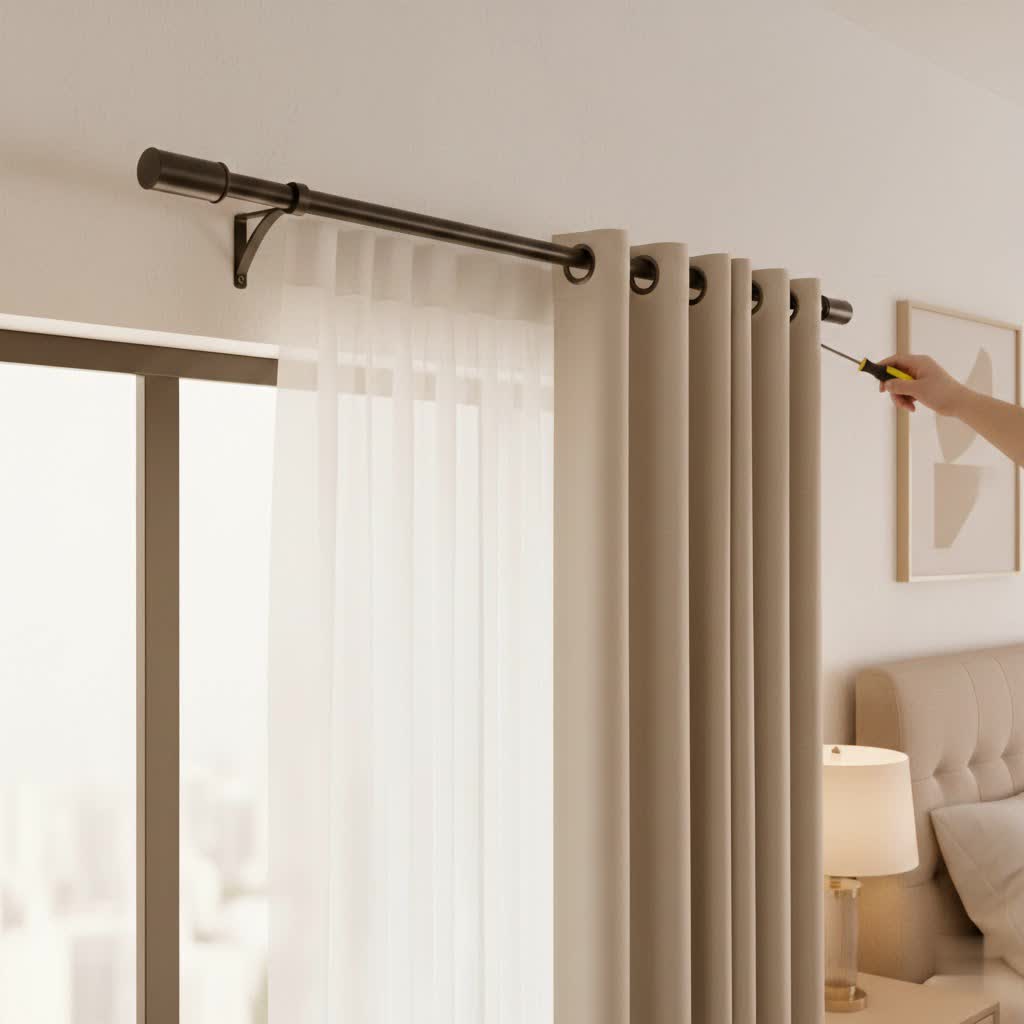
As someone who has dedicated over a decade to the world of curtains and their accessories, I’ve seen countless innovations designed to enhance both the beauty and functionality of window coverings. Among these, the Track Curtain Rod system stands out as a sophisticated, practical choice that has transformed how we hang our drapes. Forget the struggles with snagging rings or sagging poles; a well-chosen track system offers seamless operation, a clean aesthetic, and remarkable versatility for nearly any space. This comprehensive guide will share my insights, helping you navigate the options and select the perfect track curtain rod to complement your home’s style and needs.
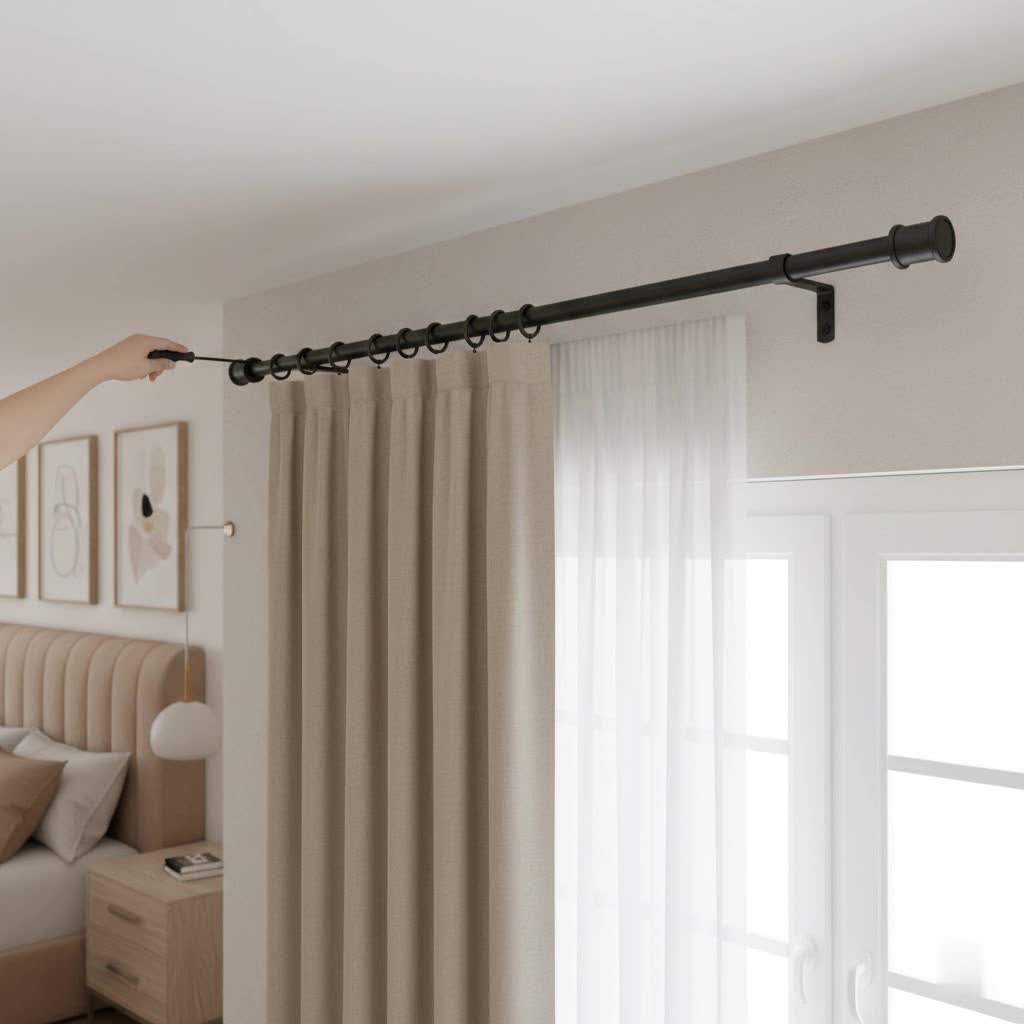
Popular Types of Track Curtain Rod Systems
Track curtain rods, often simply called curtain tracks, are not a one-size-fits-all solution. They come in various designs, each optimized for specific applications and curtain types. Understanding these differences is the first step to making an informed decision.
- Straight Curtain Tracks: These are the foundational type, perfect for standard rectangular windows. They are typically made from durable plastic or aluminum and offer a straightforward, versatile solution for most spaces. Straight tracks are easy to install and can often be cut to size, making them highly adaptable. They are an excellent choice for a minimalist aesthetic and can support a wide range of light to medium-weight fabrics.
- Heavy-Duty Curtain Tracks: When dealing with substantial drapes, such as blackout or insulated curtains, heavy-duty tracks are essential. Constructed from robust materials like aluminum or steel, these tracks are engineered to handle significant weight without bending or sagging. They are commonly found in large living rooms, commercial settings, or any area where durability and reliable performance are paramount. Despite their strength, advanced glider designs ensure smooth operation.
- Curved (Bay Window) Curtain Tracks: Bay windows and other architectural curves can be challenging for traditional rods. Flexible or pre-bent curved tracks provide an elegant solution, allowing curtains to glide smoothly around corners and angles. These tracks are often made from malleable aluminum or specialized plastics that can be custom-shaped to fit unique window contours. They maximize natural light and create a soft, continuous look that enhances the character of the window.
- Motorized Curtain Tracks: For the ultimate in convenience and luxury, motorized track systems allow you to open and close curtains with the touch of a button, a remote control, or even through a smart home app. Ideal for hard-to-reach windows, large installations, or simply for modernizing your home, these systems operate quietly and efficiently. Many are compatible with smart home ecosystems, enabling programmed schedules for energy efficiency and added security.
- Ceiling-Mounted Curtain Tracks: Designed to be installed directly onto the ceiling, these tracks create a dramatic floor-to-ceiling curtain effect, making rooms appear taller and more spacious. They are particularly popular in modern apartments or homes with high ceilings where wall space might be limited. Ceiling mounts offer a sleek, unobtrusive look, allowing the curtains themselves to be the focal point.
- Wall-Mounted Curtain Tracks: While many tracks are designed for ceiling installation, wall-mounted options offer flexibility for various ceiling heights or architectural constraints. These tracks are secured to the wall above the window frame, providing robust support and allowing for easy installation at your desired height.
- Room Divider Curtain Tracks: Beyond windows, tracks are invaluable for creating flexible room dividers. Ceiling-mounted room divider tracks allow you to partition open-plan spaces, create private nooks, or add functionality to a studio apartment. They offer a stylish and non-permanent way to redefine areas, providing privacy or reducing noise as needed.
|
Our Picks for the Best Curtain Rod in 2026
We may earn a commission when you use one of our links to make a purchase.
|
||
| Num | Product | Action |
|---|---|---|
| 1 | Curtain Rods for windows 32-48 inch, 5/8 inch Decorative Curtain Rod Set, Matte Black Splicing Heavy Duty Metal Curtain Rod with Brackets |

|
| 2 | Tension Curtain Rods No Drilling, Extra Long Tension Rod 41-139 Inch, Heavy Duty Shower Curtain Rod for Outdoor Patio Bathroom Windows Room Divider, Adjustable, Anti-Slip, No Rust, Black |
|
| 3 | Curtain Rods for Windows 16 to 144 Inches Adjustable Length 1 Inch Diameter Window Curtain Rod with Aluminium Finials, Black |
|
| 4 | 5/8” Diameter Curtain Rods 30-90 Inch, for 30-84 Inch Windows, Adjustable Splicing Black Curtain Rods for Windows with Brackets, Window Rod Long Small Curtains Rod |
|
| 5 | Double Curtain Rod for Windows 66 to 120 Inches, 1 inch Heavy-Duty Adjustable Imitation Wood Farmhouse Double Curtain Rod, Boho Decorative and Wood Grain Finish, Dual Rod for Living Room and Bedroom |
|
| 6 | 1” Diameter Curtain Rods Itself is 30 to144 inch 1 Pack Fit 30-142 inch, 66 to 120 inch Window with Heavy Duty Adjustable Rod Matte Black Splicing Metal Extra Long Curtain Rod for Windows |
|
| 7 | YaFex Curtain Rods 32-144 Inch, Heavy Duty 1 Inch Adjustable Curtain Rod for Windows, Black Extra Long Window Treatment Rods, Modern Design, Easy Installation |
|
| 8 | Wrap Around Curtain Rod Black, Adjustable Blackout Curtain Rods for Windows 48 to 84 Inch, 1" Heavy Duty Room Darkening Drapery Rod, Easy Install and Removal |
|
| 9 | Heavy Duty Curtain Rods for Windows 66 to 120 Inch, 1 Inch Gold Curtain Rod Adjustable, Decorative Long Curtains Rods with Metal Finials, Easy Installation and Modern Design (A2,Gold,30"-120") |
|
| 10 | Heavy Duty Curtain Rods for Windows 66 to 120 Inch,1 Inch Adjustable Black Curtain Rod with Easy Installation and Modern Design,Decorative Long Drapery Rods with Metal Finials (A1,Black,30-120") |
|
Curtain Track Materials: Comparison and Evaluation
The material of your track curtain rod significantly impacts its durability, weight capacity, and aesthetic integration with your decor.
- Aluminum Tracks: Highly popular for their blend of strength, lightweight properties, and corrosion resistance. Aluminum tracks are versatile, suitable for a wide range of curtain weights, and ideal for humid environments like bathrooms and kitchens. They often come in sleek finishes that complement modern interiors and are excellent for heavy-duty applications.
- Steel Tracks: Known for their exceptional strength and robustness, steel tracks are the go-to choice for supporting very heavy or oversized curtains that demand maximum stability. While often heavier than aluminum, they offer unparalleled durability and a long lifespan, making them a reliable option for demanding applications.
- Plastic Tracks: These are the most cost-effective option, lightweight, and typically easy to install. Plastic tracks are best suited for light to medium-weight curtains in low-traffic areas. However, it’s crucial to note that cheaper plastic tracks can sometimes warp or become brittle over time, especially when exposed to direct sunlight or frequent use. For longevity, opt for high-quality, reinforced plastic options.
Choosing the right material ensures your curtain system not only looks good but performs flawlessly for years to come.
Size and Installation of Track Curtain Rods
Proper measurement and installation are paramount for a track curtain rod system to function correctly and achieve the desired aesthetic.
Measuring for Your Track Curtain Rod:
- Width: Measure the full width of your window, including any frame or molding. For optimal light control and to make your window appear wider, extend this measurement by at least 6-8 inches (15-20 cm) on each side. This extra width allows curtains to “stack back” fully off the window when open, maximizing natural light. For heavy curtains, adding 15-25% to your window width for stack back is often recommended.
- Height: For wall-mounted tracks, measure 4-6 inches (10-15 cm) above the window frame. Hanging your track higher creates the illusion of taller windows and a more expansive room. If you have shorter ceilings, consider ceiling-mounted tracks to achieve a sophisticated, floor-to-ceiling look that truly elevates the space.
Tools You’ll Need:
- Measuring Tape
- Pencil
- Level (a laser level is highly recommended for precision)
- Drill with appropriate bits
- Screwdriver
- Stud Finder (essential for securing brackets into studs)
- Wall Anchors (for drywall installation)
- Hacksaw and File (if cutting the track to size)
Step-by-Step Installation Guide:
- Mark Bracket Positions: Begin by marking where your track will start and end. Then, evenly space the intermediate brackets, typically every 24-36 inches (60-90 cm), ensuring sufficient support for your curtain’s weight. For longer tracks that come in multiple pieces, strategically place a bracket over any joins to provide stability and minimize seams. Use your level to ensure all marks are perfectly aligned horizontally.
- Drill Pilot Holes: Using your drill, create pilot holes at each marked bracket position. If you are drilling into drywall and cannot hit a stud, insert appropriate wall anchors before securing the screws. This step is crucial for preventing your track from pulling away from the wall or ceiling, especially with heavier drapes.
- Secure Brackets: Attach each bracket firmly to the wall or ceiling using the provided screws. Ensure they are tightened securely but do not overtighten, which could damage the bracket or mounting surface.
- Attach the Track: Many track systems feature a “snap-in” or “slide-in” design. Gently align the track with the installed brackets and either snap it into place or slide it along the mounting points. For tracks that come with set screws, tighten these to further secure the track within the brackets. Confirm the track is flush, level, and that gliders can move smoothly from end to end without obstruction.
- Hang Your Curtains: Finally, attach your curtains to the gliders or carriers provided with your track system. Ensure hooks are evenly spaced for a balanced and flowing appearance.
Pro Tips for a Flawless Installation:
- Precision is Key: Even a slight misalignment can cause gliders to snag. Invest in a good level—a laser level makes multi-bracket alignment effortless.
- Reinforcement: Always use wall anchors in drywall for load-bearing stability. For plaster walls, toggle bolts offer superior grip.
- Cutting and Bending: If your track needs to be cut, use a fine-tooth hacksaw and file any rough edges smooth. For flexible tracks designed for bay windows, a silicone spray can help gliders move more freely around bends.
Comparison Table: Curtain Track Systems
To provide a clearer perspective, here’s a comparison of different track types, highlighting their unique features and optimal uses:
| Feature | Straight Track | Flexible/Curved Track | Heavy-Duty Track | Motorized Track |
|---|---|---|---|---|
| Advantages | Simple, versatile, affordable | Ideal for unique window shapes, custom fit | Exceptional strength, supports heavy curtains | Ultimate convenience, smart home compatible |
| Disadvantages | Not for curved windows | Higher cost, more complex installation | Less discreet profile | High initial investment, requires power source |
| Best For | Standard windows, minimalist decor, light-medium curtains | Bay windows, arched windows, unique architectural features | Blackout drapes, large windows, commercial spaces, layered curtains | Luxury homes, accessibility, large or high windows, smart living |
Tips for Choosing the Right Track Curtain Rod for Your Interior Style
The right track system can dramatically elevate your interior design. Here’s how to match your track curtain rod to your home’s aesthetic:
- Modern and Minimalist: Track systems inherently lend themselves to a contemporary look. Opt for sleek aluminum or discreet white plastic tracks that can be ceiling-mounted to disappear entirely, allowing your curtains to appear as if they’re floating from the ceiling. This creates clean lines and an uncluttered feel, ideal for urban apartments or modern homes.
- Traditional and Classic: While tracks are often associated with modern design, they can also work in traditional settings. Choose a track system that allows the curtain header to obscure the hardware entirely, focusing on the fabric and drape style. For a more opulent feel, consider a track that can support layered curtains (sheers and heavier drapes) for depth and richness.
- Living Room Considerations: In high-traffic areas like the living room, smooth operation and durability are key. Ceiling-mounted tracks with floor-length drapes create an elegant, expansive feel. If you have unique architectural features like bay windows, a custom-curved track will provide a tailored and sophisticated finish.
- Bedroom Solutions: For maximum light control and privacy in bedrooms, pair heavy-duty tracks with blackout curtains. Motorized tracks add a touch of luxury, allowing you to control natural light from the comfort of your bed, perfect for those lazy weekend mornings.
- Kitchen and Bathroom Ideas: In humid environments, choose materials like aluminum or high-quality plastic that resist corrosion and moisture. Lightweight fabrics or sheer curtains on discreet tracks can offer privacy while still allowing ample natural light.
Buying Guide for Track Curtain Rods
Investing in the right track curtain rod system requires considering several factors to ensure it meets your needs and expectations.
- Material and Durability: Consider the weight of your curtains. For light to medium drapes, plastic or standard aluminum tracks may suffice. For heavy or insulated curtains, opt for robust aluminum or steel. Remember that while plastic is budget-friendly, metal offers superior longevity and performance.
- Type and Functionality: Do you need a straight track, a flexible one for a bay window, or a motorized system for convenience? Evaluate your window’s shape, the desired level of automation, and whether you need to divide a room.
- Installation Method: Decide between wall-mounted and ceiling-mounted options based on your room’s architecture, ceiling height, and desired aesthetic. Ensure the track system is compatible with your chosen mounting surface.
- Aesthetics: While tracks are often designed to be discreet, their profile and finish can still impact the overall look. Choose colors that blend with your wall/ceiling or a sleek metallic finish for a modern touch.
- Budget: Track curtain rod systems range in price depending on material, complexity (e.g., motorized), and brand. Set a realistic budget, but remember that investing in quality can prevent future issues and provide better performance.
- Curtain Compatibility: Ensure the track system is compatible with your curtain type. Track systems use gliders and hooks and are ideal for curtains with heading tape (pencil pleat, pinch pleat). They are not suitable for eyelet or tab-top curtains, which require traditional poles.
- Where to Buy: You can find track curtain rods at specialized curtain and drapery stores, large home improvement retailers (like Home Depot or IKEA), and a growing number of online suppliers. For custom solutions or specific architectural needs, a specialized supplier might offer more tailored options. Always inspect the product for quality, checking for smooth glider operation and sturdy construction.
Top Reputable Track Curtain Rod Brands
While many excellent manufacturers exist, a few brands are consistently recognized for their quality, innovation, and reliability in track curtain rod systems:
- Kirsch: A long-standing name in window treatments, Kirsch is known for its durable and well-engineered traverse rods and curtain tracks, offering both manual and motorized options.
- Silent Gliss: As their name suggests, Silent Gliss is highly regarded for its premium, smooth-gliding, and often silent track systems. They specialize in high-quality aluminum tracks, including flexible and motorized solutions, favored in high-end residential and commercial projects.
- Goelst: Another European leader, Goelst offers a wide array of innovative curtain track systems, including sophisticated motorized options and specialized tracks for unique window shapes and room division.
- VeilVeil: This brand emphasizes premium aluminum tracks designed for durability and ease of installation, often highlighting features like tool-free glider adjustments and substantial weight capacity.
These brands often offer various components and accessories, allowing you to customize a system that perfectly fits your specific window and design preferences.
In conclusion, track curtain rods offer a superior solution for modern window treatments, providing unmatched smoothness, discreet aesthetics, and incredible versatility. By understanding the different types, materials, and installation nuances, you can choose a system that not only enhances your decor but also improves the daily functionality of your living space. The right track curtain rod isn’t just hardware; it’s an investment in a cleaner, more elegant, and effortlessly managed home.
What kind of window treatment challenge are you looking to solve with a track system in your home?
Frequently Asked Questions
What is the primary advantage of a track curtain rod over a traditional rod?
The main advantage is superior functionality and a cleaner aesthetic. Track systems allow curtains to glide smoothly and silently, often concealing the hardware for a minimalist look. They are also ideal for heavy drapes, wide windows, and curved spaces where traditional rods might sag or snag.
Can I install a track curtain rod myself?
Yes, most track curtain rod systems are designed for DIY installation. With basic tools like a tape measure, level, drill, and screwdriver, along with careful adherence to instructions, many homeowners can successfully install their own track systems within an hour or two.
Are track curtain rods suitable for all curtain types?
Track curtain rods are best suited for curtains with heading tape (like pencil pleat or pinch pleat) that use hooks or gliders. They are generally not compatible with eyelet or tab-top curtains, which are designed to slide directly onto a traditional curtain pole.
How do I measure for a track curtain rod to ensure proper fit?
Measure the width of your window, then add at least 6-8 inches (15-20 cm) on each side for curtain “stack back” to maximize light when open. For height, measure 4-6 inches (10-15 cm) above the window frame for wall mounts, or measure from the ceiling if you prefer a floor-to-ceiling look.
Can track curtain rods be bent for bay windows or curved walls?
Absolutely. Many track systems, particularly those made from aluminum or flexible plastic, are specifically designed to be bent or come pre-curved to fit bay windows, arched windows, or other unique architectural features, ensuring a custom and seamless curtain installation.